
Best Boots for Trail Riding: The Buyer Checklist for 2026
Disclosure: We may earn a commission when you buy through links on this page, at no extra cost to you. As an Amazon Associate I earn from qualifying purchases. Learn more

Use this buying guide to compare the best boots for trail riding by ankle support, sole grip, fit, waterproofing, buckle quality, and lasting value.
Trail boots have a harder job than most riding gear. They must protect your ankle from a tip over on rocks, grip a muddy peg, let you feel the shifter and brake, and stay comfortable when you walk a rough section. The best boots for trail riding balance all four jobs instead of chasing maximum stiffness alone.
This guide turns that balance into a simple checklist you can use on any listing. Work through the fit, protection, sole, and closure points below, then check the comparison table below to see which models match your needs.


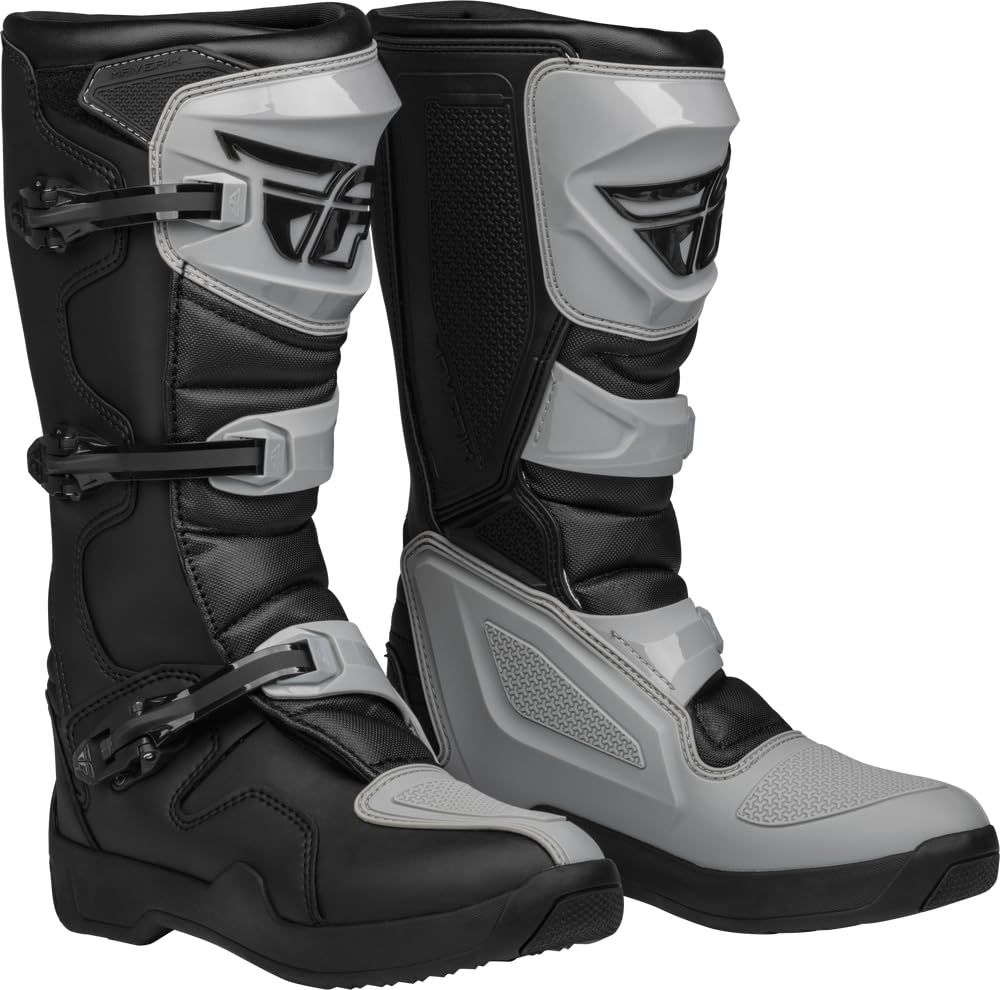


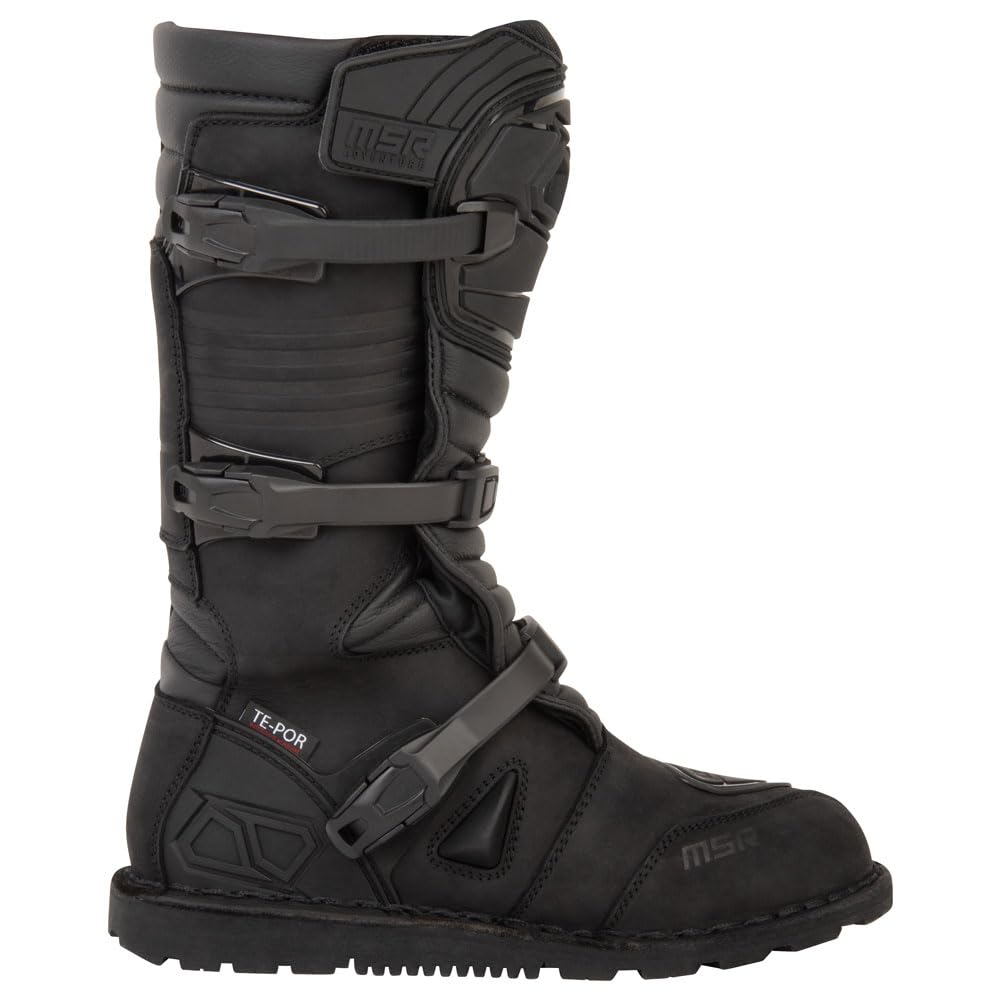
Who Should Buy Trail Riding Boots?
Trail riders face roots, ruts, creek crossings, and long seated stretches in a single day. Your choice should match the ground you ride most and how much walking your routes demand.
Riders Who Mix Dirt Roads and Singletrack Trails
You need a middle ground boot with real ankle support, a sole that grips both pegs and loose soil, and enough flex to shift smoothly. A very stiff race boot can feel clumsy on slow technical ground, while a soft boot may fold under a hard side impact.
New Trail Riders Who Need Strong Protection
If you are still building confidence off road, you will drop the bike more often and dab a foot down in awkward spots. Prioritize coverage over light weight. Choose tall boots with a firm toe box, a padded shin plate, and buckles that stay closed after a fall.
Riders Who Walk Steep or Rocky Sections
Some trails force you to push the bike, scout a line, or help a friend lift a rear wheel. If that sounds familiar, sole design and forward flex matter as much as armor. A boot with a defined heel and a hinge that lets the ankle bend will feel far safer on wet rocks than a flat, rigid sole.
Key Features to Compare
Use the product table above as a starting filter, then judge each model against the factors below. Together they decide safety, control, and comfort far more than color or styling.
Ankle and Shin Protection
Look for a structured ankle area, armor around the ankle bone, and a tall shaft with a firm shin plate. Many motorcycle boots carry a CE rating under the EN 13634 standard, and a higher level means stronger tested resistance to impact and crushing. If you have swelling that spreads fast, numbness, an open wound, or you cannot bear weight after a fall, get medical care promptly.
Sole Grip and Stiffness
The sole must do two opposite jobs. It should be stiff across the arch so your foot does not fold around the peg on long standing sections, yet grippy and flexible at the toe for walking. Lugged soles suit mud and loose climbs, while smoother soles slide more easily on the peg. A stitched sole can often be replaced.
Fit, Sizing, and Calf Room
Trail boots should feel snug at the heel and midfoot with room to wiggle your toes, because feet swell during a long ride. Calf room is the detail many riders miss. Wide calves, knee braces, and thick socks all take space inside the shaft, so check the range of the top strap. If you fall between sizes, the larger size with a thicker insole usually beats a tight boot.
Water Resistance and Ventilation
A waterproof membrane and a gusset behind the buckles help keep creek water and rain out, but no tall boot stays dry once water flows over the top. Riders in hot, dry regions may prefer vented uppers, since sealed membranes can feel warm. Spare dry socks solve the occasional deep crossing better than overheating on every summer ride.
Buckles, Straps, and Closure Fit
Most trail boots use three or four replaceable buckles plus a top strap. Metal buckle bases tend to survive rock strikes better than thin plastic bases, and every buckle should work with gloves on. A good closure pulls the boot evenly around your shin without a pressure point. Check that replacement buckles are sold for the model, because one broken buckle can retire a sound boot.
Materials, Weight, and Durability
Full grain leather molds to your foot and resists abrasion well, though it needs conditioning and weighs more when wet. Synthetic microfiber uppers are lighter and dry faster, but cheap versions can crack at flex points. Extra weight matters because you lift your feet hundreds of times a day. Many solid pairs sit under $500.
How to Check Fit and Compatibility Before You Order
Sit on your bike, or a similar one at a shop, while wearing the boots. Your toe should reach the shifter without forcing your ankle down hard, and the brake pedal should be easy to find by feel alone. Boots that feel fine in a store can feel very different at peg height for an hour.
Check the gear you wear with the boots as well. Pants that go over the boot need a slim shaft, while pants that tuck in need extra calf room. Knee guards add bulk at the top of the shaft, so confirm the top strap still closes with your full kit on.
One scope note matters before you order. This guide covers boots you wear on a motorcycle, the same family covered in our guide to the best boots for dirt bike trail riding. Wording sounds similar across sports, so confirm you are shopping in the motorcycle category, not equestrian or winter gear.
Sorting Out Similar Boot Searches
Search terms for trail boots overlap across very different activities, and mixing them up wastes money. If you ride horses rather than bikes, see our guide to the best horse boots for trail riding, which covers boots worn by the horse itself. Barefoot hoof protection is separate again, explained in our guide to the best hoof boots for trail riding.
Cold weather machine riders face different demands, mostly deep insulation and a sole built for running boards rather than pegs. If your trails are snow covered, see our guide to the best snowmobile boots for trail riding instead.
Quick Buyer Checklist
No single pair of best boots for trail riding suits every rider, so use your answers below to narrow the product table above to two or three real candidates.
- Does the boot cover most of your shin and support the ankle on both sides?
- Can you wiggle your toes while your heel stays firmly in place?
- Does the top strap close over your calves, socks, and knee guards together?
- Does the sole grip wet soil while still feeling stable on the pegs?
- Can you work every buckle and strap while wearing your riding gloves?
- Is the level of water resistance right for your climate and creek depth?
- Are replacement buckles, straps, and insoles available for this model?
- Does the weight feel manageable when you lift each foot repeatedly?
Red Flags to Watch For
- The listing hides its safety rating or uses vague words like heavy duty armor with no standard named, so you cannot judge real protection.
- The sole is smooth and soft like a hiking shoe, so your foot folds around the peg and slides in mud.
- Buckles are fixed in place with no replacement parts sold, so one trail fall can end the boot for good.
- Sizing advice is missing or the size chart lacks calf measurements, so fit becomes a costly guess.
- The price sits far below similar boots with no clear reason, which often points to thin materials and weak stitching.
Boots for Specific Needs
Best Motocross Boots for Trail Riding
best motocross boots for trail riding is the search many riders start with, and those boots can work well on trails with a few trade offs. Race boots offer the strongest ankle structure, the firmest toe box, and excellent shin coverage. Their stiff soles and limited walking flex, though, can tire your feet on slow trails. Choose them if protection matters most.
Boots for Wet Trails and Long Walking Sections
If your routes cross water often, pick a taller boot with a sealed membrane, a gusset that blocks splashes, and a sole with deep lugs that shed mud. Riders who hike beside the bike should also want a defined heel. If you lean toward race models, compare options in our guide to the best mx boots for trail riding.
Common Mistakes to Avoid
- Buying your street shoe size without checking calf fit, so the top strap will not close over your riding socks.
- Choosing the stiffest boot you can find for slow trails, so shifting and walking become tiring and clumsy.
- Wearing thin cotton socks on a long ride, so sweat stays against your skin and blisters form by midday.
- Skipping a short break in period at home, so stiff new boots cause sore ankles on your first full trail day.
- Judging grip on dry showroom floors only, so you miss how poorly a smooth sole holds on wet roots and mud.
Care and Maintenance Tips for Trail Riding Boots
Rinse mud off with plain water and a soft brush after each ride, paying attention to buckle pivots and the area where the sole meets the upper. Mud left in the buckles grinds the moving parts. Open every buckle, pull the insoles out, and stuff the boots loosely with newspaper while they dry.
Always dry boots at room temperature away from heaters and direct sun, because strong heat stiffens leather and can warp synthetic panels. Condition leather uppers once clean and dry, working a small amount into flex areas. Check buckle screws, strap teeth, and sole stitching every few rides, and replace worn insoles when cushioning feels flat.
Boots for Trail Riding: Your Questions Answered
What features matter most in boots for trail riding?
Ankle support, sole grip, and calf fit matter most in boots for trail riding. Start with those three, then judge water resistance and weight for your climate. One detail many riders overlook is the inner side panel, which grips the bike without snagging and protects the boot from exhaust heat in slow sections.
How should boots for trail riding fit around the calf?
Boots for trail riding should close around the calf with even pressure and no gap wide enough to catch a branch. Wear your thickest socks and any knee guards when you test the fit, since both change the measurement. If the top strap reaches only its last notch, try a wider shaft style.
How long do boots for trail riding usually last?
Boots for trail riding usually last several seasons of weekend use before the sole or buckles wear out. Life depends mostly on how often you walk in them, since miles on foot grind lugs faster than peg time. A warning sign is a heel that rolls outward on flat ground, which changes your stance on the pegs.
Do boots for trail riding need to be waterproof?
No, boots for trail riding do not need to be waterproof for every rider. Dry region riders often stay more comfortable in breathable boots and accept wet feet during a rare crossing. If you choose a membrane model, note that membranes slow drying once water gets inside, so tip the boots upside down overnight.
Are motocross boots too stiff for trail riding on a dirt bike?
Motocross boots are not too stiff for every trail rider, but they suit flowing trails better than slow, rocky ones. Their strong hinge limits ankle bend, which protects you in a fall yet makes precise brake feel harder. Walk up a steep slope in them before a big trip to test the flex.
How do I clean boots for trail riding after a muddy ride?
Clean boots for trail riding the same day, before mud hardens into the stitching and buckle pivots. Knock clumps off outdoors, wash with lukewarm water and mild soap, and rinse until the water runs clear. Avoid pressure washers at close range, because a hard jet can force grit under buckle bases.
Final Thoughts
The right trail boot protects your ankle, grips when the ground turns loose, and fits your calf, socks, and guards without a fight. Use the checklist above to weigh protection, sole design, and fit for your routes, then return to the product table above to compare models that meet your answers. Chosen with care, best boots for trail riding gear fades into the background, leaving you free to watch the trail ahead.


