
Best Boots for Trail Riding Horses: Types Compared and How to Choose
Disclosure: We may earn a commission when you buy through links on this page, at no extra cost to you. As an Amazon Associate I earn from qualifying purchases. Learn more

Compare Western, paddock and tall field boots for trail riding horses, with guidance on heel safety, sole grip, calf fit and weather protection.
Hours in the saddle on a trail ask more of a rider's footwear than an arena lesson does. You mount from uneven ground, walk the horse down steep banks, and sometimes step into mud or creek water. The best boots for trail riding horses keep your heel safely in the stirrup, protect your ankles, and stay comfortable when you are on foot, and the product table below lets you compare the main styles.
This guide is about the boots you wear as the rider, not protective boots for the horse. It explains the main boot types, the features that matter on a trail, and the checks that save you from a bad fit.


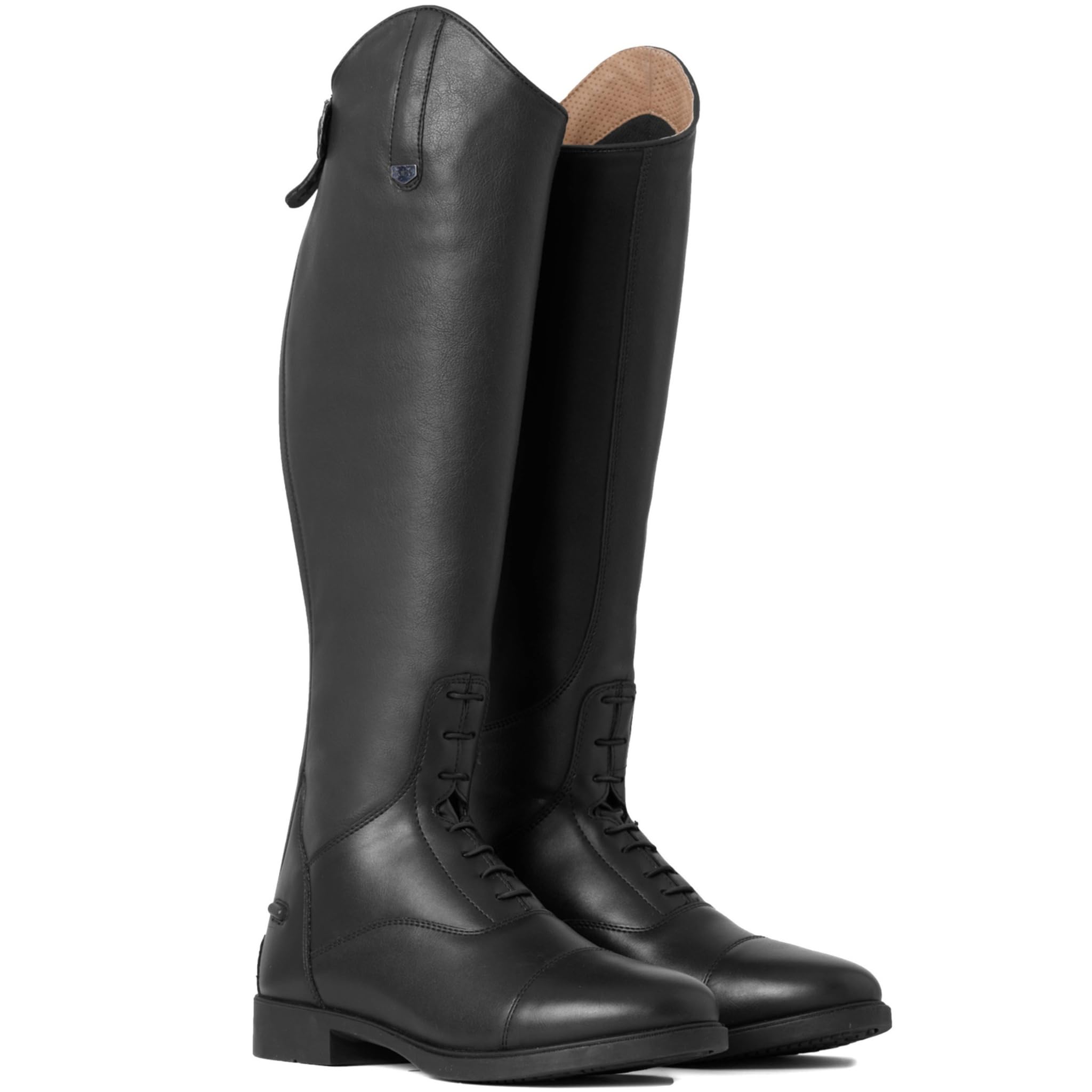

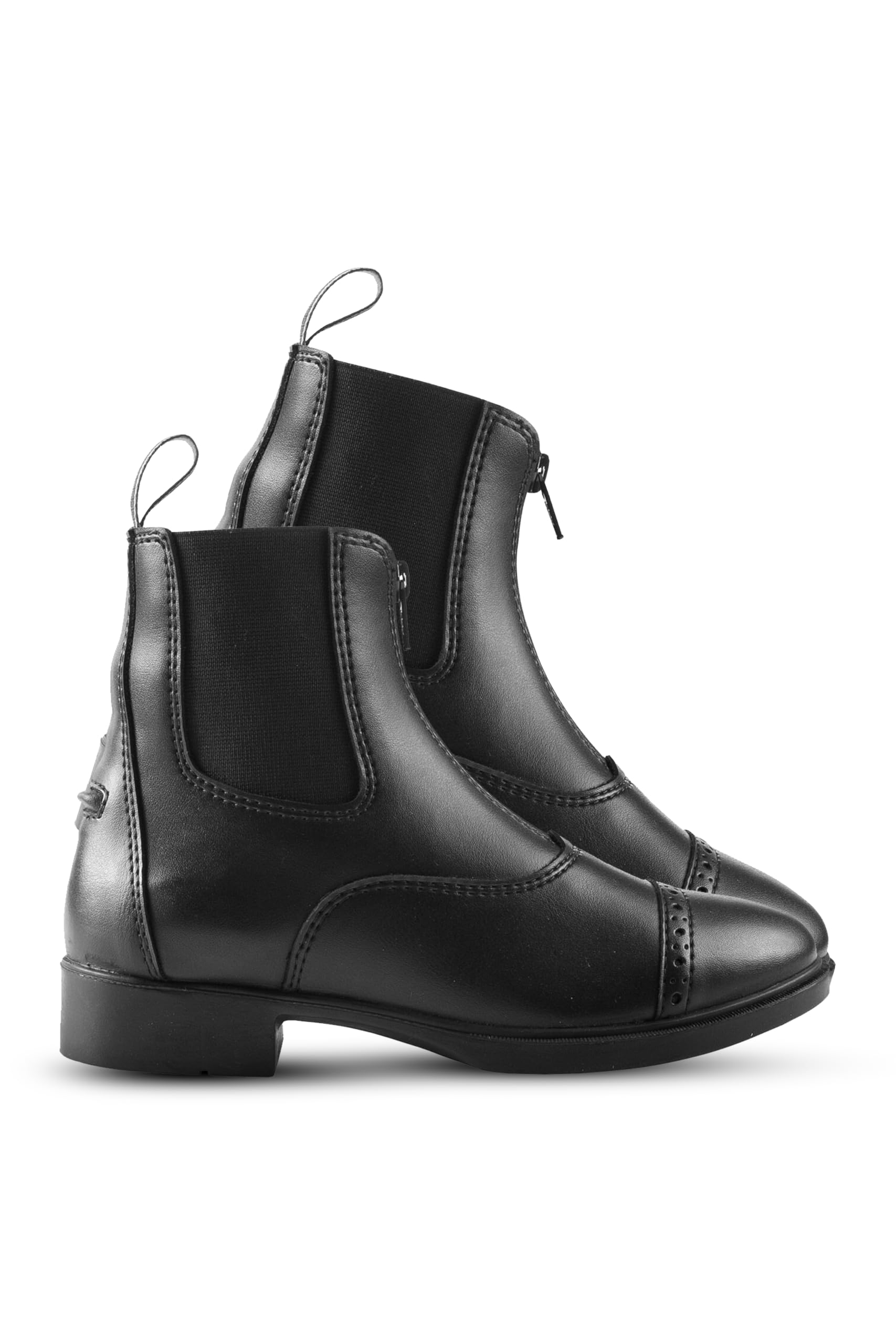

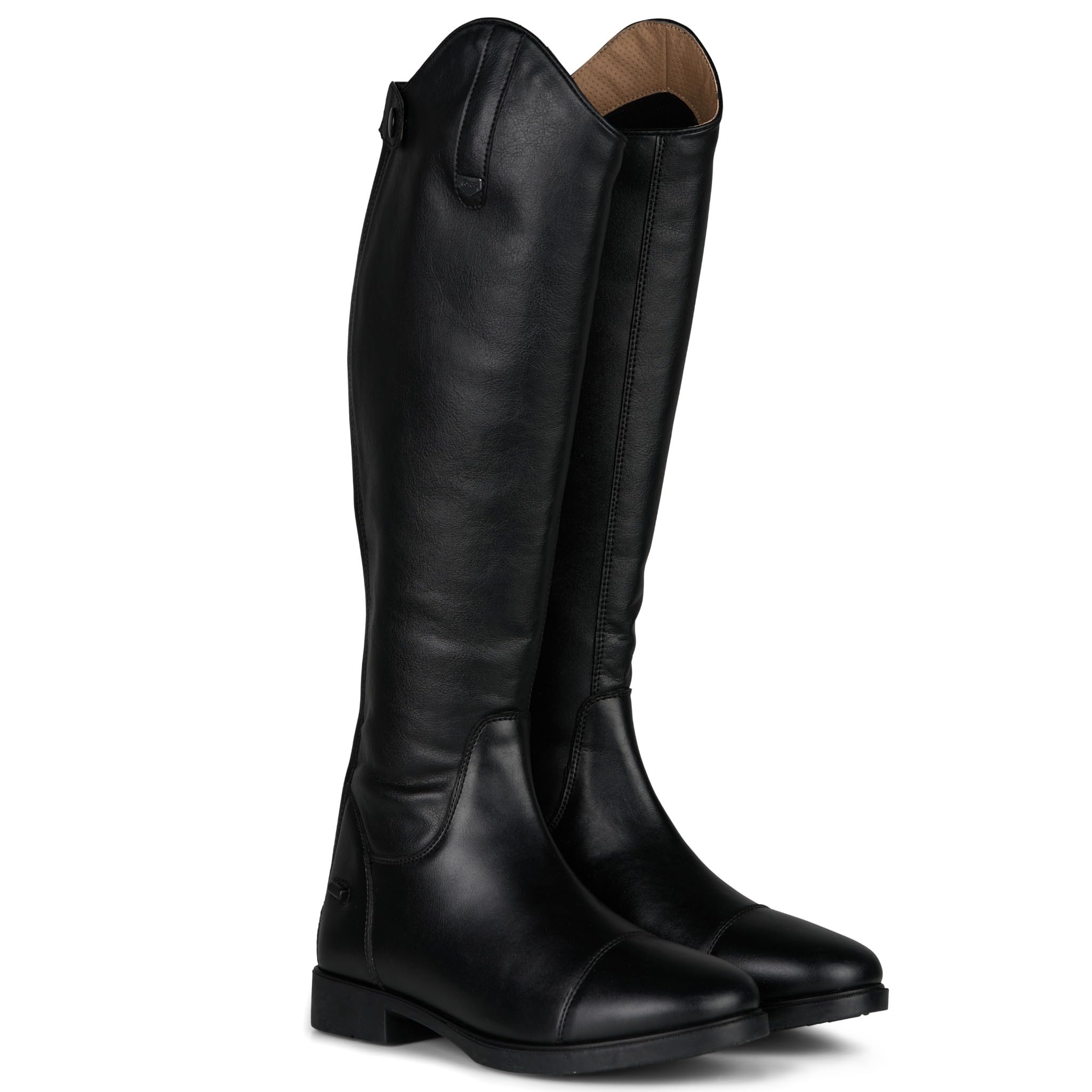
Types of Riding Boots Compared
Trail riders usually choose between three families, and each trades polish, grip, and ease of walking differently. Match the type to your saddle, your terrain, and how much walking you do beside the horse.
| Type | Best For | Pros | Cons | Typical Price |
|---|---|---|---|---|
| Western riding boots | Western saddles and mixed trails | Defined heel, easy slip on, classic ankle support | Stiff until broken in, slick leather soles on some pairs | about $150 to $260 |
| Paddock boots | Short rides and rider comfort on foot | Light, easy to walk in, pair with half chaps | Less leg coverage, brush can scratch the calf | about $60 to $150 |
| Tall field boots | English saddles and long, clean lines | Full leg coverage and a secure feel in the stirrup | Sizing is demanding and break in takes time | about $120 to $280 |
Western Riding Boots
Western boots have a raised, angled heel that stops your foot from sliding through the stirrup, and a smooth shaft that slides easily over jeans. That makes them a natural pick for long trail days in a Western saddle. Look for a heel of about 1.5 inches, a rubber or composite outsole for walking, and a shaft that covers the ankle. Fancy stitching adds cost without adding support, so spend on fit and sole instead. For a closer look at this style, see our guide to the best western boots for riding horses.
Paddock Boots
Paddock boots are ankle height lace up or zip boots, often worn with half chaps. They weigh less than tall boots and feel natural when you hop off to open a gate or lead the horse over a steep spot. The trade off is coverage: brush and wet grass touch your lower leg more, so many riders add half chaps. These boots suit relaxed rides and riders who walk a lot.
Tall Field Boots
Tall field boots reach below the knee and give a snug, secure feel that many English riders prefer. They shed brush and light rain better than short boots, and they protect the calf from stirrup leathers. They also need accurate sizing in calf height and circumference, and they take longer to break in. For a wider view of this category, see our guide to the best horse riding boots.
Western Boots vs Paddock Boots: Which Should You Choose?
Choose Western boots when you ride in a Western saddle, when trails are rocky or brushy, and when you want ankle and shin coverage without extra gear. Choose paddock boots when your rides are shorter, when the weather is warm, or when you want something you can walk in comfortably all day. Many riders keep both: paddock boots for quick rides and Western boots for full trail days.
Tall field boots sit in between. They give the most coverage and the sleekest feel, but they ask for the most careful fit and the most care.
How to Choose the Right Boot
Heel Height and Stirrup Safety
A riding heel is a safety feature, not a style choice. It should be clearly defined, about 1 to 2 inches high, so your foot cannot slip forward through the stirrup. Flat soled hiking boots and sneakers are the classic cause of a foot sliding through, which is why trail riders avoid them for the saddle. Check that the heel is firmly attached and that the sole is not too wide for your stirrup, because a bulky welt can wedge in the iron.
Sole Grip and Walking Comfort
Trail rides mean dismounting on mud, wet rock, and sloped ground. A rubber outsole with shallow, wide lugs grips damp soil without packing mud or catching on the stirrup. Smooth leather soles look classic but slip on wet ground, so save them for the arena. A flexible forefoot and a cushioned insole make a real difference on rides that include long stretches on foot.
Fit, Sizing, and Toe Box
Try boots in the afternoon, wearing the socks you ride in, because feet swell during long rides. Your toes should lie flat with a thumb width of space in front of the longest toe, and the heel should stay put when you walk. A boot that pinches over the instep or crowds the toes will hurt after an hour in the stirrups. If you fall between sizes, choose the larger size and add a thin insole for a snug heel.
Shaft Height and Calf Fit
Taller shafts protect more of the leg but need a close match to your calf. Measure your calf at its widest point while seated with the knee bent, and compare it with the maker's shaft circumference. Pull on boots with a full length zip or elastic gusset are easier to put on at the trailhead, while lace up styles let you adjust the fit across the instep. Read the size chart rather than assuming your street size will carry over.
Waterproofing and Breathability
A waterproof membrane keeps creek crossings and wet grass from soaking your socks, but it holds heat in summer. Treated full grain leather sheds light rain and breathes better. If you ride in hot weather, a ventilated or lightly lined boot feels cooler. Decide by your wettest regular ride, not your wettest possible one, and carry a spare pair of socks in the saddlebag.
Materials and Durability
Full grain leather molds to the foot and lasts for years with care. Synthetic uppers weigh less and dry quickly, but they can crack where the boot flexes. Check the stitching around the heel and where the sole meets the upper, because trail use stresses both. A resoleable boot costs more up front but can serve for many seasons.
Common Mistakes to Avoid
- Riding in flat soled hiking boots, so a foot can slide through the stirrup.
- Choosing a heavy lug sole, so the boot catches in the iron or packs with mud.
- Buying tall boots without measuring the calf, so the shaft pinches or sags.
- Wearing new stiff boots on the first long ride, so blisters end the day early.
- Picking smooth leather soles for wet trails, so walking on slopes turns slippery.
Care and Maintenance
Brush off mud and dust after each ride, and wipe sweat and salt from the leather before they dry into it. Let wet boots dry slowly at room temperature, away from heaters, with the insoles pulled out and the laces loosened. Heat can crack leather and weaken the glue that holds the sole.
Condition leather every few months with a product made for boots, and renew any waterproofing treatment when water stops beading. Check heels and stitching regularly, and replace worn heels before they change how your foot sits in the stirrup. Store boots upright in a cool, dry place so the shafts keep their shape.
Horses need protective gear too, and hoof and leg boots for the horse are a separate purchase. If you want to cover that side, see our guide to the best horse leg boots for trail riding.
Frequently Asked Questions
What features matter most in boots for trail riding horses?
A defined heel, a grippy but shallow outsole, and a comfortable fit matter most. The heel keeps your foot safely in the stirrup, and the outsole lets you walk on slopes when you dismount. Ankle support and weather protection come next, depending on your terrain and climate.
Can I wear hiking boots for trail riding horses?
Hiking boots are a poor match for the saddle because most have a flat sole with no defined heel and deep lugs. A foot can slide through the stirrup or catch in the iron. If you must wear them for a short ride, use stirrups with a wide safety design, and plan on proper riding boots for regular trail days.
Should trail riding boots be waterproof?
Waterproof boots help if your rides include creek crossings, morning dew, or wet climates. They run warmer, so riders in hot regions often prefer treated leather that breathes better. Either way, carry dry socks and let boots dry fully between rides.
How should riding boots fit for trail riding?
Riding boots should feel snug at the heel and instep, with room for your toes to lie flat. The shaft should close without pinching your calf, and the heel should stay seated as you walk. Wear your riding socks when you try them on, and walk on a slope if you can, to check that your toes do not hit the front.
How long is the break in period for riding boots?
Most leather riding boots need about one to two weeks of regular wear. Start with short walks and a short ride, then build up to a full trail day. Tall field boots and stiff Western boots take the longest, while paddock boots usually feel ready within a few days.
How often should riding boots be replaced?
Replace riding boots when the heel wears down or leans, the sole separates, or the leather cracks where the boot flexes. With regular care, a good pair can last for many seasons. Worn heels are the most important warning sign, because they change how your foot sits in the stirrup.
Our Verdict
Start with the saddle you ride, then choose a heel that holds your foot safely, a sole that grips on foot, and a fit that stays comfortable through a long day. Western boots suit most trail riders, paddock boots suit shorter rides, and tall field boots suit riders who value coverage and polish. Use the product table above to compare styles before you decide.
When you judge the best boots for trail riding horses by heel safety first and comfort second, the right pair is easy to spot. Break it in on short rides, care for the leather, and it will carry you through many seasons on the trail.


