Best Boots for Intermediate Skiers: Our 2026 Checklist and Buying Guide
Disclosure: We may earn a commission when you buy through links on this page, at no extra cost to you. As an Amazon Associate I earn from qualifying purchases. Learn more

Flex, last width and liner explained: the best boots for intermediate skiers, with a shop fit checklist.
You no longer need rental boots that fit everyone in general and no one in particular, but you also do not need a stiff race shell. The best boots for intermediate skiers sit between those extremes, giving you control on groomed runs without punishing your shins and feet all day. This checklist shows you how to judge that balance, starting with the comparison table below.
Your stage matters more than any single spec. As an intermediate, you are linking turns with confidence, skiing parallel on most blue runs, and testing steeper ground in good snow. Your boots should support that progress for several seasons and stay comfortable all day.


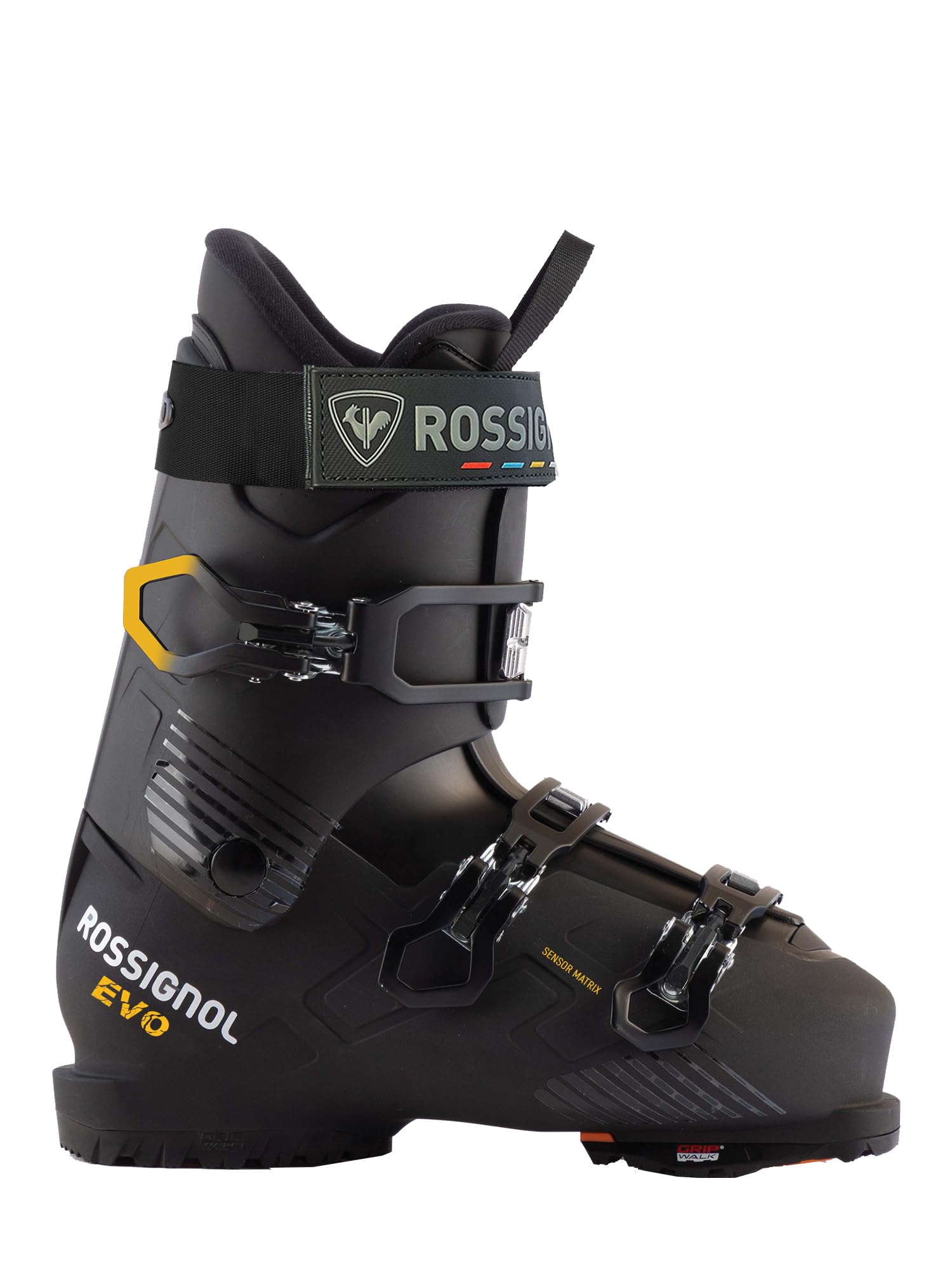


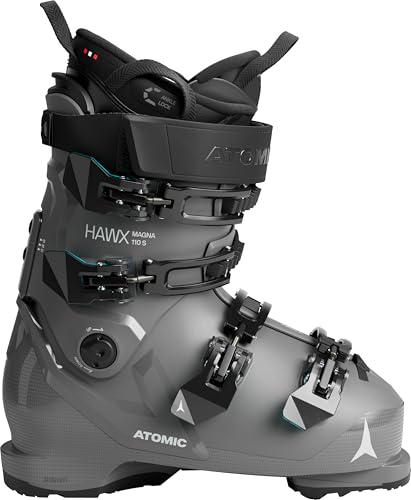

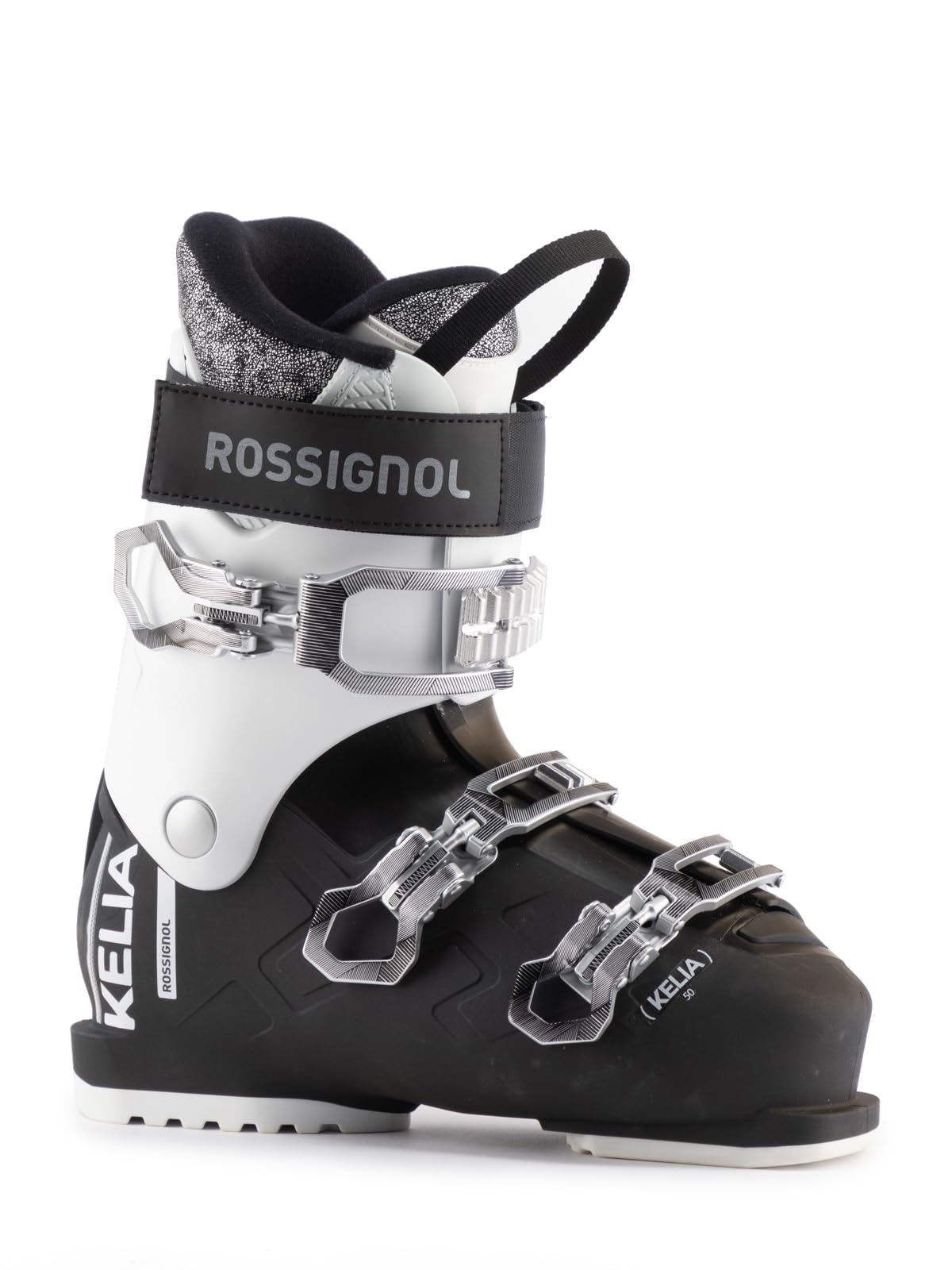
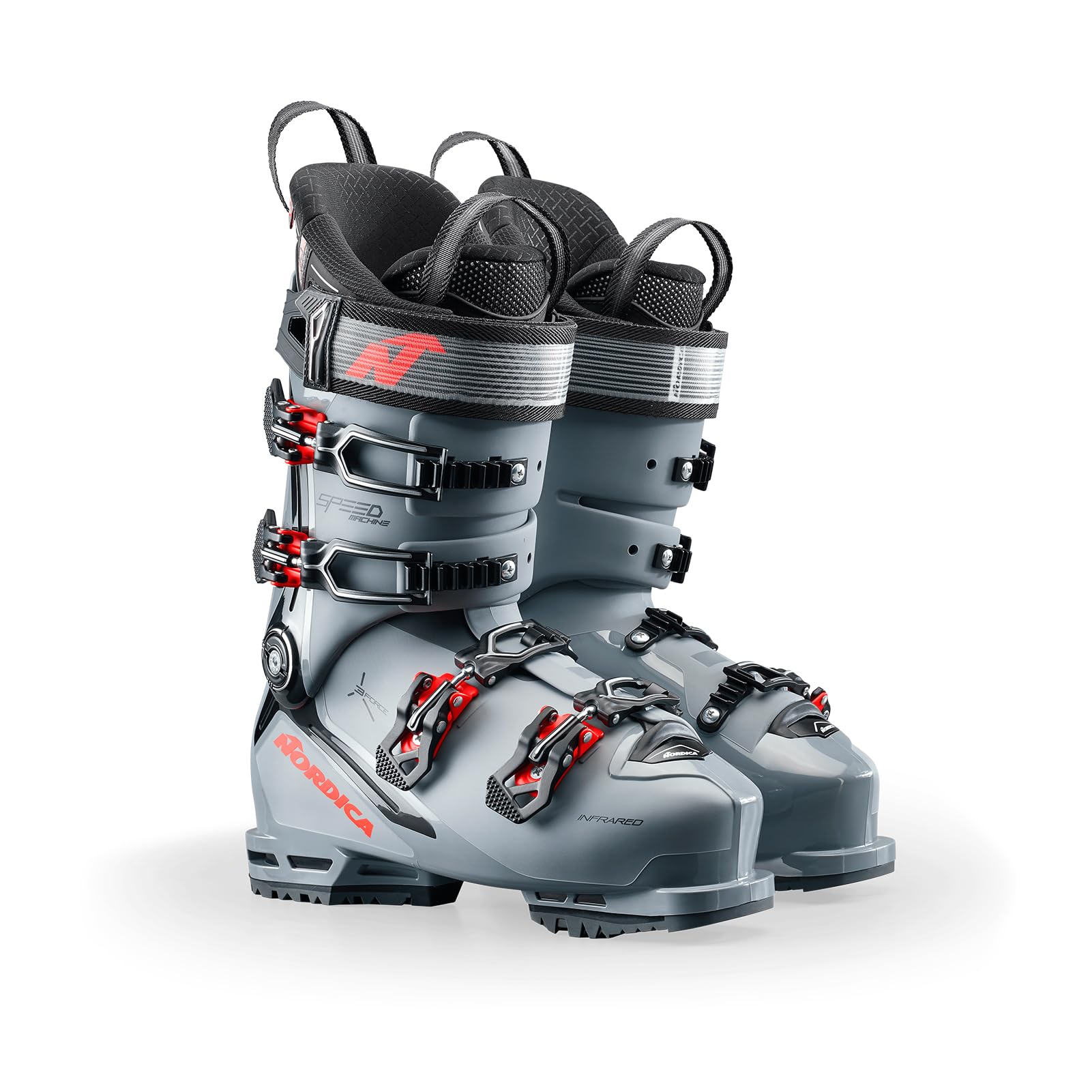
Who Should Buy Which Ski Boots as an Intermediate?
Start with the skiing you actually do, then match the shell to it. Fit also differs by foot shape and by the last a maker builds for each model, so compare our guide to the best women's ski boots for intermediate skiers and our guide to the best men's ski boots for intermediate skiers alongside the points below.
Skiers Moving From Rental Boots to a First Owned Pair
You have finished with rental queues and boots that changed shape every trip. Your own pair should feel more precise than a rental, with a liner that holds your heel and a flex you can bend without effort. Choose comfort with control, not the softest shell in the shop, because a boot that folds under pressure will hold back your turns.
Skiers Settling on Blue Runs and Starting Black Runs
You ski parallel most of the day and want clean carved turns, plus the nerve to try steeper pitches and small bumps. You need a firmer flex than a cautious improver, firm ankle hold, and a shell that answers small edge changes at once.
Skiers Who Ski Full Days and Value Comfort Over Race Stiffness
You may take lessons, ski with family, and stay out through changing snow, so pressure points cost you runs. Look for a roomier toe area, a padded liner, and a flex that lets you stand relaxed on flat traverses. Never trade away heel hold for a soft, loose feel.
Key Features to Compare
When you shop for the best boots for intermediate skiers, judge flex first, then shell fit, liner, closure and binding fit, in that order. A boot can feel plush in the shop and still fail on snow if the first two are wrong.
Flex Rating That Matches Your Progress
Flex is a maker rating for how hard a shell resists forward bending, and most intermediate skiers do well at about 80 to 110. Lighter skiers and cautious improvers usually belong near 80 to 90, while heavier, taller or faster skiers often need 100 to 110 for support in chopped snow. Ratings are not standard across brands, so compare flex within one brand first. If you already ski black runs most days, see our guide to the best ski boots for intermediate to advanced skiers before you settle.
Last Width and Shell Fit
The last is the internal width of the shell at the forefoot, and common choices run from about 97 to 104 mm in a reference size of 26.5. Narrow feet swim in a wide last and roll inside the boot, while wide feet crushed in a narrow last go numb. Have both feet measured while standing, then try the shell without the liner to check length. If width is your main problem, see our guide to the best ski boots for wide feet intermediate skiers.
Liner Comfort and Heat Molding
The liner cushions your foot, holds your heel and insulates the plastic shell, so its quality shapes both comfort and control. Basic liners pack out sooner and can feel thin around the shin, while better liners use firmer foam that a bootfitter can heat mold to your ankle and calf shape. A molded liner cannot rescue a shell in the wrong size, but it can remove small hot spots.
Buckles, Power Strap and Ankle Hold
Most alpine boots at this level use four buckles plus a power strap at the top of the cuff, and that layout lets you set the foot and the shin separately. Buckles should close on a middle setting with firm hand pressure, not forced onto the last tooth. The strap should snug the cuff to your leg so the shell moves when your shin moves. Good ankle hold stops heel lift, which protects your balance.
Walk Mode, Soles and Binding Compatibility
A walk mode frees the cuff to tilt back, which makes parking lots, stairs and lodge floors far easier, and rubber tread adds grip on ice. Soles matter for safety as well, because your bindings must match the sole standard of the boot to release as designed. Check that the boot and your bindings share a standard, such as alpine or GripWalk, and ask the shop to confirm the pairing. Never assume a touring sole belongs in an alpine binding.
How Intermediate Ski Boot Fit Should Be Checked in the Shop
Bring your own ski socks and shop later in the day when your feet are at their largest. For a focused look at boots built for this level, see our guide to the best ski boots for intermediate skiers, then use these checks before you decide.
- Do your toes touch the front lightly while you stand straight, then pull clear of the front when you flex forward?
- Does your heel stay down and still when you bend your knees and shift from edge to edge?
- Can you wiggle your toes without your forefoot sliding side to side inside the shell?
- Do all four buckles close on a middle setting without pain across the top of your foot?
- Can you flex the shell forward with steady pressure, without your shin hitting a hard wall at once?
- Does the shop confirm that your boot soles and your bindings share the same standard?
Allow at least half an hour in a shortlisted pair, and walk, flex and stand in them. Snug pressure is normal in a new liner, while sharp pain, numb toes or a heel that lifts freely are reasons to change size or model.
Common Mistakes to Avoid
- Buying ski boots in your shoe size without a Mondo measurement leaves you in a shell often a full size too long.
- Choosing flex by ambition alone puts you in a shell you cannot bend, so your weight drifts back on steep runs.
- Wearing thick socks or two pairs fills the liner, cuts circulation and makes your feet colder.
- Judging fit in the first two minutes misses pressure that grows once the liner warms.
- Ignoring sole and binding standards risks a pairing that will not release as intended.
- Picking a wide last to cure one sore spot lets your heel lift and your turns lose precision.
Care and Maintenance for Ski Boots
After each day, pull the liners partway out or open every buckle so damp air can escape, and let the boots dry at room temperature away from heaters. Heat can warp a molded liner and age shell plastic. Wipe snow and road salt from the soles, and check the toe and heel lugs for wear, because worn lugs change how the boot sits in the binding.
For storage, close the buckles lightly on a middle setting so the shell keeps its shape, and keep the boots in a cool, dry place out of strong sun. Once a season, have a shop check buckle screws and sole condition, and ask them to test the binding release with your boots.
FAQ
What flex should intermediate skiers choose in ski boots?
Most intermediate skiers should choose a flex of about 80 to 110, matched to weight, height and speed. One point the rating hides is leverage: a tall skier bends a shell more easily than a short skier of the same weight. Between two ratings, pick the softer one for bumps and the firmer one for fast groomed runs.
How tight should ski boots for intermediate skiers feel at first?
Ski boots for intermediate skiers should feel snug everywhere, firm at the heel and free of sharp pain. A useful new test is your toenails: pressure that leaves a nail sore after twenty minutes points to a shell that is too short or too low over the toes. Wear the boots at home before a trip so any problem shows up while returns are still easy.
How long do ski boots for intermediate skiers take to break in?
Ski boots for intermediate skiers usually take about five to ten days of skiing to break in fully. The liner foam compresses where your ankle and forefoot press hardest, so the fit relaxes in those places first. Keep a short note of where pressure appears each day, because that record helps a bootfitter punch the exact spot instead of loosening the whole shell.
Do intermediate ski boots need a walk mode?
No, intermediate ski boots do not need a walk mode, but many skiers enjoy having one. It helps most if you walk far from the car or climb crowded lodge stairs. Note that a walk mode adds a moving part in the cuff, so check the lever locks fully before each run and rinse grit from the mechanism after spring skiing.
Are higher priced ski boots worth it for intermediate skiers?
Higher priced ski boots can be worth it for intermediate skiers if the extra cost buys a better liner and a shell a bootfitter can adjust. Boots at about $300 to $550 cover most skiers at this level well. Spend first on correct size and flex, because a costly boot in the wrong last is still the wrong boot.
Final Thoughts
Judge every candidate by the same order: flex you can bend, a shell that holds your heel, a liner that can be molded, and soles that match your bindings. Comfort matters, but only after control is secure. Compare your shortlist against the product table above, then take the final pair to a bootfitter for small adjustments.
Chosen that way, the best boots for intermediate skiers stop being rental luck and become the steady base your turns are built on. Buy for the skier you are this season, with a little room in flex for next season.