
Best Beginner Intermediate Ski Boots for 2026: Every Type Explained Side by Side
Disclosure: We may earn a commission when you buy through links on this page, at no extra cost to you. As an Amazon Associate I earn from qualifying purchases. Learn more

The best beginner intermediate ski boots balance forgiving flex with support. Compare boot types, fit and sizing to choose a pair you can progress in.
Choosing boots is confusing because the labels sound alike while the feel on snow is quite different. When you shop for best beginner intermediate ski boots, you are really choosing how much support you need now and how much room you want to grow into over the next few seasons.
This guide compares boot types side by side and explains the fit and flex choices that matter at your stage. Use the comparison table below to see how the types differ before you read the details.
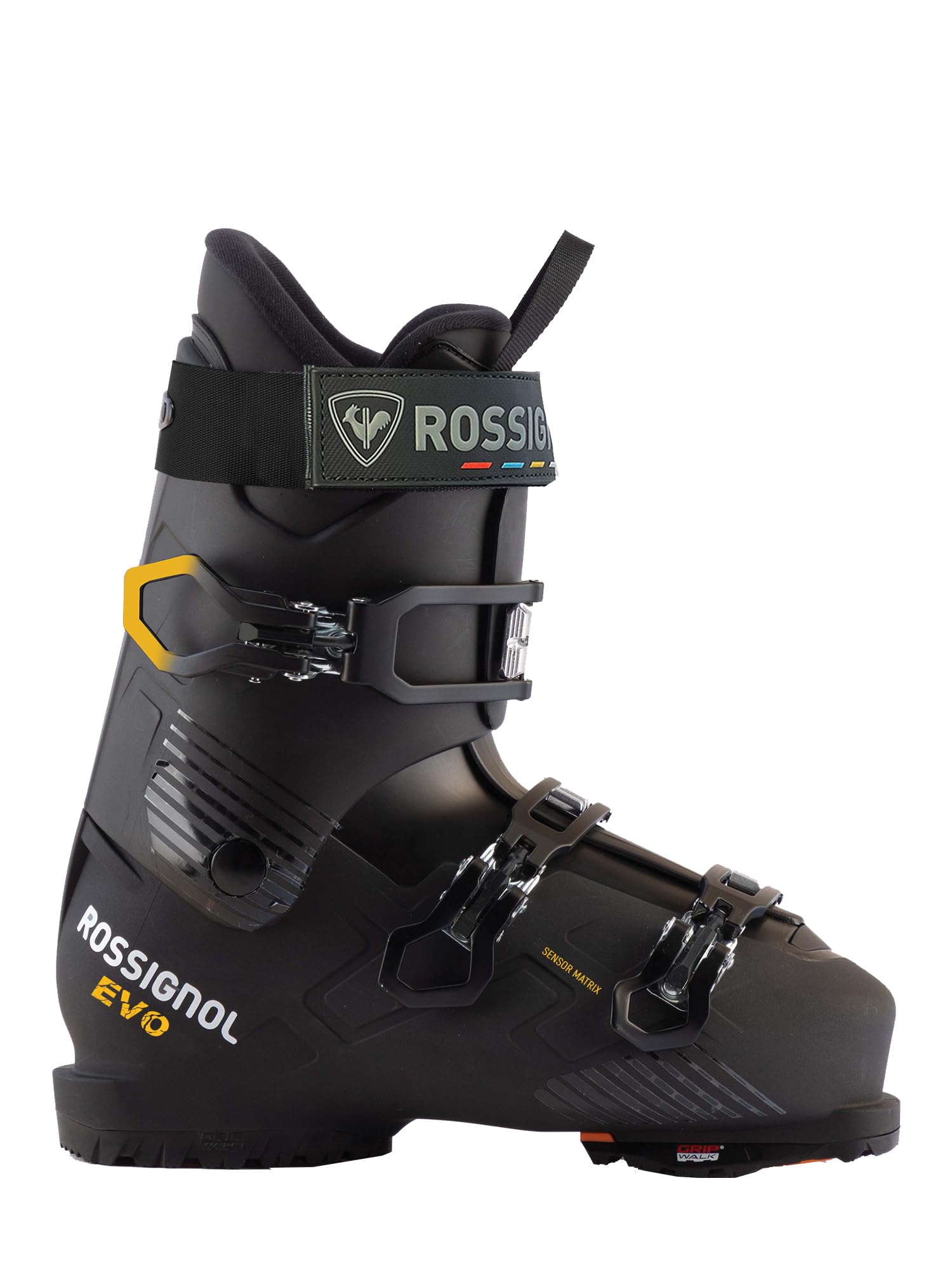

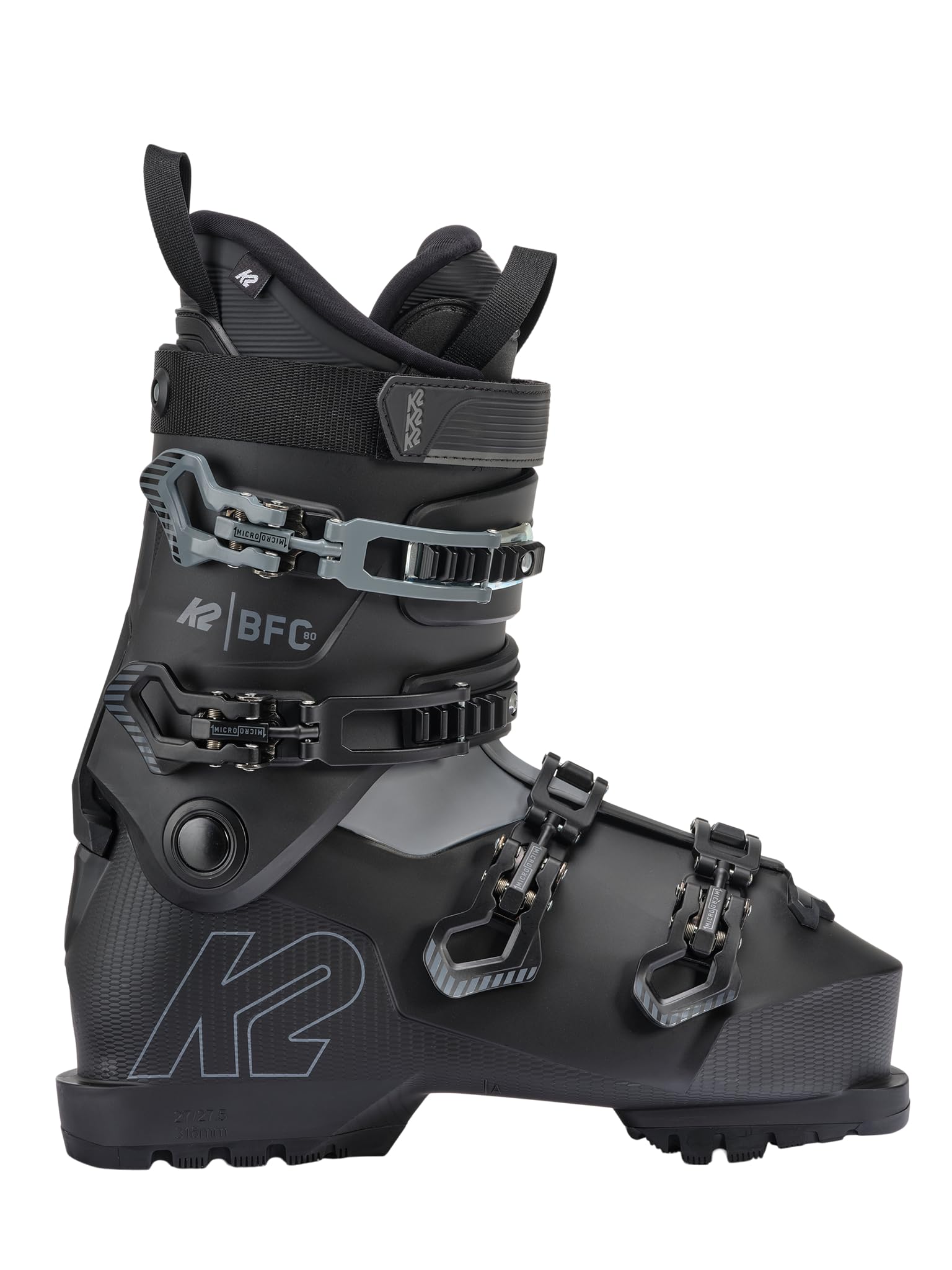


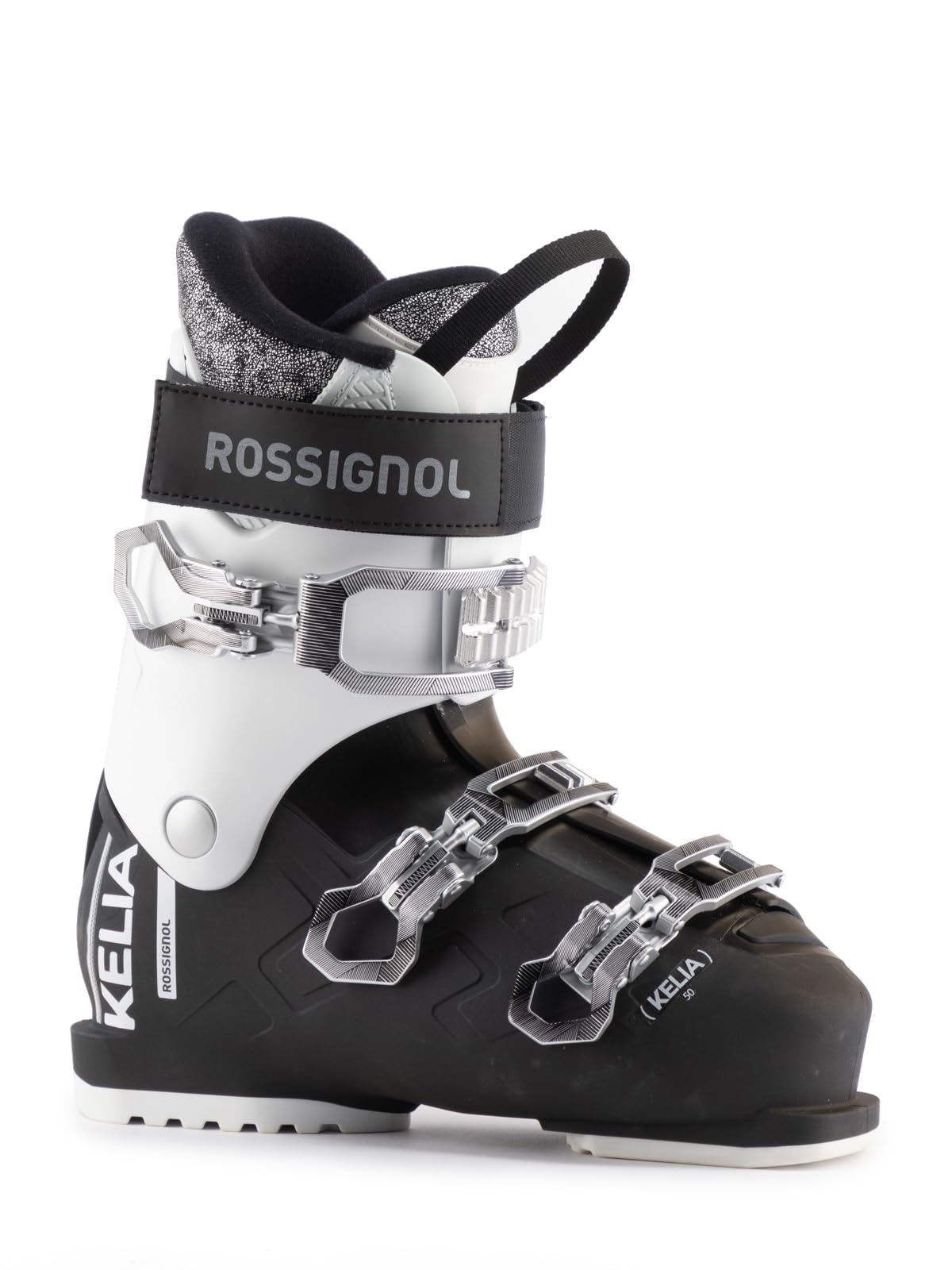
Ski Boot Types Compared for Learners and Progressing Skiers
Boot types differ mainly in flex, fit volume and how directly they pass your movements to the ski. Softer and roomier types forgive small balance errors. Firmer types reward cleaner technique with sharper control.
Forgiving Beginner Boots vs Firmer Intermediate Boots
Beginner boots use a soft flex, often around 60 to 80, and a roomy fit that stays comfortable during long first days. Intermediate boots, often around 80 to 100 in flex, add support for faster speeds and firmer snow. If you are still learning basic turns, see our guide to the best ski boots for beginners for the softer end of this range.
Intermediate Boots vs Advanced Performance Boots
Advanced boots are stiffer again, often around 110 to 130 in flex, with a closer fit built for precise input at speed. Intermediate boots trade a little sharp response for comfort, warmth and forgiveness. Skiers who already carve clean turns on steep groomed runs can compare the next step in our guide to the best ski boots for intermediate advanced options.
Adult Beginner Intermediate Boots vs Kids and Youth Boots
Youth boots are shorter, lighter and much softer, shaped for smaller feet, lower body weight and shorter legs. An adult in a youth boot gets too little support, and the cuff sits too low for proper leverage. Adult boots use adult lasts, taller cuffs and flex matched to adult weight. Teenagers with adult weight and shoe sizes usually belong in a soft adult boot, fitted by Mondopoint size rather than by age.
Who Should Choose Beginner Intermediate Ski Boots
This category suits skiers who are past the rental stage or about to leave it, and who want one boot to learn in and progress in.
New Skiers Buying a First Pair of Boots
If you have taken lessons, can stop and turn on easy groomed runs and plan to ski several days each season, a soft boot in this range beats another year of rentals. You get a consistent fit and buckles you can adjust to your own feet. Choose the softer end of the range and a comfort fit while your technique is still forming.
Progressing Skiers Moving Beyond Rentals
Skiers who link turns on blue runs and are starting steeper groomed terrain need more support than a rental boot gives. A mid range flex holds the ankle and shin more securely as speed rises, without demanding perfect form. If this sounds like your stage, see our guide to the best intermediate ski boots for the firmer half of this category.
Returning Skiers Who Ski a Few Weeks Each Year
Adults coming back after years away often have solid balance but rusty technique and feet that dislike tight boots. This category offers modern liners, easier entry and moderate support, often about $200 to $400. Women returning on the softer end can also compare shapes in our guide to the best women's ski boots for beginners, since calf shape and cuff height differ in those designs.
Key Features to Compare
Six factors decide whether a boot in this category feels supportive or painful by midday. When you compare the best beginner intermediate ski boots on these points, flex and fit matter far more than color or small extras.
Flex Rating and Forgiveness
Flex describes how hard the shell resists forward bending at the ankle. Lower numbers feel soft and forgiving, while higher numbers feel firm and direct. Most skiers at this level do well around 70 to 100, with lighter skiers toward the low end and heavier or faster skiers toward the high end. A boot that is too stiff pushes your weight back, while one that is too soft folds on firm snow.
Last Width and Overall Fit Volume
The last is the internal shape of the boot, and its width is usually given in millimeters at the forefoot. Wide comfort lasts sit around 102 to 106 mm, medium lasts around 100 mm and narrow lasts around 97 to 98 mm. A good fit feels snug and even, with toes brushing the front when you stand tall and pulling clear when you flex forward.
Mondopoint Sizing and Liner Fit
Ski boots are sized in Mondopoint, which is your foot length in centimeters from heel to longest toe. Toes should touch the front lightly at first, because the liner packs down a little during the first days of use. Liners range from basic padded designs to heat moldable designs a shop can shape to your foot.
Buckles, Power Strap and Closure
Most boots here use four buckles plus a wide strap at the top of the cuff, while some comfort designs use three buckles for easier handling. Buckles let you set different tension at the toes, the instep and the shin, which holds the heel down without crushing the forefoot. A lifting heel is a fit problem to solve with settings or a fitter, not by tightening until your feet go numb.
Walk Mode and Sole Grip
Many boots at this level add a walk mode that releases the cuff so it can tilt back, which makes walking from the car park and climbing lodge stairs easier. Grip soles with rubber lugs give surer footing on ice and packed snow than smooth plastic soles. Check that the sole type matches your binding type, since resort and touring bindings use different sole shapes. The walk mode should lock solidly for skiing, so test the lever in the shop.
Shell and Liner Materials and Construction
Shells in this category are usually molded from polyurethane or lighter polyolefin plastics, sometimes with different stiffness in the lower shell and the cuff. Softer plastics keep price and flex down, while firmer plastics hold their shape better as you progress. Liners use foam padding of varying density, and better liners add shaped ankle pockets that hold the heel.
Common Mistakes to Avoid
Most boot regrets at this level come from fit and flex errors made in the shop, not from choosing the wrong brand.
- Buying boots in your street shoe size instead of your Mondopoint length, which leaves them too large once the liner packs down.
- Choosing a stiff advanced flex for status, which pushes your weight backward and slows progress on easy terrain.
- Wearing thick cotton socks for fitting and skiing, which bunch up, hold moisture and create sore spots.
- Judging fit by the first five minutes only, which misses pressure that builds after an hour of flexing.
- Fixing a lifting heel with extreme buckle tension, which cuts circulation and leaves feet cold and numb.
- Storing boots unbuckled with damp liners all spring, which lets the shell lose its shape and the liner develop odor.
Care and Maintenance for Beginner Intermediate Ski Boots
Dry your boots after every ski day by pulling the liners out or using a low heat boot dryer, and keep them away from radiators, which can warp the shell and damage liner foam. Buckle the shells closed at the lightest settings during storage so the plastic keeps its shape. Before each trip, check buckles, straps and sole lugs for wear, and replace worn heel or toe pieces so the binding release still works as designed.
FAQ
What makes beginner intermediate ski boots different from beginner only boots?
Beginner intermediate ski boots add support for growth rather than only comfort for first lessons. Their wider useful flex range stays supportive as your speed and terrain increase. That longer useful life is the main reason to choose this category for a first purchase. Prices also sit between the two groups.
What Mondopoint size should a beginner intermediate skier choose for ski boots?
Choose the Mondopoint size that matches your measured foot length in centimeters, then confirm it with a shell check in the shop. An evening fitting can help too, because feet swell slightly during the day and a fit that works then is less likely to pinch. Measure while standing, since feet spread under your weight.
Can beginner intermediate ski boots be heat molded for a better fit?
Yes, many boots in this category have liners or shells that a ski shop can heat and shape to your feet. The process softens the material, you stand in the boots while they cool, and pressure spots over the ankle or forefoot ease. Molding improves small hot spots, but it cannot fix a boot that is a full size too large.
Is a premium stiff ski boot worth buying for a beginner intermediate skier?
No, a premium stiff boot is usually money spent on performance you cannot yet use. Higher prices at the advanced end buy stiffer plastics and denser liners that demand strong, precise movements. A better use of the budget is a mid priced boot in this category plus a professional fitting and a lesson.
How long do beginner intermediate ski boots usually last?
Most boots in this category last about 80 to 120 days of skiing before the liner packs out and the shell softens enough to feel vague. Skiers who dry liners often and replace worn sole pieces in time usually reach the upper end of that range. Days skied matter more than calendar age.
Final Thoughts
Start with flex and fit, since those two choices decide whether you learn quickly or fight your boots all season. Pick a flex that matches your weight and terrain, and favor a last that holds your heel without crushing your forefoot. Chosen that way, best beginner intermediate ski boots can carry you from first linked turns to confident blue run skiing in one purchase. Compare the types again in the product table above and shortlist two or three boots to try on with a fitter.


