Best Boots for Ice Grip: Which One Fits the Way You Use It for 2026
Disclosure: We may earn a commission when you buy through links on this page, at no extra cost to you. As an Amazon Associate I earn from qualifying purchases. Learn more

Soft rubber, sharp edges and a steady fit: the best boots for ice grip, matched to your route.
There is no single boot that suits every icy morning, because the way you use your boots shapes what grip means for you. A short walk across a frozen parking lot asks for something different from a full shift outdoors or a long walk on packed snow. Choosing best boots for ice grip starts with your route, your pace, and how cold and wet that route gets.
This guide works by use case first, so you can match outsole design, fit, insulation, and support to the ground you actually cross. Use the comparison table below to line up the options that fit your needs, then read on for the details that help you choose well.
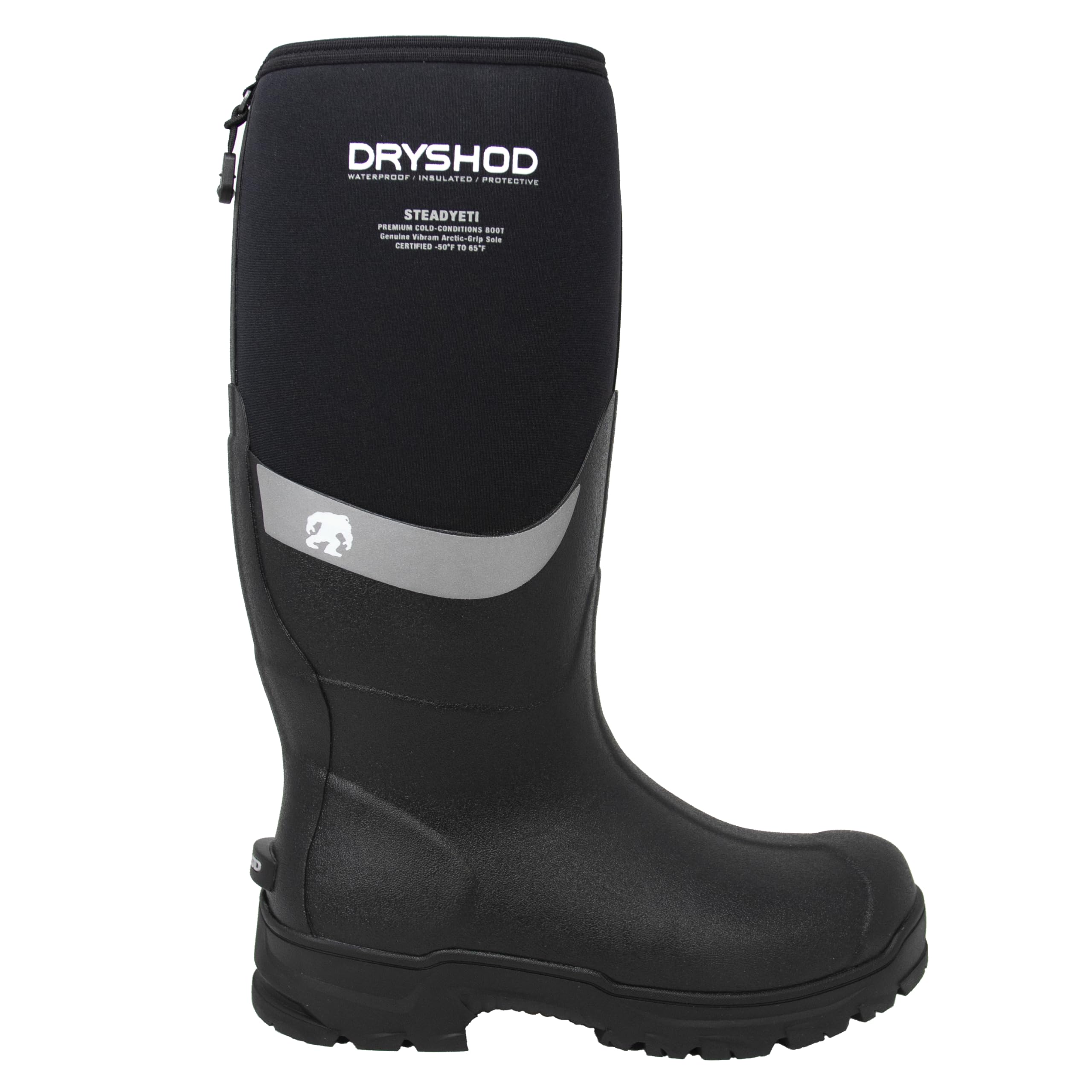
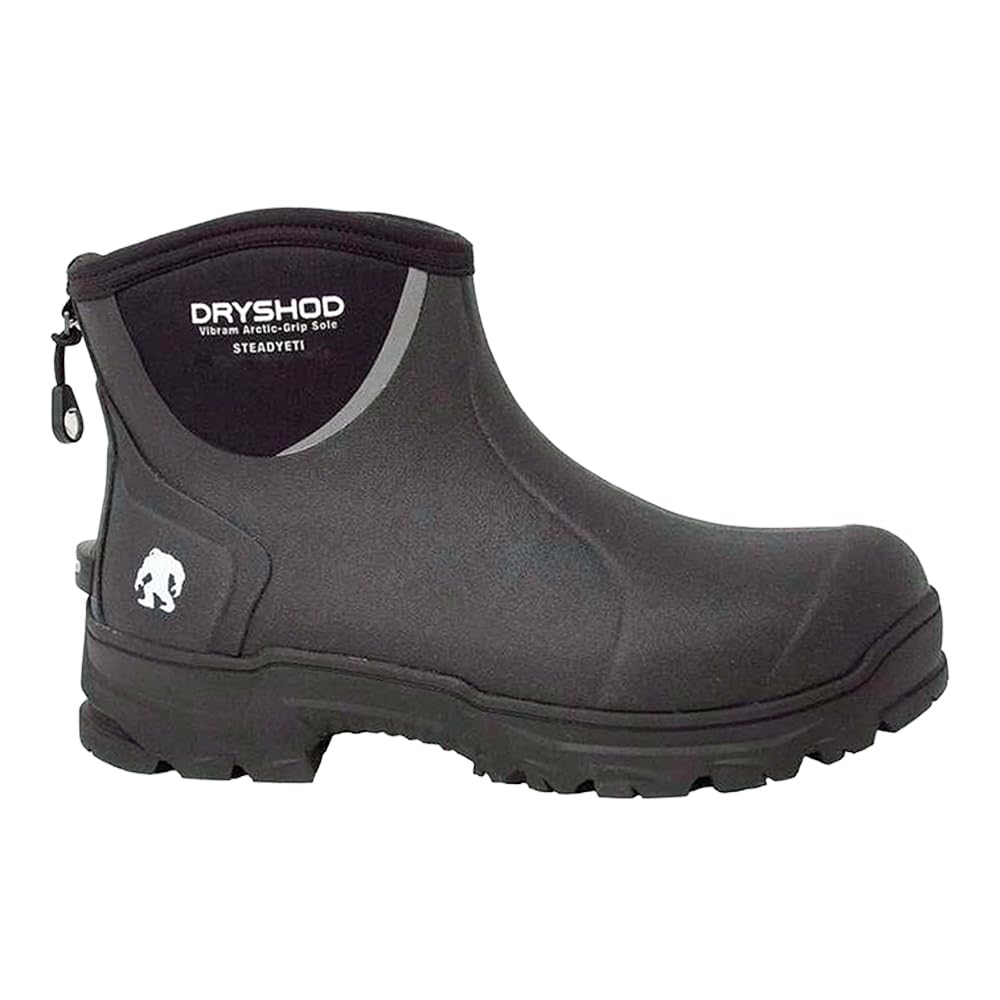


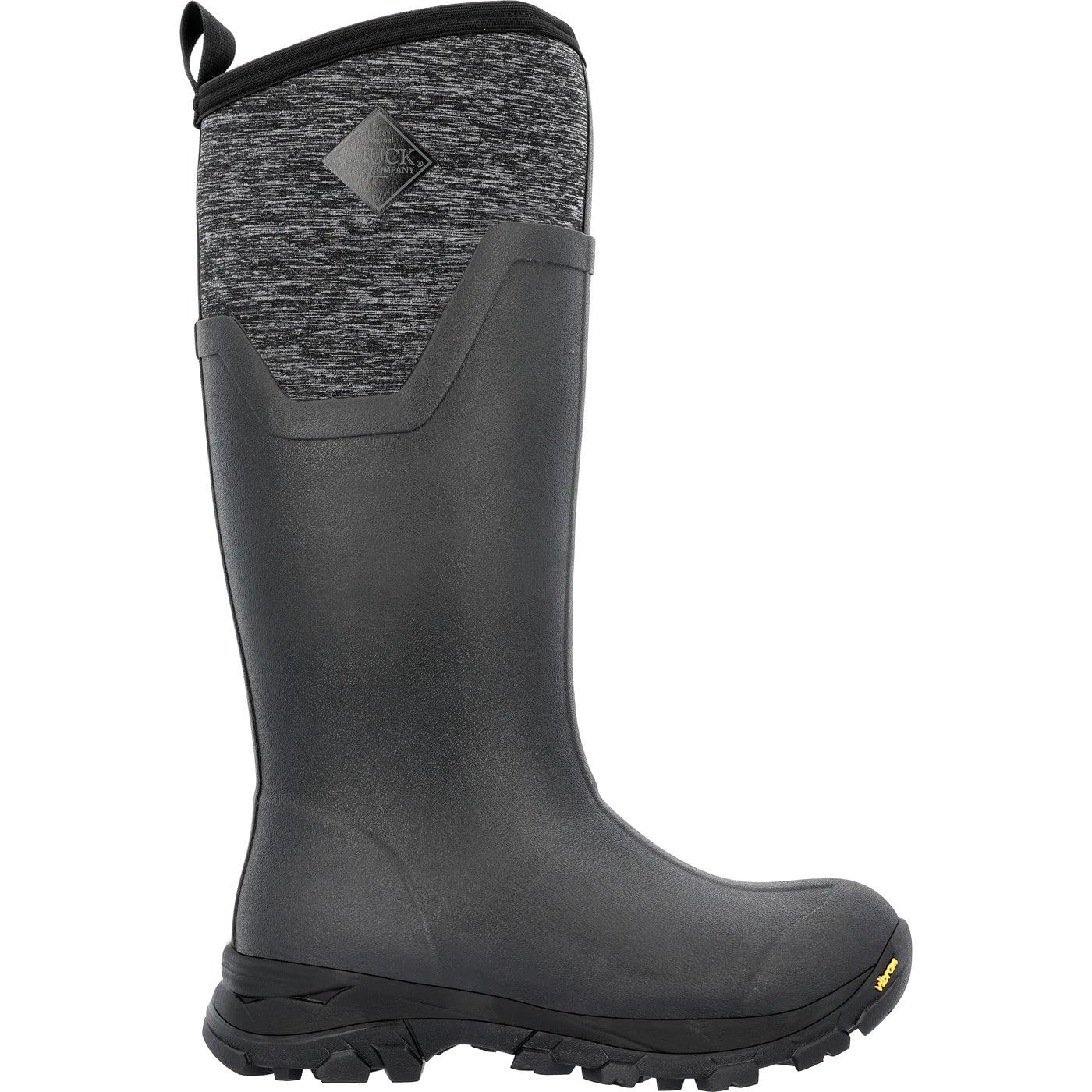

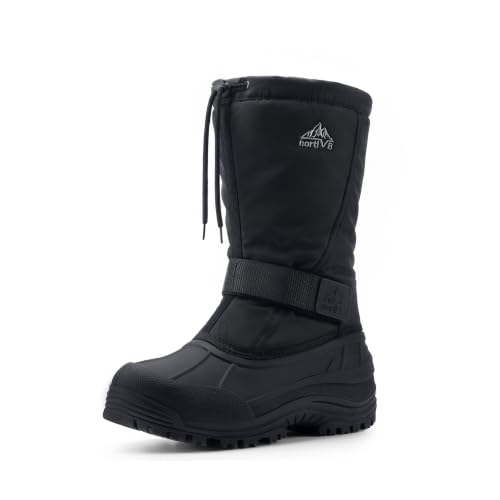

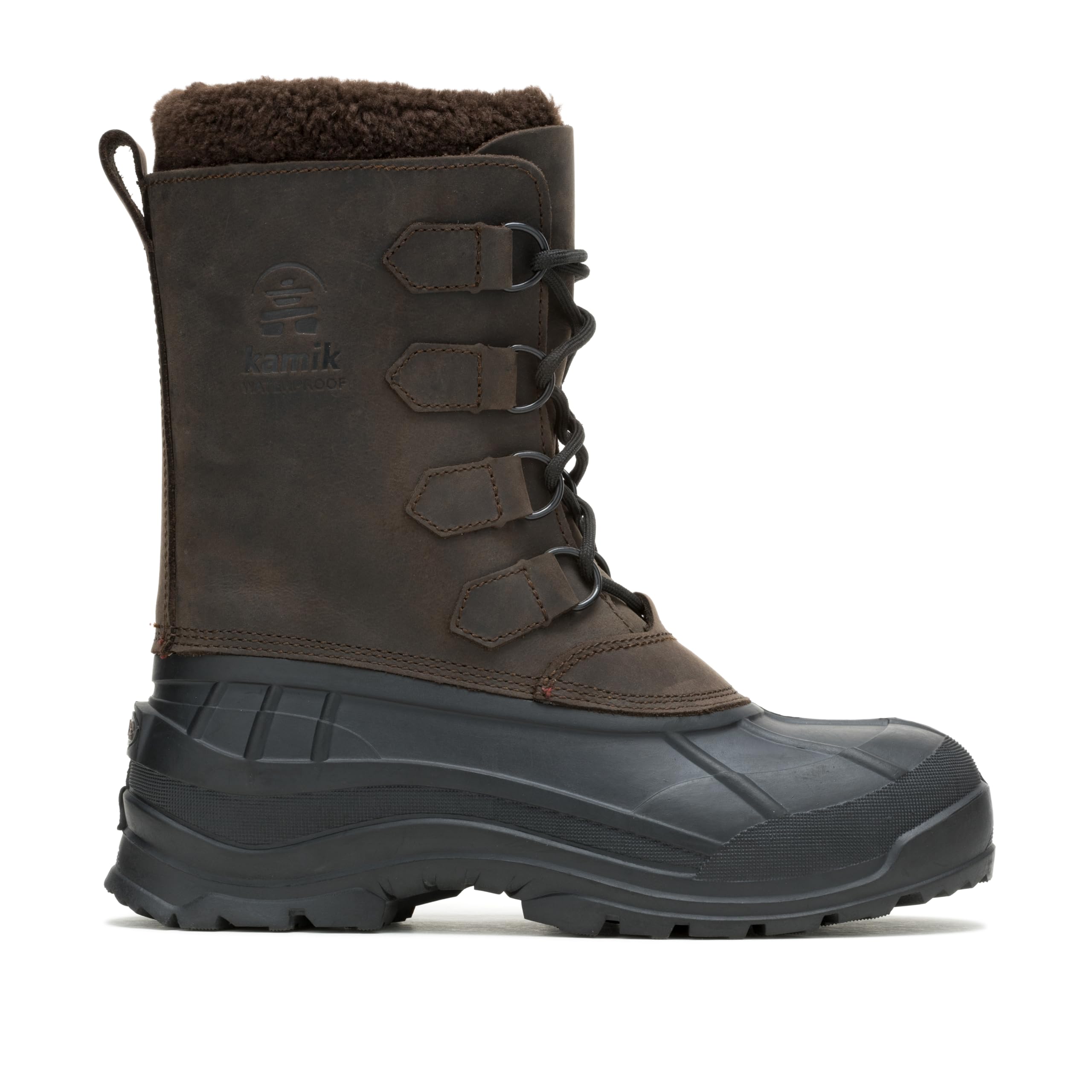

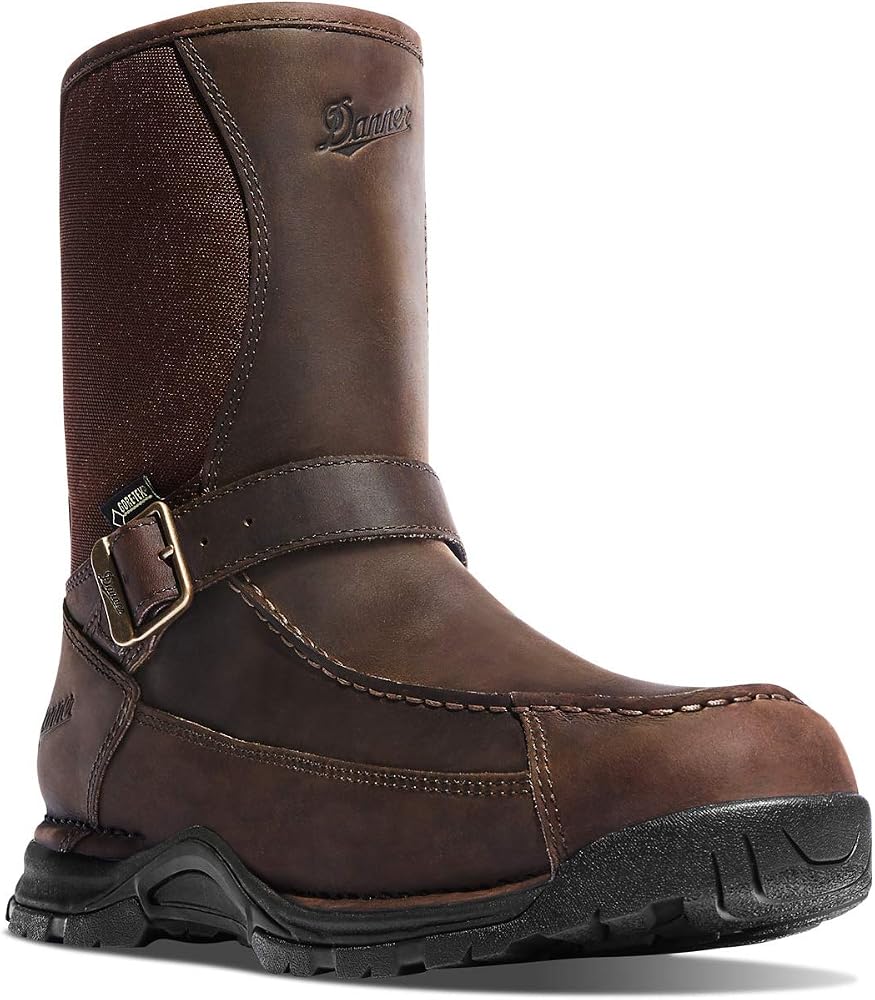
Who Should Buy Which Boots?
Start with your most common winter day, not your worst one. The boots you reach for daily should handle that day well, stay comfortable for its full length, and still give you a margin of traction when conditions turn worse.
Deep Cold, Slush and Unplowed Paths
If your days bring deep cold, slush, freezing rain, or unplowed paths, put traction and weather protection first. Look for a tall shaft that keeps snow out, a waterproof membrane that blocks meltwater, and a rugged outsole with deep lugs that bite through loose snow to a firmer surface. Insulation rated for your temperatures matters, and so does a roomy fit that leaves space for thick socks without squeezing your toes and slowing circulation.
For Commuters and City Walkers
If your icy exposure is the walk to a bus stop or office, a mid height boot with a soft rubber outsole and many small edges is usually enough. It stays lighter on stairs and transit, dries faster by the door, and does not overheat in warm buildings. Keep the grip features of a winter boot, though: a smooth fashion tread looks tidy and slips on the first polished patch.
Daily Ice Walkers and Outdoor Workers
If you walk on ice most days or work outdoors, treat your boots as equipment rather than seasonal clothing. Prioritize a durable upper, strong stitching, and an outsole compound that stays flexible in deep cold, because stiff rubber loses grip as temperatures drop. A solid warranty signals that the maker expects the boots to last. Comfort over long hours matters too, so look for real arch support and cushioning that does not pack down quickly.
Picking the Right Boots for Different Uses
Your route decides how much lug depth, insulation, and ankle support you need. Smooth, polished ice on sidewalks rewards soft rubber and many small edges, while rough trails and frozen ruts reward deeper lugs and a sturdier build. Choosing the best boots for ice grip for your own mix of surfaces beats copying what worked for someone with a different route.
Daily commuters do well with a moderate lug pattern that still feels stable on cleared pavement and station floors. Dog walkers and rural users who cross yards and field edges usually need deeper tread. If your day mixes both, favor the icier surface, because that is where a fall is most likely. For a focused shortlist built around cold season commuting, see our guide to the best ice grip winter boots and compare shaft height and insulation against your route.
Best Women's Boots for Ice Grip
The best women's boots for ice grip differ from men's styles in fit more than in tread. Women's versions are usually built on a narrower last with a slimmer heel and a slightly higher arch profile, which helps stop heel lift that can unsettle your footing on ice. Check the toe box carefully, because many fashion styled women's boots taper at the front and crowd the toes even when the length feels right. Women who run cold should also weigh insulation placement, since warmth across the top of the foot matters on long walks. For styles shaped around snow plus traction, see our guide to the best snow boots for women's with ice grip before you settle on a size.
Key Features to Compare
Product pages list many features, but only a few decide whether a boot holds on ice. Work through the factors below in order, and you can read any listing in the product table above knowing what each claim means for your footing.
Outsole Traction and Terrain
The outsole does the real work on ice. Rubber compounds that stay soft in the cold keep more tread in contact with a slick surface, while hard rubber skates across it. Look for lugs that are wide spaced so packed snow clears out instead of clogging the tread, plus many small edges and sipes that bite on smooth ice. Match lug depth to your ground: deep lugs suit snow and rough ice, while a finer pattern suits treated sidewalks and glare ice.
Cushioning and Support
Grip gets you across the ice, but cushioning and support decide how your feet feel at the end of the day. A firm midsole with steady arch support helps if you stand on hard, frozen ground for hours, because it spreads pressure instead of letting your arches tire and your stride shorten. Pay attention to heel to toe drop as well: a lower drop keeps your foot flatter and can feel steadier on slick ground, while a higher drop shifts weight forward and suits people who prefer that stance in everyday shoes.
Features That Matter for Ice Grip
Ice grip asks more of a boot than ordinary winter traction. Stability matters because a boot that rolls at the ankle forces the outsole onto its edge, where far fewer lugs touch the ground. A secure lace system that locks your heel in place keeps the tread flat and working as designed. Weight matters too: lighter boots reduce the tired, sloppy steps late in the day that often lead to slips. Breathable linings earn their place on active days, since sweat that cools inside the boot makes feet cold and hurried, and a hurried pace on ice is a risk in itself. To compare how these features are weighted for deep winter rather than bare ice, see our guide to the best winter boots for grip on ice.
Fit, Sizing, and Toe Box
Measure your feet late in the day, when they are at their largest, and try boots on with the socks you will actually wear. Your heel should stay seated when you walk, with only slight lift, and your toes should clear the front when you press your foot forward. A toe box that lets your toes spread slightly helps your balance, because your whole forefoot can sense and respond to the surface. Most people size up a half size from their dress shoe size, leaving room for thick socks and warm air circulation.
Common Mistakes to Avoid When Buying Boots
Most poor buys come from judging a boot by looks, warmth rating, or price instead of by outsole and fit. Watch for these frequent errors before you order.
- Choosing by price alone, which often means paying for fashion details while the tread stays too smooth for real ice.
- Ignoring the outsole pattern and compound, so a warm and waterproof boot still slides on the first polished patch you meet.
- Buying too small for thick socks, which crowds the toes, cuts circulation, and leaves feet colder and less steady.
- Buying far too large to gain warmth, which lets the foot slide inside the boot and blunts your control on slick ground.
- Skipping the return policy and warranty check, so a sizing miss or an early defect becomes money lost instead of a simple exchange.
How to Make Your Boots Last Longer
Good care protects the grip you paid for. After icy or slushy use, brush off road salt and grit, because salt dries leather and grit wears the lug edges that bite on ice. Air dry wet boots at room temperature away from direct heat, and loosen the laces so air can reach the lining. Stuffing them loosely with plain paper helps them hold their shape while drying.
Store boots upright in a cool, dry spot so the shafts do not fold and crack. Check the tread every few weeks during the season: once the lugs in the heel and forefoot wear smooth, no cleaning routine can restore the grip, and it is time to plan a replacement. A broader look at traction first designs lives in our guide to the best boots for ice, handy when you shop for that next pair.
FAQ
These answers cover the questions buyers ask most after narrowing the field with the product table above.
What features matter most in boots for ice grip?
The outsole matters most in boots for ice grip, because its rubber compound and lug pattern decide how the boot holds on a slick surface. After the outsole, weigh secure fit, since a locked heel keeps the tread flat and working. One detail many buyers miss is tread wear markings: some outsoles change visibly as the lugs wear down, giving you a simple cue that grip is fading before you learn it the hard way on a frozen step.
How long is the break in period for boots for ice grip?
The break in period for boots for ice grip usually runs from a few short wears to about a week of regular use. Stiff leather and firm midsoles soften as they mold to your stride, so start with short, dry walks before trusting a new pair on a long icy route. If a boot still pinches after several outings, that is a fit problem rather than a break in stage, and exchanging sizes beats hoping it will stretch.
Can you wear boots for ice grip all day?
You can wear boots for ice grip all day if the fit, arch support, and weight suit long hours on your feet. Choose a pair with real cushioning and a breathable lining, because warm but damp feet grow uncomfortable and cold by afternoon. If your workplace has warm indoor floors, a slightly lower insulation level often feels better across a full shift. A cushioned mat indoors, when you can use one, also reduces fatigue from heavy winter boots.
How often should you replace boots for ice grip?
You should replace boots for ice grip when the lugs in the heel and forefoot wear smooth, even if the uppers still look sound. Grip loss is gradual, so compare your tread against photos of the same boot when new if you are unsure. Heavy daily users may reach that point in a couple of seasons, while occasional users get far longer. Cracked rubber and split seams are other clear signs that a pair has finished its useful life.
How should boots for ice grip fit around the ankle?
Boots for ice grip should fit snugly around the ankle without cutting into it, so the shaft supports your stride without limiting it. Laces should let you firm up the ankle while leaving the forefoot room to spread. Try this check at home: stand on one foot on a smooth floor and shift your weight gently. If your heel slides or your ankle wobbles inside the boot, adjust the lacing or try another size before wearing the pair outside.
Are expensive boots for ice grip worth the cost?
Expensive boots for ice grip are worth the cost when the extra money buys a better outsole compound, stronger construction, and a fit that stays comfortable over long days. Higher prices do not always mean more grip, so compare tread design before brand name. About $100 to $250 covers many well built pairs for regular winter use, while heavy duty work styles can run higher.
The Bottom Line
Match the boot to your route first, then judge it by outsole, fit, and support in that order. The comparison table above pulls the key specs together so you can weigh lug pattern, insulation, and sizing notes side by side. When you find the best boots for ice grip for the ground you cross most, cold mornings stop feeling like a gamble and start feeling like routine.