
Best Boots for Hiking and Working of 2026: Complete Buying Guide
Disclosure: We may earn a commission when you buy through links on this page, at no extra cost to you. As an Amazon Associate I earn from qualifying purchases. Learn more

Trail grip, floor cushioning and toe protection: the best boots for hiking and working, compared by type.
One pair of boots rarely does two jobs well, yet many people need exactly that. The best boots for hiking and working must grip loose trail ground early in the day and still feel steady and cushioned after hours on a hard work floor. This guide shows you how to judge fit, support and grip so you can use the comparison table below with confidence.
Think first about where your hours go. A trail crew member, a landscaper and a warehouse worker walk a lot, but the ground, the weather and the loads differ. The sections below match each mix to the traits that matter most.
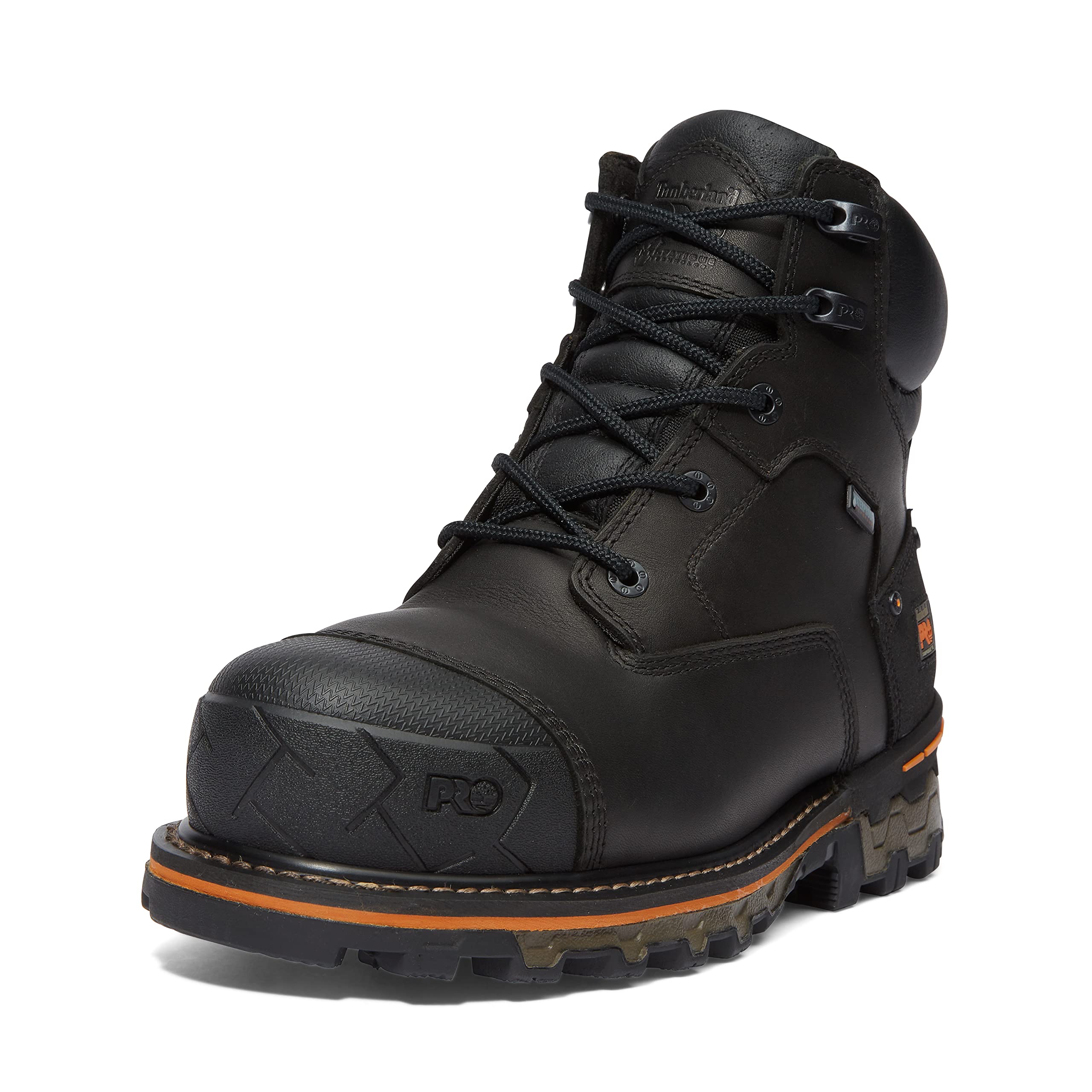

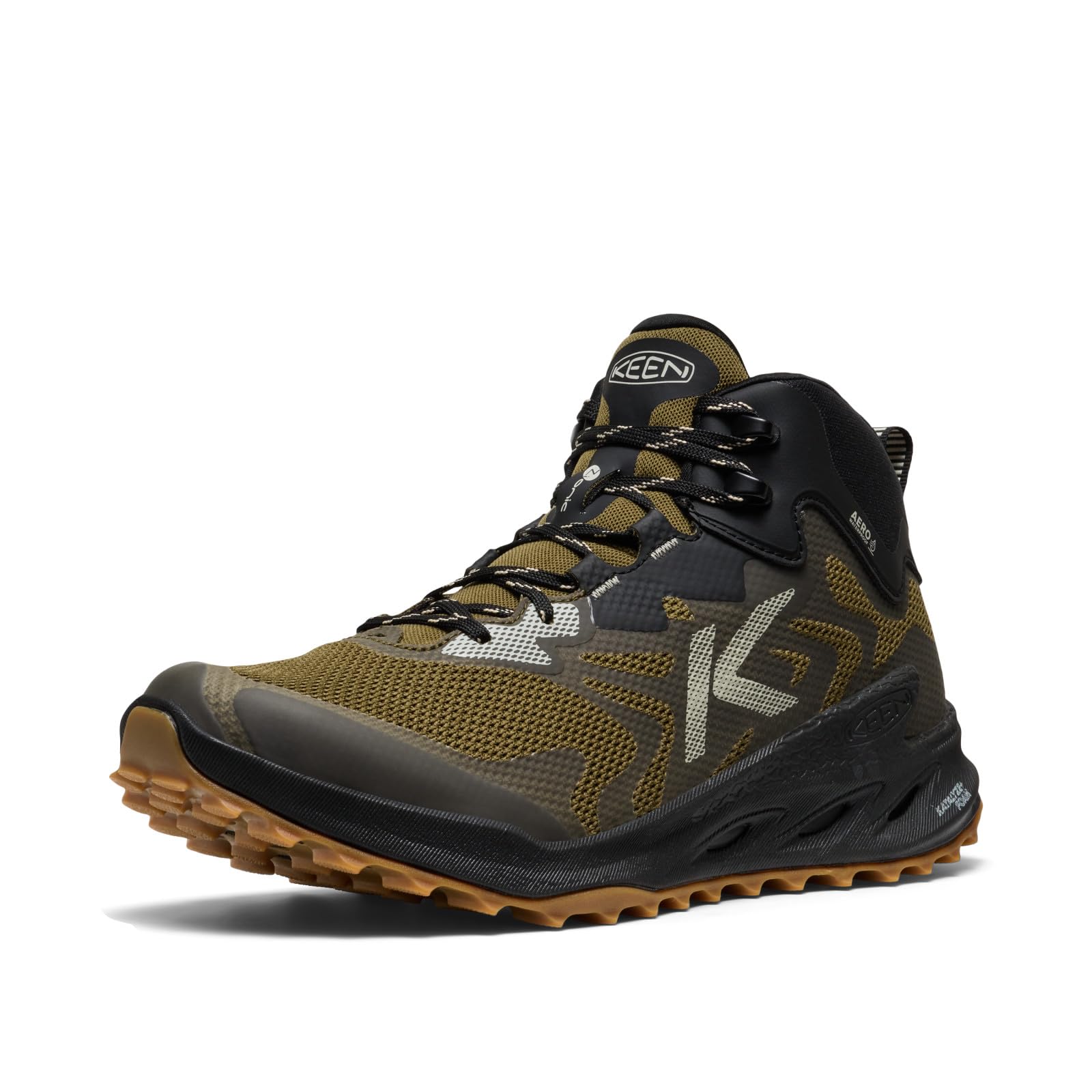


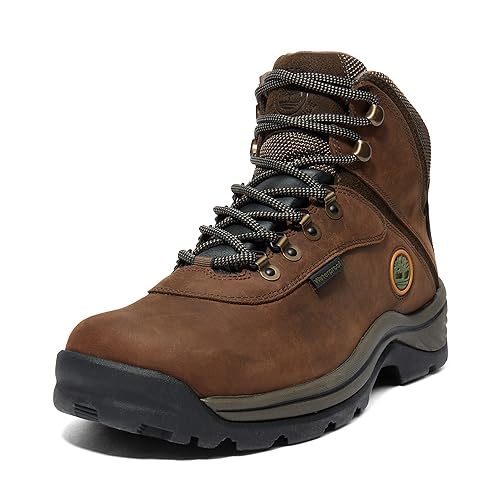


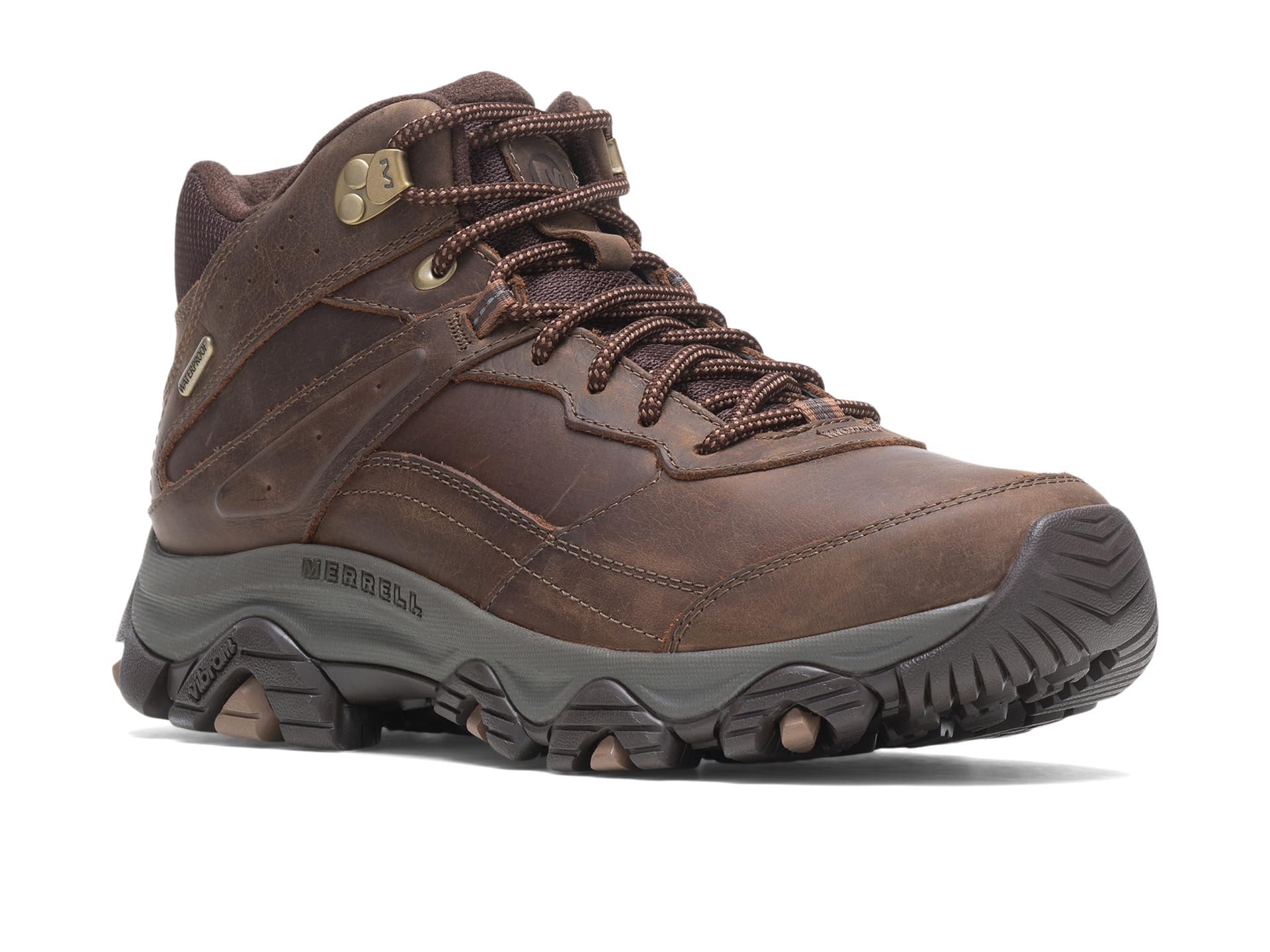

Who Should Buy Boots for Hiking and Working?
Choose by the split of your week, since hours on rough ground or concrete should steer your choice.
Outdoor Workers Who Walk Rough Ground to Reach the Job
You may work on trail crews, survey teams, farms or park staff, and your walk in is part of the job. You need firm ankle support, deep lugs for mud and gravel, and an upper that shrugs off brush and grit. A stiffer shank helps under tool loads, because the boot bends less on slopes.
Workers on Hard Floors Who Hike on Days Off
You stand and walk on concrete or sealed floors at work, then take lighter trails when you are free. Cushioning matters most for you, along with a sole that still grips wet rock and packed dirt. Choose a lighter, more flexible boot than a full mountain model, because extra stiffness can feel harsh during long indoor shifts.
People Who Carry Loads Across Mixed Ground All Week
Landscapers, delivery walkers and site staff move between lawns, gravel and pavement, often with weight in their hands. You need stability when you step off a curb with a load, plus toe room for feet that swell by evening. Look for a protective toe cap and a firm heel counter.
Key Features to Compare
Work through these factors in order, because a poor fit will bother you no matter how good the other parts look.
Outsole Grip for Trails and Hard Floors
The outsole is the rubber layer that meets the ground, and its lug pattern decides grip on mud, gravel and smooth floors. Lugs of about 4 to 6 mm bite on soft trail ground, while finer tread feels steadier on concrete. A defined heel breast, the step at the back of the sole, helps you brake on downhill sections. If you shop in mens sizes, see our guide to the best hiking boots for men for more sole notes.
Fit Checks for Feet That Swell by Evening
Measure your feet late in the day, when they are at their largest, and shop in the socks you will wear. You want about a thumb width in front of your longest toe, because feet slide forward on descents and swell during long shifts. The heel should feel locked with only slight lift as you walk. If you shop in womens sizes, see our guide to the best ladies hiking boots for notes on narrower heel fits.
Upper Materials, Durability and Breathability
Full grain leather resists abrasion from rock, brush and work debris, and it molds to your foot, but it weighs more and dries slowly when wet. Split leather with mesh panels weighs less and lets heat escape indoors, yet mesh can snag on rough sites. A mostly leather upper suits abrasive outdoor jobs, while a leather and mesh mix suits warmer workplaces.
Midsole Cushioning and Drop for Shifts and Trails
The midsole foam absorbs impact on concrete and cushions your stride on rocky descents. Heel to toe drop, the height difference between heel and forefoot, often sits around 8 to 12 mm in this class. A higher drop can ease strain on tight calves, while a lower drop feels steadier when you stand in one place. When you compare the best boots for hiking and working side by side, match arch support to your foot shape and pick a removable insole if you use your own support.
Waterproof Membranes and Wet Weather Tradeoffs
A waterproof membrane such as Gore Tex keeps rain out, which helps on wet trails, damp grass and outdoor work in poor weather. The tradeoff is airflow, because a membrane lets less heat escape and the boot dries more slowly once wet inside. Water resistant leather without a membrane breathes better and suits light rain. If wet ground is your normal setting, see our guide to the best waterproof hiking boots for more on staying dry.
Weight, Flexibility and Ankle Support
Most boots in this class weigh about 2 to 3 pounds per pair. Extra weight adds protection under load, but it also adds effort to every step of a long shift, so match weight to the loads you carry. A high collar supports the ankle on uneven ground, while a lower collar feels less restrictive on flat floors. Flex the boot by hand, because a sole that bends near the toes walks more naturally.
Types of Boots for Hiking and Working Compared
Most dual use boots fall into a few broad types, and knowing the type helps you use the product table above well.
Stiff Support Boots for Rough Ground and Heavy Loads
These boots use a firm shank, a high collar and deep lugs to keep your foot steady on rock, roots and slopes. They suit trail crews and anyone who carries tools or a pack. They feel clumsy on smooth floors and need a long break in.
Waterproof Boots for Wet Trails and Wet Yards
These boots pair a sealed membrane with leather or treated synthetic uppers to keep feet dry in rain and mud. They suit outdoor workers in damp climates and hikers who cross streams. They run warm in summer and in heated buildings, so dry region indoor workers often find them more boot than they need.
Lightweight Flexible Boots for Fast Paced Days
These boots use softer midsoles, lower collars and lighter uppers so you can move quickly and change direction often. They suit delivery walkers and light trail users who keep moving rather than carry heavy loads. If even these feel like too much boot for easy paths, see our guide to the best hiking shoes for a lighter option.
Cushioned Neutral Boots for Even, Unforced Support
These boots offer even cushioning without added motion control, so your foot moves naturally. They suit walkers with high arches or a neutral stride who find stiff stability designs pushy and tiring. They give less guidance on uneven ground, so keep loads moderate on rocky trails.
Common Mistakes to Avoid
These errors are common when one pair must cover two settings.
- Choosing shallow lugs for muddy work ground leaves you slipping on wet grass and loose soil.
- Buying a snug morning fit leaves no room for feet that swell during an evening hike after work.
- Picking a waterproof membrane for hot indoor work leaves feet overheated and prone to blisters.
- Ignoring workplace rules on toe protection can leave you with new boots you cannot wear on site.
- Skipping the break in period and wearing new boots for a full shift plus a long hike in one weekend invites blisters.
Care and Maintenance for Boots Used on Trails and at Work
Brush off mud and grit after each use and pull the insoles out so air can circulate inside. Air dry boots away from direct heat, because strong heat can crack leather and weaken glues. Rotating two pairs gives foam time to recover between workdays.
Wash salt and fine dust off leather, then apply a conditioner or proofing product made for your upper type once the boots are clean and dry. For step by step product choices, see our guide to the best waterproofing for hiking boots. Check laces, clear stones from the lugs, and watch for smooth patches on the outsole, because worn tread shows that grip is fading.
FAQ
What features matter most in boots for hiking and working?
Fit and the sole unit matter most, because they decide comfort and safety. Start with toe room and heel hold, then judge lug depth against your softest ground and cushioning against your hardest floor. One fresh check helps, which is to walk a slope and a smooth floor in the shop.
Can I wear boots for hiking and working for a full shift and a hike on the same day?
Yes, you can wear the same pair for a full shift and an evening hike if the fit leaves room for swelling. Change into fresh socks before the hike, because dry socks cut friction after hours of work wear. Keep the hike shorter than your weekend routes.
Do I need waterproof boots for hiking and working in a dry climate?
No, you do not need a waterproof membrane if rain is rare and your work is mostly indoors or on dry ground. A water resistant leather upper handles dust, dew and brief splashes while breathing better in heat. Save the membrane for regular wet grass, mud or stream crossings.
Are expensive boots for hiking and working worth the higher price?
They can be worth it if the price buys resoleable construction, tougher leather and a fit that matches your foot, because those traits spread the cost over more seasons. Dual use boots often cost about $120 to $250. Paying more for fashion details adds cost without adding value.
How long does the break in period last for boots used for hiking and working?
Most boots in this class feel settled after about 10 to 20 hours of gradual wear. Start with short walks and half shifts, then add distance once hot spots stop appearing. Leather models sit at the long end of that range, while a thin liner sock can ease early rub points.
Our Verdict
Start with fit, then match the outsole to your roughest ground and the cushioning to your hardest floor. Decide on waterproofing from your real weather, not from the wettest day you can imagine. Weight and ankle support should follow the loads you carry.
Use the product table above to compare height, weight and price. When you choose best boots for hiking and working with those checks in mind, one well chosen pair can cover trail miles and workdays with steady comfort.


