
Best Boots for High Arch Support of 2026: Complete Buying Guide
Disclosure: We may earn a commission when you buy through links on this page, at no extra cost to you. As an Amazon Associate I earn from qualifying purchases. Learn more

Contoured support and cushioning for rigid arches: the best boots for high arch support, with fit checks.
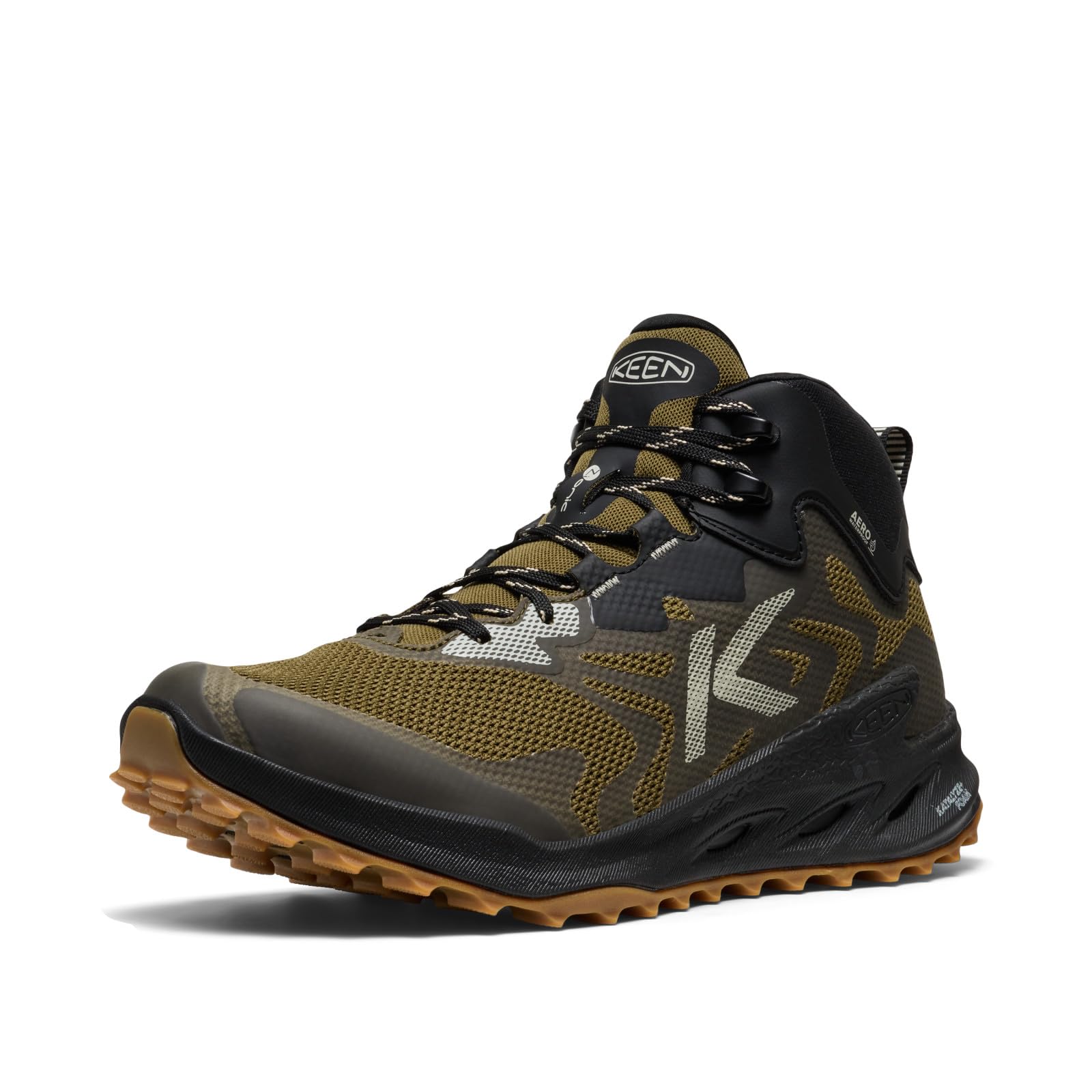
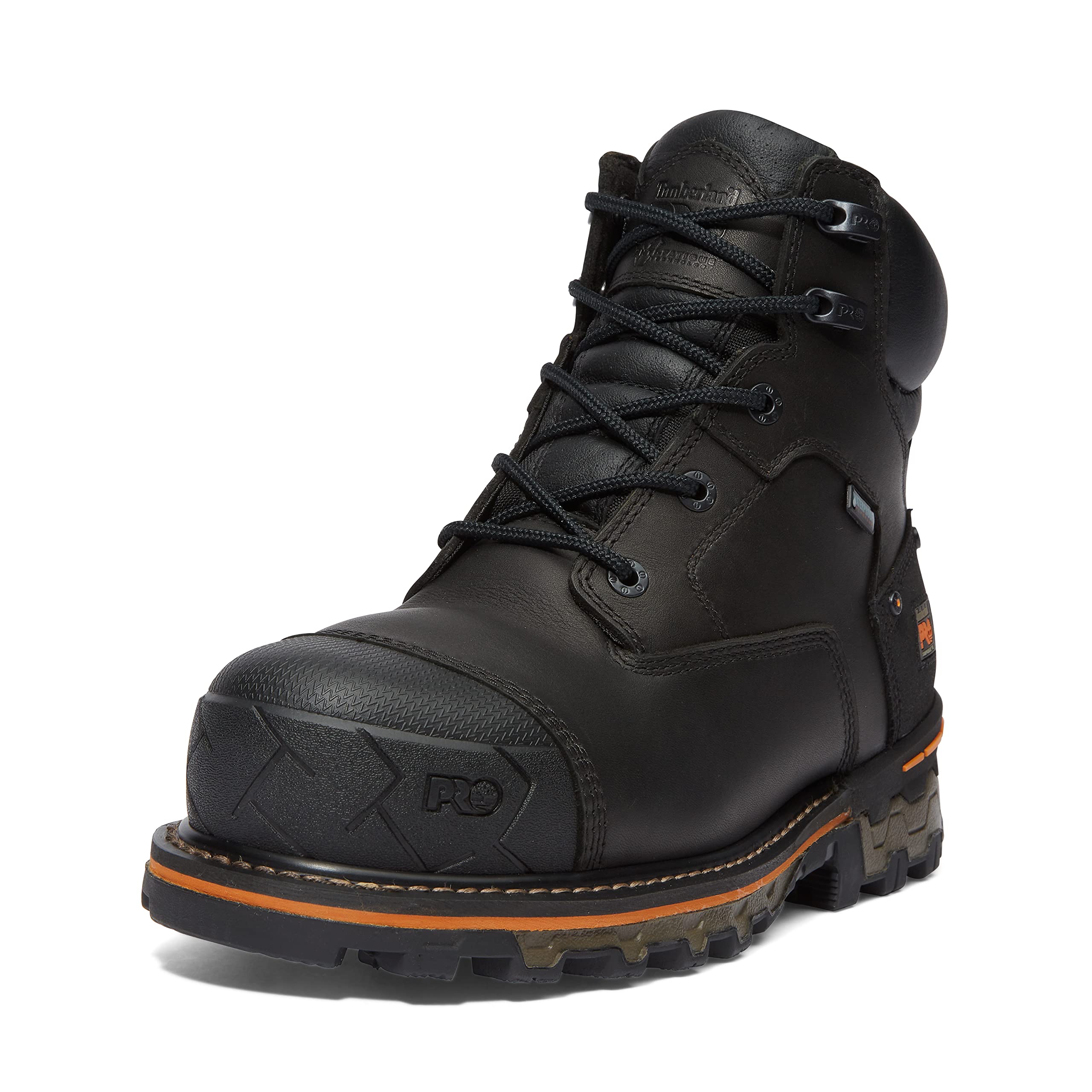
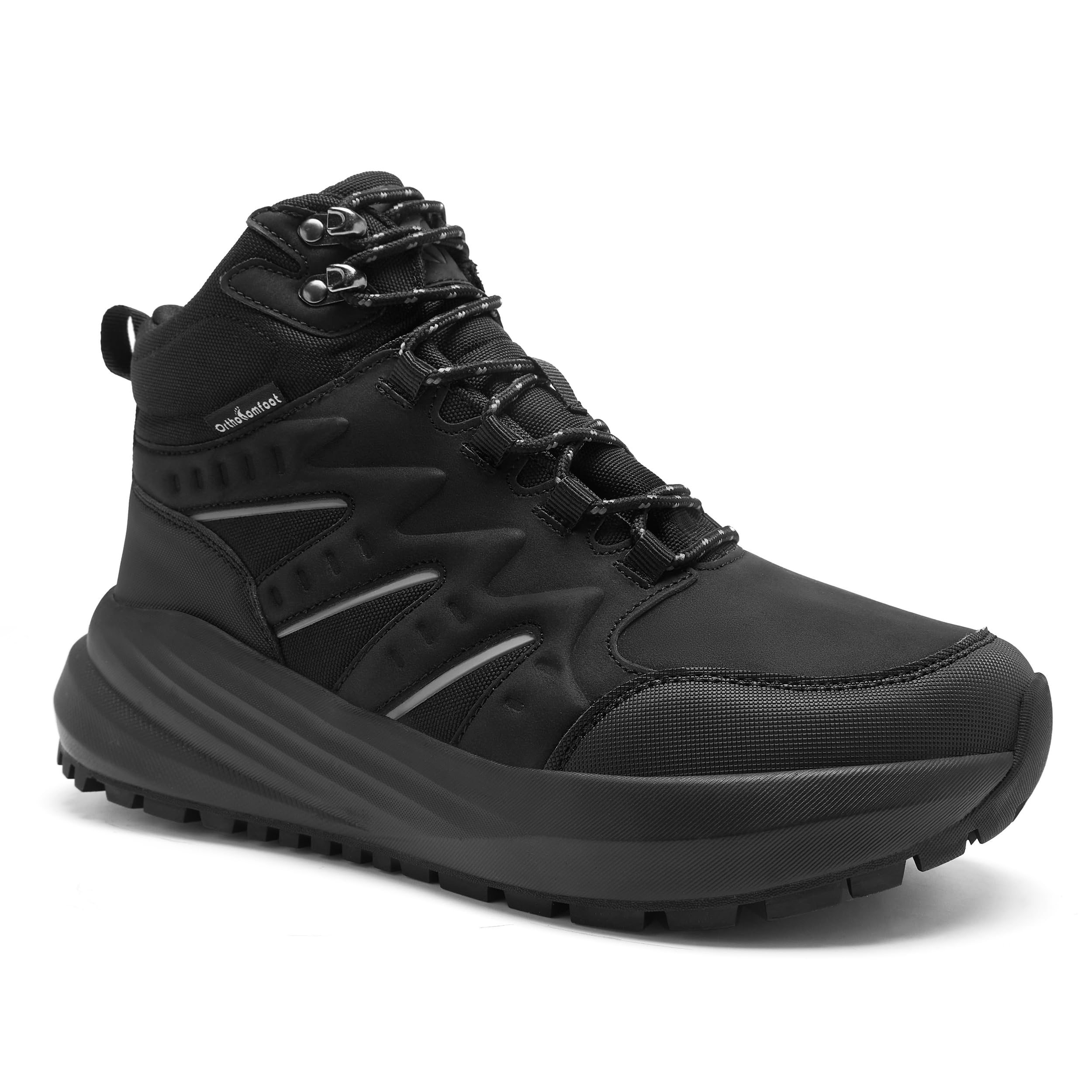
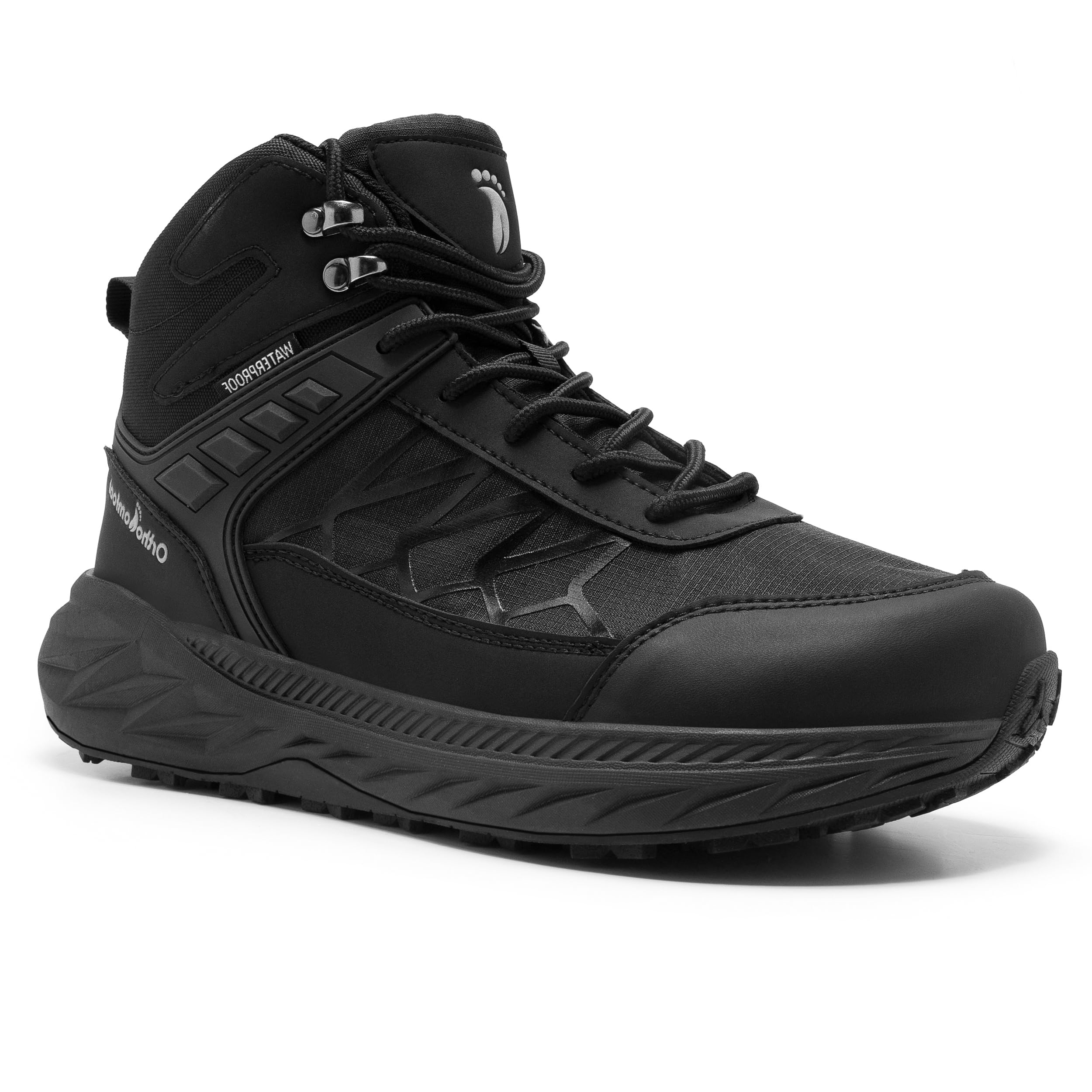
If your arches sit high, your feet tend to roll outward and place extra pressure on your heels and the balls of your feet. Ordinary boots often feel flat under the midfoot and tight across the top. Choosing the best boots for high arch support means matching support to that shape, and the comparison table below helps you check the details that matter most.
This guide covers who benefits most, the features that change comfort, and fit checks you can do at home. You will also find boot types compared, common mistakes, and care that keeps support lasting.



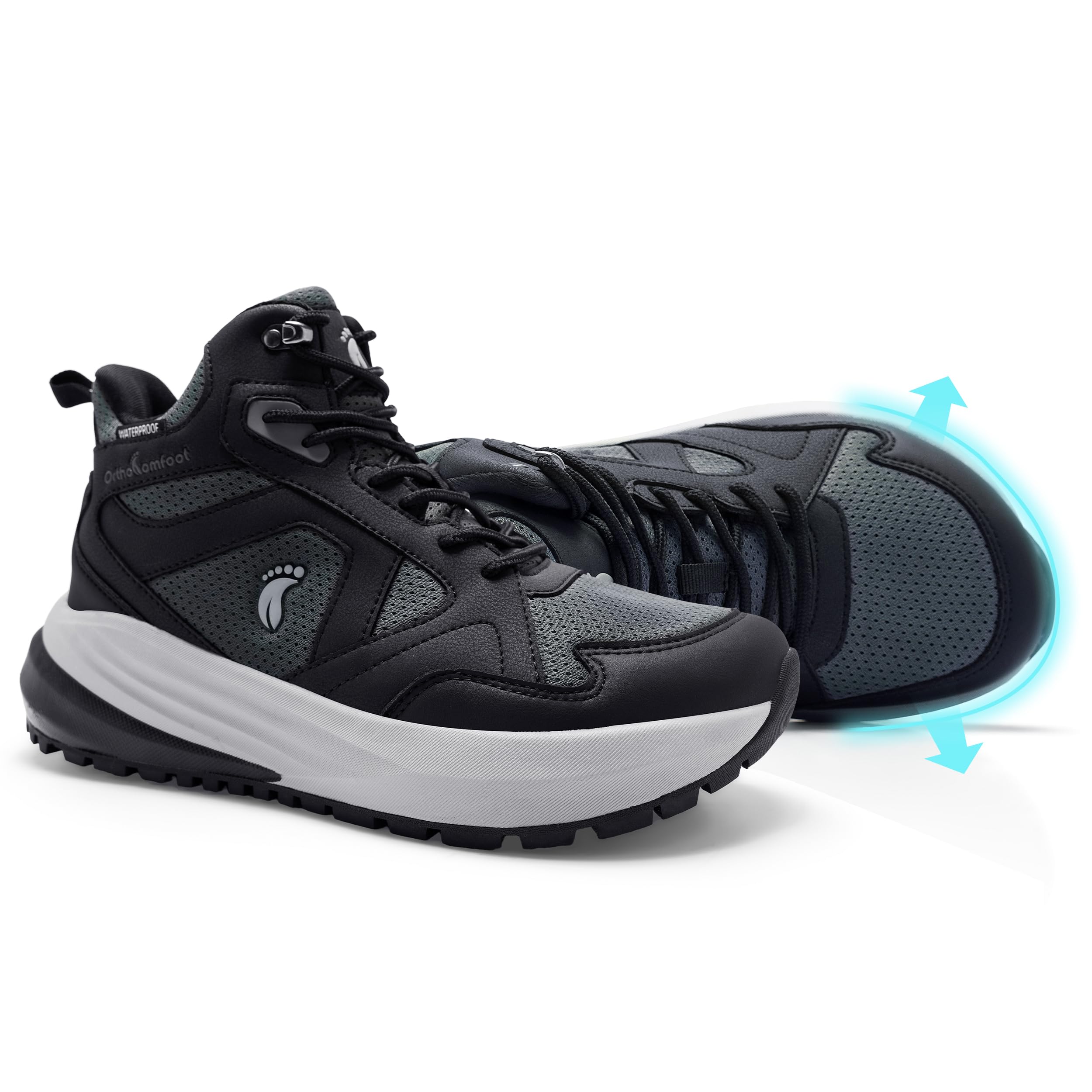


Who Should Buy Boots for High Arch Support?
Start with how your feet load the ground. High arches stay rigid, so the right boot depends on your surface, load and where pressure builds first.
Hikers With High Arches on Uneven Trails
You need cushioning that softens rock impacts plus an outsole that grips when weight stays toward the outer edge of the foot. Choose a deep heel cup and a contoured footbed so your heel stays centered on descents. A higher ankle collar helps on loose ground and protects against rolled ankles.
Workers Standing on Concrete and Hard Floors
Long shifts on hard floors send repeated impact into the heel and forefoot because a rigid arch absorbs little shock on its own. Look for thick cushioning under those two zones and a stable base that does not roll outward as you tire. If your job needs safety toes, confirm the cap leaves height above your toes.
Daily Walkers With Heel and Forefoot Ache
If most pressure lands on your heel and the ball of your foot, even short walks can leave those spots sore. A cushioned neutral boot usually suits you better than a stiff motion control design that pushes the foot further outward. Pair moderate arch support with soft padding on top for daily comfort.
Key Features to Compare
When you compare the best boots for high arch support, judge each pair by how it supports the midfoot while cushioning the heel and forefoot. The factors below explain what to check and who each option suits. You can also see our guide to the best boots with arch support for a broader view of support levels.
Contoured Arch Support and Removable Footbeds
Look for a footbed that rises to meet your arch and fills the gap under the midfoot without pressing hard into one spot. Firm support through the middle spreads load away from the heel and forefoot. See a doctor or podiatrist promptly for sharp heel pain, numbness, tingling, swelling, or pain that worsens despite a proper fit, and talk with your clinician about personal needs. A removable footbed matters if you use custom orthotics, since you can swap the stock insert without crowding the boot.
Cushioning Under the Heel and Forefoot
High arches absorb shock poorly, so cushioning has to do work that a flexible flat foot does on its own. Foam that stays resilient after miles will protect the heel at strike and the forefoot at push off. Thin midsoles suit short errands, while thicker cushioning suits trails, travel days and shifts. If cushioning feels mushy and unstable, choose a firmer blend that still softens impact.
Fit, Sizing, Toe Box and Instep Volume
Measure both feet late in the day, when they are at their largest, and try boots with the socks you plan to wear. Your toes need length and height in the toe box, since a high arch often comes with a high instep that presses against the tongue. Leave about a thumb width before the longest toe and check that the widest part of your foot aligns with the widest part of the boot. Trust the feel at your heel and instep over the number on the box.
Heel Counter, Stability and Heel to Toe Drop
A firm heel counter and a deep heel cup keep the rear foot aligned so cushioning can work as intended. Heel to toe drop is how much higher the heel sits than the forefoot, and many high arch walkers do well with a moderate drop of about 8 to 12 mm. A lower drop asks more of the calf and Achilles, while a higher drop shifts load toward the forefoot. Pick stiffness for rocky ground and flexibility for pavement.
Waterproofing and Breathability
A waterproof membrane keeps rain and wet grass out, which suits muddy trails, snowy sidewalks and wet work sites. The trade off is airflow, since sealed boots run warmer and dry more slowly once moisture gets inside. Choose waterproof boots for cold and wet use, and breathable mesh or unlined leather for hot and dry days. Check seam sealing and tongue gussets, because water often enters at openings rather than through the main fabric.
Weight, Flexibility and Break In Comfort
Boot weight changes how tired your legs feel late in the day, while stiff boots protect better on rough ground. Light boots suit travel and daily miles, while heavier boots suit loads and cold weather. Expect a short break in period as leather and foam shape to your foot, and start with short walks before a long outing. A boot that pinches in the store rarely fixes itself, so treat early pain as a fit warning.
Types of Boots for High Arch Feet
Boot types differ mainly in cushioning, stiffness and intended ground. For a closely related search, see our guide to the best boots for high arch.
Cushioned Neutral Boots for Daily Wear
These boots give even cushioning without a strong medial post that pushes the foot inward or outward. They suit most high arch walkers for pavement, light trails and travel days. Choose this type first if you want comfort that works across many uses.
Lightweight Boots for Longer Walks and Travel
Built with lighter uppers and softer midsoles, these boots reduce fatigue on long city days and packed itineraries. They give up some protection on sharp rock and some warmth in winter, so match them to mild ground and weather. Their easier break in suits buyers who dislike adjustment.
Stability Focused Boots for Rugged Ground and Heavy Loads
These boots use firmer midsoles, stronger heel counters and deeper lugs to hold the foot steady under a pack or on loose slopes. They suit backpacking, rough work sites and walkers who feel unsteady on uneven ground. Expect more weight, balanced by control on unpredictable ground.
Common Mistakes to Avoid
Each mistake below costs comfort that a careful fit check could have saved.
- Choosing a flat insole with no arch contact leaves the heel and forefoot to absorb nearly all your weight.
- Buying a strong motion control boot for a rigid high arch can push weight to the outer edge and raise ankle strain.
- Sizing only by length while ignoring instep height leaves laces pressing on the foot and toes cramped in height.
- Testing boots in thin socks in the morning leads to a pair that feels painfully tight by afternoon.
- Keeping a worn and compressed footbed removes the support you paid for and lets heel pain creep back.
Keeping Arch Support Working Mile After Mile
Air dry wet boots at room temperature away from direct heat, and loosen the laces so air reaches the footbed. Remove the footbed after wet days and let it dry flat, since trapped moisture softens materials and builds odor. Brush dirt from the outsole and upper once dry, and treat leather as the maker directs before it cracks. Rotate two pairs if you walk daily, giving foam a full day to recover.
Support should not stop when the boots come off at home. See our guide to the best slippers for high arch support for indoor wear, and our guide to the best sandals with high arch support when warm weather makes boots too hot. Consistent support indoors and in summer helps outdoor comfort carry through the day.
Frequently Asked Questions
What features matter most in boots for high arch support?
The features that matter most are arch contact, heel and forefoot cushioning, and room over the instep. Before you shop, do a wet footprint test on paper at home as a new check. A narrow band along the outer edge confirms a high arch and tells you to prioritize cushioning over motion control. Bring that print when you try boots in store.
Can I wear boots for high arch support all day?
Yes, you can wear boots for high arch support all day once the fit is right and the break in period is complete. Build up wear time over the first week, starting with a few hours indoors where you can change shoes if a hot spot forms. A short sit or walk break each hour also helps by changing how load moves through the foot.
How should boots for high arch support fit at the heel and toes?
Boots for high arch support should hold the heel snug with almost no lift while leaving toes free to move and splay. Test the fit on a slope or stairs, since toes that jam forward on a descent signal a need for more length. Try a runner loop at the top eyelets if heel lift persists, as that lock secures the ankle without crushing the instep.
How long does the break in period last for boots for high arch support?
The break in period for boots for high arch support usually lasts about one to two weeks of regular short walks. Leather uppers and firm footbeds soften gradually, while synthetic trail boots often feel right sooner. Wear thick socks during early outings and add distance only when the prior walk left no blisters. If pain grows instead of easing, stop and reassess the fit rather than pushing through.
Our Verdict
Match the boot to your arch shape first, then to your ground and daily load. Contoured support, honest cushioning and room over the instep will decide comfort far more than looks or price alone. Use the product table above to compare drop, weight and waterproofing before you order.
When you choose the best boots for high arch support with those checks in mind, you give rigid feet the cushioning and contact they miss on their own. Start with the type that fits your routine and confirm the fit late in the day.


