Best Boots for High Arch for 2026: Every Type Explained Side by Side
Disclosure: We may earn a commission when you buy through links on this page, at no extra cost to you. As an Amazon Associate I earn from qualifying purchases. Learn more

Compare the best boots for high arch by type, support style, fit, and price, with clear guidance on cushioning, toe box room, and which style suits you.
A high arch leaves most of your weight on your heel and the ball of your foot, so the wrong boot can leave your feet sore by evening. The confusing part is that boots shaped for this foot type come in very different styles, from light hikers to firm support models. This guide compares the main types of best boots for high arch choices side by side, so you can see what each style does well and where it falls short.
The comparison table below sums up each type, its best use, and its typical price. The sections after it cover the fit and support details that matter most for a high arch foot.
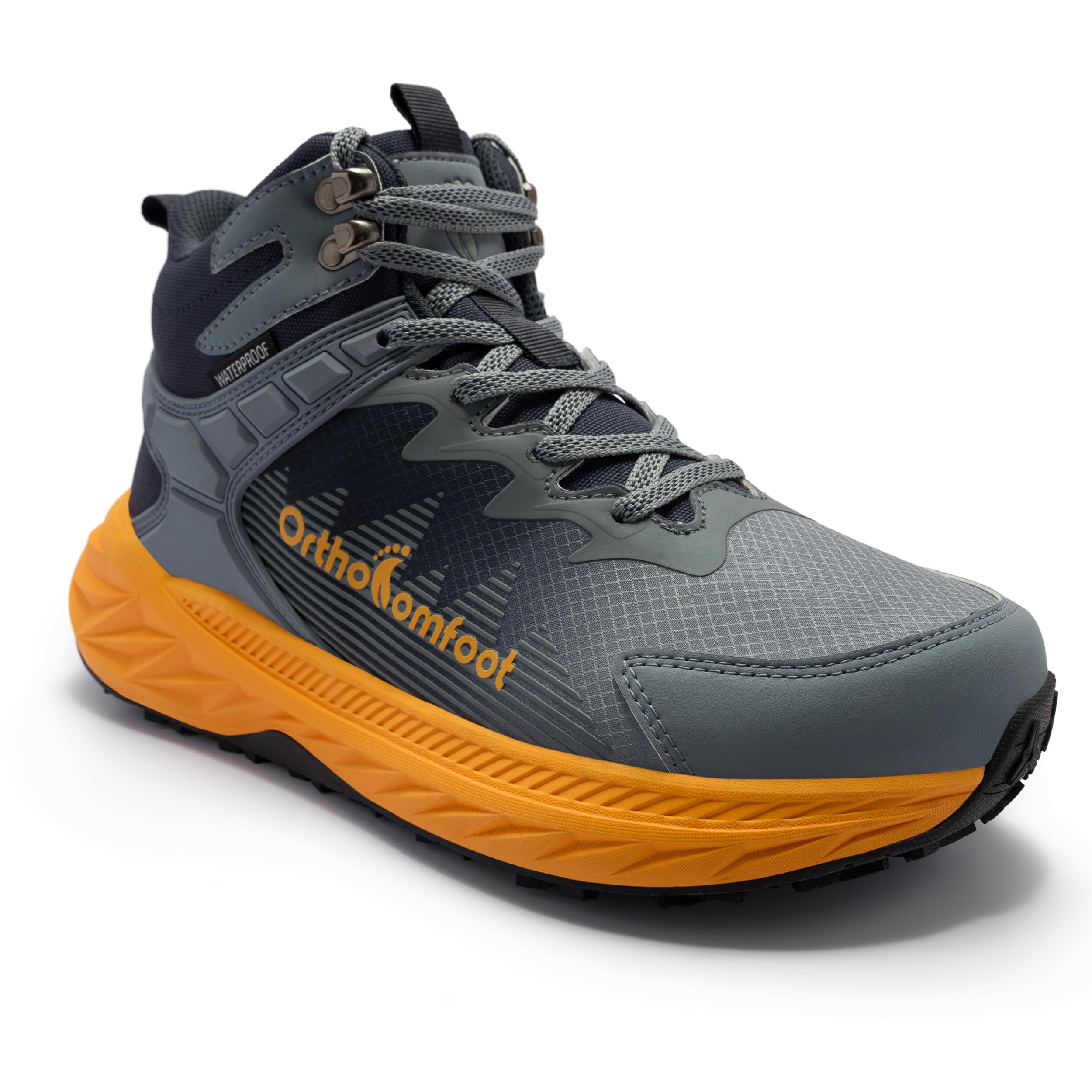
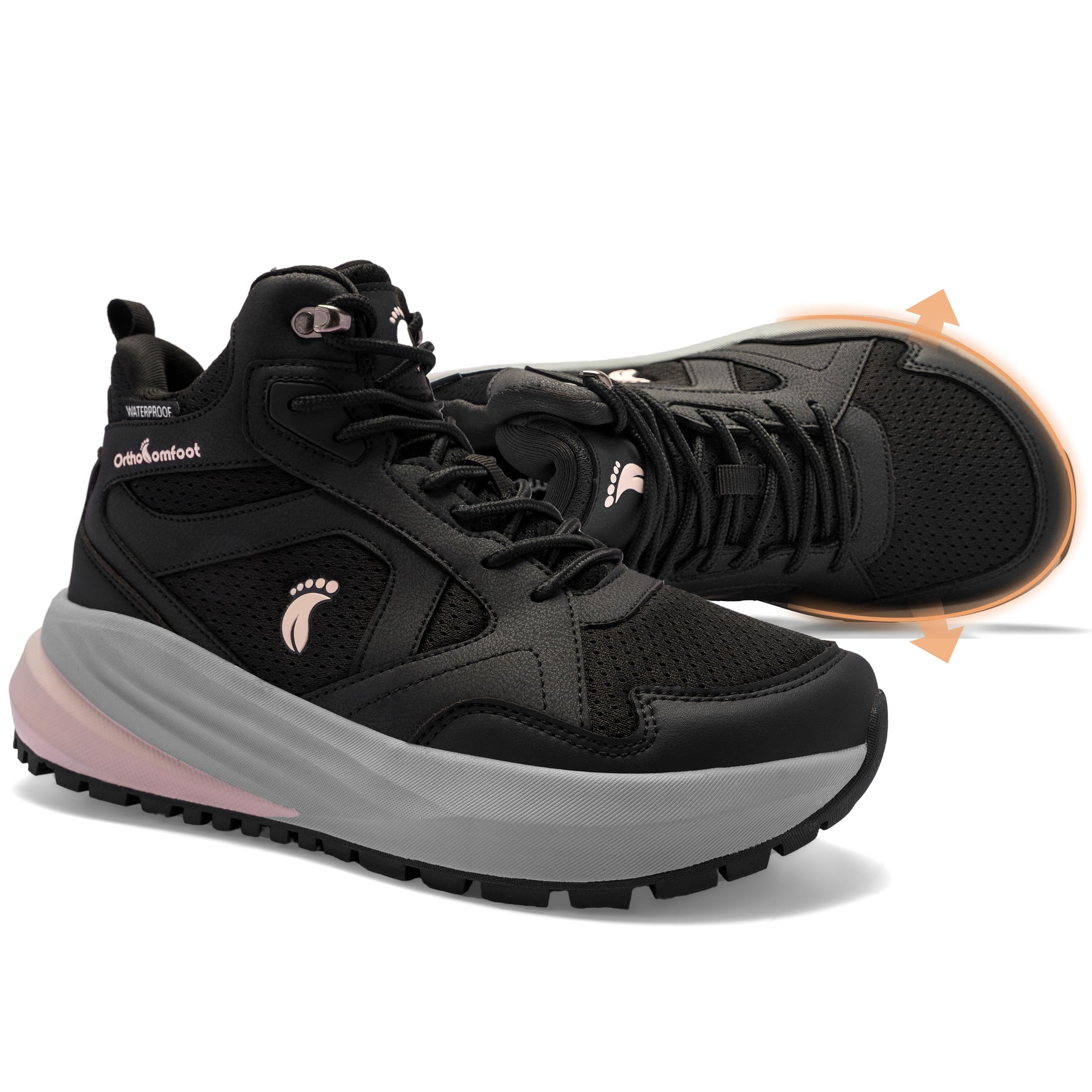
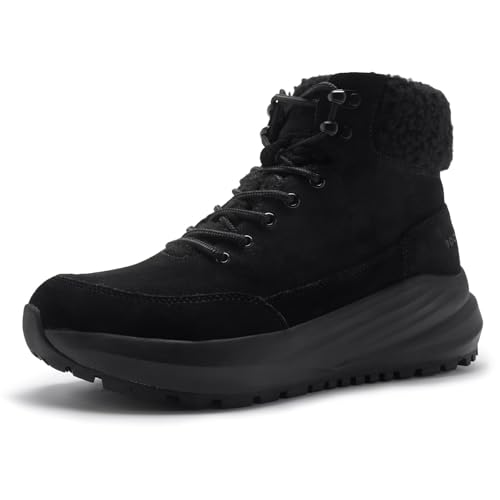
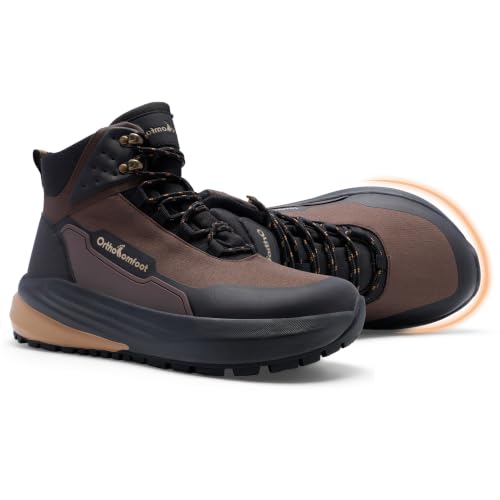
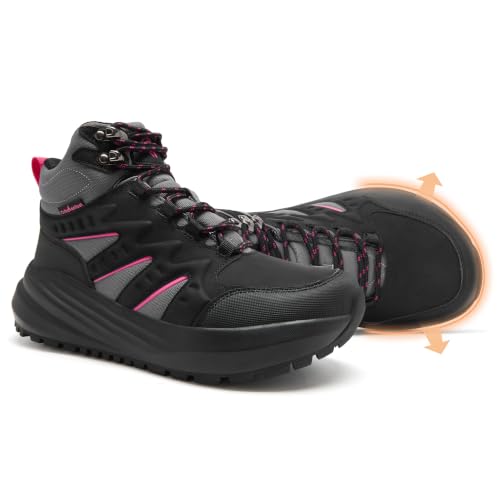
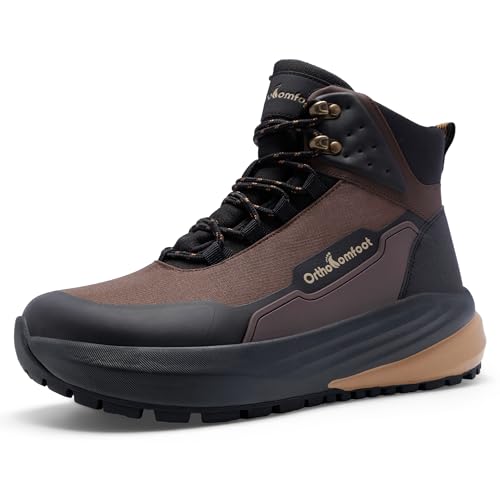
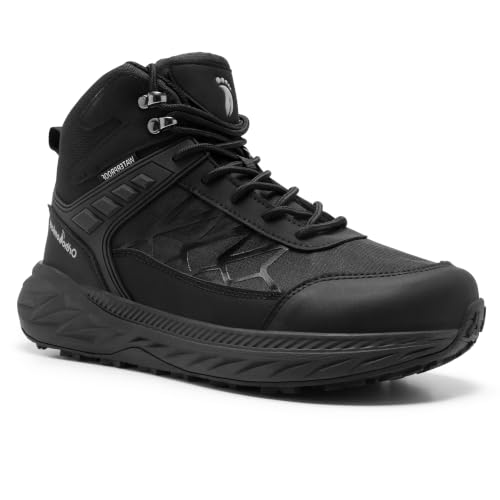

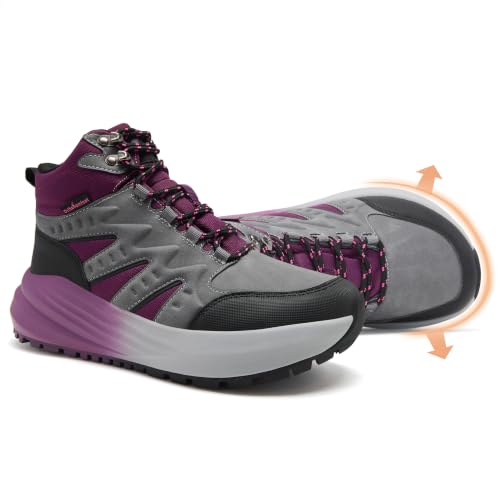
Best Boots for High Arch: Types Compared
Boot types differ mainly in how much structure they put under the arch. The table below gives the short version, and the three sections after it explain each type in plain terms.
| Type | Best For | Pros | Cons | Typical Price |
|---|---|---|---|---|
| Lightweight Boots | Day hikes and travel | Easy break in, low fatigue, flexible sole | Less arch structure, thinner cushioning | about $80 to $140 |
| Stability and Support Boots | Long shifts and heavy loads | Firm arch support, stable heel, durable build | Heavier, stiffer feel at first | about $120 to $200 |
| Neutral Cushioned Boots | Everyday wear and mixed use | Soft landing, versatile, gentle on joints | Cushioning packs down over time | about $90 to $160 |
Lightweight Boots
Lightweight boots use flexible soles, soft midsoles, and fabric or split leather uppers to keep weight low, often under two pounds per pair. They suit day hikes and jobs with lots of walking on even ground, because your legs tire more slowly.
The trade off is structure: the arch area is usually a simple foam footbed with little built in support. If your high arch aches in flat shoes, plan on swapping in a shaped insole. Trail walkers who want more support in this style can compare the best hiking boots for high arches for sturdier options.
Stability and Support Boots
Stability and support boots add a firmer midsole, a shaped arch contour, and a snug heel cup that keeps the rear foot from rolling outward. That structure matters for high arches because a rigid arch tends to supinate, landing hard on the outer edge of the foot. These boots spread pressure more evenly and feel steady under a pack or during long shifts on concrete.
The cost is weight and stiffness, and most need a week or two of short wears before they feel natural. Workers who stand all day often start with the best work boots for high arches in this category.
Neutral Cushioned Boots
Neutral cushioned boots sit between the other two types. They use a thick, even layer of foam with no firm post under the arch, so the foot lands softly without being guided in any direction. They are a good match for high arch walkers whose feet do not roll much and who mainly want shock absorption on pavement or packed trails.
Because soft foam compresses with use, the comfort fades sooner than the upper wears out. Rotating a second pair every other day slows that decline and keeps the cushioning springy for longer.
Lightweight Boots vs Stability and Support Boots: Which Should You Choose?
Start with how your feet feel at the end of a normal day. If the ache sits in the ball of the foot and your outer soles wear down fastest, the firmer structure of a support boot usually helps more. If your main complaint is tired legs on long walks, a lightweight boot with a replacement insole is often enough.
Weight is the second check: support boots can add half a pound or more per foot, which matters on hills. The third check is the surface, since hard floors reward structure while soft trails reward flexibility. The comparison table above shows how the price bands line up with each style.
How to Choose the Right Boot
Fit, Sizing, and Toe Box
Measure your feet late in the day, when they are at their largest, and shop by that measurement rather than your usual shoe size. A high arch shortens the foot slightly as it rises, so many people need a touch more length than they expect. Look for about a thumb width of space in front of your longest toe and a toe box tall enough that the top of your foot does not press into the upper. If one foot is larger, fit the larger one and use a thicker sock or insole on the smaller side.
Cushioning and Support
Cushioning and support do different jobs. Cushioning absorbs impact at the heel and forefoot, where a high arch concentrates pressure, while support fills the gap under the arch so weight spreads across the whole foot. A heel to toe drop of about 8 to 12 mm suits most high arch walkers because it reduces strain on the calf and Achilles.
Press the midsole with your thumb: it should give slightly, then push back. A midsole that collapses flat under light pressure will not protect you for long.
Durability and Expected Lifespan
Unlike running shoes, which are often replaced after about 300 to 500 miles, a well made boot should last several years of regular use. The outsole is usually the first part to go, so check that the lugs are deep and the rubber feels hard rather than spongy. Stitched soles can often be resoled, which extends the life of a leather boot well past a glued sole. Full grain leather uppers and abrasion guards at the toe and heel extend upper life.
Arch Support and Foot Type
Check your foot type with a wet footprint on paper or cardboard. A high arch print shows the heel and forefoot with only a thin band, or no band, along the outer edge. That shape pairs with a contoured footbed that rises to meet the arch instead of leaving it hanging.
On rest days, rotating to shoes shaped for the same foot type keeps the support consistent, and our guide to the best shoes for high arches covers lighter options. If foot pain keeps returning, or you notice numbness, tingling, or swelling that does not settle, see a doctor or podiatrist rather than hoping a new boot will fix it.
Features That Matter for High Arch Feet
Four features matter more for this foot type than any others. First, a removable footbed, because most high arch walkers eventually add their own insole or orthotic and need the room. Second, a padded collar and tongue, since the top of a high arch foot sits tall and can rub against laces.
Third, a firm heel counter that grips the rear foot and limits outward roll. Fourth, some torsional stiffness: hold the boot at both ends and twist, and it should resist rather than wring out like a towel. Shoppers comparing the best boots for high arch support should weigh these four points before color or brand.
How to Make Your Boots Last Longer
Air dry wet boots at room temperature, away from direct heat, because a heater or radiator can crack leather and warp foam footbeds. Loosen the laces fully before pulling boots off so the heel counter keeps its shape. Rotate two pairs if you wear boots daily, giving each midsole a full day to recover its cushioning.
Brush dirt off after muddy use, since grit left in the seams grinds through stitching over time. Finally, replace the footbed once it flattens, usually well before the boot itself wears out, and the support you bought the boot for comes back.
Frequently Asked Questions
What features matter most in boots for a high arch?
A contoured arch, a firm heel counter, and a removable footbed matter most. Together they spread pressure away from the heel and the ball of the foot, which is where a high arch loads the ground. One point many shoppers miss is lace hardware: boots with a locking eyelet near the ankle let you snug the heel without crushing the top of the foot, which improves comfort more than extra padding does.
How long is the break in period for high arch boots?
Most high arch boots feel right within one to two weeks of regular wear. Start with short outings of an hour or two, then add time as the upper softens and the footbed molds to your arch. Support boots take the longest because the firmer midsole needs time to settle. If a specific spot still rubs after two weeks, that is a fit problem rather than a break in problem, and it rarely improves with more wear.
How often should I replace boots for high arches?
Replace your boots when the outsole lugs wear smooth at the heel or the midsole feels dead and flat under the ball of the foot. For daily wear that is often about two to three years, while occasional hikers may get twice that. A useful check is to set the boots on a flat surface and look from behind: if the heel leans noticeably to one side, the structure that supports your arch is done.
How should boots for a high arch fit?
Boots for a high arch should fit snug at the heel, roomy at the toes, and supportive under the middle of the foot. Your arch should rest on the footbed with gentle contact along its full length, not a gap you can feel when you press down. The heel should lift only slightly as you walk.
Do I need waterproof boots for high arches?
You only need waterproof boots if you regularly walk through standing water, wet grass, or snow. A waterproof membrane adds warmth and slows drying, which can be a drawback in summer. For mostly dry use, a water resistant leather upper sheds light rain without the extra heat. If you do choose a membrane boot, pick one with a gusseted tongue, since a standard tongue lets water in at the laces long before the membrane is put to work.
Final Thoughts
Choosing well comes down to three checks: the type that fits your routine, a footbed that truly meets your arch, and enough toe room for a foot that sits tall. Lightweight boots favor long distances, support boots favor long hours, and neutral cushioned boots cover the ground between them. Match those points to your day and the best boots for high arch pick becomes straightforward. Compare the types and price bands in the comparison table above one last time before you order.