Best Boots with Arch Support: A First Time Buyer's Guide for 2026
Disclosure: We may earn a commission when you buy through links on this page, at no extra cost to you. As an Amazon Associate I earn from qualifying purchases. Learn more

Best boots with arch support, explained for first-time buyers: key terms, fit, cushioning and traction, plus the rookie mistakes to avoid.
Shopping for supportive boots can feel confusing when every pair claims comfort, yet the details that matter are simple once you know them. A best boots with arch support choice depends on your arch shape, your daily routine, and how the boot fits with your socks and any inserts you use. This guide explains the comparison table below in plain language, so you can compare options with confidence even if this is your first pair.
Start with your feet and your day, not with a brand or a price tag. A boot for long standing on hard floors needs different cushioning from a boot for uneven trails, and a boot that feels soft in the store can still fail on a long shift. Use the sections below to learn the terms, check fit carefully, and avoid the mistakes that send many first time buyers back for an exchange.


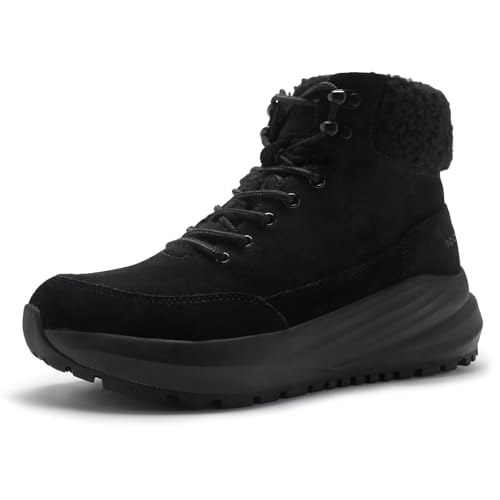
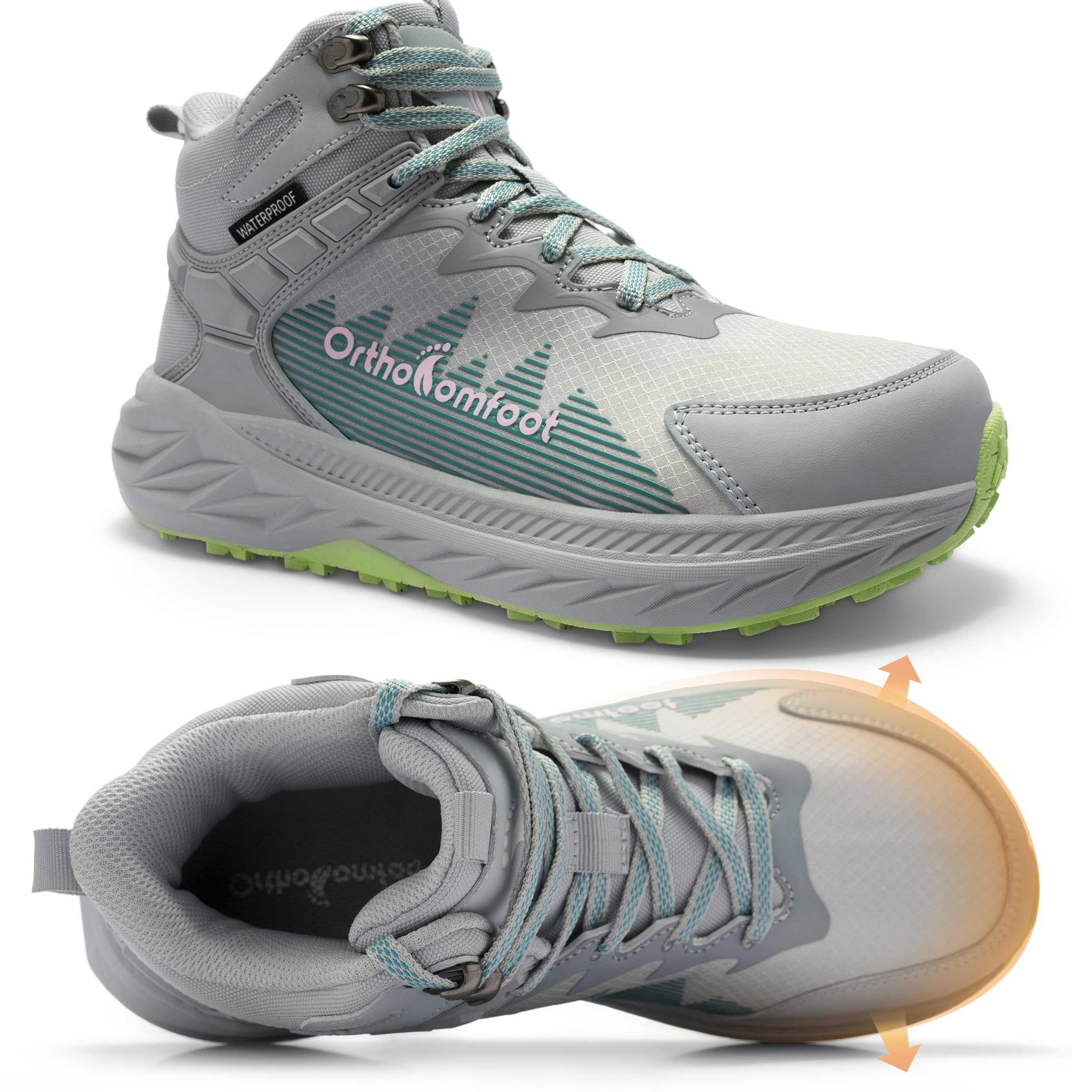
Boots 101: The Basics
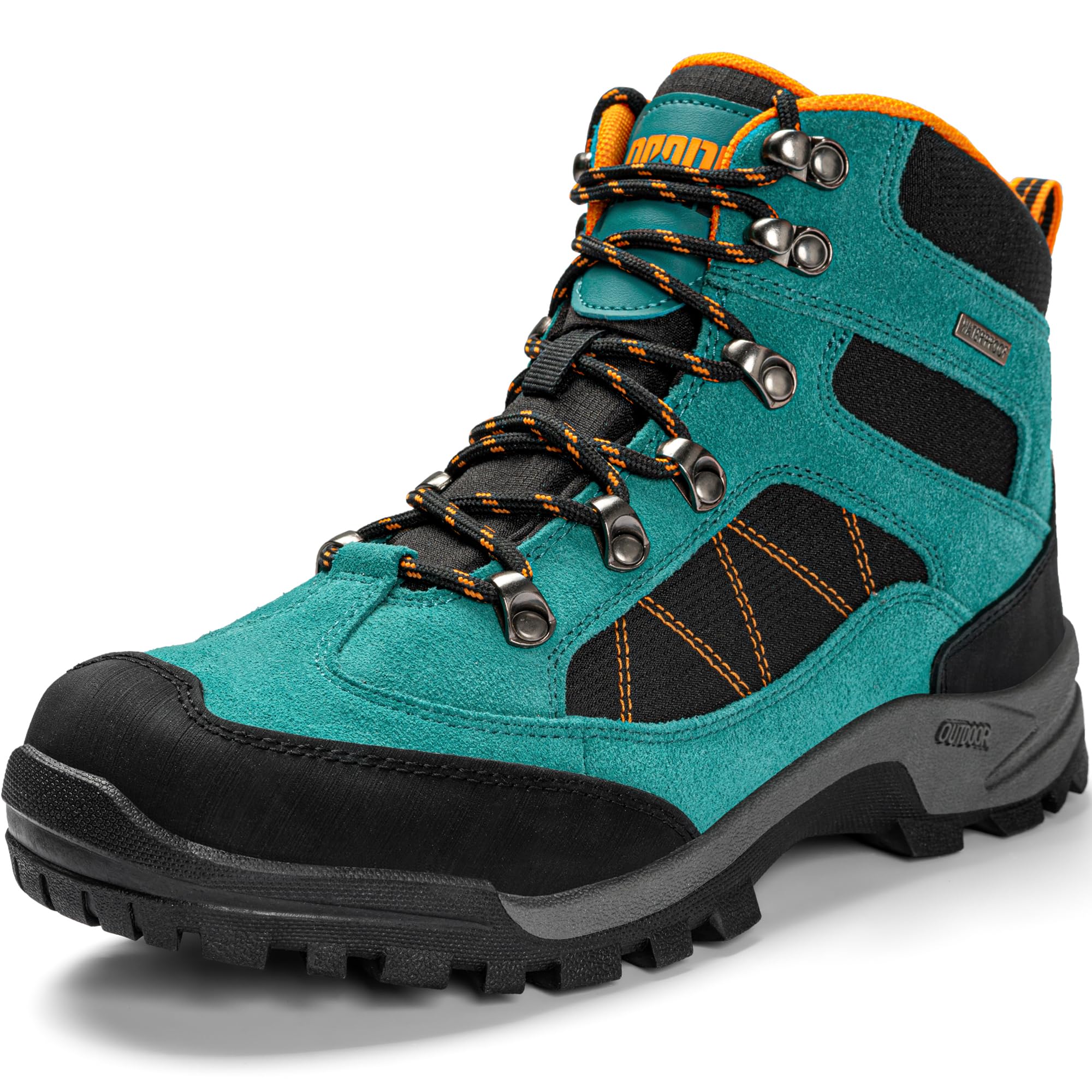
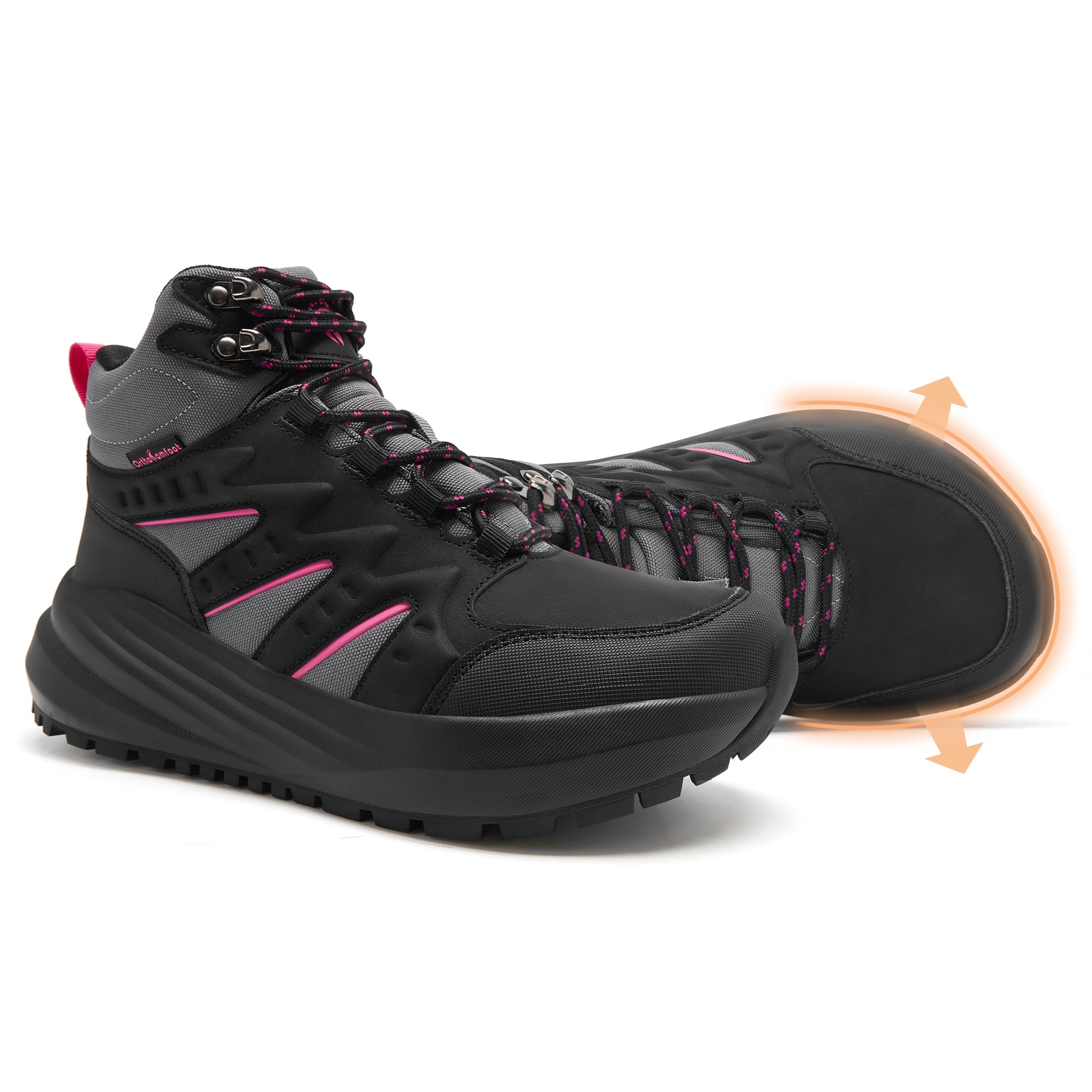
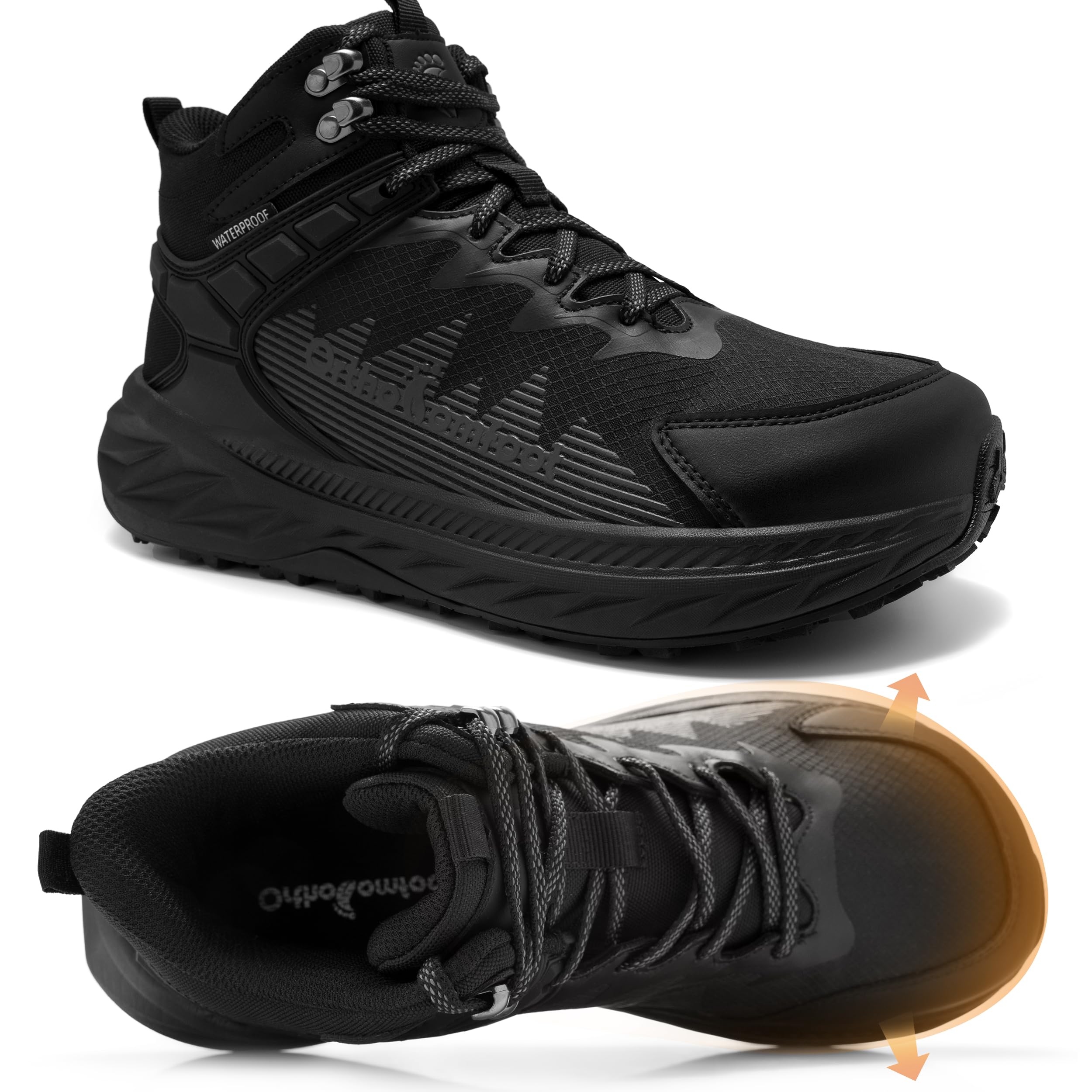
A boot is a closed shoe with a higher upper that covers the ankle in most styles, and it protects the foot while giving structure for walking, standing, and work. The upper is the material above the sole, the midsole is the cushioning layer under the foot, and the outsole is the bottom layer that grips the ground. The footbed, also called the insole, sits inside the boot and shapes how the arch is supported. Arch support itself is the shape and firmness under the middle of the foot, and it helps spread pressure instead of letting the whole load fall on the heel or the ball of the foot.
First time buyers often focus on softness alone, but softness without structure can let the foot roll inward or tire quickly. A better test is how the boot feels after walking, standing, and turning, not only while seated. Walk on a hard floor, try stairs if you can, and notice whether the heel stays in place and the toes have room to move.
Key Specs Explained in Plain English
The specs below sound technical, but each one has a clear effect on comfort. Read them with your routine in mind, and remember that one strong spec cannot rescue a poor fit.
Why Choose a Boot With Arch Support
Arch support helps the foot keep a steadier shape during walking and standing, which can reduce fatigue for people who spend long hours on their feet. It is most helpful when the support matches your arch height and does not push too hard into the middle of the foot. Try the boot for a real walk, and see a doctor if you have persistent foot pain, swelling, numbness, or a condition that affects walking, since general comfort guidance cannot replace personal medical advice.
Fit, Sizing, and Toe Box
Fit starts with measuring both feet late in the day, when feet are slightly larger, and wearing the socks you will use most often. A roomy toe box lets toes spread and reduces rubbing, while a snug heel keeps the foot from sliding forward on slopes or long walks. The boot should bend near the ball of the foot, and your toes should not hit the front when you walk downhill or stop suddenly.
If you use an insert, test the boot with that insert in place, since it changes the space inside the boot and can alter the fit. For insert options that pair well with supportive boots, see our guide to best arch support insoles for boots and how thickness affects sizing.
Cushioning and Support
Cushioning absorbs impact, while support controls how the foot moves inside the boot. Stability styles use firmer material on the inner side to limit inward rolling, while neutral styles offer even cushioning without that extra control. Heel to toe drop is the height difference between the heel and the front of the boot, and a lower drop often feels more natural, while a higher drop can feel easier on the calves during long standing. Midsole thickness also matters, since a very thick sole can feel soft but less stable on uneven ground.
Weight and Flexibility
Weight affects fatigue more than many buyers expect, especially on long days. A lighter boot can feel easier by the afternoon, while a heavier boot may offer more protection and durability for rough work. Flexibility matters too, since a boot that bends with your step feels more natural than a stiff boot that fights each stride. The best balance depends on your routine: light and flexible suits long indoor days, while a sturdier build suits outdoor work and uneven ground.
Outsole Traction and Terrain
Traction comes from lug depth, lug pattern, and rubber firmness, not from looks alone. Deep, widely spaced lugs shed mud on soft ground, while shallower, denser lugs grip smooth indoor floors more evenly. A boot that grips well outdoors may feel slippery on a polished floor, so match the outsole to your main surface. Check for a heel design that resists slipping on wet surfaces if you work around water or smooth floors.
Picking the Right Boots for Different Uses
Different uses call for different support, weight, and weather protection, even when the arch support itself is similar. The two groups below show how to adapt the same core idea to distinct routines. If your day spans both groups, favor the group that covers your longest or hardest part of the day.
Best Men's Boots for Arch Support: Tips for First Time Buyers
Men's lasts, the foot shapes makers use, often run wider with a broader heel and a roomier toe box, so first time buyers should check width as carefully as length. Look for a stable heel counter, a midsole that holds its shape under load, and an outsole matched to your main surface. If you stand on concrete for hours, favor cushioning and a removable footbed so you can adjust support over time. For colder weather versions of the same idea, see our guide to best winter boots with arch support and how insulation changes fit.
Best Army Boots for Arch Support: Tips for First Time Buyers
Army style boots are built for long marches, rough ground, and heavy loads, so they often use taller uppers, firmer ankle support, and deeper lugs than everyday boots. First time buyers should expect a longer break in period and plan short wears before a full day in them. Check ankle padding, lace lockdown, and how the boot handles water and mud, since those details matter on long outdoor days. For snowy versions of the same rugged idea, see our guide to best snow boots with arch support and how waterproofing affects warmth and weight.
Rookie Mistakes to Avoid
- Buying by softness alone, then finding the boot lacks the structure to support the arch all day.
- Choosing a size up to fix a narrow toe box, which only adds heel slip and blisters.
- Skipping a real walk test and judging fit only while seated in the store.
- Ignoring sock thickness and inserts, which can change the fit inside the boot.
- Wearing a stiff new pair for a full shift on day one instead of breaking it in with short wears.
Getting Started: Setup and First Use
When a new pair arrives, try it on late in the day with your usual socks and any insert you plan to use. Walk around the house, climb stairs, and stand for a while, checking for heel slip, toe pressure, and arch discomfort. Adjust laces in small steps, starting near the toes and working up, so pressure spreads evenly rather than pinching one spot. Wear the boots for short outings first, then extend the time gradually over several days.
Air dry wet boots away from direct heat, and check the fit again after the first week, since uppers often soften slightly with wear. If pain, numbness, or swelling persists, see a doctor rather than pushing through it, since fit alone may not explain the problem.
Boots: Your Questions Answered
How should supportive boots fit?
Supportive boots should fit with room for toes to move, a heel that stays in place, and arch support that feels steady without digging into the foot. Measure late in the day, wear your usual socks, and test the fit with any insert you plan to use. Walk on a hard floor and try a few steps, since a boot that feels fine while seated can pinch in motion. The boot should bend near the ball of the foot, and your toes should not hit the front on a downhill step.
How long is the break in period for supportive boots?
The break in period for supportive boots is usually a few short wears for soft builds and one to two weeks of short wears for stiffer builds. Wear new boots around the house first, then for short outings, before a full day on your feet. Adjust laces gradually as the upper softens, and watch for pressure points at the heel, ankle, and toe box. A point that stays painful after several short wears usually signals a size or shape problem.
Are expensive supportive boots worth it?
Expensive supportive boots are worth it when the extra cost buys better materials, stronger stitching, and a midsole that keeps its shape through your routine. They are not worth it if the price only buys a louder look on a poorly fitting boot. Compare midsole firmness, heel counter strength, and outsole quality across price levels, and match the build to how often you wear the boots. About $90 to $160 is a common range for solid everyday support, while about $160 to $250 often buys more durable builds for frequent or rough use.
Can I wear supportive boots all day?
You can wear supportive boots all day when the fit, arch height, and weight suit your routine, but a new pair should be broken in with short wears first. Long days on hard floors call for cushioning plus structure, while long outdoor days call for traction and ankle support as well. If pain, numbness, or swelling appears during the day, remove the boots and see a doctor if the problem persists, since all day comfort should not come at the cost of foot health.
Do I need waterproof supportive boots?
You need waterproof supportive boots only if you often walk in rain, mud, or wet grass. For mostly indoor or dry weather wear, a water resistant pair usually breathes better and feels lighter. Waterproof boots can feel warmer, so weigh weather protection against comfort for your normal routine. A water resistant everyday pair plus a separate waterproof pair may serve you better than one compromise pair if you face both dry days and wet days.
How often should I replace supportive boots?
Replace supportive boots when the sole grip fades, the heel wears unevenly, the midsole loses bounce, or seams start to split. Daily wearers may reach that point sooner than occasional wearers, and wet use can shorten life further. A simple check is to look at tread depth, press the midsole for rebound, and walk a short distance to feel for new soreness. Replacing a worn pair promptly protects comfort and grip, while waiting too long can lead to fatigue or slips on long days.
Wrapping Up
For a first pair, focus on fit first, arch match second, and surface third, then let price and style follow. Walk in the boots, test them with your socks and inserts, and break them in gradually before a long day. The product table above can help you compare options side by side, but your own walk test is the final check. With that approach, a best boots with arch support choice becomes a practical decision you can feel confident about, and a pair that supports you well from the first week to the last.