
Best Boots for Heavy Guys in 2026: Which Type Is Right for You?
Disclosure: We may earn a commission when you buy through links on this page, at no extra cost to you. As an Amazon Associate I earn from qualifying purchases. Learn more

Firm cushioning, wide fits and sturdy soles: the best boots for heavy guys, compared by type.
Boot shopping gets confusing when every style claims strong support, because a heavier frame loads a boot differently. Midsoles compress sooner, heels wear faster, and a toe box that feels fine in the store can pinch by late afternoon. The best boots for heavy guys answer that load with firmer cushioning, a stable base, and room where your foot spreads.
This guide compares boot types rather than naming products, so you can match a style to your work, weather, and feet first. Use the comparison table below to see how the types differ, then read on for the fit checks that matter most.




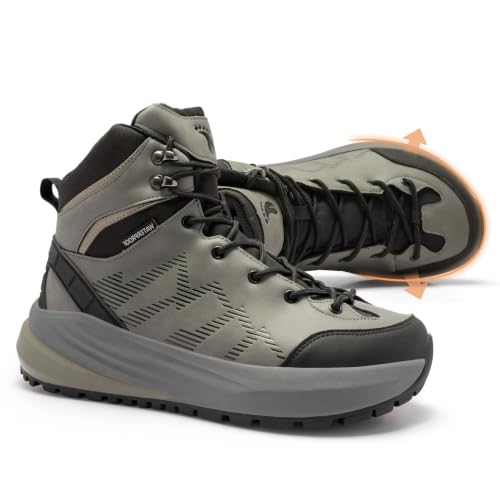
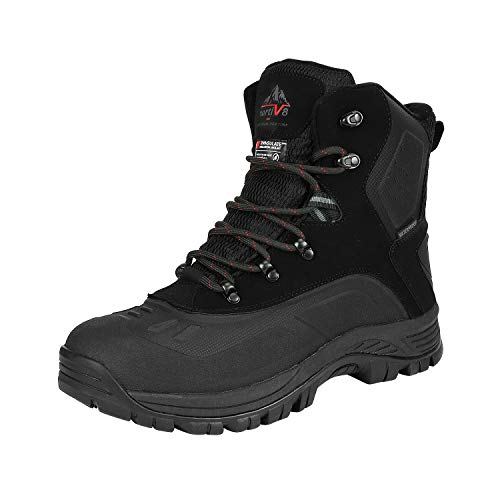
Who Should Buy Boots Built for a Heavier Frame
Heavy Guys Who Stand and Walk on Hard Floors All Day
Warehouse, retail, and service work puts thousands of loaded steps onto concrete, each landing with more force when you carry more weight. You need a firm, thick midsole that resists packing down and an outsole that grips polished floors when wet. If work is your main use, see our guide to the best work boots for heavy guys.
Heavy Guys With Wide Feet and Tired Arches
Extra weight often comes with a wider forefoot and arches that flatten more under load, so a standard width boot can squeeze the toes while feeling loose at the heel. Look for true wide sizes, a roomy toe box, and firm arch support. A removable insole matters too, because you can swap in a more supportive insert once the stock one compresses.
Heavy Guys Who Spend Weekends Outdoors
Trail and yard use adds mud, wet grass, and slopes, where a heavier body raises the slide and ankle roll risk on descents. You benefit most from deep lugs, a waterproof membrane, and a shaft that steadies the ankle. Your boot can be stiffer than a work style, because grip matters more than a light feel.
Types of Boots for Heavy Guys Compared
Comparing the best boots for heavy guys starts with the job the boot does, because no single type handles dry floors, mud, and cold equally well.
Rugged Work Boots for Daily Load Bearing
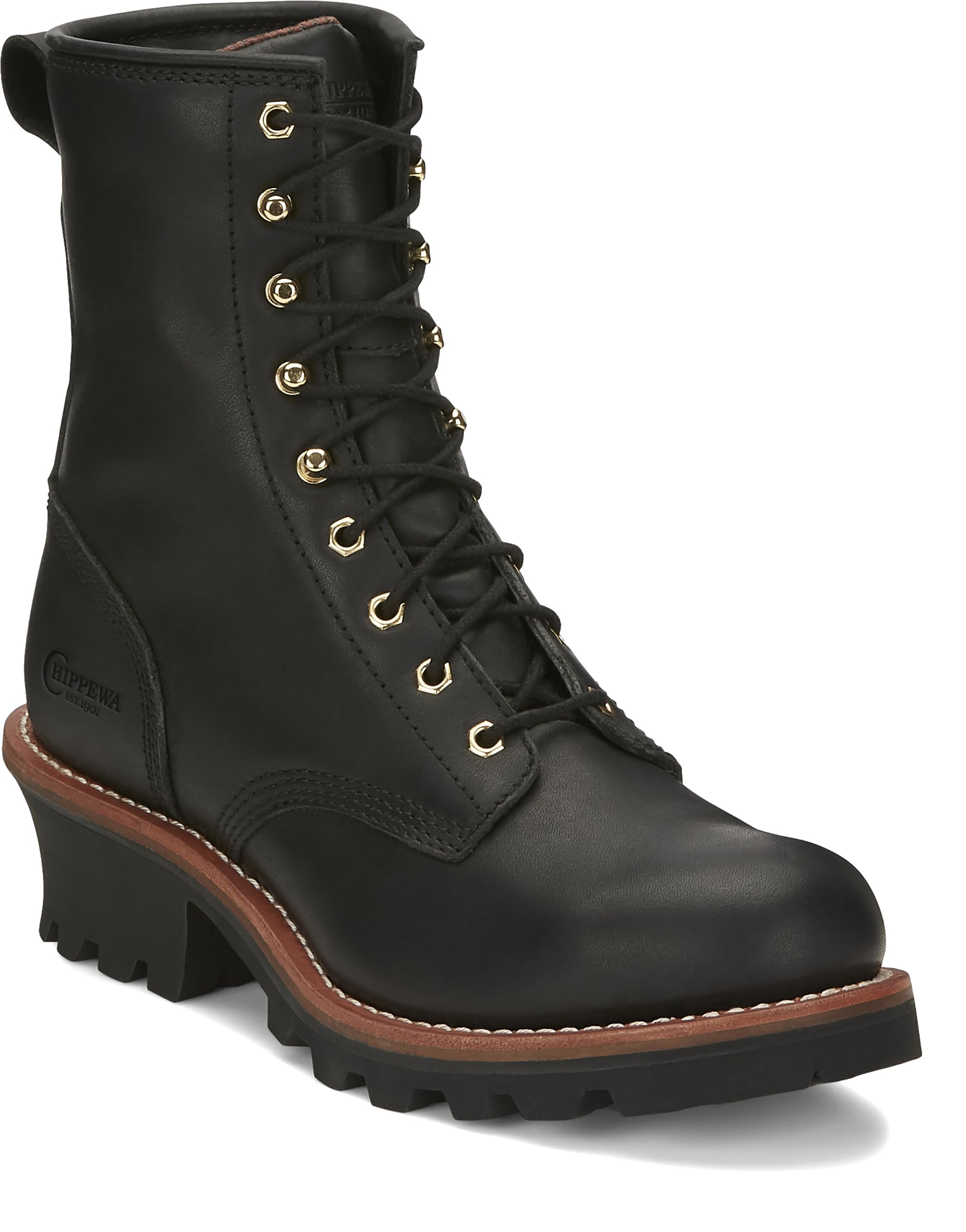
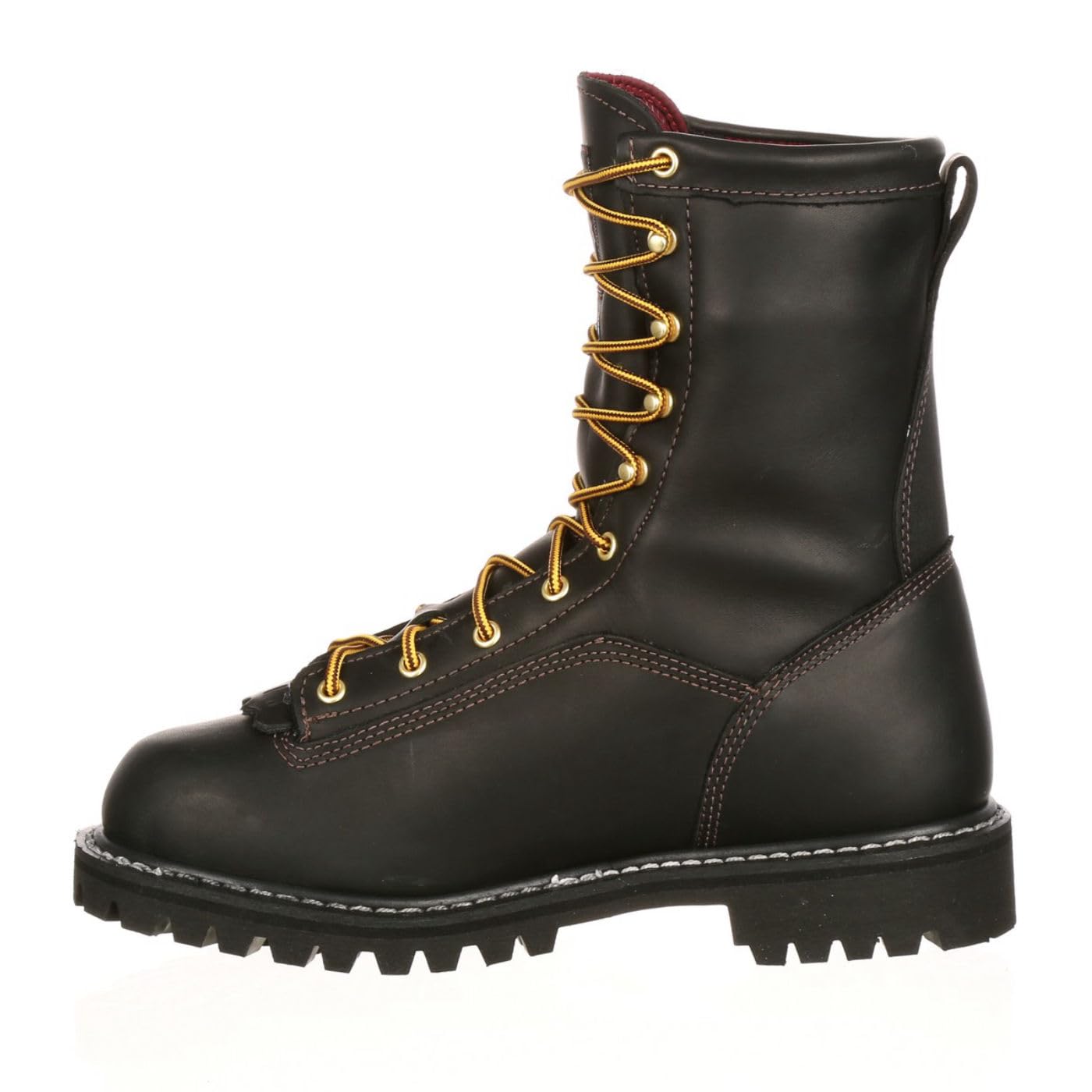
Work boots are the default choice for heavy guys because they pair a thick, shock absorbing midsole with a durable leather upper and a protective toe option. Prices run about $100 to $250 depending on safety ratings and waterproofing. The trade off is weight, since a sturdy pair feels heavy late in a shift. Choose this type for job sites and chores, and pick a wide size from the start rather than hoping leather will stretch.
Waterproof Hiking Boots for Trails and Wet Ground
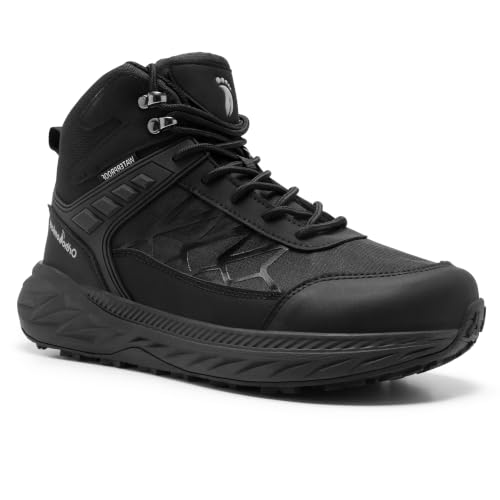
Waterproof boots use a sealed membrane inside the upper to keep rain and puddle water out while the lugged outsole bites into mud and gravel. Expect to pay about $90 to $220 for a supportive pair in wide sizes. They run warmer than breathable styles, so feet may feel hot on summer hikes. This type suits heavy guys who walk wet paths or hike moderate trails, where grip protects joints on downhill steps.
Insulated Winter Boots for Cold and Snow
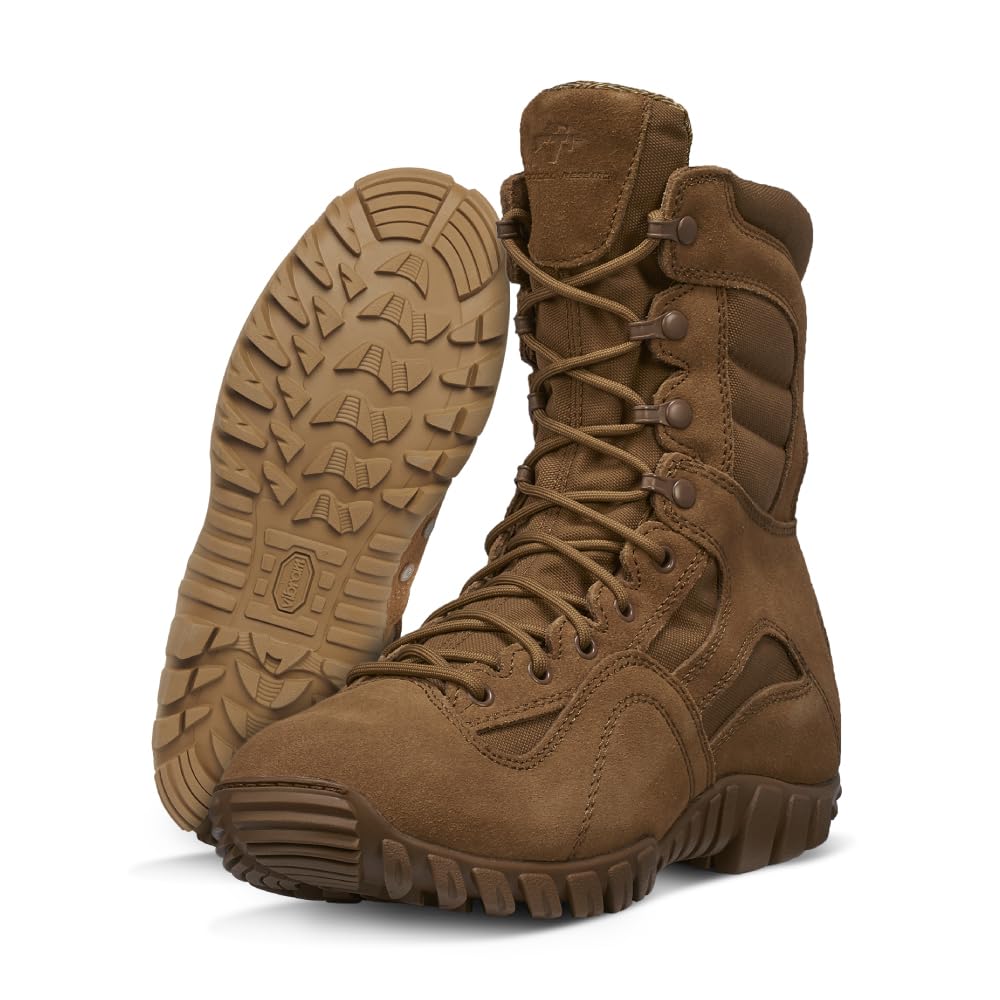
Insulated boots add a warm lining and a taller shaft, which spreads lacing pressure and keeps snow from spilling over the collar. Most fall in the range of about $80 to $200, and the insulation makes them too warm for indoor or summer use. Fit matters even more here, because thick socks change volume and a tight fit cuts warmth. For a ski day boot, see our guide to the best ski boots for heavy guys.
Casual Boots for Everyday Wear With Real Support
Casual styles such as chukka and Chelsea boots look clean with jeans, yet many hide a thin sole that bottoms out quickly under a heavier frame. A good casual pair still needs a cushioned footbed, a rubber outsole with real tread, and depth for an insole. Prices run about $70 to $180. For a broader view of everyday styles, see our guide to the best boots for guys.
Key Features to Compare in Boots for Heavy Guys
Cushioning That Resists Packing Down Under Load
Cushioning is the foam or rubber layer between your foot and the ground, and higher load compresses it further with every step. A very soft midsole feels plush in the store but can bottom out within weeks, leaving heels and knees to absorb the shock. Look for a firm, dense midsole that gives slightly under thumb pressure rather than collapsing. Guys over about 230 pounds do better with that firmer feel.
Arch Support and Overall Stability
Arch support works with a firm heel counter and a wide, flat base to keep your foot from rolling inward as fatigue builds. Stability matters more at higher weights because a small ankle roll travels upward with more force behind it. If you notice persistent foot pain, numbness, or swelling that does not ease after rest, stop treating it as a fit problem and talk with your clinician about personal needs.
Outsole Grip and Wear Resistance
The outsole is where a heavier frame shows wear first, usually at the outer heel where each step lands. Deep lugs suit mud and gravel, while flatter tread with many small edges grips wet concrete and shop floors better. Softer rubber wears faster under load, so pavement walkers should favor a harder compound. Check that tread stays open at the heel and forefoot, because shallow tread loses grip where weight presses hardest.
Wide Toe Box, Calf Room, and True Sizing
Measure both feet late in the day, when they are largest, and shop to the longer foot. Your toes should spread without touching the sides, with about a thumb width of space ahead of your longest toe for downhill walking. Heavy guys often need wide sizes and extra calf room, so check shaft circumference before ordering. A heel to toe drop of about 4 to 8 mm can feel steadier if you are used to flat shoes.
Breathable Uppers Versus Waterproof Protection
Full grain leather lasts longest and molds to your foot, but it breathes slowly and needs regular conditioning. Mesh and knit panels feel breathable and light, yet they offer less ankle structure and wear faster at flex points. A waterproof membrane solves wet weather but traps heat, which can mean damp socks from sweat on warm days. Match the upper to your climate first: breathable for hot, dry work, waterproof for wet seasons, leather when durability matters most.
Common Mistakes to Avoid When Buying Boots as a Heavy Guy
- Buying your sneaker size without trying wide sizes, so toes stay squeezed and blisters form.
- Choosing the softest cushioning on the shelf, so the midsole packs down within weeks.
- Ignoring your calf measurement on tall boots, so the shaft binds and pinches all day.
- Wearing one pair every day, so the cushioning never recovers and the boot wears out far sooner.
- Judging fit in the morning on fresh feet, so the boot feels painfully tight once feet swell during a shift.
- Picking smooth fashion soles for wet work areas, so a heavier frame slides further in a fall.
Care and Maintenance for Boots That Carry More Weight
Rotate two pairs if you wear boots daily, giving each pair a day to dry and let the compressed cushioning rebound. Brush dirt off after use and let wet boots air dry away from direct heat, which cracks leather and warps foam. Condition leather uppers every few months so they stay flexible. Replace worn insoles first when comfort fades, and retire a pair when heel tread wears smooth.
Boots for Heavy Guys: Your Questions Answered
How should boots for heavy guys fit around the calf and ankle?
Boots for heavy guys should lace snugly around the ankle without cutting circulation, and the shaft should clear your calf with room for your socks. Measure your calf at its widest point while standing, then compare it with the shaft circumference in the size notes. A useful home check is walking down stairs: your heel should stay seated.
Do heavy guys need waterproof boots for everyday wear?
No, heavy guys do not need waterproof boots for dry indoor or city wear, and skipping the membrane usually gives a cooler boot. Waterproofing earns its place when you regularly cross wet grass, slush, or muddy sites. A membrane also slows drying, so a waterproof pair worn daily can stay damp from sweat unless you rotate it with a second pair.
How long is the break in period for sturdy boots for heavy guys?
The break in period for sturdy boots usually runs about one to two weeks of gradually longer wear. Start with short errands, then add hours as the leather softens at flex points. Because a heavier frame flexes the boot harder, rushing into a full shift can create hot spots a lighter wearer might avoid. Wear your planned daily socks during break in, since sock thickness changes fit and friction.
Can heavy guys wear the same pair of boots all day on concrete?
Yes, heavy guys can wear one pair of boots all day on concrete if the midsole is firm and the fit leaves room for feet to swell by afternoon. Plan short sitting breaks when your job allows, because even good cushioning compresses steadily across a shift. A practical trick is loosening and retightening the lower laces at midday, which restores circulation and stops tingling many wearers blame on size alone.
How often should heavy guys replace their work and hiking boots?
Heavy guys should expect to replace daily work boots about every 12 to 18 months, sooner than lighter wearers using the same pair. Watch the wear pattern rather than the calendar: a heel worn down on one edge, cracks where the upper meets the sole, or returning aches despite fresh insoles all signal the end. Keep the retired pair for dirty chores.
Final Thoughts
Start with your main use, then judge every candidate on firm cushioning, a wide and honest fit, and an outsole that matches your ground. Those three checks filter out most poor choices early. When you are ready to compare options, the product table above pulls the shortlist together. The right pair of best boots for heavy guys should feel steady at hour one and still supportive at the end of your longest day.


