Best Boots for Guys: A Fit First Buying Guide for 2026
Disclosure: We may earn a commission when you buy through links on this page, at no extra cost to you. As an Amazon Associate I earn from qualifying purchases. Learn more

A fit first guide to the best boots for guys: work, winter, hiking and casual types, sizing checks, waterproof trade offs, and honest safety limits.
Most boot regrets are fit regrets wearing a costume. Guys buy a pair for its looks, its insulation rating or a single heavy duty feature, then discover at hour six of a shift or mile four of a trail that the toe box pinches, the heel swims, or the sole belongs on a different surface entirely. The best boots for guys are rarely the most expensive pair on the shelf, because boots reward the buyer who starts with fit and the job, then compares features.
This guide works in that order for every type of boot a man is likely to shop for. It begins with the fitting checks that decide comfort, moves through the six factors that separate a good pair from a returned pair, and then compares work, winter, hiking and casual boots by the job each one actually does. The product table collects current options in one place so you can weigh prices against the checks as you read.




Start With Fit: Checks to Run Before Choosing the Best Boots for Guys
Fit is decided in the store, not at home over a week of hoping, so run these checks in order every time you try a pair. They take ten minutes and they prevent nearly every common complaint about boots.
- Shop late in the day, when your feet are at their largest after hours of standing and walking, and never judge size on morning feet.
- Wear the socks you will actually use with the boots, since a thick work sock can take up a full half size of room.
- Leave about a thumb width of space, roughly half an inch, between your longest toe and the front of the boot.
- Walk a slope, stairs or an in store ramp, because toes that feel fine standing still will jam forward on any downhill.
- Accept a slight heel lift in a stiff new boot, which settles as the sole flexes, but reject any pressure on the toes, which never stretches into comfort.
- Expect sizes to differ between makers and even between lines from one maker, and order two sizes when returns are free.
Men with wide feet or larger sizes should treat width options as the first feature rather than an afterthought, since a long enough boot in the wrong width still crushes the forefoot. Our guide to best boots for big guys covers the width and size ranges that matter when standard sizing runs out.
Six Factors That Decide Whether Boots Earn Their Place
With fit confirmed, these six factors decide how a pair performs across a season of real use. None of them can rescue a bad fit, and every one of them beats a brand name as a reason to buy.
Last Shape and Width Options
Every boot is built around a last, the foot shaped form that sets its internal shape, and lasts differ more between makers than sizes do. Some brands run narrow through the heel with a close midfoot, while others build a roomy forefoot on the same marked size. Width options, usually marked as regular and wide, change volume as much as width, which is why high volume feet can feel crowded even in the correct length. If your toes splay or you wear orthotic insoles, choose makers that publish width choices and last shapes instead of simply sizing up, because extra length moves the flex point of the boot to the wrong place under your foot.
Waterproof Membranes, and When They Are Worth It
A waterproof membrane is a thin barrier layer inside the boot, with Gore Tex the best known example, and it keeps outside water out only up to the height of the boot itself. Step in water over the collar and the boot fills from the top, membrane or not. The trade off is warmth and drying time, because a membrane also slows the escape of sweat and a soaked membrane boot dries slowly once wet inside. Choose waterproof boots for wet ground, slush and rainy seasons, and choose unlined or mesh boots for hot dry work where breathability matters more than puddles.
Upper Materials: Leather, Mesh, and Knit
Full grain leather is the most durable upper and the slowest to break in, and it suits work and rough trails where abrasion is constant. Split leather paired with nylon panels cuts weight and price and appears on most mid priced hiking and work boots. Mesh and knit uppers breathe best and feel comfortable immediately, but they offer the least protection, stretch more over time, and wear through fastest at the flex points. Match the upper to the abuse it will meet rather than to appearance, because a handsome leather boot is wasted on a warehouse floor and a knit boot is miserable in brush and gravel.
Break In: What Settles and What Never Changes
A fair break in period softens leather at the ankle, lets the sole develop its flex, and usually calms the slight heel lift of a stiff new pair within a few weeks of regular wear. What break in never does is create toe room, widen a narrow last, or fix a boot that bends across your toes instead of behind them. Pain is information rather than a stage to endure, and a pair that hurts in the store will hurt more under load. Wear new boots around the house and on short errands first, while a return is still possible, before committing them to a full shift or a long hike.
Outsoles and Lug Depth by Terrain
The outsole decides where a boot belongs. Deep lugs of about 4 to 6 mm bite into mud and loose trail surfaces, while shallow, closely spaced lugs last longer and feel steadier on concrete and warehouse floors. Soft rubber compounds, including outsoles from specialist rubber makers such as Vibram, grip wet rock and smooth stone better but wear down faster on pavement. Hard compounds reverse that bargain.
Read the outsole against your ground honestly, because a trail lug pattern worn daily on concrete goes smooth within a season and a street sole on a muddy trail is a fall waiting for a slope.
Cushioning and Support Without the Marketing
Cushioning comes mainly from the midsole foam and the insole, and foam packs down over months of use, which is why an aging boot can fit perfectly and still feel hard by evening. Support is mostly fit and torsional stiffness rather than the arch claims printed on boxes, and a removable insole lets you substitute a firmer one if your feet prefer it. Very soft, thick midsoles feel kind on a showroom floor and tiring on uneven ground, where a firmer platform keeps the ankle steadier. Judge cushioning by a long day near the end of the trial period, not by the first five minutes.
Types of Boots, Compared by the Job They Do
The boots in the product table sort into a few working types, and most men need one type done well rather than one pair pretending to do everything.
Work Boots
Work boots are built for standing, carrying and hazards, with options that include steel, composite and carbon fiber safety toes, puncture resistant plates and electrical hazard rated soles. Composite toes suit cold outdoor work and sites with metal detectors, while steel remains the most common and usually the least expensive choice. Match the boot to the written rules of your workplace first, since no comfort feature matters if the safety rating is wrong. Weight is the honest cost of protection, and a heavy boot on concrete all day is its own argument for rotating two pairs.
Winter Boots
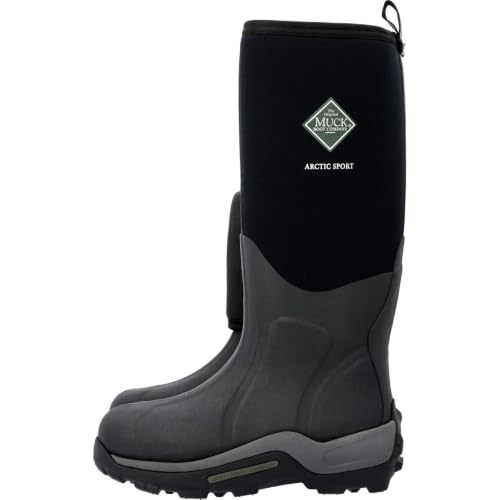
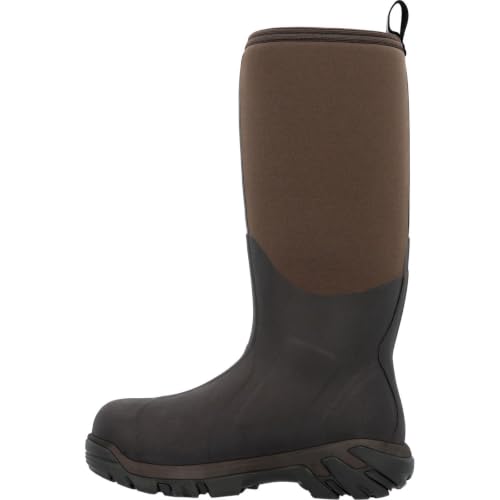
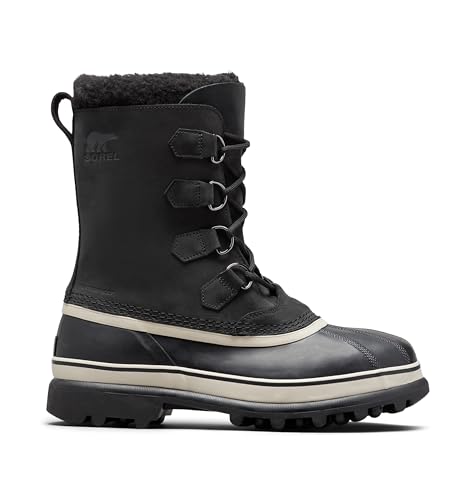
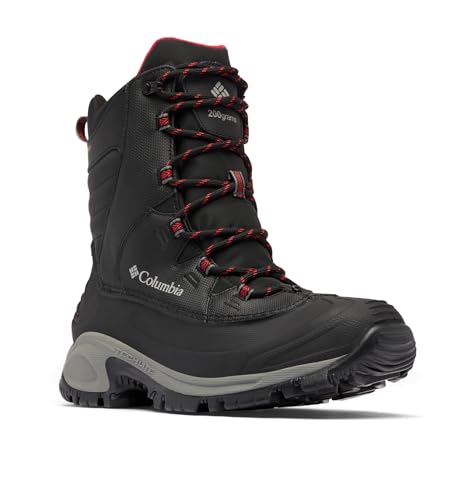
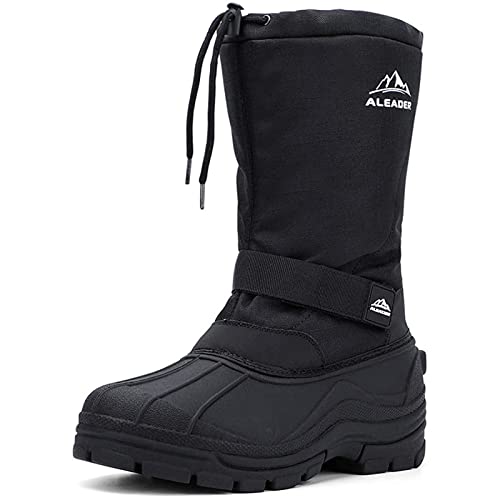
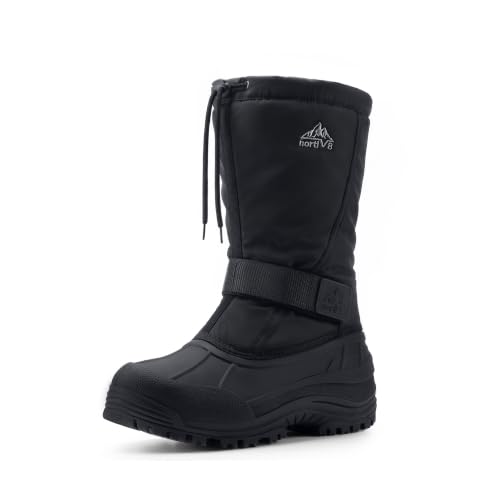
Winter boots trade breathability for insulation, using felt liners, synthetic insulation or shearling, often in a rubber bottom pac style that shrugs off slush. Removable liners matter more than the insulation figure, because a liner you can pull out dries overnight and a sealed insulated boot may not. Our dedicated guide to best winter boots for guys compares insulation weights and heights in detail. Buy winter boots a touch roomier than your summer pair, since thick socks and air space are part of how they keep feet warm.
Hiking Boots
Hiking boots support a loaded walker on uneven ground with a stiffer sole, a shaped shank and an upper that resists trail abrasion. Ankle height is a preference about feel and debris protection rather than a safety device, and plenty of strong hikers choose low cuts for light loads. Weight on your feet costs more energy than the same weight on your back, so take the lightest boot that still matches your pack weight and terrain. Waterproof versions suit cool wet trails, while breathable versions are kinder in hot dry country.
Casual and Everyday Boots
Casual boots, including Chelsea, desert and chukka styles, trade technical features for looks and easy wear with ordinary clothes. Their thinner soles and softer construction feel pleasant on pavement and wear out sooner under daily mileage, which is a fair bargain when style is the actual job. Treat them as footwear for town rather than as light work boots, since most lack safety ratings, deep lugs and serious water resistance. A single well chosen casual pair covers more of a normal week than a second technical boot usually does.
Some days boots are simply the wrong tool. In serious heat, around water, or on rest days between shifts, lighter footwear keeps feet healthier and lets boots dry and recover, and our guide to best sandals for guys covers the warm weather side of that rotation.
What Boots Cannot Do: The Honest Limits
Safety toe ratings are figures published by makers and standards bodies, and a rating describes performance in a controlled impact or compression check rather than a guarantee that a foot cannot be injured. Replace safety boots after any heavy impact even when they look undamaged, because a compromised toe cap may not protect twice, and always let your employer safety rules come before any buying preference.
No boot prevents ankle sprains or blisters, whatever the advertising implies, since both depend more on fit, conditioning, load and terrain than on ankle height or padding. Maker temperature ratings for winter boots follow no shared standard between brands, so a rating is a rough hint rather than a measurement, and no tread pattern makes ice safe, because packed ice defeats even deep lugs and calls for traction aids and shorter steps.
Boots are footwear, not treatment. They cannot fix foot pain, and persistent pain, numbness, swelling, or pain that changes the way you walk needs a doctor or a podiatrist rather than a different pair of boots.
Care and Maintenance That Adds Seasons
Boots die early from neglect more often than from hard use, and a few plain habits return whole extra seasons.
- Rotate two pairs when you wear boots daily, giving foam and leather a full day to recover, and rest your feet around the house in something lighter, as the options in our guide to best guy slippers suggest.
- Air dry wet boots at room temperature away from direct heat, since radiators and fires crack leather and weaken the glues that hold soles on.
- Brush off mud before it dries into the seams, and condition full grain leather once it looks pale and dry rather than on a fixed schedule.
- Replace insoles when they pack flat, because a fresh insole restores much of the cushioning of a boot whose upper and sole still have life.
- Resole stitched boots when the tread is gone but the upper is sound, and retire cemented sole boots when the midsole starts to crumble.
- Store boots upright and loosely stuffed with paper so they hold their shape and air can circulate between wears.
Boots for Guys: Questions Answered
What features matter most when men buy boots?
Fit matters first, then an outsole matched to your ground, then an upper matched to your weather and work. One feature buyers undervalue is the returns policy, because boots reveal their real fit only after several full days and a generous exchange window is worth more than a small discount. Spend your money in that order: a maker whose lasts suit your feet, the correct type for the job, and only then premium materials. A boot that aces those three checks rarely disappoints, whatever its price.
Do men need waterproof boots for everyday wear?
Most men do not need a waterproof membrane for everyday wear, because treated leather shrugs off brief rain and dries faster than a membrane boot once soaked. Membranes earn their place when your day includes standing water, slush or long hours on wet ground. One point brochures skip is upkeep: a membrane boot whose outer leather stays dirty stops beading water and feels clammy, so regular cleaning is part of owning one. For mixed town use, a water resistant leather boot is usually the calmer choice.
Can men wear the same boots all day at work and on weekends?
One pair can cover both, but it will be a compromise at each job rather than a strength at either. Standing on concrete all day rewards a softer midsole and room through the toes, while trails reward a firmer platform and stronger lugs, and a single boot splits that difference. A do everything pair also wears out sooner, since it never gets a rest day. If the budget allows only one pair, choose for the activity that fills more hours and accept slower going on the other.
How long should a pair of boots last before replacement?
Longevity depends on mileage and surface more than on the calendar. Hiking soles typically flatten between about 500 and 800 miles, work boots on concrete often lose their cushioning within a year of daily wear, and leather uppers outlast both when cared for. Replace a boot when the tread is smooth at the heel and ball, when the midsole leans or crumbles, or when aches appear that the same boot never caused before. Resoling makes sense only while the upper and midsole remain sound.
Should men size up in boots to fit thick winter socks?
Sizing up is the wrong fix, because it adds length rather than the width and volume that thick socks actually take up. Extra length also moves the flex point of the boot forward of your toes and invites blisters. Choose a wide fitting or a higher volume last instead, and use a thinner insole if the boot still feels tight. Try winter boots on with the exact socks you will wear in January, and judge them on a slope, since that is where spare length turns into toe bang.
Are expensive boots worth it for most men?
Expensive boots are worth it when the price buys resoleable stitched construction, thicker full grain leather and a last shape that fits you unusually well, because those things return years of service. The same money is wasted when it buys fashion branding on a cemented sole that cannot be rebuilt. Think in cost per year rather than price on the tag: a costly boot worn for five seasons is cheaper than a bargain pair replaced every year. Fit still outranks price at every level.
Final Thoughts
Boots reward a simple order of decisions. Fit comes first and is settled by late day try ons with real socks, a thumb of toe room and a walk on a slope. The job comes second, choosing among work, winter, hiking and casual types by the ground and weather you actually face, and features come last, judged against the honest limits of what footwear can do.
The product table lets you compare current options against those checks at real prices. Follow that order and the best boots for guys stop being a guessing game and become a short, confident list.