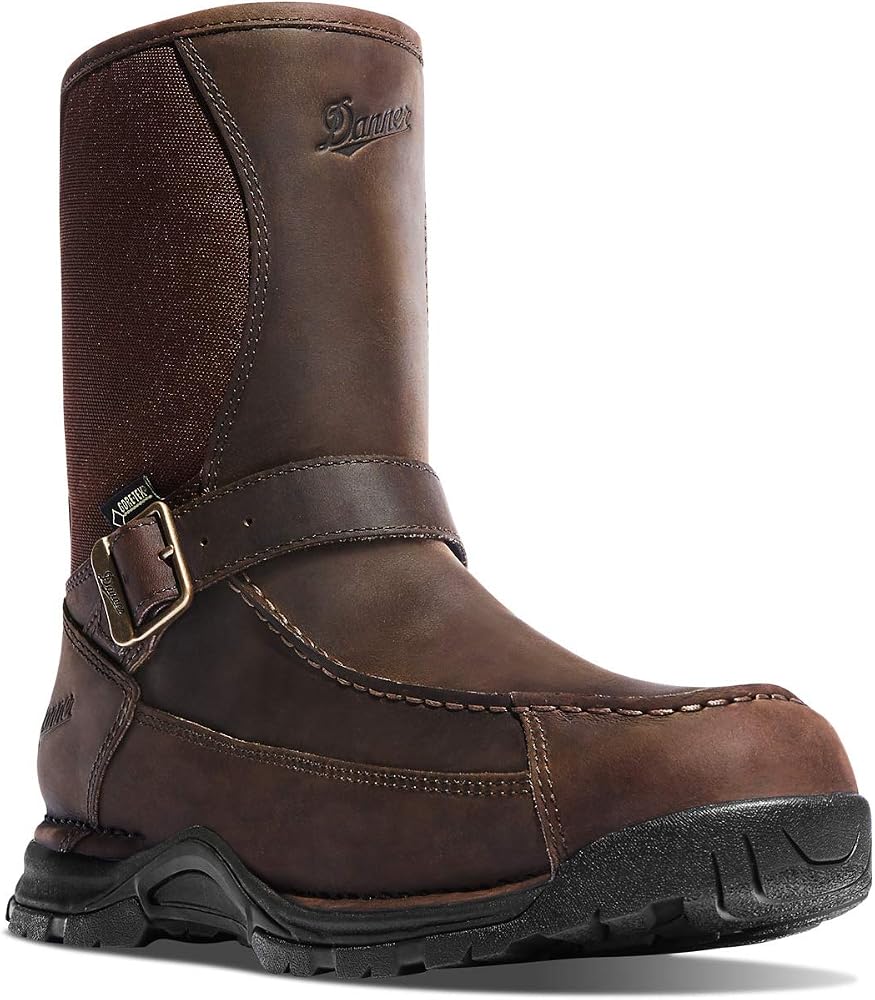
The Best Boots for Hard Enduro: Buying Guide for 2026
Disclosure: We may earn a commission when you buy through links on this page, at no extra cost to you. As an Amazon Associate I earn from qualifying purchases. Learn more

Ankle protection, grip and fit for slow technical trails: the best boots for hard enduro, with sizing and care tips.
Hard enduro asks more of your feet than almost any other riding style. You dab on wet roots, paddle up loose climbs, and sometimes push through mud or rock steps, all while a heavy bike can trap a foot without warning. Choosing the best boots for hard enduro means balancing crash protection with enough feel and grip to work on foot.
This guide walks through who needs the stiffest protection, which features change how a boot rides and walks, and how the main boot types compare. Use the comparison table below to narrow your short list.


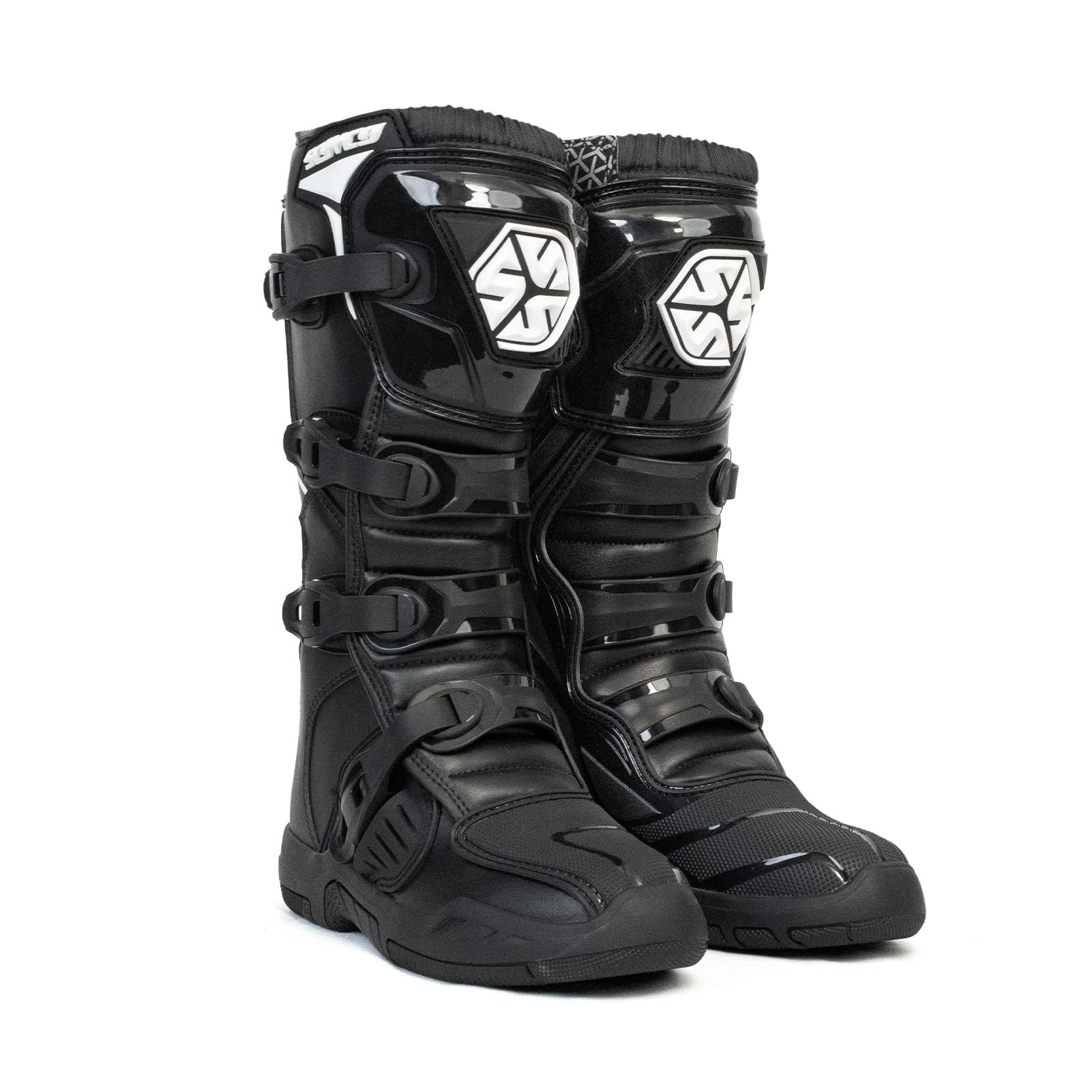


Who Should Buy Boots Built for Hard Enduro?
Hard enduro covers slow, steep, technical ground where contact with rocks, stumps, and the bike itself is part of a normal day.
Riders Who Spend Rides in Rock Gardens and Ledges
You ride terrain where the bike tips over at walking speed and a foot often ends up between a peg and stone. Prioritize a strong shin plate, a reinforced toe box, and firm lateral support around the ankle, because low speed falls still deliver twisting force. A softer trail boot feels pleasant in the parking area, but it gives up the crush protection that matters when the bike lands on your foot.
Riders Who Dab, Paddle, and Push on Steep Climbs
You put feet down constantly, walk beside the bike on climbs, and drag it around in tight ravines. You need a lugged enduro sole that bites into dirt and wet rock, plus enough forefoot flex to walk short sections without fighting the boot. For a broader look at this riding style, see our guide to the best boots for enduro riding.
Riders Who Enter Wet Forests and Long Technical Events
You face river crossings, deep mud, and hours on the pegs in changing weather. Waterproofing, a tall shaft that seals well with your pants, and a fit that stays stable when socks get damp all move up your list. You also need room for knee braces without pinching the calf, since swelling makes a boot that felt fine at home feel tight by the final loop.
Key Features to Compare
Ankle Protection, Hinges, and Shin Armor
A hinged ankle lets the boot flex forward for braking and shifting while resisting sideways roll, and that split matters on off camber ground where ankles twist rather than bend. Look for a solid shin plate, ankle cups on both sides, and a stiff midsole that will not fold around a peg. If a fall leaves swelling, numbness, loss of movement, or growing pain, seek medical care promptly rather than riding out, and talk with your clinician about personal needs before returning to technical terrain.
Sole Grip for Rocks, Roots, and Walking Sections
When you compare the best boots for hard enduro options side by side, start with the sole, because it decides whether a dab holds or slides. A traditional enduro sole carries open lugs like a work boot, which helps on mud, loose climbs, and wet rock, while a smooth motocross sole grips pegs well but skates on foot. Dual compound rubber with a softer edge improves hold on stone, and a replaceable stitched sole extends boot life.
Fit, Sizing, Toe Box, and Calf Room
Measure both feet late in the day, when they are at their largest, and try boots on with your riding socks and, if you use them, knee braces. Your toes should brush nothing at the front when you stand and shift weight forward, and the toe box should hold the foot without squeezing it into a point. Check calf room with pants tucked in, because a shaft that closes easily over bare skin may strain its buckles once braces are inside. Stability starts here, since a loose heel lifts on climbs and invites blisters.
Buckles, Straps, and How Securely a Boot Closes
Metal buckles with a wide adjustment range let you set lower straps snug for peg feel and upper straps firm enough to keep out mud and water. Straps should stay put when coated in grit, and replacements should be easy to find, because one broken buckle can end a boot early. During a fitting, sit on the bike and work the shifter and rear brake to confirm nothing catches.
Waterproofing, Breathability, and Comfort on the Pegs
A waterproof membrane such as Gore Tex keeps creek water and steady rain out, which protects warmth and focus on cold days. The tradeoff is airflow, since sealed boots run warmer and dry more slowly once water enters over the top, so riders in hot, dry regions often prefer a breathable unlined boot that drains fast. Inside, modest cushioning and a shaped insole with basic arch support reduce fatigue during long standing sections on the pegs, though thick padding can dull shifter feel.
Types of Hard Enduro Boots Compared
Three construction styles cover most hard enduro use, differing in walking flex traded for protection.
Traditional Enduro Boots With Stitched Lug Soles
These boots pair full height armor with a stitched, lugged sole that a cobbler can often replace. They suit riders who walk sections often and want one boot for mixed technical ground. The sole adds a little height and weight, and shifting feel is less direct than on a smooth soled boot, but grip on foot is the strongest of the three styles.
Motocross Boots Used on Technical Trails
Motocross boots bring the stiffest chassis, the most armor, and a smooth sole shaped for pegs and starts. They protect best in fast impacts, yet they punish walking and offer little hold on wet rock. If you already own a pair, our overview of the best enduro motorcycle boots helps you judge that style. Riders who rarely leave the pegs may accept the tradeoff, while hard enduro exposes it quickly.
Trials Influenced Hybrid Boots for Maximum Feel
Hybrid boots borrow the softer flex and grippy sole of trials footwear and add a taller shaft and more shin coverage. They give the clearest feel through the pegs and the easiest walking, which helps expert riders place feet precisely on rock. Protection sits a step below the other styles, so they fit skilled riders on slower ground better than anyone expecting frequent bike drops. Riders comparing general trail options can also see our guide to the best enduro boots.
Common Mistakes to Avoid
- Buying a smooth motocross sole for terrain you often walk, because a sliding dab on wet rock can pull the bike down.
- Sizing boots in the morning with thin socks, because feet swell during a long ride and a snug fit becomes painful by afternoon.
- Choosing the softest boot for shop comfort, because weak lateral support lets an ankle roll between rocks.
- Closing the top strap loosely to fit a brace, because mud then packs inside and rubs the shin raw.
- Skipping a shifter check during fitting, because a tall toe box that will not slide under the lever forces awkward ankle angles.
- Paying for waterproofing you do not ride in, because a sealed boot in hot terrain holds heat and dries slowly.
Care and Maintenance for Hard Enduro Boots
Rinse mud off after each ride with plain water and a soft brush, paying attention to buckle pivots and the welt where the sole meets the upper. Open every strap and pull the insole out so the interior can dry at room temperature away from direct heat, since hot air makes leather stiff and can warp plastic armor. Once dry, condition full grain uppers, and check stitching around the sole.
Between events, cycle each buckle, check hinge bolts by hand, and inspect sole lugs for deep cuts. Store boots upright with straps lightly closed so the shaft keeps its shape. A stitched sole that wears smooth can often be replaced by a cobbler, which costs far less than a new boot when the upper remains sound.
Frequently Asked Questions About Hard Enduro Boots
What features matter most in boots for hard enduro?
Ankle protection, sole grip, and fit matter most, in that order. Start with a boot that resists sideways ankle roll and covers the shin, then match the sole to how often you walk sections. One extra check many riders miss is heat shielding on the inner calf, because slow riding keeps your leg close to a hot engine and exhaust at low airflow.
Can I wear hard enduro boots for a full day of technical riding?
Yes, provided the fit is right and the boots are broken in before the event. A full day mixes riding, walking, and waiting, so pressure points that feel minor in a short fitting grow serious over hours. Carry tape for hot spots, and plan your first long ride close to home.
Do hard enduro boots need to be waterproof?
No, waterproof hard enduro boots are a choice, not a requirement. They earn their place in cold rain, snow melt crossings, and winter mud, where dry feet protect warmth and concentration. In warm regions, many riders accept wet feet and pick a boot that drains and dries overnight, because a membrane boot that floods over the top can stay damp all weekend.
Are expensive hard enduro boots worth the extra cost?
They can be, because higher prices, often about $350 to $550, usually buy a hinged ankle, replaceable soles and straps, and better sealing at the shaft. Those parts extend service life across seasons. Spending less, around $200 to $350, still buys solid basic armor for occasional rides, so match the spend to how often you ride.
How long is the break in period for hard enduro boots?
Expect about three to five short rides before a stiff boot loosens around the ankle hinge and forefoot. Wear the boots for walking and easy trail time first, and flex the ankle by hand between rides. Leather uppers soften gradually, while mostly plastic shells change little, so a plastic boot that pinches on day one will likely still pinch later.
Wrapping Up
Choose protection first, then sole grip for the ground you actually walk, then a fit you can wear from the first climb to the last descent. Riders in wet country add waterproofing, while riders in heat value drainage and airflow instead. Revisit the product table above and confirm that your best boots for hard enduro choice matches your terrain, your braces, and your budget.