
Best Boots for Enduro Riding: A Buyer Checklist for 2026
Disclosure: We may earn a commission when you buy through links on this page, at no extra cost to you. As an Amazon Associate I earn from qualifying purchases. Learn more

Run this buyer checklist before choosing the best boots for enduro riding: armor markings, hinge feel, sole grip, fit, price bands and red flags.
Enduro boots are protective equipment that happens to look like footwear, and the gap between a careful pair and a careless one hides in printed labels and small hardware. This checklist walks through every point worth inspecting before you pay, so choosing the best boots for enduro riding for your trails becomes a set of clear yes or no answers. You will learn how to read armor markings, judge a hinge, and match a sole to mud, rock, and roots.
The comparison table below lines the main boot classes up side by side.


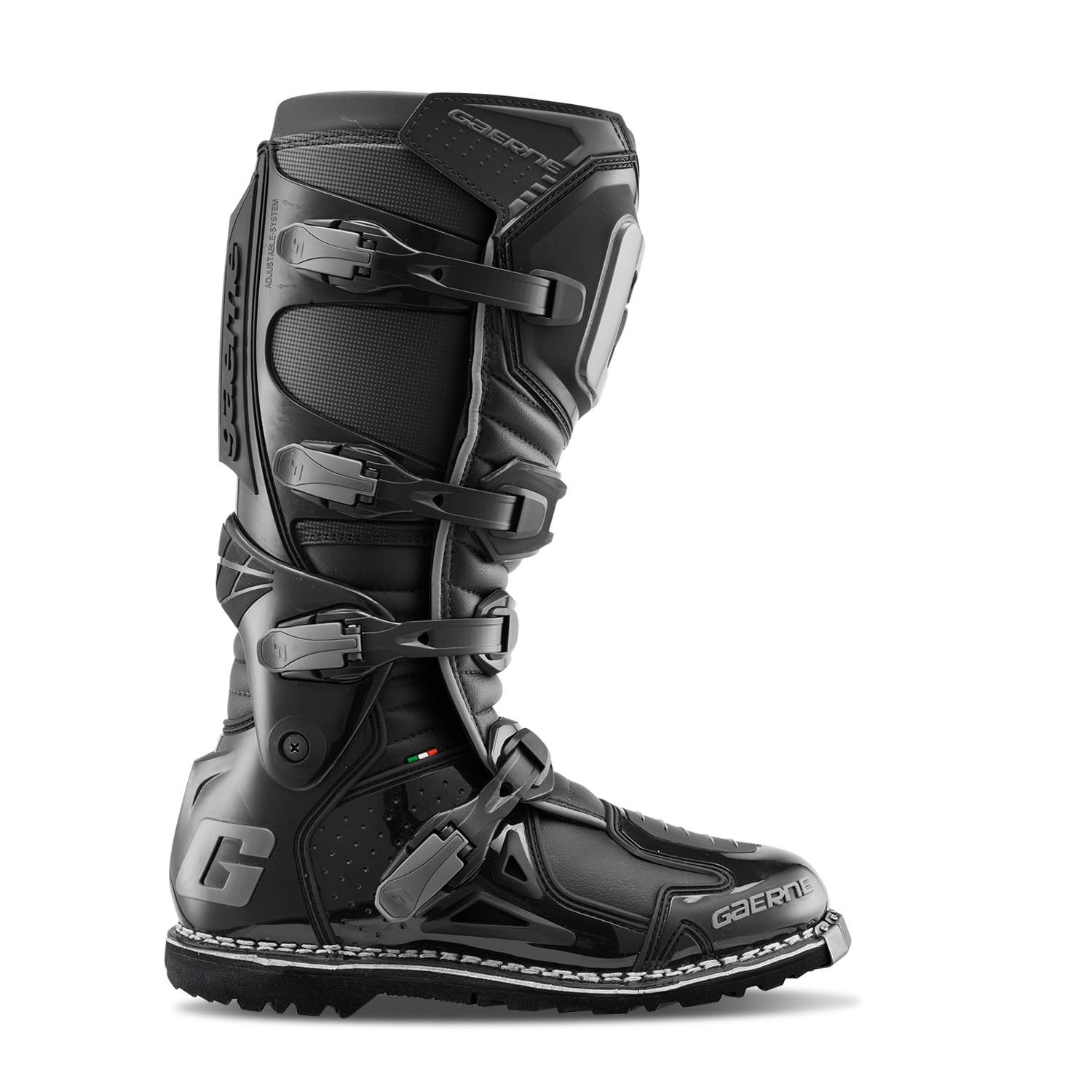

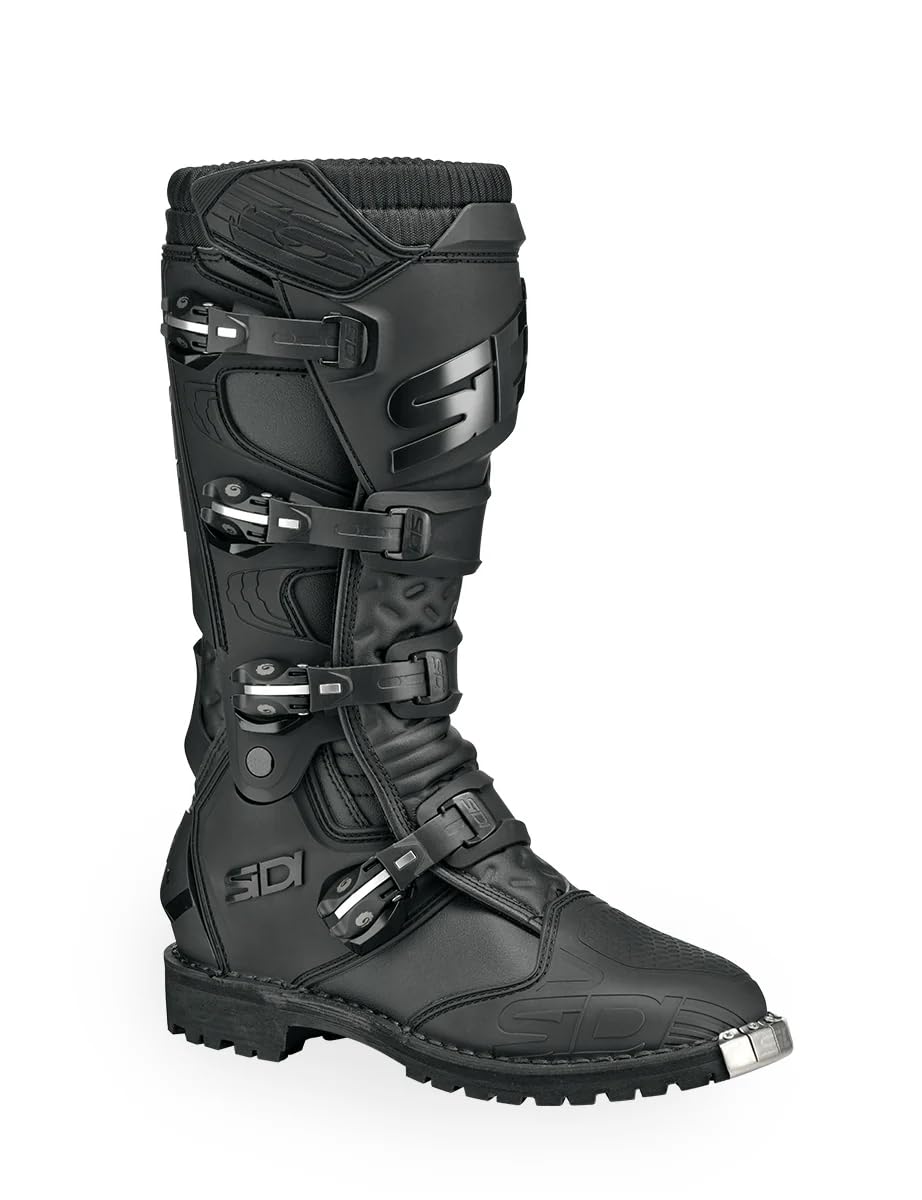
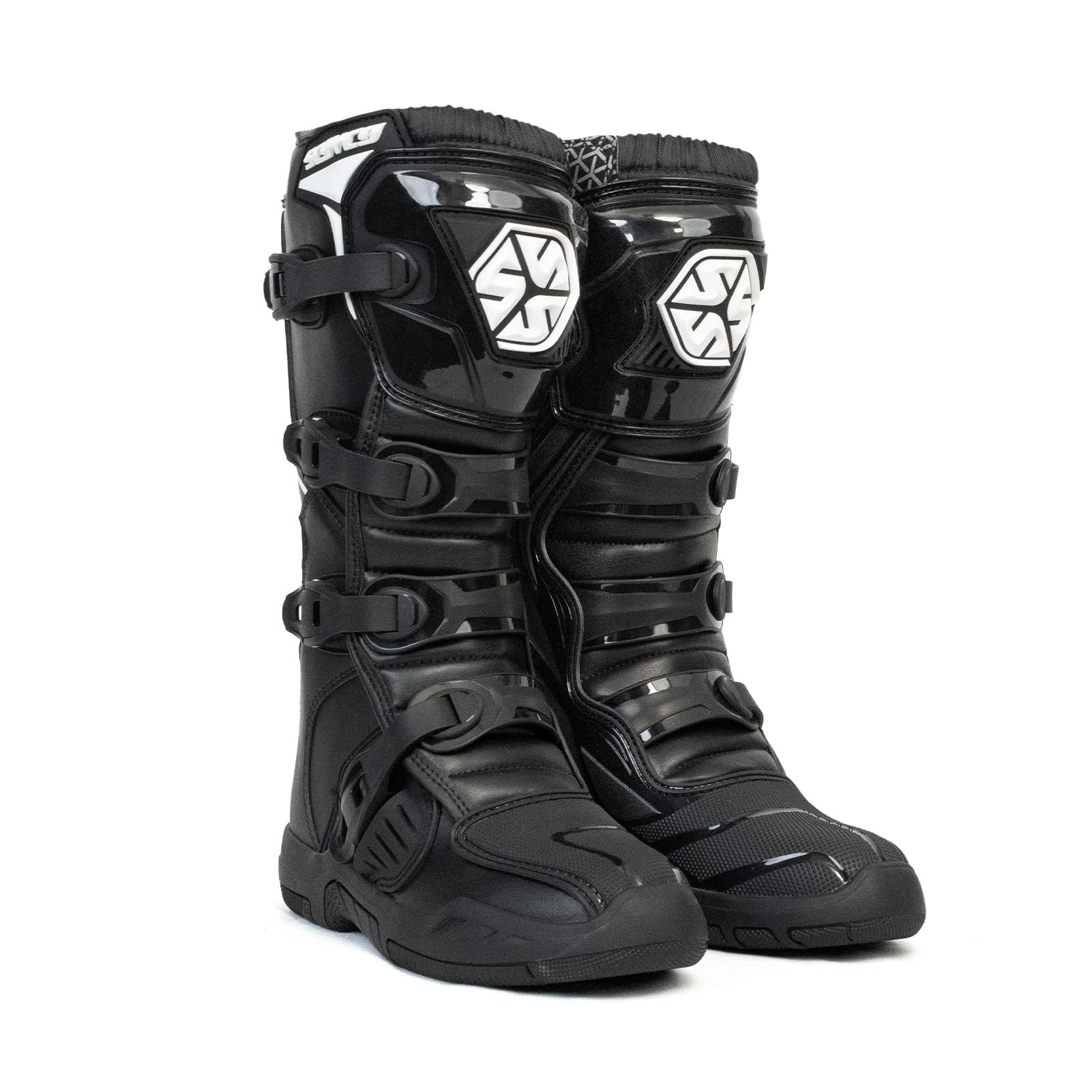


A Buyer Checklist: What to Check Before You Pay
Work down this list in order. Protection comes first, because comfort features mean very little on a boot that cannot take a hit.
Protection and Armor Markings
Armor is read from the certification marking printed inside the boot. Look for that label near the top of the shaft or under the tongue, and check that its level marks cover the ankle, shin, and toe areas rather than a single vague claim. A boot with no marking at all asks you to trust protection you cannot verify. Molded shin plates and ankle cups should also feel rigid under firm thumb pressure, not soft and foamy.
Hinge and Ankle Movement
Most enduro boots pivot on a hinge at the ankle, and that hinge governs how your ankle moves on the pegs. It should swing freely forward and back for shifting and braking while resisting sideways twist, which is the motion that injures ankles in a fall. Flex the boot by hand in the shop before you buy: smooth travel with firm side support is the goal, and a gritty, loose, or uneven pivot is a reason to walk away.
Sole Grip and Mud Shedding
The sole governs peg grip and mud shedding at the same time. Steel pegs chew soft rubber quickly, so look for a firm compound with tread blocks spaced wide enough to clear clay instead of packing smooth after one wet corner. A defined heel helps you drag a stuck bike and brace on slopes. Stitched soles can be resoled when the tread wears down, which stretches the life of an otherwise sound boot.
Fit, Sizing, and Comfort
Try boots on with your riding socks and, if you wear them, your knee braces, because both change the size your calf and foot actually need. Toes should clear the front when you press your weight forward, and the heel should stay planted when you flex. Sizing varies more between makers than street shoe sizing does, so treat your usual number as a starting guess. When a shop allows it, order two sizes and keep the pair that fits with braces on.
Weather Resistance and Durability
Water enters at the buckles and the gusset behind them long before it soaks through the shell, so check how those openings are backed and sealed. Fully sealed classes keep feet dry on wet trails but run hot in summer, while open classes breathe and drain after deep crossings. Hardware decides long term durability: buckles and straps should be replaceable with simple tools, and stitching should run even with no loose ends at stress points.
Gear Compatibility and Value
Check that your pants fit the way you ride them, over the boot or tucked in, and that the top of the boot closes over your braces without pinching. Value is not the lowest price; it is armor you can verify, parts you can replace, and a warranty that lasts beyond a single season. Riding means different footwear in other sports, and the tall leather class in our guide to best horse riding boots is built for stirrups, not pegs, so do not let look alike listings blur the classes.
Boot Types and Price Bands
Price bands in this category track protection and hardware more than style. General trail footwear sits in our guide to best riding boots, while the classes below focus on off road use. Riders who split time between road and trail also compare the classes in our guide to best motorcycle riding boots, which trade some armor for walking comfort.
Entry Boots for New Trail Riders
Entry boots run about $150 to $250 and cover the basics: a molded shin plate, ankle padding, and a simple buckle set. Most use glued soles and unhinged ankles, which keeps them lighter on the budget but stiffer to walk in. They suit occasional trail days and growing riders who will change sizes soon. Confirm the certification marking is present even at this price, because basic should never mean unverified.
Midrange Boots for Regular Trail Use
Midrange boots run about $250 to $400 and add the features regular riders feel every weekend. Hinged ankles appear here, along with replaceable buckles, better sole compounds, and stronger toe boxes. This is the band where stitched soles start to show up, which lowers the long term cost of a worn tread. For most trail riders, this is the class that balances protection, comfort, and price.
Premium Boots for Hard Enduro
Premium boots run about $400 to $600 and aim at riders who bounce off rocks weekly. Expect the highest armor level marks, the lightest shells, and soles built to be resoled more than once. Fit systems also improve, with finer buckle adjustment and braces built into the boot itself. Dedicated racers cross shop the classes in our guide to best enduro boots before paying at this level.
Quick Buyer Checklist
- Is a certification marking printed inside the boot, with legible level marks?
- Does the hinge move smoothly and resist sideways twist when you flex it?
- Are the tread blocks firm and spaced wide enough to shed mud?
- Does the boot fit with your riding socks and knee braces on?
- Are buckles and straps replaceable with simple tools?
- Can the sole be resoled, or will worn tread end the boot?
- Does the warranty run longer than a single riding season?
Red Flags to Watch For
- No certification marking anywhere inside the boot, only bold claims on the box.
- Armor described with vague words like maximum protection and no level marks to back them.
- A glued sole on a boot priced like a premium model.
- No spare buckles or straps sold for the model, so one broken strap ends the pair.
- A very short warranty paired with stitching that already looks uneven in photos.
How to Make Your Boots Last Longer
Rinse mud off after rides and let boots air dry at room temperature, away from direct heat that cracks liners and weakens glue. Check buckle screws and hinge bolts every few rides, because trail vibration loosens both. Store the boots buckled loosely so the shape holds, and treat leather panels with conditioner when they start to look dry and pale.
Boots: Your Questions Answered
What features matter most in boots for enduro riding?
Verified armor, a working hinge, and a grippy sole matter most, in that order. After those three, pay attention to the buckle set: three or four buckles spread closing pressure along the shin and let you fine tune fit over thick socks, while cheap two buckle designs often leave the ankle loose. A replaceable toe cap is a bonus worth having, since rocks wear that corner first.
How do I choose the right size in enduro boots?
Choose the size while wearing your riding socks and knee braces, late in the day when your feet are at full size. Stand and flex forward: your toes should brush nothing, and your heel should stay down instead of lifting with each bend. Between two sizes, take the larger one if you ride in cold weather with heavy socks. A boot that only fits in thin socks will not fit your real riding setup.
How often should enduro boots be replaced?
Replace them when the structure goes, not on a calendar. Warning signs are hinge play you can feel by hand, a sole worn smooth where the peg sits, and armor that has cracked or softened after a hard impact. A boot that has taken a big crash deserves replacement even when the shell still looks clean, because crushed armor does not recover. Budget riders can extend life with a resole, but only when the upper and hinge stay sound.
What certifications should I look for in enduro boots?
Look for the printed certification marking inside the boot and read its level marks for ankle, shin, and impact areas. Check that the marking appears in both boots and that the printed line is crisp and legible, because a smudged or missing label is a warning sign on its own. Be wary of listings that never show the label in photos. If the seller cannot show the marking, treat the protection as unproven.
Can I walk in enduro boots during hike a bike sections?
Short walks are fine, but enduro boots are built to protect on the bike, not to hike. The stiff sole and hinge that guard your ankle on the pegs make long climbs on foot tiring and clumsy. For trails with one or two short pushes, you will manage well enough. If your riding involves long hike a bike stretches, look for a class with a more flexible walking zone in the sole and accept slightly less peg feel.
Are waterproof enduro boots worth the extra cost?
They are worth it for riders in wet climates who cross streams below boot height and ride through long rainy days. Keep in mind the trade: a sealed boot that keeps water out also keeps water in after a crossing over the top, and it will dry slowly overnight. Riders in dry regions often prefer a draining class that gets wet fast and dries fast. Match the choice to your water, not to the label.
Wrapping Up
Verify the armor, flex the hinge, and read the sole before you look at colors or prices. With those three checks done, the best boots for enduro riding for your trails is simply the pair in your band that fits with your braces on. Compare your finalists against the product table above and order from a seller with an easy return, because fit is the one spec no listing can settle for you.


