Best Boots for Fused Ankle in 2026: Which Type Is Right for You?
Disclosure: We may earn a commission when you buy through links on this page, at no extra cost to you. As an Amazon Associate I earn from qualifying purchases. Learn more
Compare boot types for the best boots for fused ankle, from rocker soles to stiff shafts and wide toe boxes, with fit and care advice.
When an ankle joint is fused, it no longer bends to move you through a step, so your boot has to do part of that work for you. The best boots for fused ankle roll you forward, spread impact across your foot and keep you steady. Use the comparison table below to match those jobs to the boot types in this guide.
Start with your real day rather than a style you like the look of. How far you walk, how hard the floors are and how wet your routes get matter more than color or branding. The sections below compare boot types and the fit details that decide comfort.


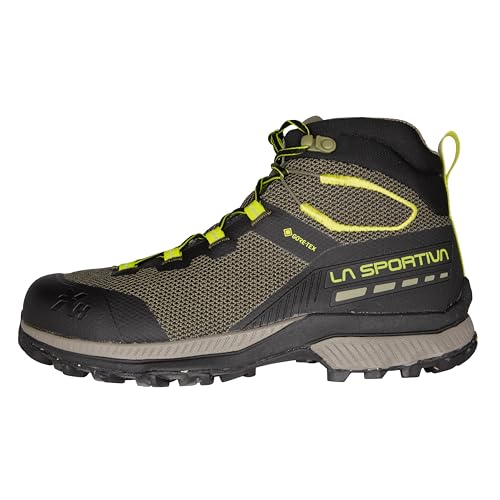
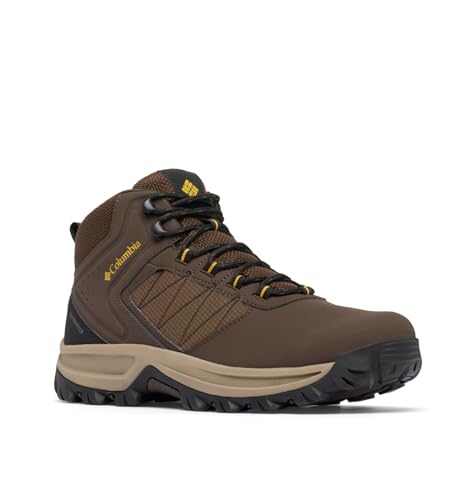
Who Should Buy Boots for a Fused Ankle?
Your fused ankle changes how load travels into your foot, knee and hip, so match the group below to where that load is highest for you.
Daily Walkers on Pavement and Packed Paths
You walk for errands, exercise or a commute, mostly on flat and even ground. You need a curved sole that carries you from heel contact to toe push without forcing the joint to bend. Cushioning matters because the fused joint absorbs less shock itself. A lighter boot suits you best, since you lift it thousands of times a day.
Workers Who Stand and Walk Through a Full Shift
You spend long hours on concrete, tile or warehouse floors, and standing still can tire your foot as much as walking does. You need a firm base that does not wobble, steady arch support and a shaft that holds the leg in line. Look for a wide enough fit for feet that swell as the shift goes on.
Hikers and Outdoor Workers on Uneven Ground
You cross grass, gravel, mud and slopes where each step lands at a different angle. You need stronger grip, a stiffer sole that resists twisting and more shaft support than a town walker needs. Weather protection also matters, because a wet foot blisters faster when your gait cannot adjust as it once did.
Boot Types Compared for a Fused Ankle
These four types cover most needs, and each trades weight, support and weather protection in a different way. Prices are typical ranges for adult boots.
Cushioned Rocker Sole Walking Boots
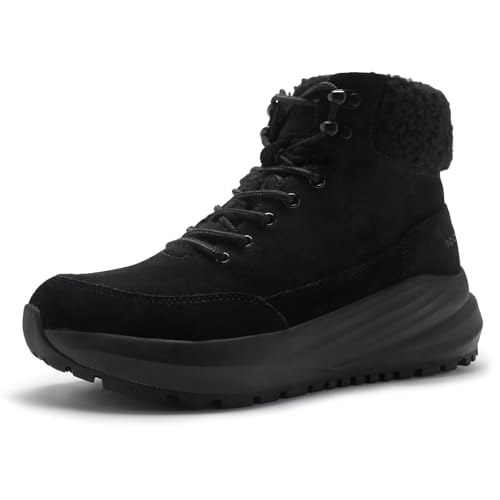
These boots pair a curved sole with a thick cushioned midsole, so the boot rolls instead of the ankle bending. They suit daily walking on pavement and packed paths, and they are often the easiest type to adapt to after fusion. They give less twist control on rough trails. Most pairs cost about $120 to $200.
Stiff Shaft Support Boots for Long Workdays
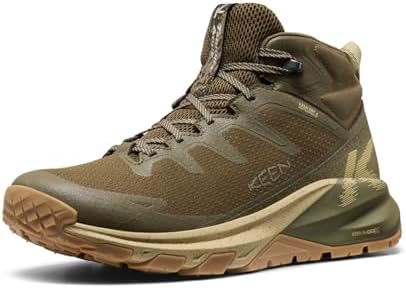
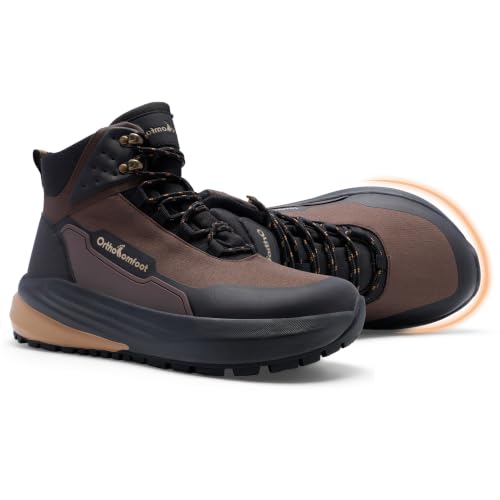
These boots use a tall, firm shaft and a rigid shank to keep your leg and foot moving as one unit. They suit standing work and anyone who feels unsteady in softer footwear. They can feel heavy and warm by the end of a day. Most pairs cost about $130 to $220. For a wider view of supportive styles, see our guide to the best boots for ankle support.
Waterproof Boots for Wet Ground and Cold Months
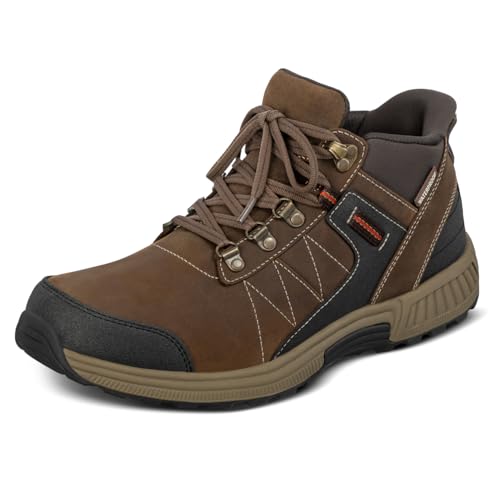
These boots add a waterproof membrane such as Gore Tex inside a leather or synthetic upper, keeping rain and shallow puddles out while the sole and shaft do the support work. They suit wet commutes, winter sidewalks and muddy sites. They breathe less well in heat, so summer feet can feel clammy. Most pairs cost about $140 to $240.
Lightweight Boots for Travel and Everyday Wear
These boots trim shaft height and sole bulk so the pair feels closer to a sturdy shoe, which helps when a heavy boot tires the leg on the fused side. They suit travel days and mild weather walking, but offer the least protection on rough ground. Most pairs cost about $100 to $180.
Key Features to Compare
When you compare the best boots for fused ankle across brands, judge the sole first, then fit, then the upper.
Rocker Sole Shape and the Roll of Each Step
A rocker sole is curved from heel to toe, so the contact point moves forward as you walk and your body passes over a foot that stays fairly flat. A gentle curve suits most fused ankles, while a strong curve rolls you faster and can feel tippy when standing still. Choose the milder curve if you stand a lot, and the stronger curve if distance is your main goal.
Sole Stiffness and Heel to Toe Drop
A stiff sole limits bending at the front of the foot, which protects joints that now work harder to finish each step. Try twisting and folding a boot in store; it should resist both. Heel to toe drop describes how much higher the heel sits than the forefoot, and a low to moderate drop of about 4 to 10 mm spreads your weight more evenly.
Cushioning and Arch Support for a Joint That Cannot Absorb Shock
Cushioning under the heel and forefoot softens impact that the fused joint can no longer help absorb, and arch support spreads pressure along the middle of the foot. A removable insole lets you use your own insert if your clinician has supplied one. New or worsening pain, swelling that does not settle, redness, warmth, numbness or skin that rubs raw all need prompt medical advice rather than a footwear change. Talk with your clinician or surgeon about your personal needs.
Toe Box Width and Room for Inserts
A wide toe box lets your toes spread and gives room for swelling that builds during the day, and extra depth leaves space for an insert without crowding the top of your foot. Shop late in the day and leave about a thumb width in front of your longest toe. Readers shopping the women ranges can also see our guide to the best women's ankle boots for narrower heels and smaller sizes.
Shaft Height and Easy Entry Into the Boot
A taller shaft steadies the leg above the fused joint, but it asks more of you each time you put the boot on, because you cannot point your toes to slide in. A wide opening, a rear pull loop or a side zip makes entry far easier. Check that the collar does not press on scars or sore spots. The right sock height helps too, and our guide to the best socks for ankle boots covers sock choices for shorter styles.
Upper Materials, Breathability and Outsole Grip
Full leather uppers mould to your foot and shrug off scuffs, but they weigh more and dry slowly. Mesh panels breathe well yet offer less structure around the foot. A waterproof lining suits wet climates but traps more heat. For grip, look for a broad flat heel, deep lugs on trail models and rubber that stays firm on wet stone. If you prefer a shorter cut, see our guide to the best ankle boots and weigh the lower shaft against your support needs.
Common Mistakes to Avoid
- Buying a soft flexible boot lets the forefoot bend sharply at each step and leaves your midfoot sore by evening.
- Choosing a narrow toe box squeezes toes that now carry more load and invites blisters and numbness.
- Ignoring sole weight tires the leg on the fused side, so your gait shortens and your knee and hip ache.
- Skipping an entry test means you may own boots you cannot get on without forcing the foot at a bad angle.
- Keeping a pair with a worn flat rocker removes the roll your fused ankle depends on and jars every step.
How to Make Your Boots for a Fused Ankle Last Longer
Air dry wet boots at room temperature with the insoles removed, and keep them away from direct heat, which cracks leather and warps sole glue. Brush off mud once it dries, wipe leather clean and condition it when the upper looks dry. Stuffing the toe with newspaper helps pull moisture from the lining.
Rotate two pairs if you walk daily, since a rest day lets the cushioning recover its shape. Check the outsole and heel edges each month, store boots upright out of strong sun and replace insoles when they stay flat overnight.
FAQ
What features matter most in boots for a fused ankle?
The rocker sole matters most, followed by sole stiffness and toe room. One test ties them together in store: walk up and down a ramp if the shop has one, since a good rocker keeps its smooth roll on a gradient while a poor one only feels right on flat floor.
Do I need waterproof boots for a fused ankle?
You need waterproof boots only if your routes are regularly wet. One point walkers miss is the tongue: a gusseted tongue sealed to the upper stops water entering beside the laces, while a loose tongue lets splash in even when the membrane works. If you walk mostly indoors, breathable uppers will usually feel better and cost less.
How long is the break in period for boots worn with a fused ankle?
Allow about one to two weeks of short outings before a long walk. Start with half an hour at home, then add roughly fifteen minutes a day if no hot spots appear. Stiff soles soften only slightly, so persistent pressure at one point after a week usually means the shape is wrong for your foot rather than a boot that needs more time.
How often should I replace boots for a fused ankle?
Replace your boots when the rocker curve wears flat or the heel wears down on one side, since uneven wear tilts each step. Daily walkers often reach that point in about one to two years, well before the upper looks tired. Run a hand along the sole curve and compare it with a new pair. If the old sole feels straight where the new one curves, its main benefit is gone.
Wrapping Up
Match the boot type to your ground first, then check rocker shape, sole stiffness and toe room in that order. Those points decide how a fused ankle feels at day end far more than brand or color does. Use the product table above to compare types, prices and fit notes.
Chosen with those checks, the best boots for fused ankle should roll you smoothly, hold you steady and stay comfortable through your normal routine.