
Best Boots Store: How to Choose Where to Buy Boots in 2026
Disclosure: We may earn a commission when you buy through links on this page, at no extra cost to you. As an Amazon Associate I earn from qualifying purchases. Learn more
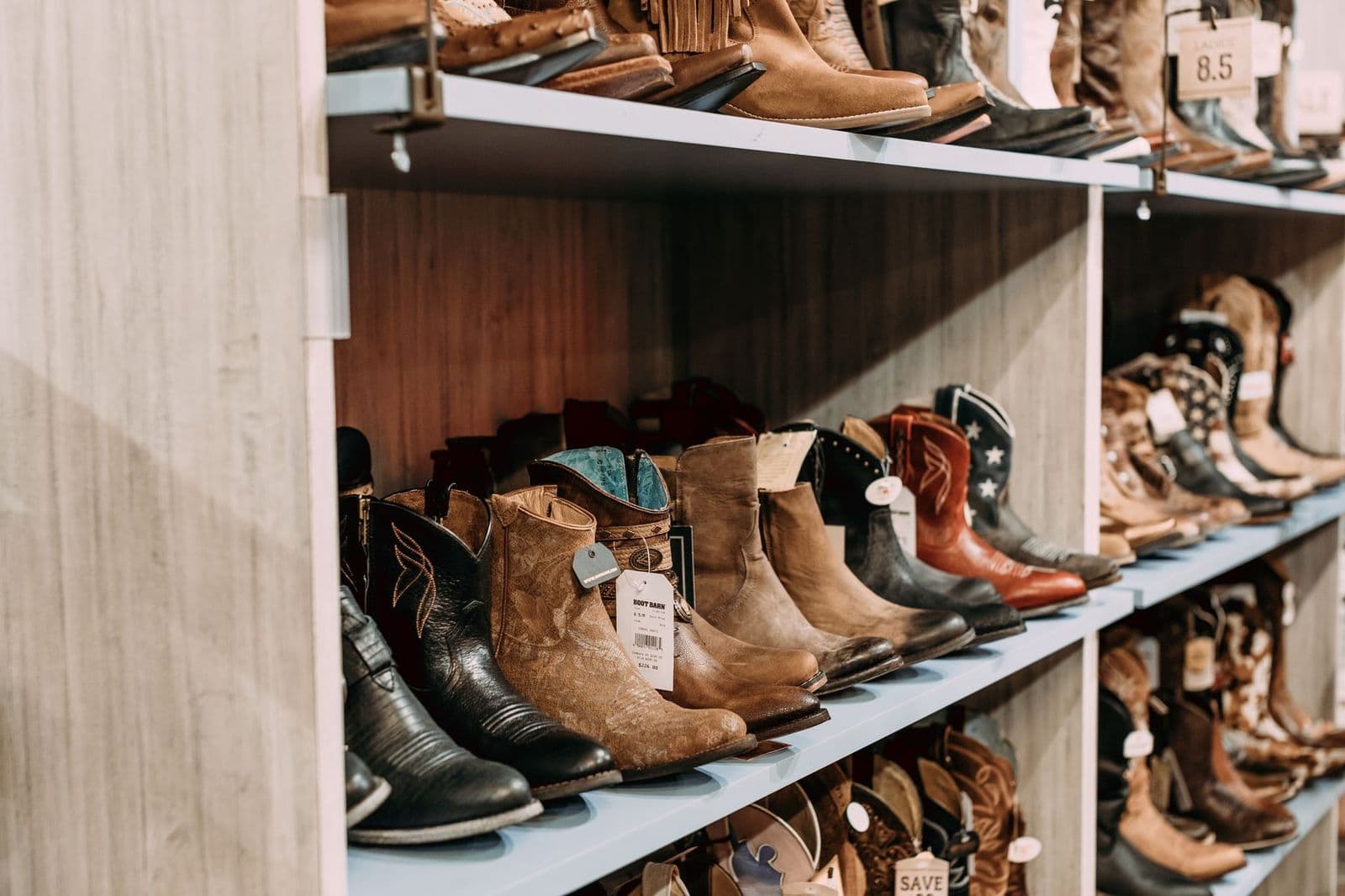
Compare specialist shops, chains and online sellers to find the best boots store for your size, width and budget.
Boots are one of the hardest things to buy well, because fit, break-in and construction all decide whether a pair is worth the money. Finding the best boots store for you is as much about sizing help, return terms and range as it is about price. This guide explains the main types of stores, what each does well, how to judge a store before you buy and how to try boots properly in person or at home.
Instead of naming a single shop, it gives you a framework you can apply to any local boot retailer, department store or online seller, so you can pick the one that matches your feet, your budget and your boot type.
Types of Stores and the Best Boots Store for Each Need
Specialist Boot Shops
These stores focus on boots and often employ staff who can measure your feet, explain construction and recommend a width. They usually carry work, western, hiking and dress boots in more sizes and widths than a general retailer. Prices can be higher, but the fitting help often saves money by cutting down wrong sizes and returns. This is a strong choice for your first pair of serious boots or if you have wide, narrow or hard-to-fit feet.
Department and Footwear Chains
General footwear stores let you compare many brands, styles and price points in one trip, and they are convenient for everyday boots. Staff knowledge varies, and the range of widths and half sizes can be limited. They suit shoppers who know their size and want to compare fashion, casual and seasonal boots.
Outdoor and Workwear Retailers
Outdoor shops and workwear stores stock hiking, hunting, snow and safety boots, often with staff who know the activity. They are the best bet when you need specific features, such as insulation ratings, safety toes or slip-resistant soles, and they usually have a try-on ramp or incline board to test downhill fit.
Online Boot Stores
Online sellers offer the widest catalog, easy filtering by size, width, material and price, and plenty of reviews. The tradeoff is that you cannot feel the fit before you order. Good online stores offset this with clear size charts, width notes and generous return windows. This is the best choice if you already know your size in a brand and want selection or a lower price.
How to Judge a Boots Store
Range and Sizing
A good store stocks half sizes and multiple widths, not only common sizes. Look for wide and narrow options, calf-width choices for tall boots and men's, women's and unisex sizing. If you need an unusual size, check availability before you travel or order.
Return and Exchange Terms
Fit only becomes clear after you walk on a pair for a while, so return terms matter a lot. Read the window, the condition the boots must be in, whether exchanges are free and who pays return shipping, since boots are heavy to send back. A clear policy written in plain language is a sign of a trustworthy store.
Staff Knowledge
Helpful staff can measure both feet, explain differences between lasts and recommend a sock thickness. They should help you compare options, not push a single pair. Ask about break-in time, care for the material and whether the soles can be replaced.
Price, Delivery and Warranty
Compare the total cost, including shipping and returns, instead of just the shelf price. Look at warranty terms on construction and, for quality boots, whether the store or the brand offers resoling or repair services.
Trying Boots In Store and At Home
Try boots in the afternoon, when your feet are at their largest, and wear the socks you will use with them. Check toe room while standing, heel hold while walking and ankle comfort while crouching, because boots feel different in each position. Walk on hard floors and carpet, climb stairs if you can, and use an incline if the shop has one. Pressure points, a slipping heel or toes that touch the front are signs to try another size, width or model.
If you buy online, wear the boots indoors on a clean floor for a day or two, keep the box and receipt and note the return deadline. Outdoor wear can void a return, so judge the fit indoors first. If you are between sizes, try both and keep the one that fits better with your usual socks.
Matching the Store to the Boot
Work and Safety Boots
Choose a store that stocks the safety ratings your workplace requires, offers wide fits and can explain toe types and slip resistance. A workwear specialist or an outdoor retailer is usually a better match than a fashion shop.
Hiking and Winter Boots
Pick a store with an incline ramp, knowledgeable staff and a good return policy, because long trails expose fit problems quickly. Bring your hiking or winter socks to the fitting.
Fashion and Everyday Boots
A department or footwear chain gives you the most styles in one trip. Pay extra attention to cushioning, arch support and the sole, since style alone does not keep your feet comfortable.
Western and Dress Boots
A specialist shop with experienced fitters is worth the visit. These boots rely on the last shape and a snug heel, and an expert can help you avoid common sizing mistakes.
Common Mistakes to Avoid
- Buying a size from memory without measuring both feet, which leads to returns.
- Ignoring return terms, then paying shipping on heavy boots you cannot keep.
- Shopping for price only and skipping fit, which costs more in discomfort and replacement.
- Trying boots in the morning, when feet are smaller than they will be later in the day.
- Wearing new boots outdoors before deciding, which can cancel a return.
Frequently Asked Questions
Should I buy boots online or in a store?
Buying in a store lets you try sizes and widths at once, while buying online offers a wider range and easier price comparison. If you know your size in a brand, online buying is low risk when returns are easy. For a new brand or width, a store visit usually saves time.
What should I ask boot store staff?
Ask about sizing differences between brands, width options, break-in time and care for the material you are considering. Good staff can also explain waterproofing limits and sole types in plain terms.
How do I check a store's return policy?
Read the return window, condition rules and who pays return postage before ordering. Check whether indoor trials are allowed and whether exchanges are free.
Do specialist boot stores cost more?
Sometimes, but they often offer better sizing advice and a wider range of widths. The extra help can save money by reducing wrong sizes and returns.
Can I trust online size guides?
They help, but they vary between brands, so measure your feet and compare them with the guide for that exact brand. Read notes about whether a style runs small or large, and use the exchange option if needed.
Final Thoughts
The best boots store is the one that stocks your size and width, explains fit clearly and lets you return or exchange without hassle. Match the store type to the boot you need, measure your feet in the afternoon and try the boots with your real socks before you commit. A little care at the fitting stage saves money and keeps your feet comfortable for years.


