Best Boots That Last Forever in 2026: How to Pick for Every Need
Disclosure: We may earn a commission when you buy through links on this page, at no extra cost to you. As an Amazon Associate I earn from qualifying purchases. Learn more

Find boots built to last for years of work and walking, with guidance on resoleable construction, leather, fit, waterproofing, support and care.
There is no single pair that suits every job, trail and climate, so chasing one perfect model usually leads to a poor match. The best boots that last forever are the pair whose construction, materials and fit match the work you actually do each week. This guide matches each type of wearer to the build that serves them longest, so you can use the comparison table below.
Longevity is rarely luck. It comes from a resoleable sole, an upper that can be cleaned and conditioned, stitching that holds under strain, and hardware that does not give up early. Price alone tells you little, because a costly fashion boot can wear out sooner than a plain work boot built for repair.
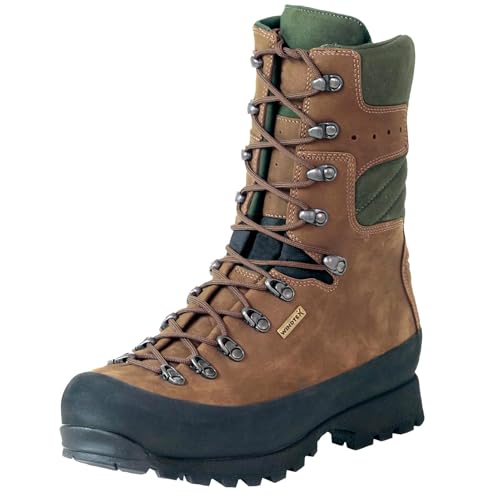


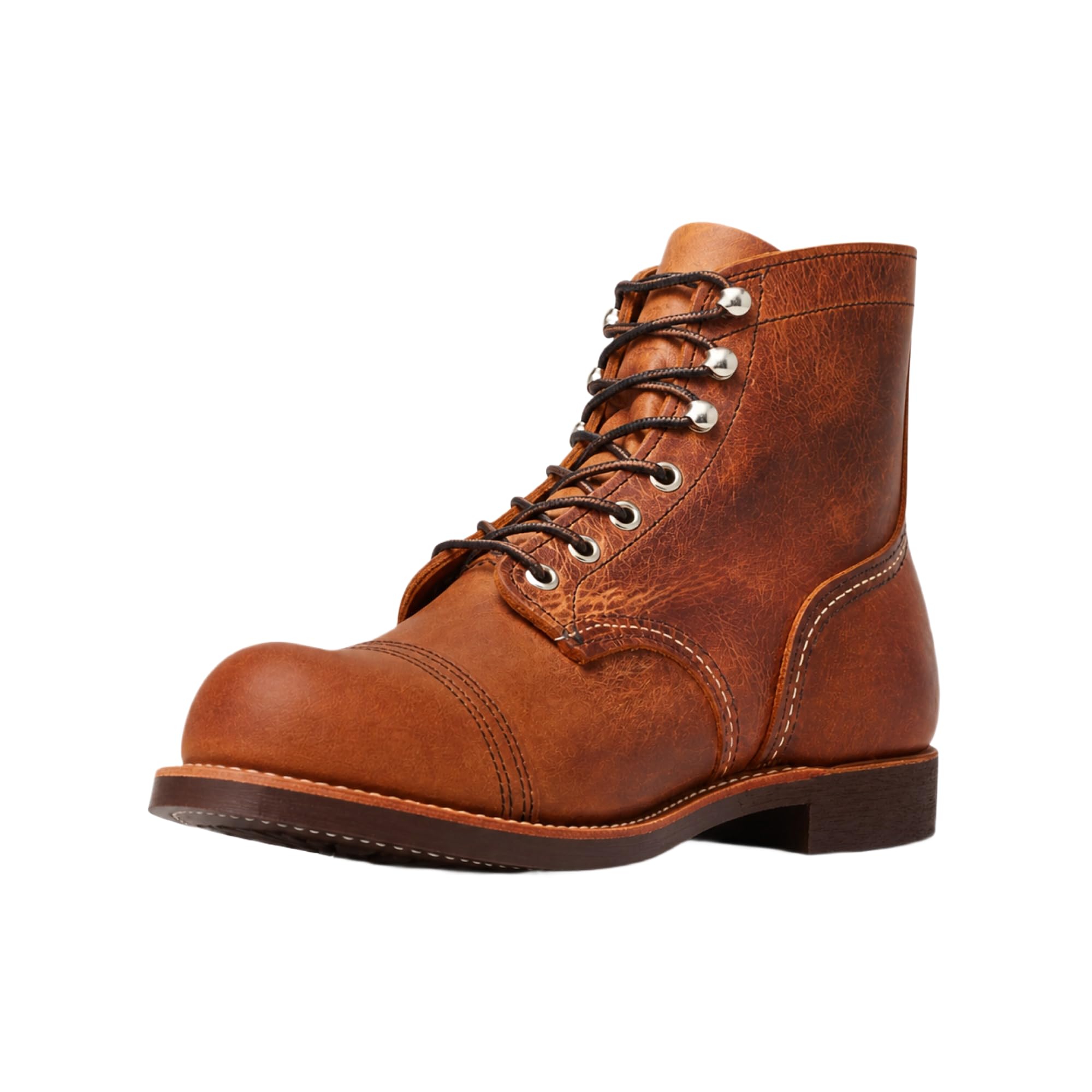

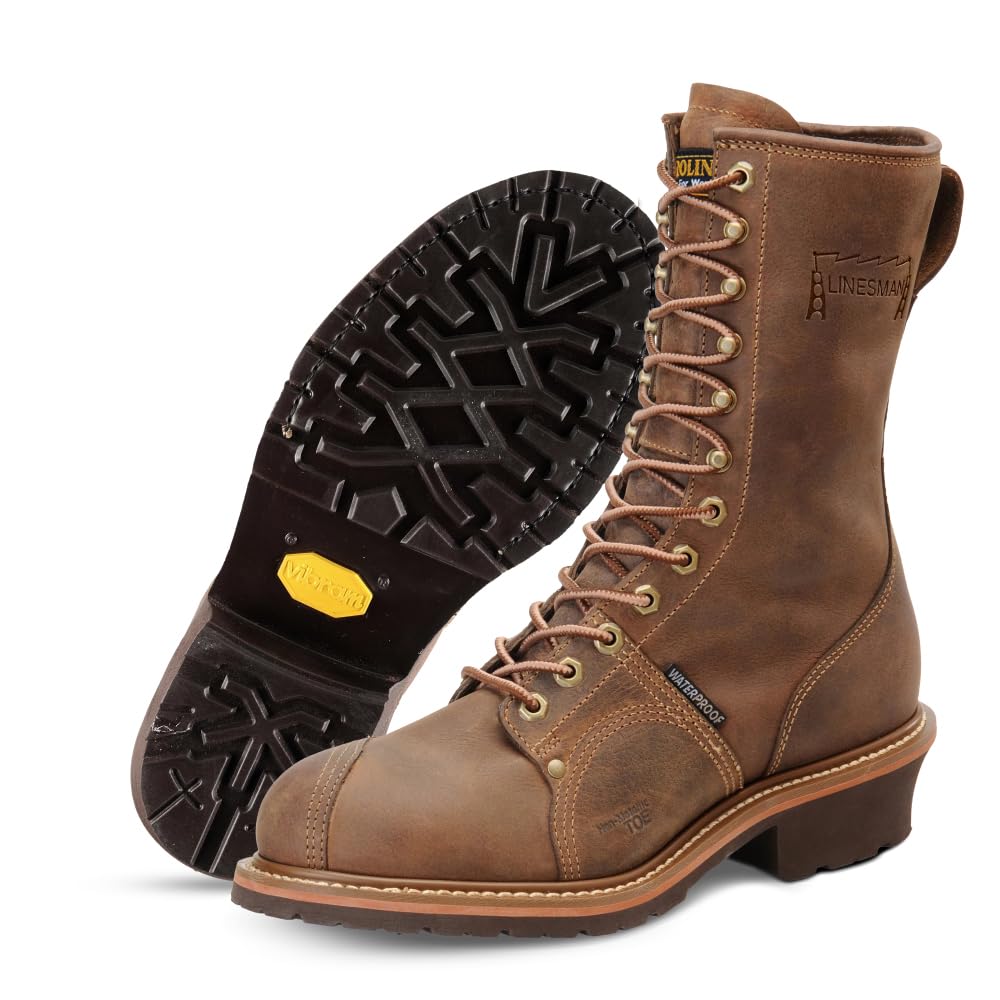


Who Should Buy Which Long Lasting Boots?
Start with the demand you place on your feet most weeks. A boot built for daily labor is wasted on light weekend use, and a light boot will not survive daily labor for long.
Daily Work Crews on Concrete and Job Sites
You stand, walk and kneel on hard ground for full shifts, and your boots face scrapes, dust and dropped tools. Prioritize a thick leather upper, a firm shank for stability, and cushioning that still feels supportive late in a shift. A resoleable build matters most for you, because the upper often stays sound long after the outsole wears smooth. Expect to pay about $180 to $350 for this class.
Hikers and Outdoor Workers in Wet Weather
You cover uneven ground in rain, mud and wet grass, and your boots rarely get a full day to dry between outings. Look for waterproof boots with sealed seams, a lugged outsole that sheds mud, and ankle support for slopes and ruts. Breathable linings matter on warm days, because trapped sweat softens skin and raises blister risk. Rotating a second pair on wet weeks can add seasons to both.
Weekend Walkers and New Boot Buyers
You walk dogs, tend a yard and take short trails a few times a week, and you want one pair that does not need replacing each season. Choose a midweight boot with a comfortable fit from the first wear, moderate tread and simple care needs. Avoid thin fashion leather and glued soles that peel at the toe. Solid options for this use often cost about $100 to $200.
Key Features to Compare
Compare these factors in order, because a boot that fails on construction or fit will not last, however strong its leather looks in photos.
Resoleable Construction and Stitching
A welted boot joins the upper to the sole with a strip of leather and strong stitching, and a cobbler can remove the worn sole and fit a new one without harming the upper. That trait can add years to a pair you wear daily. Check for even stitching with no loose threads, and confirm a local shop can resole the construction you choose. Glued soles cost less, but once they separate, a lasting repair is rarely practical.
Upper Leather, Eyelets and Hardware
Full grain leather is the strongest common upper choice, because its tight surface resists scrapes and responds well to cleaning and conditioning over years of use. Thinner split leather and fabric panels weigh less and breathe better, but they abrade sooner on gritty ground. Check eyelets and hooks too, since metal hardware set firmly into leather outlasts plastic loops that crack. Flex the boot and watch that hardware does not shift at its holes.
Waterproofing That Keeps Working Year After Year
A waterproof membrane such as Gore Tex keeps rain and shallow puddles out while letting some sweat vapor escape, which suits wet climates and muddy work. The trade off is warmth and slower drying once water enters over the collar, so hot weather walkers often prefer unlined leather that stays breathable. Sealed seams and a gusseted tongue matter as much as the membrane itself. If your routes cross streams above the ankle, no standard boot keeps you dry.
Fit, Sizing and the Toe Box
Fit decides lifespan more than many buyers expect, because a boot that rubs will be left in the closet while a comfortable pair earns its cost. Measure both feet late in the day, when they are largest, wearing the socks you plan to use. Choose a toe box that lets your toes lie flat and spread without pressing the sides. Leave about a thumb width before your longest toe, and expect sizes to differ between brands.
Arch Support, Cushioning and Stability
Your arch shape shapes the support you need. Flat feet often roll inward and do better with a firm midsole and a stable heel, while high arches need more cushioning to spread impact. Heel to toe drop in boots is commonly about 8 to 12 mm, and a lower drop can tire tight calves. Removable insoles help, since you can swap worn cushioning or fit an insole that suits your feet.
Weight, Flexibility and the Outsole
A heavier boot usually protects better and lasts longer on rough ground, but extra weight tires your legs on long days. Flex the boot at the ball of the foot, where it should bend, and twist it gently to judge stability through the middle. Deep lugs grip mud and loose soil, while shallower tread lasts longer on pavement. Match tread depth to the ground you cover most, not the roughest ground you might visit once.
How to Judge Boot Lifespan Before You Buy
Start with a short inspection, because the best boots that last forever show their build quality in details you can check in the store. Pull gently on the sole at the toe and heel to check the bond, look inside for rough seams that will rub, and press the heel counter to confirm it feels firm. Read the warranty terms too, because a maker who offers resole service plans for a long service life.
Think in cost per year rather than price on the tag. A boot at about $300 that serves six years with one resole costs less over time than a boot at about $120 replaced every eighteen months. That math only holds if the fit suits you and you will do the basic care, so be honest about both.
Common Mistakes to Avoid When Buying Long Lasting Boots
Each of these errors shortens the life of a boot that could have lasted.
- Buying on price alone leads to thin leather and glued soles that fail within a season of daily wear.
- Guessing your size from your shoe size leaves toes cramped, and cramped toes wear through linings and uppers from inside.
- Ignoring the outsole pattern for your ground means deep lugs wear fast on pavement while shallow tread slips in mud.
- Skipping the repair check can leave you with boots no local shop can resole, so a worn sole ends the pair.
- Wearing one pair daily without rest keeps cushioning compressed and the lining damp, and both age faster.
Care and Maintenance Tips for Boots
Clean mud and dust off after use with a soft brush and plain water, then let the boots air dry at room temperature away from direct heat, since hot air can crack leather and weaken adhesives. If you wear boots daily, give each pair a full rest day between wears so the lining dries fully and the cushioning recovers.
Condition full grain leather when it looks dry or feels stiff, using only enough product to restore flex without softening the upper. Wipe road salt marks off promptly in winter. Replace worn laces and flattened insoles early, store the boots upright, and book a resole once the tread runs smooth, before wear reaches the midsole.
Frequently Asked Questions
How often should you replace boots built for long term wear?
You replace long lasting boots when repair no longer restores them, rather than on a fixed date. Watch for a midsole that stays compressed and leaves your feet sore, an upper split at the flex point, or a heel worn at an angle that changes how you land. A resole fixes tread only, so midsole or upper damage ends most pairs.
How should durable work and hiking boots fit at the heel?
Your heel should sit firmly with little lift while your toes stay free to spread. Slight heel movement often settles as the leather shapes to your foot, but rubbing that raises a hot spot on a first short walk is a warning sign. Use the extra eyelet near the ankle for a heel lock loop, since that lacing pulls the heel back without crushing the toes.
How long is the break in period for stiff leather boots?
Most stiff leather boots need about two to three weeks of short, regular wears before they feel easy. Start with short errands, then add distance every few days as the leather softens at the ankle and flex point. Never make a long hike or a full shift the first outing, because early blisters can put the boots aside.
Do you need waterproof boots if you mostly walk on dry ground?
No, you do not need waterproof boots for mostly dry ground, and an unlined leather pair will usually feel cooler and dry faster after a rare soaking. A membrane also adds cost that could go toward better leather instead. If your routes cross wet grass on cool mornings, a water resistant treatment on the leather handles that light moisture without sealing the boot.
Can you wear durable boots all day without foot pain?
Yes, you can wear durable boots all day when the fit, support and weight match your feet and your work. Change into dry socks at midday on long shifts, since dry skin blisters less and feels fresher by evening. If pain, numbness or swelling keeps returning in the same spot, stop guessing at fit and talk with a clinician about your personal needs.
Our Verdict
For a long service life, judge construction first, fit second and waterproofing third, because a resoleable boot that fits will outlast a stronger boot that hurts. Daily crews should favor thick leather and repair options, wet weather users sealed waterproof builds, and weekend walkers lighter boots with simpler care.
Compare your shortlist in the product table above, then choose the best boots that last forever for the ground and hours you actually face each week.