Best Boots for Line Dancing Made Simple for 2026
Disclosure: We may earn a commission when you buy through links on this page, at no extra cost to you. As an Amazon Associate I earn from qualifying purchases. Learn more
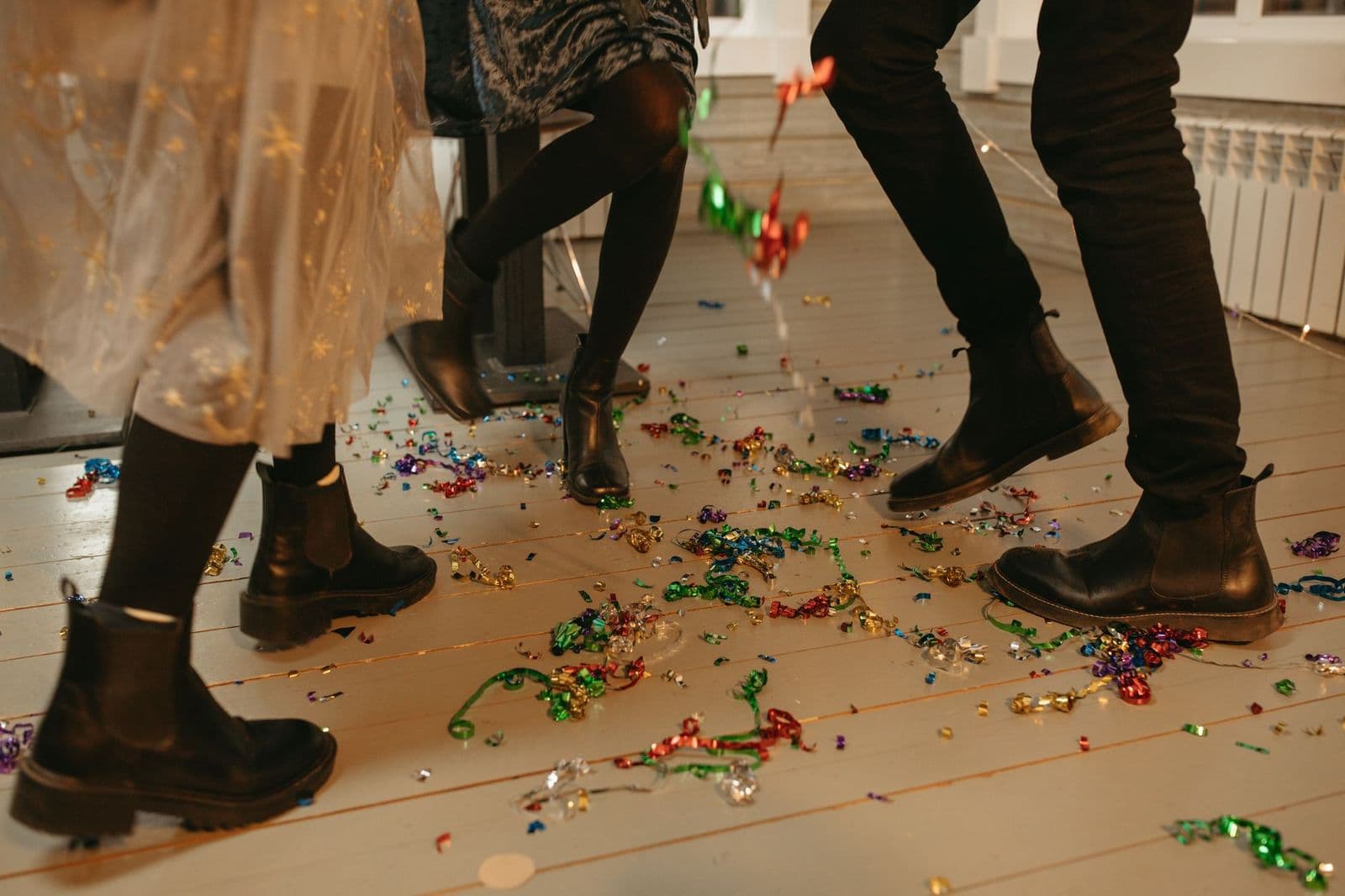
Plain guide to the best boots for line dancing: how fit, sole slide, cushioning, and ankle support work together on the dance floor.
Line dancing asks a lot from a boot, because you need enough slide for turns, enough grip for stops, and enough support for hours on your feet. The best boots for line dancing balance those three needs rather than excelling at only one of them. Use the boot type table in the first section to compare styles before you buy, and keep fit at the top of your list.
This guide is written for first time buyers, so it explains each feature in plain language and tells you what level to look for. You do not need to know dance terms or boot jargon to make a good choice. By the end, you will know how a boot should fit, how the sole should feel on the floor, and when a higher price is worth paying.
Best Boots for Line Dancing 101: The Basics
A dance boot is built around three parts: the upper that holds your foot, the insole and midsole that cushion each step, and the outsole that meets the floor. The upper should hold your ankle steady without cutting into it, while the cushioning should absorb repeated steps without feeling mushy. The outsole is the part most new buyers overlook, yet it decides whether you glide smoothly or stick suddenly during a turn.
Boot height matters too. Short boots are easier to break in and feel lighter, while taller boots give more ankle support and a classic dance look. Neither height is right for everyone, so try both if you can and notice which one lets you move, turn, and stop with confidence. A boot that feels stiff in the shop may soften with wear, but a boot that pinches badly on day one rarely becomes comfortable later.
| Boot type | Floor feel | Best for |
|---|---|---|
| Short dance boot | Light slide and easy turns | New dancers and social nights |
| Tall western boot | Steadier grip and ankle hold | Country dance floors and longer sessions |
| Low dance shoe boot | Quick footwork and close floor contact | Fast routines and practice sessions |
Key Specs Explained in Plain English
Specs sound technical, but each one answers a simple question about comfort or control. Read this section slowly, and note the two or three specs that matter most for your feet and your usual dance floor.
Features That Matter for Line Dancing
Line dancing needs a sole that slides just enough for pivots but grips enough for quick stops and direction changes. A smooth leather sole slides well on wood floors, while a light rubber sole grips better on tile or concrete. Look for a heel that is stable and not too high for your balance, usually about one inch to two inches for most dancers. A snug heel counter keeps your foot from sliding inside the boot during turns.
Fit, Sizing, and Toe Box
Measure your feet in the afternoon, when they are slightly larger, and try boots with the socks you plan to dance in. Your toes should have room to spread, and the widest part of your foot should sit comfortably in the toe box without pressure. If the boot squeezes your little toe or bunion area, try a wider width rather than a longer size. A good fit feels snug at the heel and midfoot, with no heel lift when you step and turn.
Cushioning and Support
Cushioning protects your feet during repeated steps, while arch support keeps your foot aligned through long sessions. Look for a cushioned insole that rebounds rather than flattening after a few wears, and an arch shape that matches your foot rather than forcing it upward. Dancers with flat feet often prefer more arch support, while dancers with high arches may prefer softer, more flexible cushioning. If you need extra support, a removable insole lets you swap in your own insert without changing boot size.
Durability and Expected Lifespan
Dance boots last longer when the sole, stitching, and heel are built for repeated pivots rather than just walking. Expect a well made pair used a few times a week to last about one to two years before the sole or cushioning needs attention. Check stitching at the toe and heel, where stress is highest, and look for a sole that can be replaced by a cobbler. Rotating two pairs, if your budget allows, also extends life by letting each pair dry and recover between sessions.
Break In Period and Comfort Out of the Box
Most leather dance boots need a short break in period, usually a few short practice sessions rather than a full dance night. Wear new boots at home for short periods first, and dance in them for one or two songs before committing to a whole evening. If a boot causes sharp pain, blisters, or numb toes during that trial, it is probably the wrong size or shape, not just stiff leather. Boots that feel comfortable out of the box are fine too, especially softer synthetic styles, as long as they still hold your ankle steady.
Rookie Mistakes to Avoid
- Buying a fashion boot with a slick or chunky sole that sticks or slips unpredictably on the dance floor.
- Choosing a size too small because it looks neat, then ending up with sore toes after an hour of dancing.
- Ignoring the heel height, which changes balance and can tire your calves during long sessions.
- Skipping a trial turn at home, so you only discover a sticky sole during your first fast routine.
- Forgetting to check the return policy, which matters when a boot feels fine standing but not dancing.
Getting Started: Setup and First Use
When your boots arrive, inspect the stitching, sole bonding, and heel before you dance in them. Try them on a clean, smooth floor at home and practice a few basic steps, turns, and stops. Notice whether the sole slides evenly, whether your heel stays put, and whether any spot rubs after ten minutes. If anything feels wrong, exchange the size or width early rather than hoping the problem fades.
Keep boots clean and dry between sessions, and let them air out naturally away from direct heat. Brush off dust and floor debris, wipe leather with a damp cloth, and condition it occasionally to stop cracking. For related styles, see our guide to best cowboy boots for line dancing and our guide to best western boots for dancing, and for a wider view see our guide to best boots for dancing and our guide to best shoes for country line dancing.
FAQs
What features matter most in boots for line dancing?
Sole slide, fit, and ankle support matter most, because they decide how safely and comfortably you can turn and stop. A sole that slides too much feels out of control, while a sole that grips too much can jar your knees during pivots. Look for a stable heel, a snug heel counter, and cushioning that lasts through a full session. Breathable uppers help too, since dance floors get warm and feet swell slightly over an evening.
How often should I replace my line dancing boots?
Replace your boots when the sole, cushioning, or heel no longer supports safe movement, not on a fixed date. Dancers who practice several times a week may need new soles or a new pair after about one to two years. Watch for smooth spots on the sole, flattened cushioning, loose stitching, or a heel that wobbles. A cobbler can often replace a worn sole, which is a good option if the upper still fits well and shows no major wear.
Are expensive boots worth it for line dancing?
Higher prices are worth it when they buy better leather, stronger stitching, and a sole that can be repaired. About $80 to $150 covers solid starter boots for most new dancers, while about $150 to $300 covers better materials and construction. Above that range, you mainly pay for finer leather, hand finishing, and brand details rather than a large jump in dance performance. Start in the middle range if you dance weekly, and spend less if you are still deciding whether line dancing suits you.
How should line dancing boots fit?
Line dancing boots should feel snug at the heel and midfoot, with room for your toes to spread and no pinching across the ball of the foot. Your heel should not lift when you step, and the boot should not gap at the ankle when you bend your knee. Try boots late in the day with dance socks on, and walk, turn, and step sideways before you decide. If you are between sizes, choose the size that gives your toes more room, since a tight toe box rarely stretches enough.
Do I need waterproof boots for line dancing?
Most indoor dancers do not need waterproof boots, because dance floors are dry and ventilation matters more than rain protection. Water resistant leather can still help if you walk outdoors to reach the venue in wet weather. Fully waterproof boots tend to run hotter and stiffer, which can make long sessions less comfortable. Choose breathable leather or a light synthetic upper for indoor dancing, and keep a separate pair for outdoor events if you dance outside often.
How long is the break in period for line dancing boots?
The break in period for leather dance boots is usually a few short sessions spread over one to two weeks. Wear them at home first, then for part of a dance night, and increase the time as they soften. Synthetic boots often feel comfortable sooner, sometimes from the first wear, but still check the fit during turns before a long session. If sharp pain or numbness persists after several short wears, the size or width is likely wrong and an exchange is better than more breaking in.
Wrapping Up
Focus first on sole feel, fit, and ankle support, then on cushioning and durability for how often you dance. A boot that turns smoothly, stops cleanly, and still feels good after an hour will serve you far better than a stylish boot that pinches or sticks. Use spending levels as a guide, not a rule, and let your feet and your usual floor decide the final choice.
Try boots with your dance socks, practice a few turns before you commit, and give leather a short break in period. The best boots for line dancing are the pair you forget about while you dance, because they support every step without demanding attention. Review the boot types in the table once more, then pick the type that matches your floor, your pace, and your comfort needs.