Best Boots for Cross Country Skiing: The Buyer Checklist We Use in 2026
Disclosure: We may earn a commission when you buy through links on this page, at no extra cost to you. As an Amazon Associate I earn from qualifying purchases. Learn more

Compare cross country ski boots by binding fit, flex, warmth and sizing, with a buyer checklist, common mistakes and care steps for classic and skate skiing.
Cross country ski boots look simple until you stand at a trailhead with cold feet and a binding that will not click shut. The best boots for cross country skiing match your binding system, your discipline and the socks you actually wear, and they stay warm without squeezing your toes. Use the comparison table below to check sole type, flex and insulation before you spend anything.
This guide turns that checklist into plain buying steps. You will learn who needs a soft classic boot, who needs a stiff skate cuff, and who needs a taller backcountry model. It also covers sizing, snow protection and care, plus the errors that leave skiers with blisters.



Who Should Buy Cross Country Ski Boots?
Choose by the skiing you do most weeks, not by the hardest trip you imagine, because track, skate and backcountry skiing each reward a different boot shape.
Classic Skiers on Groomed Tracks
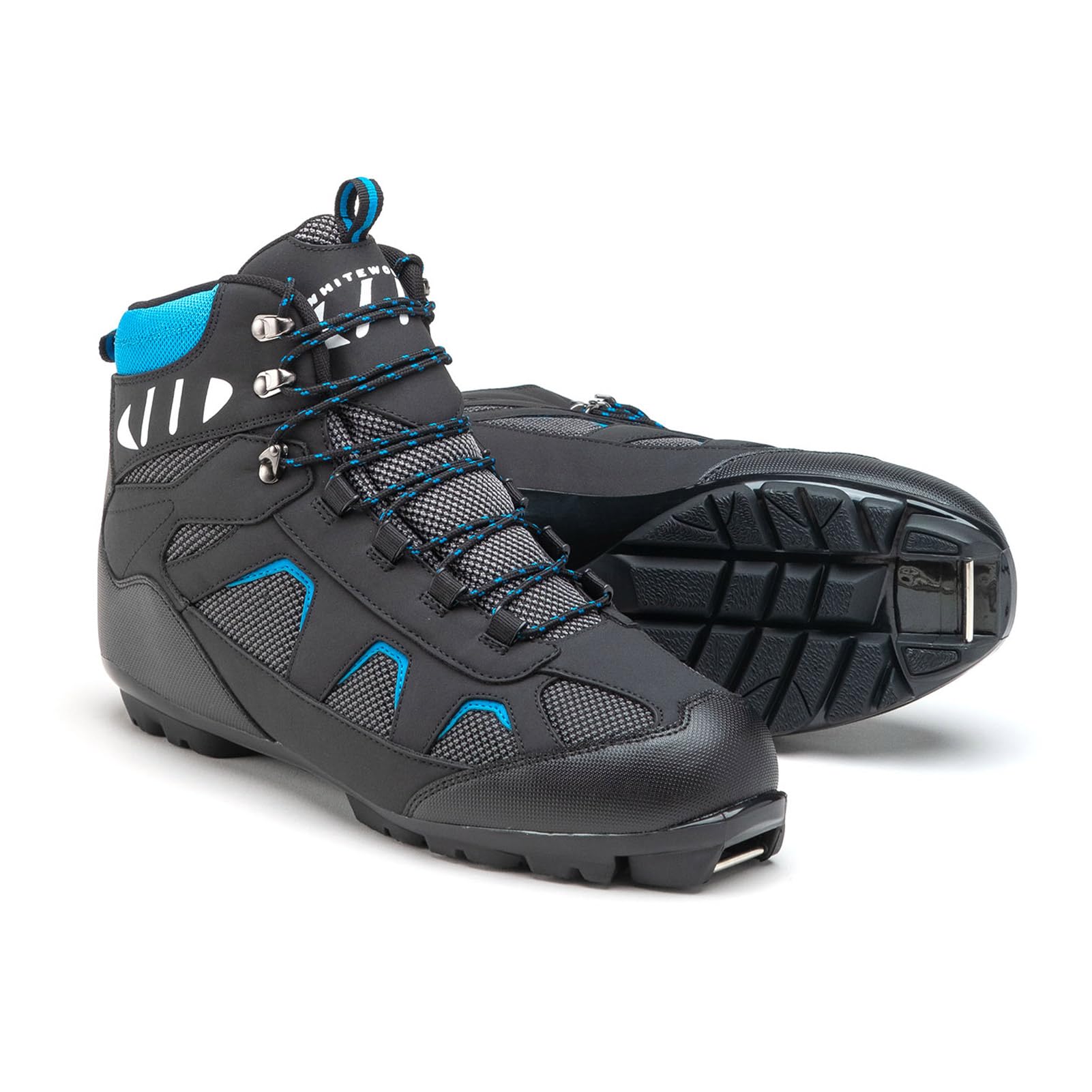
You glide in set tracks with a kick and glide rhythm, and your heel lifts freely on every stride. Choose a low cut boot with soft forward flex so the sole bends as your foot rolls. A snug heel and light weight matter more than tall support on groomed trails.
Skate Skiers Who Need Firm Side Support
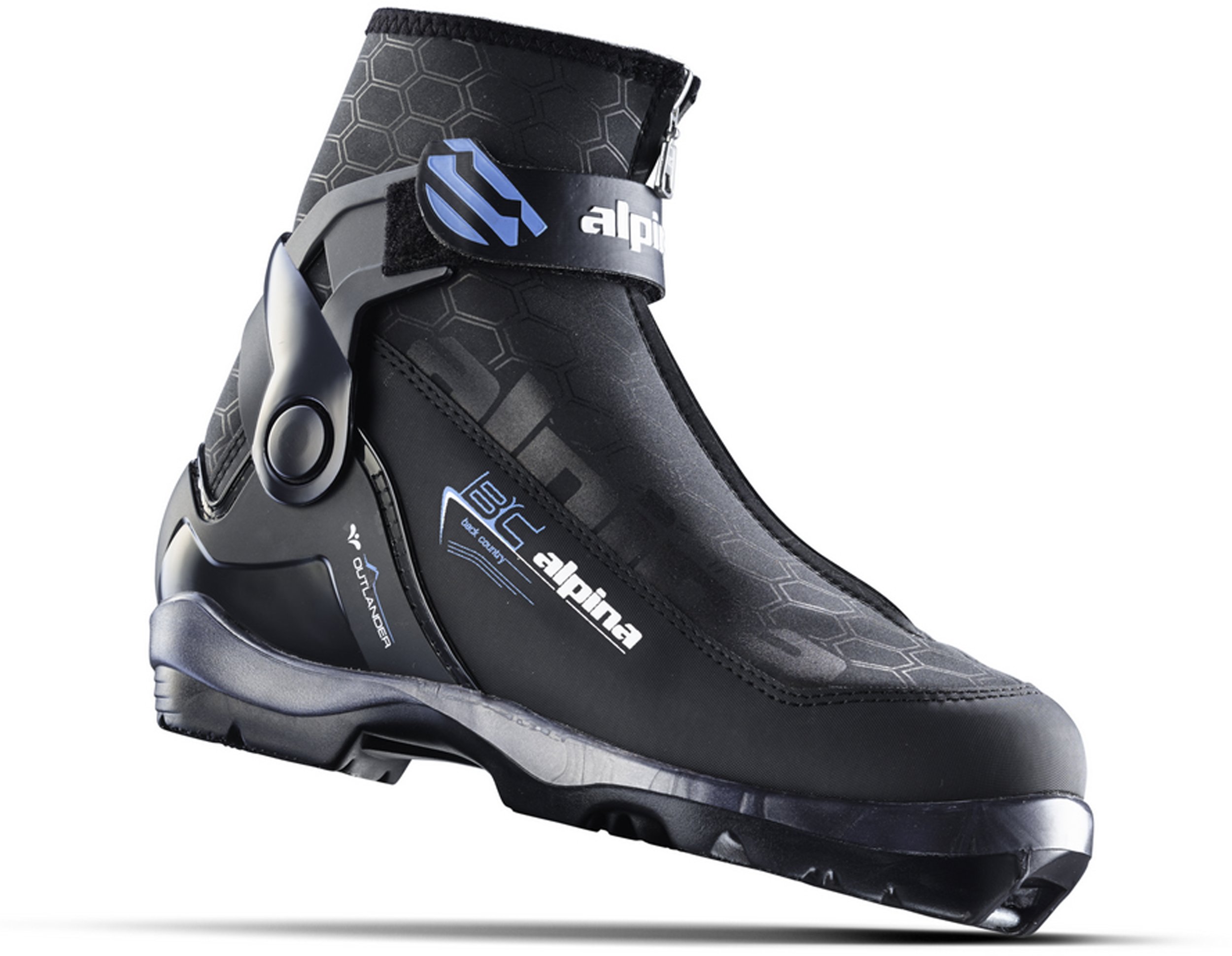
You push each ski out to the side and balance on one ski, so your ankle works hard to keep that ski flat. Choose a taller cuff with firm lateral stiffness and a stiff sole that resists twisting. That support keeps edges controlled on firm snow and stops heel slip from wasting power.
Backcountry Tourers Who Leave Set Tracks
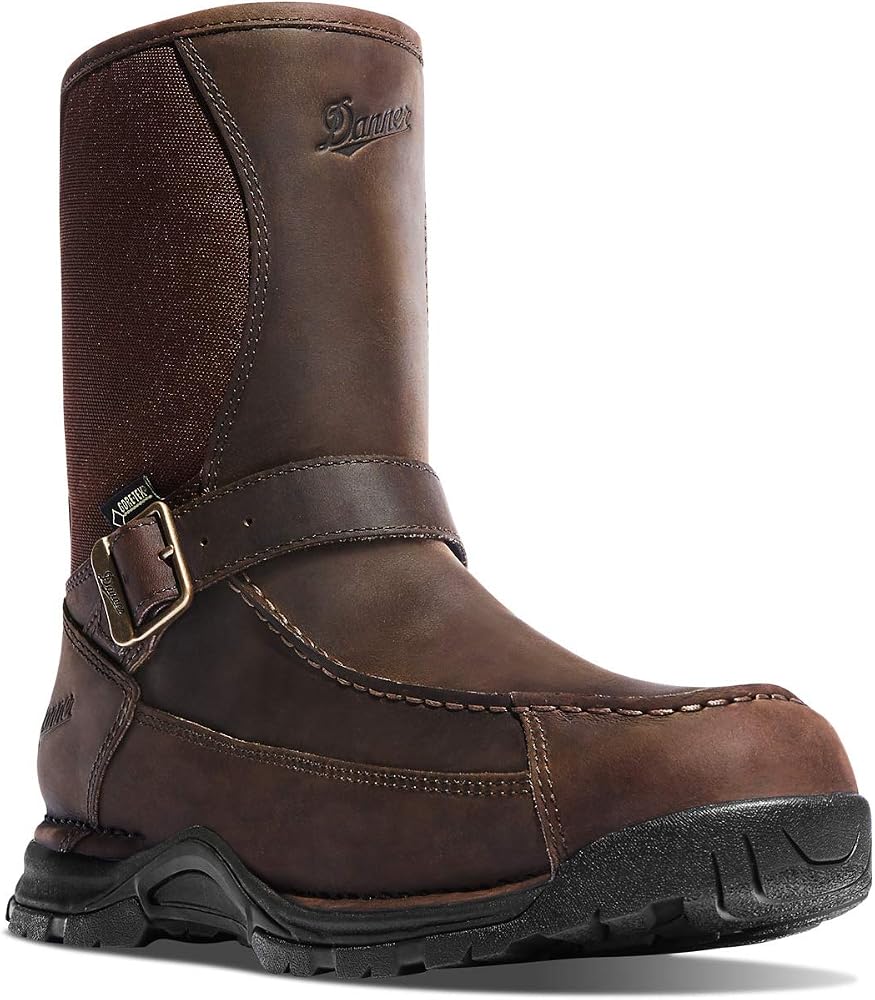
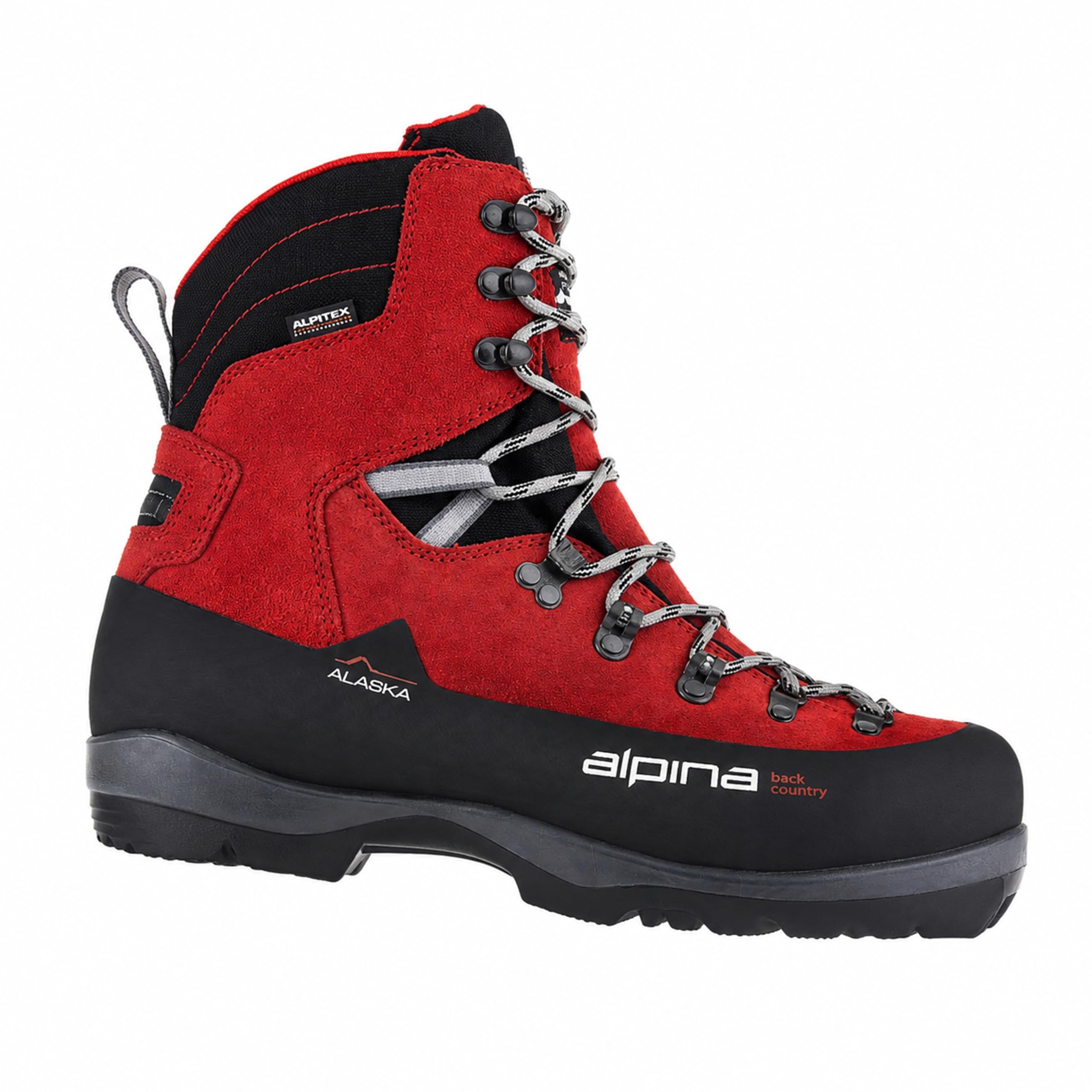
You break trail through soft snow and descend with less control than on groomed runs, so warmth and support matter more than low weight. Choose a taller boot with a sturdy sole, ankle support and extra insulation for deep snow. If your touring stays on wide forest roads, see our guide to the best cross country boots for a lighter starting point.
Key Features to Compare
Use the same five checks in the same order for every model. On paper, the best boots for cross country skiing match your binding, bend the way your technique demands, and keep snow out for hours. Work through compatibility first, then flex and support, then fit and warmth, so price never hides a basic mismatch.
Binding Compatibility and the Sole Bar
Every cross country boot locks to the ski through a metal bar set in the toe of the sole, and that bar must match your binding system. Common systems include NNN, SNS and Prolink, and a boot built for one system will not lock into another. Backcountry models use wider versions, often called NNN BC, or an older three pin sole. Check the binding name on your skis before you order.
Flex for Classic, Skate and Backcountry Skiing
Flex describes how the sole bends and how much the boot twists under load. Classic boots bend easily at the ball of the foot, which lets your heel rise and your toes drive the kick. Skate boots stay much stiffer, because a soft sole would fold when you push sideways. Backcountry boots sit between those extremes, with enough bend for climbing and enough stiffness for soft snow descents.
Cuff Height and Ankle Support
The cuff is the part of the boot that wraps above your ankle, and it controls how much your ankle can roll. Classic boots often end at or below the ankle, which keeps the stride free and light, while skate boots use a tall and firm cuff to hold the ankle steady during each sideways push. Backcountry cuffs rise higher still and add padding for rough ground. If your ankles tire quickly, choose the firmer option.
Insulation, Snow Protection and Breathability
Warmth comes from insulation in the toe and forefoot, where cold reaches you first, and a lace cover or built in gaiter sheds snow and shields laces from ice. A water resistant outer slows slush soaking through, and some boots add a membrane such as Gore Tex for wet spring snow. Breathability matters too, because trapped sweat will chill your feet once you slow down. Choose heavier insulation for cold morning tours and lighter boots for fast training.
Fit, Sizing and Toe Room With Ski Socks
Try boots late in the day in your ski socks, because feet swell slightly and thin dress socks give a false fit. Your toes should brush nothing when you stand, and they need room to spread when you kick. Your heel should stay down when you flex forward and walk around the shop. Most skiers allow about a thumb width in front of the longest toe, and many size up for thick socks.
Classic, Skate and Combi Boots: Which Type Fits You?
Classic boots favor an easy bend and a free heel lift, skate boots favor stiffness and cuff support, and combi boots split the difference for skiers who do both styles. A combi boot suits learners, but it feels soft for hard skate sessions and firm for relaxed classic laps. If you already own bindings, let that system narrow the choice, and note that most pairs weigh about 2 to 4 pounds and close with laces under a zippered cover. For track only models, see our guide to the best cross country ski boots.
Run this quick buyer checklist before you pay:
- Do the boots match the binding system on your skis?
- Does the flex match your most common style?
- Can you wiggle your toes in your ski socks?
- Does your heel stay put when you flex and step?
- Is the cuff height right for your ankles?
- Will the insulation suit your coldest usual outing?
- Does the lace cover close smoothly over the laces?
Keep ski boots for snow only, because the toe bar and stiff sole make them poor shoes for running. If you train on foot in summer, keep that search separate and see our guide to the best cross country running shoes for dry land sessions.
Common Mistakes to Avoid
Most returns and sore feet trace back to a short list of avoidable errors.
- Buying boots for the wrong binding system leaves you with boots that will never lock into your skis.
- Choosing stiff skate boots for relaxed classic skiing makes every stride feel awkward and tiring.
- Sizing boots in thin everyday socks leaves them painfully tight once you add thick ski socks.
- Ignoring heel lift in the shop hides a fit problem that becomes blisters on long outings.
- Trusting a listing that never names the binding system risks an order you cannot use with your skis.
- Storing damp boots in a closed bag invites odor and weakens linings before the next season.
Care and Maintenance for Cross Country Ski Boots
Dry boots at room temperature after every outing, with covers open and insoles pulled out if they remove easily. Keep them away from direct heat such as radiators and wood stoves, because strong heat can warp soles and crack outer materials. Stuffing the toes with newspaper for the first hours pulls moisture from the insulation.
Brush dried snow and grit from the sole bar and the binding groove before each ski day, because packed grit can stop the bar from seating fully. Check laces, straps and the cover zipper for fraying or sticking, and replace worn laces early. Store clean and dry boots upright in a cool place away from sun. A boot that cracks at the toe bend or slips at the heel is ready for replacement.
Frequently Asked Questions
What features matter most in cross country ski boots for track skiing?
Binding match, flex and heel hold matter most for cross country ski boots used on groomed tracks. One point many buyers miss is the click and release test: the boot should snap in with firm toe pressure and release cleanly every time. Try both skis, because one worn binding can make a good boot seem faulty.
How should cross country ski boots fit when you wear thick ski socks?
Cross country ski boots should feel snug at the heel and midfoot, with clear space in front of your toes. At home, lunge forward as if climbing, then slide into a downhill stance and note whether your longest toe strikes the front. Repeated strikes can bruise toenails, so a boot that feels fine standing still is too short.
Are expensive cross country ski boots worth the extra cost for casual skiers?
For casual skiers, expensive cross country ski boots are rarely worth the extra cost. Higher prices mainly buy lighter materials, stiffer cuffs and race level closures, which help most at high effort. For a few weekends each winter, fit and warm socks matter more. A stiffer boot can be your next upgrade once you train weekly.
How long does the break in period last for cross country ski boots?
Most cross country ski boots settle within about three to five outings. The lining packs down slightly around your heel and forefoot during those first skis, so keep early outings short and add distance once hot spots fade. A boot that still folds painfully at the toes after five outings is likely a flex or size mismatch.
Do cross country ski boots need to be waterproof for skiing on snow?
Most cross country ski boots do not need full waterproofing for cold winter snow. Dry snow brushes off, so a water resistant outer and a lace cover handle most days well. Full membranes earn their cost in spring slush and wet coastal snow, where every stride throws water at the boot. On those days, gaiters over the cuff help more than a membrane alone.
Final Thoughts
Start with the binding, then match flex and cuff to your usual skiing, then fit the boot in your own ski socks. Warmth and snow protection come next, and price comes last. Use the product table above to confirm the sole type and insulation of the boots on your short list.
Bought in that order, the best boots for cross country skiing feel almost dull in the shop, with no pinch, no heel slip and no surprises. That quiet fit is exactly what carries you through cold mornings and long finishing climbs.