
Best Boots for Cowboys: 2026 Buyer Checklist Guide
Disclosure: We may earn a commission when you buy through links on this page, at no extra cost to you. As an Amazon Associate I earn from qualifying purchases. Learn more

Compare the best boots for cowboys by toe shape, heel, outsole and leather, with a buyer checklist, sizing help and care tips for daily ranch work.
A working cowboy asks one pair of boots to ride, rope, walk pens and drive, so a pretty shaft alone proves nothing. The best boots for cowboys match your heel to the stirrup, your toe shape to long hours on foot and your outsole to the ground you cross daily. Use this checklist as you study the comparison table below.
Start with your real week. Count your hours in the saddle against your hours on concrete, mud and gravel. The sections below turn that balance into clear choices.


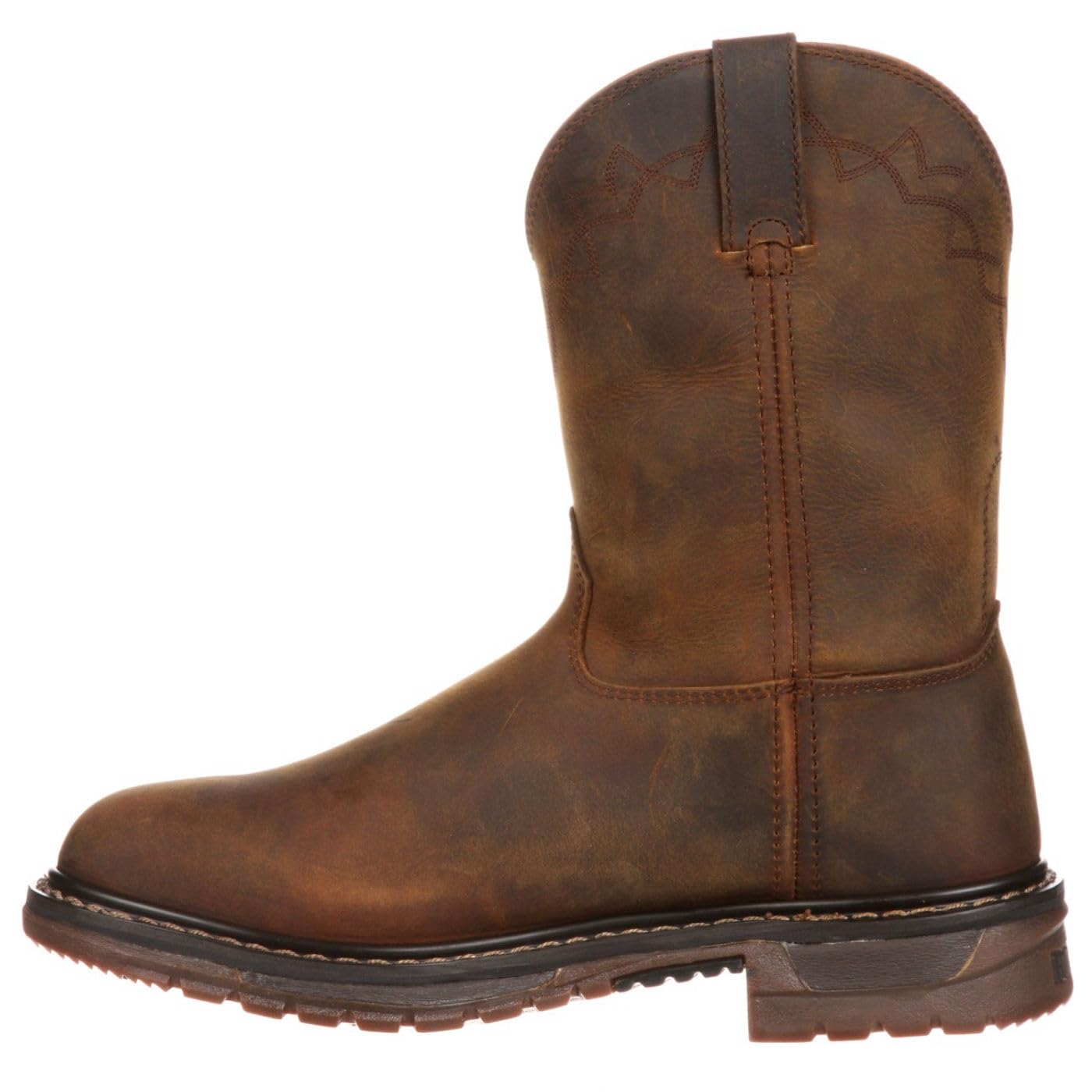
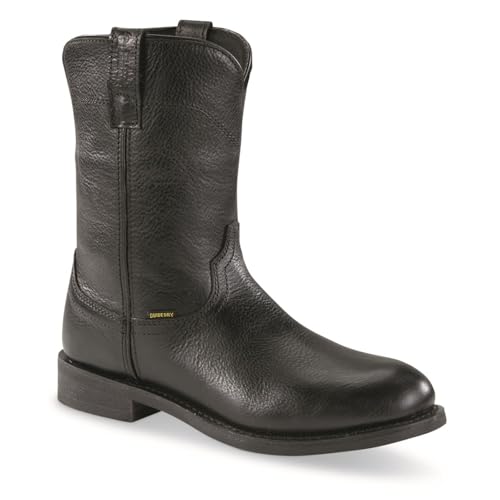
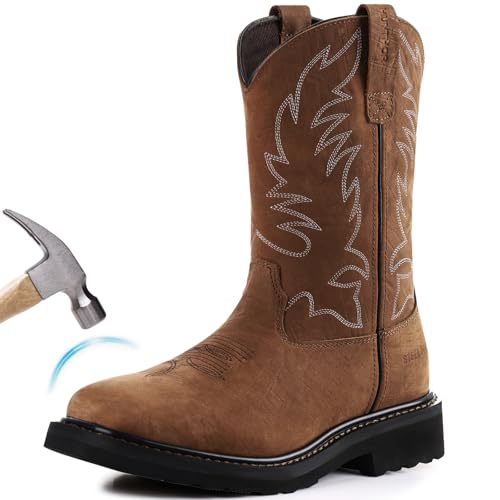
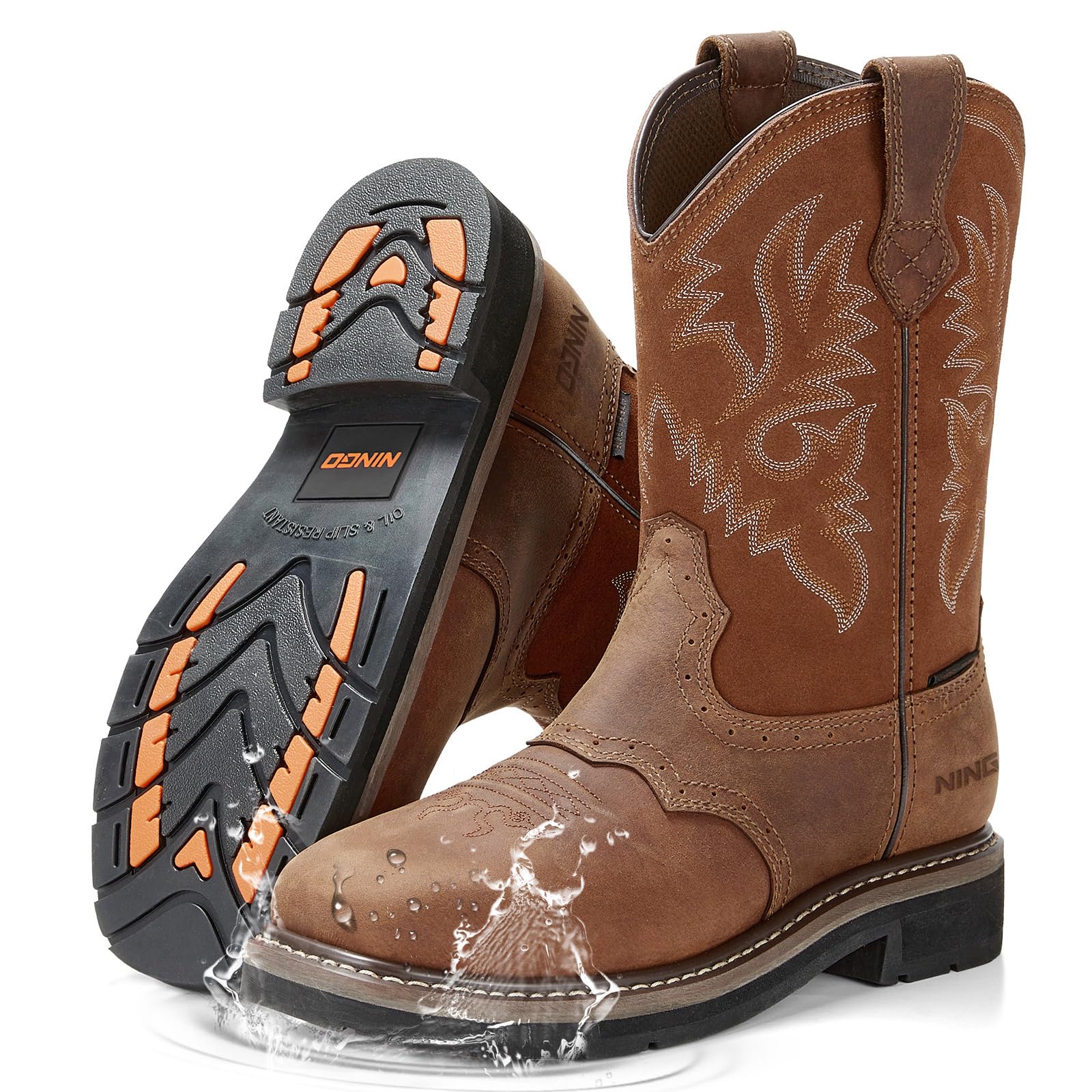


Who Should Buy Which Boots for Cowboys?
Your main job decides your boot. A rider who stays mounted needs a different heel and outsole from a hand who works on foot.
Working Ranch Hands Who Split Time Between Saddle and Ground
You ride in the morning, then walk pens and sort cattle. Choose a roper style or a work cowboy boot with a lower wider heel, a round or square toe and a rubber outsole that grips gravel and concrete. If most of your paid hours happen on foot, see our guide to the best cowboy work boots.
Cowboys Who Ride Most of the Day and Live in the Stirrup
You mount and dismount often, and your boot must slide into a stirrup, hold during work and release cleanly if you fall. Choose a traditional boot with a taller underslung riding heel, a smooth leather outsole and a pointed or narrow square toe. A close calf fit keeps the shaft from catching on tack.
Cowboys Who Work Wet Barns, Mud and Cold Mornings
You wash stalls, cross wet lots and feed in weather that soaks leather and chills your feet. Choose a waterproof work style with a lugged rubber outsole, a wider toe box for thick socks and sealed seams. A taller shaft keeps mud and bedding out, and a second pair lets each pair dry.
Key Features to Compare
Compare each factor below in order, because one weak point can undo the rest.
Toe Shape and Toe Box Room for Long Days on Foot
A classic pointed toe slides into a stirrup easily, but it leaves the least room for toes to spread. A round toe balances easy entry with more daily comfort, while a square toe gives wide feet and thick socks the most space. Stand and confirm your toes can lie flat without pressing the sides, because a snug toe box will feel tight after hours of swelling.
Heel Height and Heel Shape for Stirrup Safety
The heel keeps your foot from sliding through the stirrup and anchors you at dismount. A traditional riding heel stands about 1.5 to 2 inches tall and angles under the boot, which helps it catch the stirrup and release during a fall. A roper heel sits lower and wider, around 1 to 1.5 inches, and feels steadier on foot. Choose the tall heel for saddle first work.
Outsole Material and Tread for Saddle and Ground Work
A leather outsole slides into a stirrup smoothly and suits riding, but it turns slick on wet concrete and wears fast on sharp gravel. A rubber outsole grips mud and barn aisles far better, and a shallow lug pattern sheds dirt without locking your foot in the stirrup. Deep heavy lugs belong on ground work only, since they can hang up during a fall.
Upper Leather, Shaft Height and Calf Fit
Full grain leather resists scrapes from brush and wire and molds to your leg with wear, while softer leathers feel kind on day one but scuff sooner. Most shafts stand about 11 to 14 inches tall. Pull straps should let you draw the boot on with two fingers. Your jeans matter too, so see our guide to the best jeans for cowboy boots if denim binds at your calf.
Waterproof Lining, Breathability and Warmth
A waterproof membrane, including branded systems in the style of Gore Tex, keeps rain and wet grass out. That same lining slows air flow and holds heat, so an unlined leather boot feels cooler through a dry summer. Insulation suits cowboys who feed and calve in cold weather, but it overheats in summer. Pick waterproofing for the wettest job you do often.
Cushioning, Arch Support, Stitching and Expected Lifespan
A cushioned insole and a shaped arch soften hours on concrete, and a small heel to toe drop keeps your stride natural. Cowboy boots often lack strong arch support as sold, so a removable insole matters. For lifespan, look for dense stitching and a welted build you can resole. Men can also see our guide to the best cowboy boots for men.
Types of Cowboy Boots Compared for Ranch Work
Three broad types cover nearly every working need. Traditional riding boots carry the tall shaft, pointed toe and underslung heel, and they suit saddle first days. Roper boots shorten the heel and widen the toe, which makes them easier for walking, driving and climbing yet still work in a stirrup. Work cowboy boots keep the pull on shape but add rubber outsoles, waterproof linings and stronger cushioning. For mixed ranch weeks, the best boots for cowboys are usually roper or work styles.
Quick Buyer Checklist Before You Pay
Run through these questions in the shop or during a home try on, and let a single no answer send you back to compare. Wear the socks you work in, since sock thickness changes fit, and for help choosing them see our guide to the best socks for cowboy boots. Plain work pairs often cost about $120 to $250.
- Can you picture the heel catching in your stirrup without the toe jamming?
- Does your heel lift slightly while the ball of your foot stays firm?
- Can your toes lie flat and spread inside the toe box after you stand?
- Does the shaft clear your calf at its widest point while you sit and stand?
- Is the tread shallow enough for saddle work, or do you work mostly on the ground?
- Can you remove the insole if you need a different support insert later?
- Does the seller state leather type, shaft height and heel height in clear numbers?
- Would you still choose this pair if the shaft design were plain?
Watch for red flags while you check. Vague claims about premium leather with no leather type named, glued soles sold as if they were welted, missing size guidance for calf width and prices far below similar boots all point to corners cut.
Common Mistakes to Avoid
These errors cost cowboys money and sore feet each season.
- Buying a pointed toe in your usual shoe size leaves toes cramped, because pointed styles run long and narrow.
- Choosing deep lugged soles for daily riding risks a foot hanging in the stirrup during a fall.
- Judging fit in the morning leads to a tight boot by evening, when working feet have swollen.
- Wearing thin dress socks to try on boots gives a false roomy feel that vanishes later.
- Paying for exotic leather on a work pair wastes money, since mud and wire will scar fine leather fast.
- Ignoring calf width when you order online brings a shaft you cannot pull on over your leg.
Care and Maintenance for Cowboy Boots
Knock mud and manure off after work, wipe the leather with a damp cloth and let the boots dry at room air away from direct heat, since heat near a stove can crack leather. Pull the insoles out on wet days and rest a soaked pair for a full day.
Condition the upper once the leather looks dry or pale, and brush dust from the welt line. Check heels for uneven wear, because a heel worn to one side changes how the boot releases from the stirrup. Take worn pairs to a boot repair shop for resoling.
FAQ
What features matter most in boots for cowboys who both ride and walk?
Heel shape, outsole tread and toe room matter most for cowboys who both ride and walk. Start with a lower wider heel and shallow rubber tread, then check that your toes can spread during long walks. One point riders often miss is stirrup width: measure your stirrups, because a broad square toe can feel tight in narrow roping stirrups.
Do cowboys need waterproof cowboy boots for ranch work?
Cowboys need waterproof cowboy boots only when wet ground is a weekly part of the job. If you wash stalls, cross irrigated pasture or work through rainy seasons, a membrane earns its warmth. In dry country, plain leather sheds light splashes and breathes better. A waterproof winter pair and a lighter unlined summer pair is a sound split.
Can cowboys wear cowboy boots all day without sore feet?
Yes, cowboys can wear cowboy boots all day when fit, support and break in are handled well. Choose a toe shape that lets your feet spread, add a cushioned insole if the factory one feels thin and build wear time over two weeks. Swapping to a second pair on heavy days also helps, since foam insoles recover shape overnight.
How should cowboy boots fit when they are new?
New cowboy boots should feel snug across the instep, firm at the ball and loose enough at the heel for a small slip. That heel slip settles as the outsole flexes and the leather molds to your foot. Try boots late in the day with work socks, then walk and crouch. If your toes press the end, change length or toe shape.
How long does the break in period last for cowboy boots?
The break in period for cowboy boots usually lasts about one to two weeks of wear. Stiff full grain leather softens at the ankle fold and instep first, and the heel slip fades as the sole bends with your stride. Wear new pairs for chores near the house before a long ride, and wear thick socks at first.
Wrapping Up
Match the boot to your week first: heel and outsole for the saddle, toe room and cushioning for the ground, and lining for your weather. Run the checklist and respect the red flags. Use the product table above to compare shaft height, heel height and price.
When you judge best boots for cowboys by those working points rather than looks alone, the right pair stands out. Buy the boot that fits your job today and care for its leather well.


