Best Boots for Chicago Winter 2026: Which One Fits the Way You Use It?
Disclosure: We may earn a commission when you buy through links on this page, at no extra cost to you. As an Amazon Associate I earn from qualifying purchases. Learn more

Best boots for Chicago winter match your commute, streets, and feet. Compare fit, traction, insulation, and waterproofing by use case.
There is no single boot that suits every Chicago winter routine, so the smartest choice starts with how you will actually use the pair. A short walk to the train, a long shift outdoors, and a weekend in deep snow all place different demands on warmth, grip, and waterproofing. Best boots for chicago winter come in many shapes, and the right pair is the one that matches your streets, your schedule, and your feet. The product table can help you weigh the main options side by side before you decide.
This guide compares boot types by use case rather than by brand or model. You will learn how fit, traction, insulation, and waterproofing work together, which mistakes cost buyers the most comfort, and how to care for a pair through a long season. Read the use case sections first, then check the features that matter most for your routine.

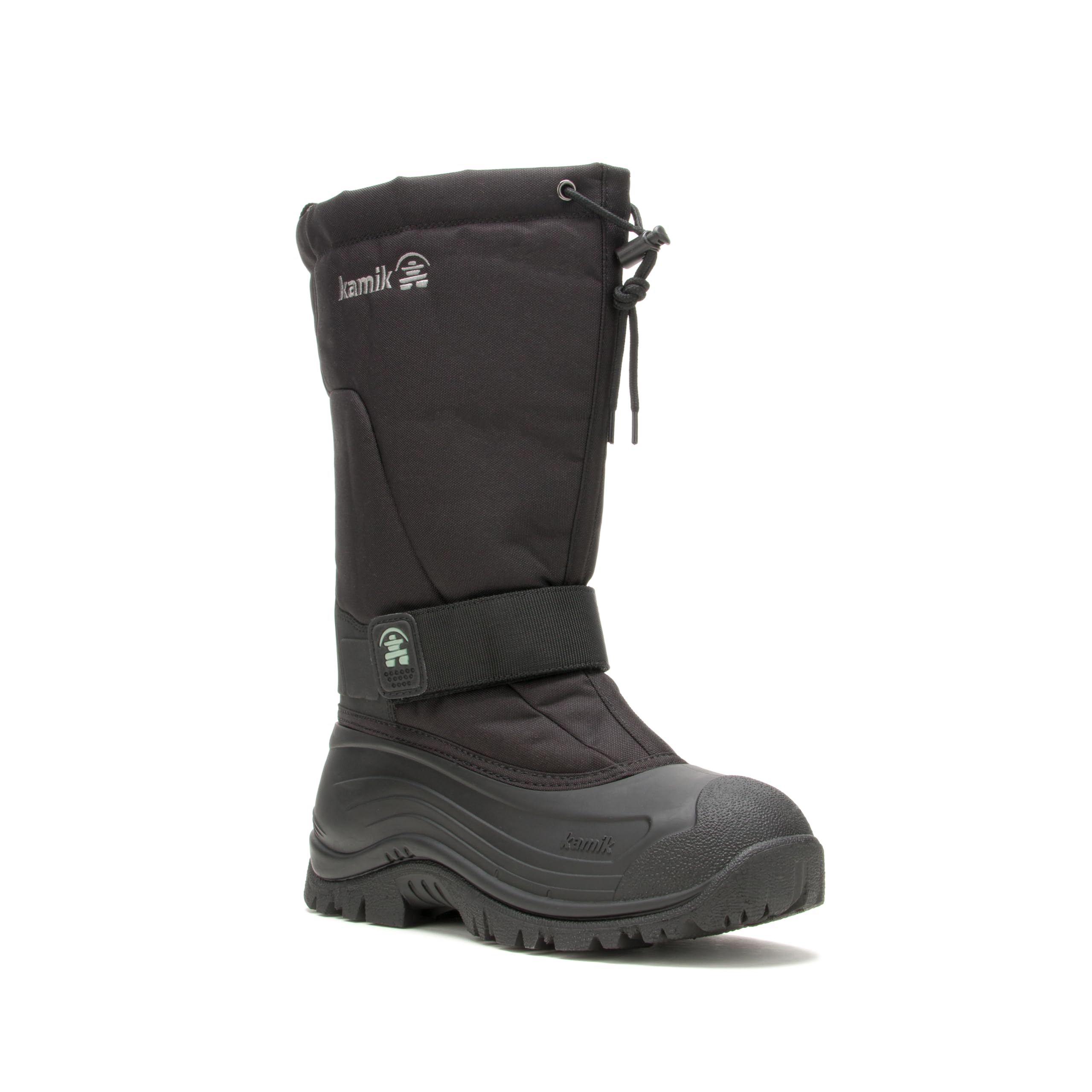

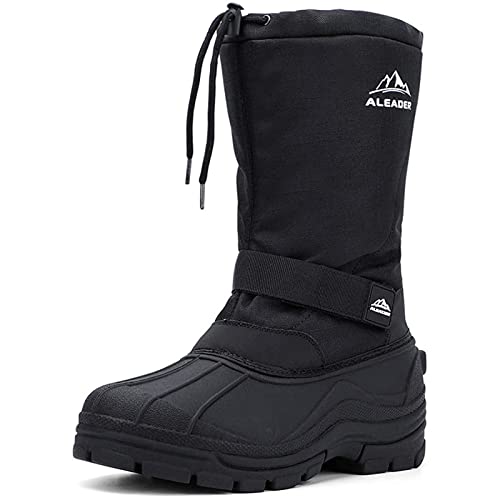

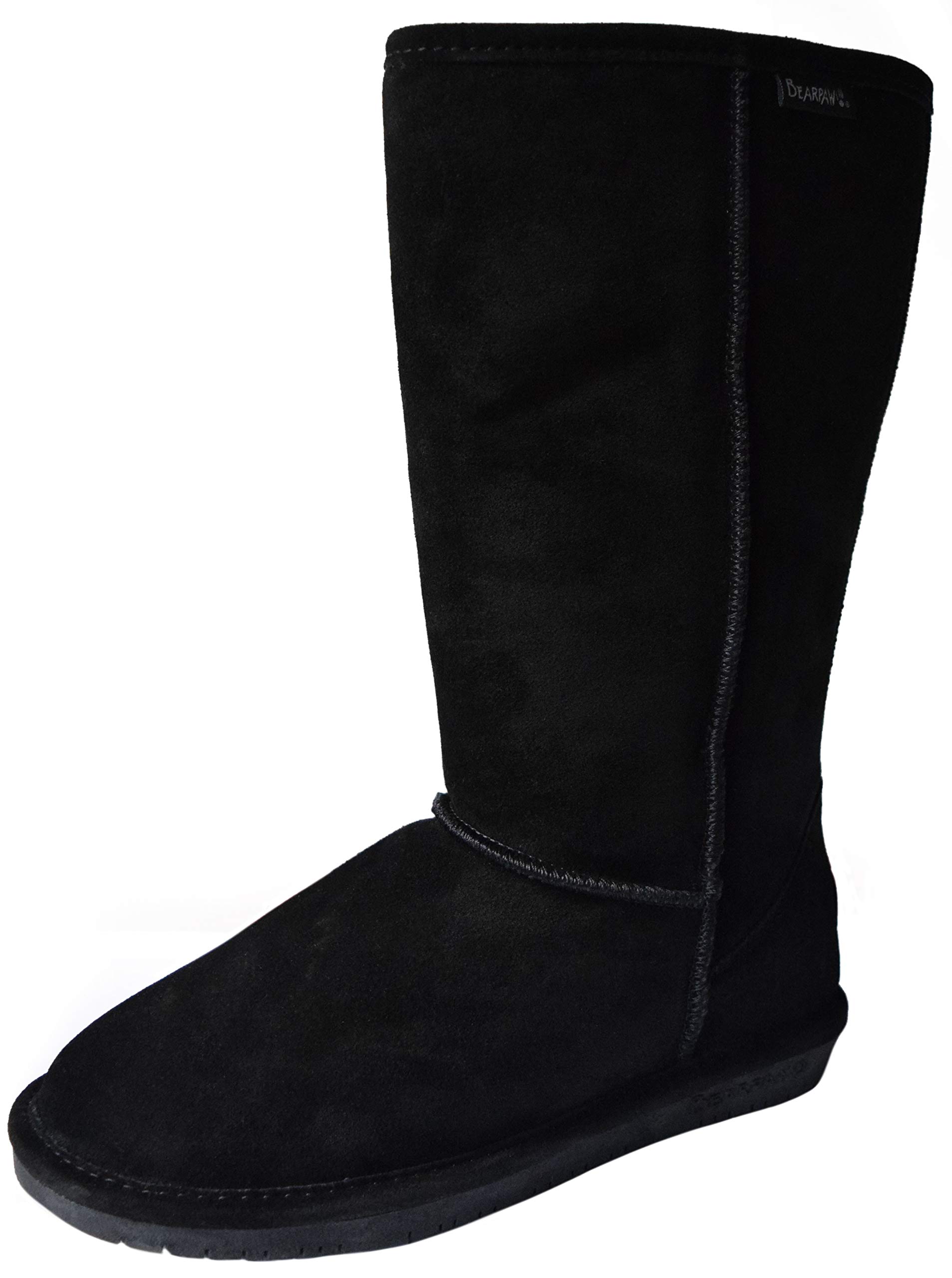

Who Should Buy Which Boots?
Chicago winter covers slushy sidewalks, icy side streets, packed snow, and salted walkways, often in the same week. Your routine decides which trade offs are worth making. A lighter boot may be fine for short trips, while a taller, warmer boot makes more sense for long time outdoors. Use the groups below as a starting point, then adjust for your own feet and commute.
For Small Spaces and Easy Storage
If you live in a small apartment or share a closet, a slim profile boot is easier to store and quicker to grab on a busy morning. Look for a pair with a neat shaft that stands upright in a tray and does not crowd the entryway. Shorter shafts also dry faster in a warm room, which helps when space near a vent is limited. Keep a small boot tray by the door so melting snow stays off the floor.
For Frequent or Serious Users
Daily commuters and people who spend hours outdoors need durability first. Sturdy stitching, a thick lugged outsole, and a waterproof membrane hold up better under salt, slush, and repeated flexing. A removable insole is useful because it lets you adjust cushioning and dry the inside overnight. Check the warranty and the return policy before you buy, since a heavily used pair should be easy to exchange if the fit proves wrong.
For Bad Weather and Tough Conditions
Deep snow, freezing rain, and wind blown lakefront paths call for taller coverage and stronger weather protection. A taller shaft keeps snow out of the top, while sealed seams and a waterproof membrane guard against slush that splashes up from the street. Deep lugs help on packed snow and icy patches, though no boot can make every icy surface safe, so short careful steps still matter. Pair these boots with warm socks and gaiters if you expect deep drifts.
For Weekend Beginners
If you only need winter boots for occasional outings, comfort and simple care matter more than extreme specs. A mid height boot with easy lacing and a roomy toe box is a good place to start, and a moderate price keeps the purchase sensible. Try the pair indoors on carpet first, walk up and down stairs, and check that your toes can wiggle without sliding forward. A first pair does not need every feature, just the ones that match your weekend plans.
Key Features of the Best Boots for Chicago Winter
Winter boots differ in more than warmth. Fit shapes comfort, traction shapes safety on ice, and waterproofing shapes how dry your feet stay in slush. Compare each feature against your routine instead of chasing the highest number on a spec sheet. The sections below explain what each feature does in real Chicago conditions.
Fit, Sizing, and Toe Box
Measure your feet in the afternoon, when they are slightly larger, and wear the socks you plan to use in winter. A roomy toe box lets toes spread and stay warm, while a snug heel keeps the foot from sliding forward on downhill walks. If you are between sizes, size up rather than squeezing into a tight pair, since cramped toes get cold faster. Walk around the house before removing tags, and check for pressure on the toes, the ankle bones, and the top of the foot.
For a closer look at sizing for a related style, see our guide to best women's boots for chicago winter. It covers fit points that also apply to unisex winter boots.
Outsole Traction and Terrain
Traction comes from lug depth, lug pattern, and rubber softness, not from looks alone. Deep, widely spaced lugs shed snow and grip packed surfaces better than a flat sole. Softer rubber stays flexible in cold weather, while very hard rubber can feel slick on ice.
Try the pair on a smooth indoor floor and on a rough outdoor surface if you can. Remember that salt, black ice, and polished stone can still be slippery, so tread helps but does not replace careful footing.
Features That Matter for Chicago Winter
Chicago winter brings lake effect snow, freeze and thaw cycles, and long stretches of salty slush. That mix makes waterproofing and insulation more important than they are in a dry cold climate. Look for a waterproof membrane, sealed seams, and a shaft tall enough to clear typical slush depth on your route. Insulation should match your time outdoors: light insulation suits short commutes, while heavier insulation suits long waits at a bus stop or a day outdoors.
Weather focused options are covered in our guide to best winter boots for chicago weather. It explains how local conditions change the features worth paying for.
Arch Support and Foot Type
Flat feet, high arches, and a tendency to roll inward all change which insole and midsole feel best. A supportive arch helps spread pressure across the foot, while a flat insole may leave the arch tired after a long walk. Removable insoles are valuable because they let you swap in a supportive insole or an orthotic without changing the boot size. If you notice knee or ankle soreness after long walks, pay extra attention to arch shape and heel stability.
Waterproofing
Waterproofing keeps slush and melting snow out, but it also reduces airflow, so feet can feel warm and damp on milder days. A waterproof membrane works best when seams are sealed and the tongue is gusseted, which stops water from sneaking in at the laces. Water resistant boots may handle light snow but will soak through in deep slush. For city use, full waterproofing is usually worth it, since puddles and salted slush are hard to avoid.
For snow specific designs, see our guide to best snow boots for chicago winter. It compares taller snow styles with everyday winter boots.
Common Mistakes to Avoid When Buying Boots
- Choosing by price alone, which can leave you with thin insulation or weak traction for real winter streets.
- Ignoring fit and toe box room, which causes cold toes, blisters, and sore feet on longer walks.
- Buying a size too large or too small, which leads to heel slip, tripping, or cramped toes.
- Skipping a warranty check, which matters when a seam or sole fails mid season.
- Assuming every tall boot is waterproof, when some tall styles are only water resistant and soak through in slush.
For a broader comparison across winter styles, see our guide to best winter boots. It places Chicago focused boots in the wider winter boot landscape.
Care and Maintenance Tips
Air dry wet boots away from direct heat, since radiators and hot air can crack leather and warp soles. Stuff the boots loosely with newspaper or a towel to hold their shape while they dry, and replace the stuffing once it feels damp. Rotate two pairs for daily wear if you can, because a full day of drying keeps the lining fresher and the insulation loftier.
Brush off salt after each use, since salt stains and weakens materials over time. Check laces, eyelets, and seams at the start of each season, and replace worn laces before they snap on a cold morning.
Men focused fits are discussed in our guide to best men's boots for chicago winter. The care steps there match the ones in this guide.
Frequently Asked Questions
What features matter most in the best boots for chicago winter?
Waterproofing, traction, fit, and insulation matter most, in that order for most city routines. Waterproofing keeps slush out, deep lugs help on packed snow, a roomy toe box keeps toes warm, and insulation should match your time outdoors. A tall shaft adds snow protection for deep drifts. Try to balance these four rather than buying the warmest boot you can find, since an overly heavy boot can tire your legs on a daily commute.
How long is the break in period?
Most winter boots feel comfortable after several short walks spread over a week, though stiff leather styles can take longer. Start with indoor wear and short trips, then extend the distance as the materials soften. If sharp pressure or numbness appears in the same spot every time, the fit is likely wrong rather than simply new. A good break in should ease stiffness, not create pain that grows worse with wear.
Are expensive boots worth it?
Higher prices often buy better waterproof membranes, deeper lugs, and sturdier stitching, which matter for daily use in harsh weather. For occasional weekend wear, a mid priced pair with solid waterproofing and good fit can be enough. Compare the cost per winter rather than the sticker price alone, since a durable pair that lasts several seasons can cost less over time than replacing a cheap pair each year.
Do I need waterproof shoes?
For Chicago winter, waterproof boots are usually worth it because slush, puddles, and melting snow are common from late fall through early spring. Water resistant shoes may cope with light snow but tend to soak through when you step into deep slush. If your route is mostly cleared indoor walkways, lighter water resistance may suffice. For street level walking, choose full waterproofing with sealed seams.
How should boots fit?
Boots should feel snug at the heel, roomy at the toes, and secure across the midfoot without pinching. Your toes should wiggle freely and should not hit the front when you walk downhill or down stairs. Try the pair with winter socks and walk on carpet for several minutes, checking for heel lift and ankle pressure. If you plan to add a thick insole, check the fit with that insole in place.
The Bottom Line
Start with your routine, then match fit, traction, waterproofing, and insulation to it. A commuter needs reliable grip and slush protection, a frequent outdoor user needs durability, and a weekend beginner needs comfort and simple care. Check the product table above once more, compare the options that fit your use case, and choose the pair that feels best on your feet. Best boots for chicago winter are the ones that keep you warm, dry, and steady on the streets you actually walk.