
Best Boots for Concrete Walking in 2026 at Every Price: What Your Money Really Gets You
Disclosure: We may earn a commission when you buy through links on this page, at no extra cost to you. As an Amazon Associate I earn from qualifying purchases. Learn more

Compare boots for concrete walking by price tier, cushioning, arch support, outsole grip and fit, so you spend only on upgrades you will feel.
Prices for walking boots stretch from under $75 to well past $250, and the label rarely tells you where that money went. The best boots for concrete walking put most of their cost under your foot, in cushioning and an outsole built for hard, flat ground. This guide shows what each tier delivers, so you can use the comparison table below with a clear sense of value.
Concrete punishes shortcuts that soft trails forgive. A thin sole that feels fine on grass can leave your heels aching after two hours on pavement. Spend first on fit and cushioning, then on extras, and let your daily distance decide your tier.
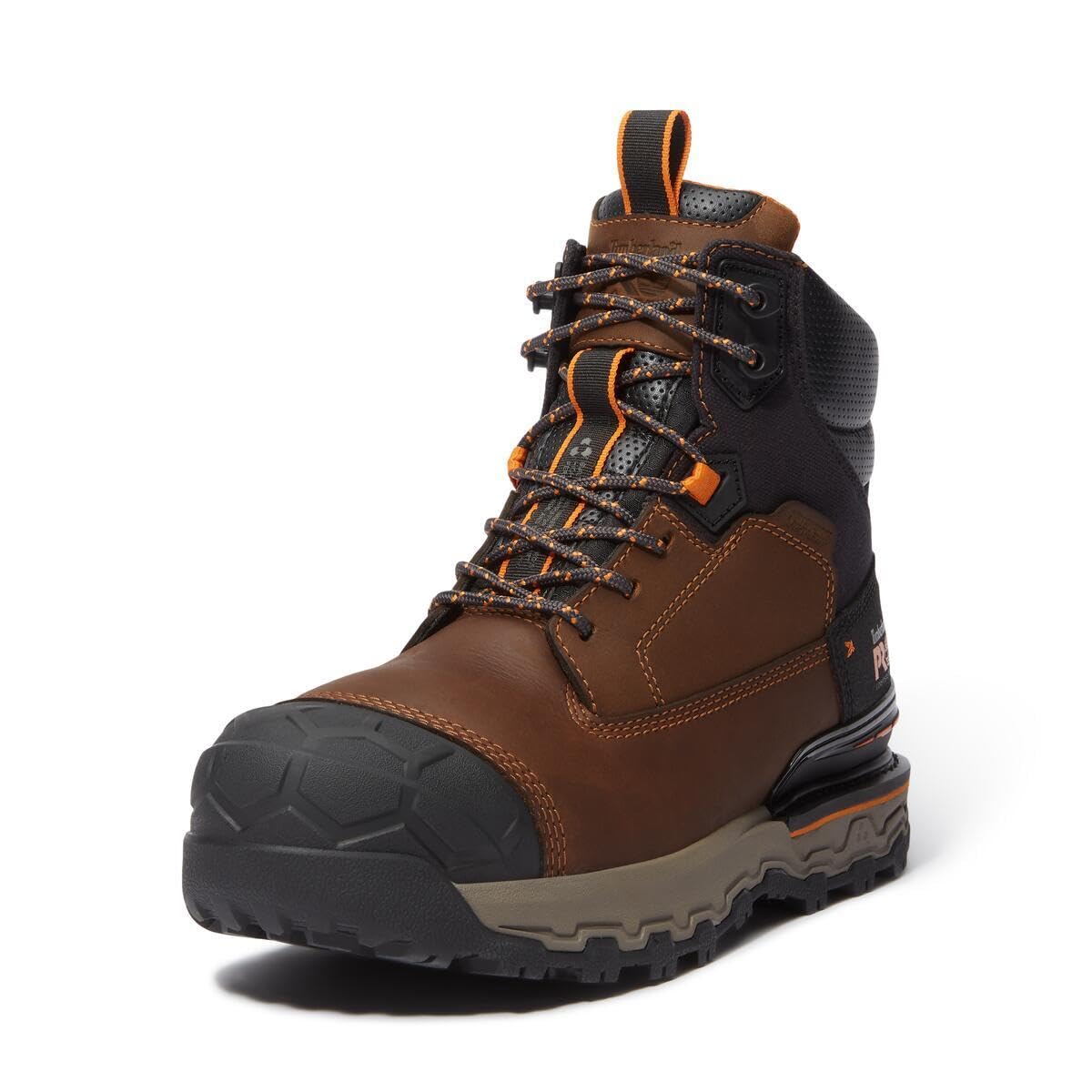
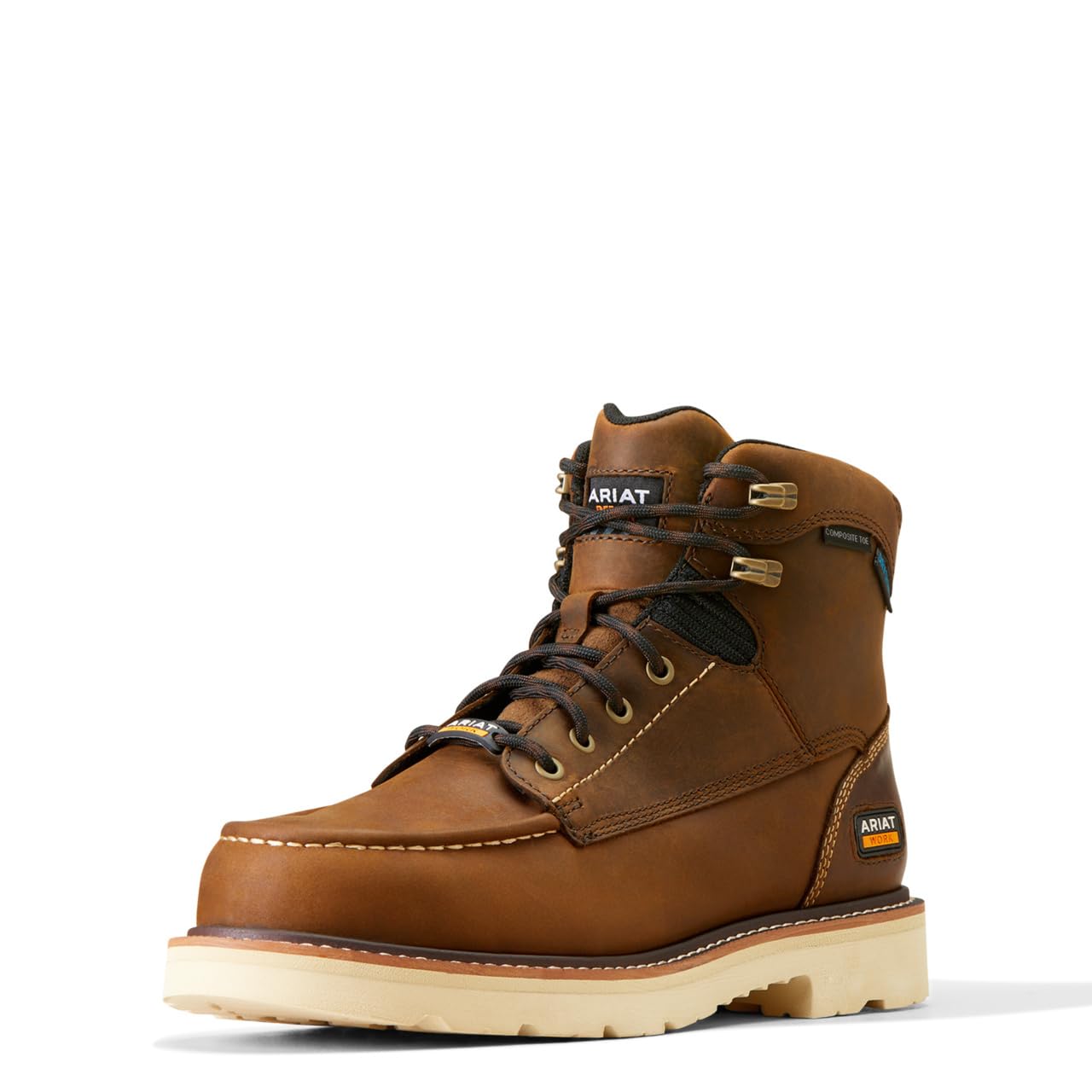
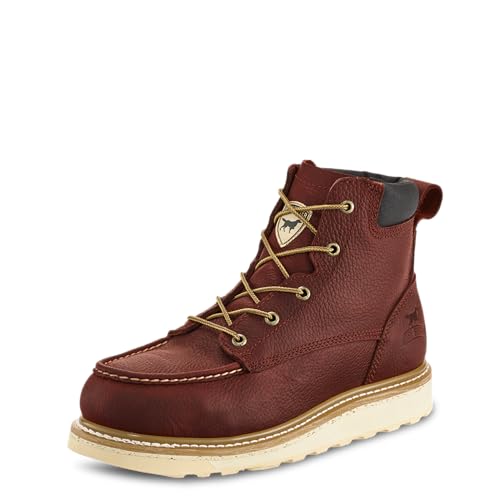


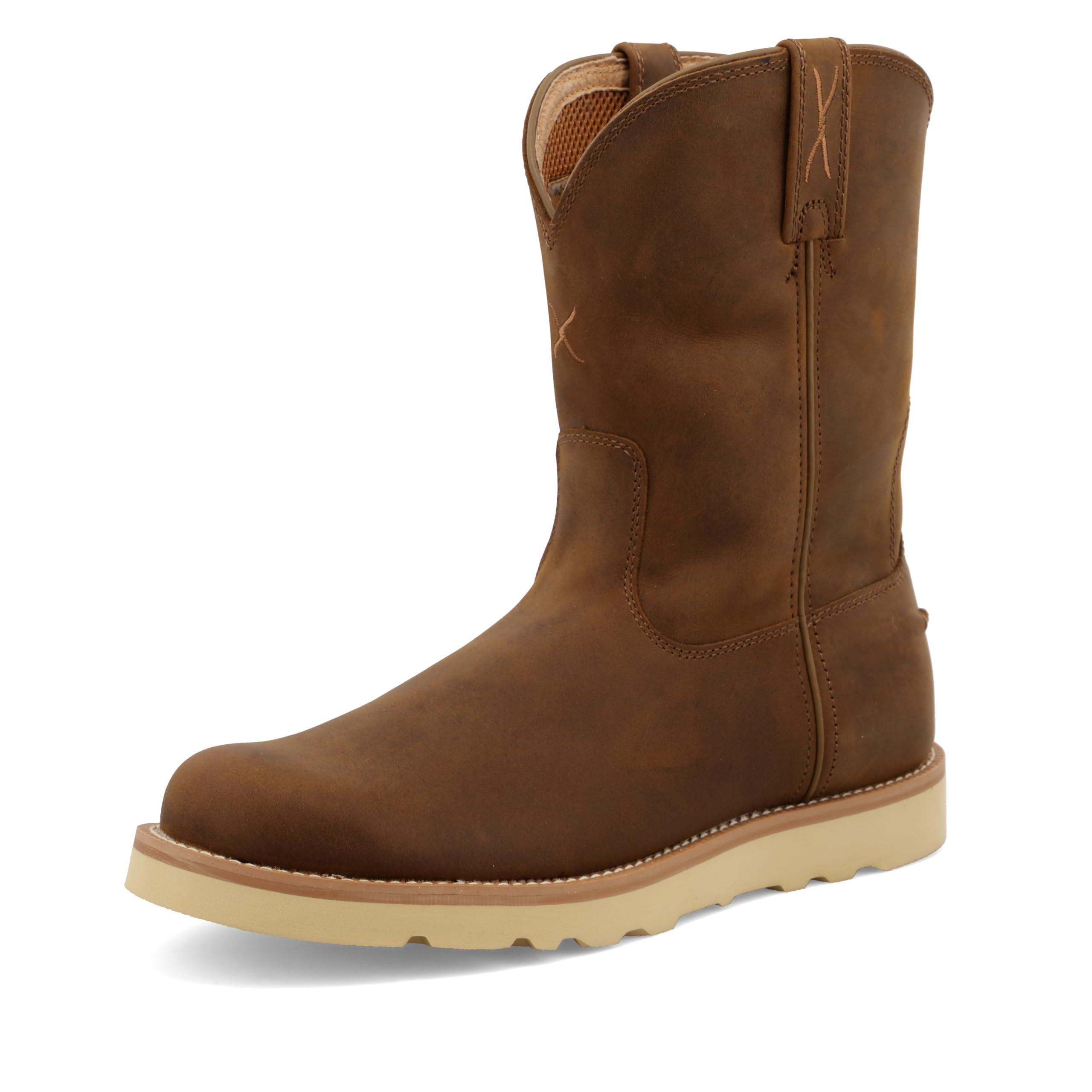
Who Should Buy Which Boots for Concrete Walking?
Your daily surface and hours on foot matter more than brand names.
City Commuters Who Walk Pavement Every Day
You cover sidewalks, platforms and office floors, often in the same pair all day. Look for moderate cushioning, a lighter upper and a plain outsole that grips wet paving stones. A mid tier pair usually suits you best, since you walk daily but rarely carry heavy loads.
Workers Who Stand and Walk on Concrete Floors
You spend whole shifts on sealed concrete in warehouses, shops or hospitals, and your feet feel it by midday. Prioritize thick cushioning, firm arch support and a scuff resistant upper. If your job adds safety rules, see our guide to the best work boots for walking on concrete for toe protection options.
Walkers Covering Long Distances on Hard Routes
You walk for exercise or errands on roads with almost no soft ground to relieve your joints. Choose the most cushioning you can get without losing stability, plus a toe box that lets your feet spread late in the walk. If boots feel heavy on long walks, compare the best walking shoes as a lighter option for dry days.
Foam and Rubber Quality Behind Each Price Step
When you shop for the best boots for concrete walking, price gaps mostly reflect materials you cannot see in photos. Foam quality, insole thickness and outsole rubber separate the tiers more than styling does.
Budget Tier: Basic Cushioning for Shorter Walks
Pairs around $50 to $90 use thinner foam and a basic insole that packs down within months of daily use. Uppers are often synthetic and break in quickly, though they scuff sooner. This tier suits occasional walkers doing an hour or less on pavement. Expect to replace the insole early to restore comfort.
Mid Tier: Denser Foam and Better Insoles for Daily Miles
Pairs around $90 to $160 bring thicker midsoles, shaped insoles with real arch contour and outsoles that wear more slowly on abrasive concrete. Uppers mix leather and fabric for support and airflow. For most daily walkers this tier delivers the largest comfort gain per dollar, and wider sizes are easier to find here.
Premium Tier: Durable Uppers and Longer Service for Heavy Use
Pairs around $160 to $250 add full grain leather or premium membranes such as Gore Tex, denser dual layer cushioning and soles built for years of service. The comfort gain over the mid tier is smaller than the durability gain. Choose this level if you walk several miles daily. Resoleable styles can extend value further.
Key Features to Compare
Compare these factors in order, because the first two decide most of your comfort.
Cushioning Thickness and Midsole Foam
Cushioning absorbs the impact concrete sends back into your heel and forefoot. Thicker midsoles around 20 to 30 mm under the heel soften each step, while very soft foam can feel unstable if it compresses unevenly. Firmer foam lasts longer and suits heavier walkers. If you walk on wet pavement too, compare tread patterns in our guide to the best boots for walking on concrete.
Arch Support and Stability
Arch support keeps your foot from rolling inward as fatigue builds on flat ground, and a stable base matters more on concrete than on shifting trails. Neutral walkers can choose softer neutral cushioning, while walkers whose shoes wear on the inner edge often do better with stability designs. Persistent heel pain, numbness or swelling that does not settle with rest needs a doctor, so talk with your clinician about personal needs before relying on footwear alone.
Outsole Rubber, Grip and Wear on Concrete
The outsole faces constant abrasion, so harder rubber lasts longer on pavement than soft sticky rubber made for rock. Shallow lugs about 2 to 4 mm deep grip flat surfaces well and pick up less grit than deep trail lugs. Look for full contact soles with fine grooves that channel water on wet concrete. A smooth patch under the heel signals fading grip.
Afternoon Fitting for Feet That Walk Miles on Pavement
Measure your feet in the afternoon, when they are at their largest, and try boots with your usual walking socks. Leave about a thumb width in front of your longest toe, and check that the widest part of your foot sits in the widest part of the boot. Feet swell on long concrete walks, so a roomy toe box prevents blackened nails. If you are between sizes, size up.
Heel to Toe Drop and Walking Motion
Heel to toe drop is the height difference between heel and forefoot, often about 8 to 12 mm in walking boots. A higher drop shifts load toward the forefoot and can ease tight calves, while a lower drop feels flatter and steadier at slow speeds. Change drop gradually if you switch styles, since a sudden change can leave calves sore. Match the drop to a pair you already walk in comfortably.
Waterproofing, Breathability and Boot Weight
Waterproof membranes keep rain and puddle splash out, which suits wet climates, but they also hold warmth in summer. Unlined leather and mesh uppers breathe better and dry faster. Weight matters over distance, and a heavy leather boot can tire legs on a five mile walk. Choose waterproofing only if your routes are regularly wet, not as a default upgrade.
Insole Swaps and Upkeep Costs for Daily Walkers
The purchase price is only part of what a pair costs you. Foam insoles flatten with daily use and often need replacing every six to twelve months, at around $15 to $40 a pair. Laces, conditioner and waterproofing spray add small yearly costs. A mid tier boot with a fresh insole can outlast a budget boot bought twice.
Most warranties cover defects rather than worn soles, so keep proof of purchase. Resoleable premium boots spread their price across more years, while glued soles end a boot once tread is gone. For full days on hard floors, see our guide to the best boots for walking on concrete all day.
Common Mistakes to Avoid
- Buying trail boots with deep lugs for pavement leaves you with fast wearing tread and less contact on flat concrete.
- Choosing your usual shoe size without an afternoon fitting leads to pinched toes once feet swell on long walks.
- Spending on waterproofing you never need leaves feet hotter and your budget shorter for cushioning that matters.
- Wearing one pair daily without rest days compresses the foam and shortens the life of the cushioning.
- Judging comfort in the shop doorway ignores how the boot feels after an hour on hard ground.
- Waiting until the outsole is smooth before replacing a pair raises your slip risk on wet concrete.
Care and Maintenance for Boots Used on Concrete
Brush grit off the uppers after walks, since fine concrete dust works into fabric and leather and speeds up wear. Let boots dry at room temperature away from direct heat, and remove insoles so moisture can escape. Rotate two pairs if you walk daily, giving each midsole a day to recover.
Condition leather every few months to prevent cracking, and reproof waterproof styles when water stops beading. Check tread monthly for smooth patches, and inspect seams and eyelets. Store boots upright with laces loosened.
FAQ
What features matter most in boots for concrete walking?
Cushioning, arch support and a hard wearing outsole matter most in boots for concrete walking. Concrete returns nearly all impact to your body, so the midsole does work that soft ground would share. Check the flex point too, since a boot should bend at the ball of your foot, not mid arch.
Can I wear boots for concrete walking all day?
Yes, you can wear boots for concrete walking all day if the fit leaves toe room and the cushioning suits your weight. Build up gradually over the first week while your feet adjust. Sitting breaks help too, and five minutes off your feet each hour reduces the steady load hard floors create.
How should boots for concrete walking fit?
Boots for concrete walking should fit snugly at the heel and midfoot, with clear space at the toes. Your heel should stay in place on a ramp, without lifting and rubbing. Try a brisk indoor walk in the shop, because a slow shuffle hides heel slip that later causes blisters.
Do I need waterproof boots for concrete walking?
You need waterproof boots for concrete walking only if your routes regularly involve rain or puddles. In dry cities a breathable upper is usually more comfortable across a full day. A middle option is water resistant leather, which sheds light showers while letting more heat escape than a full membrane.
How long is the break in period for boots for concrete walking?
The break in period for boots for concrete walking is usually about one to two weeks of regular short walks. Stiff leather sits at the longer end, while fabric uppers often feel right within days. Wear new boots indoors first, then on a short pavement loop, so you can spot rubbing before a long route.
Are expensive boots for concrete walking worth the extra cost?
Expensive boots for concrete walking are worth it when you walk daily and value durability over first day softness. The extra money mainly buys slower wearing materials and, in some styles, resoleable construction. If you walk only a few times a week, a mid tier pair plus a spare insole is often better value.
Final Thoughts
Start with fit and cushioning, check the outsole for flat ground grip, and then let your daily distance pick the price tier. Budget pairs serve short walks, mid tier pairs suit most daily walkers, and premium pairs reward heavy use with longer service. Use the product table above to compare weights and prices.
Chosen that way, the best boots for concrete walking stop being a price guessing game. You pay for foam, rubber and fit you can feel on every block.


