Best Boots for Walking on Concrete at Every Price for 2026: What Your Money Really Gets You
Disclosure: We may earn a commission when you buy through links on this page, at no extra cost to you. As an Amazon Associate I earn from qualifying purchases. Learn more

Learn what boots for walking on concrete should offer at each price level, which features are worth paying for, and how to judge long term value before you buy.
Concrete is firm, flat, and unforgiving, so the right footwear matters more than it does on softer ground. Best boots for walking on concrete should cushion each step, support your feet through long shifts, and grip smooth floors without feeling heavy. This guide explains what each price level usually delivers, so you can spend where it helps and skip upgrades that add little for concrete walking.
The comparison table below gives you a quick way to compare boot types side by side. The sections that follow explain fit, cushioning, waterproofing, and long term costs in plain terms, so you can match a boot to your daily routine and your budget.


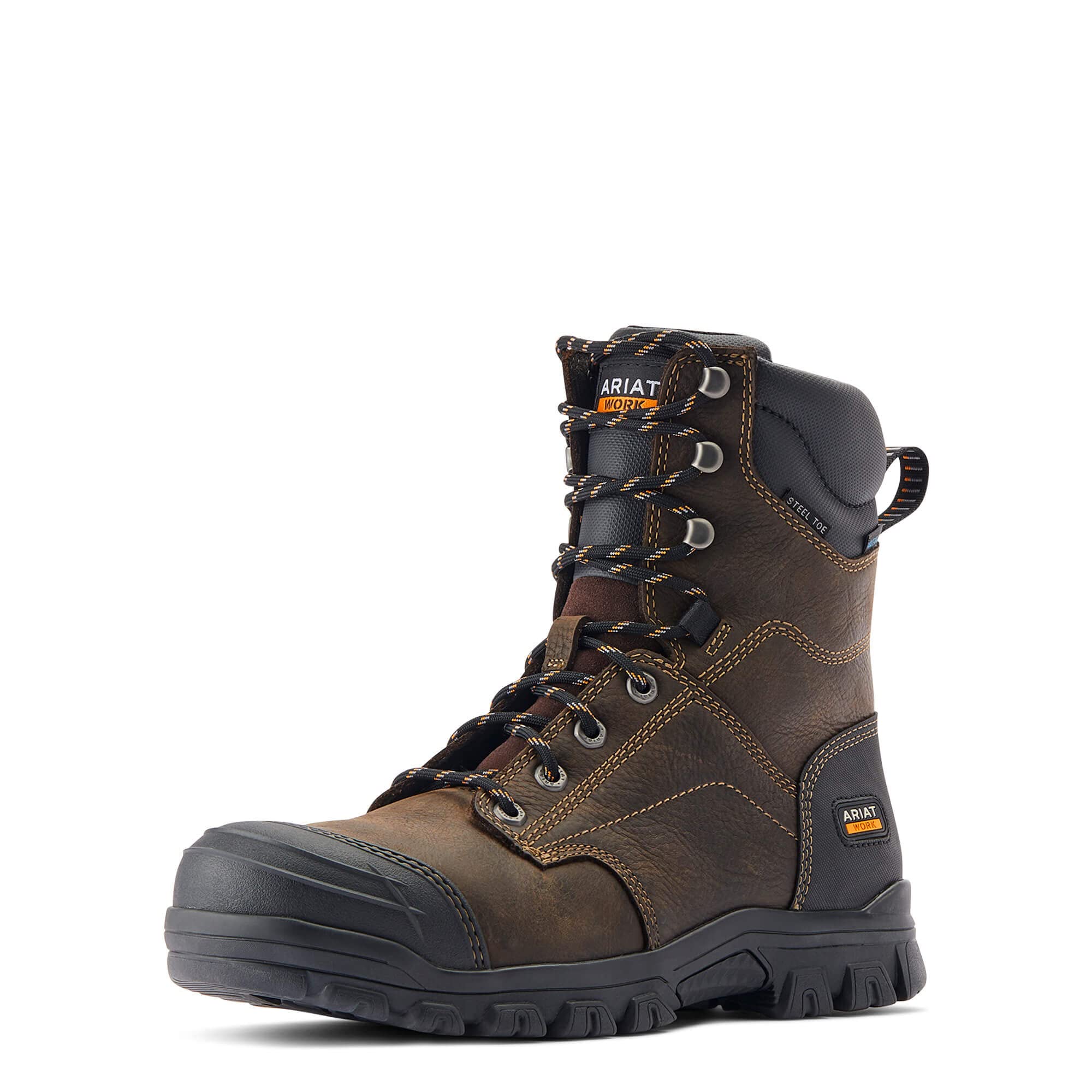


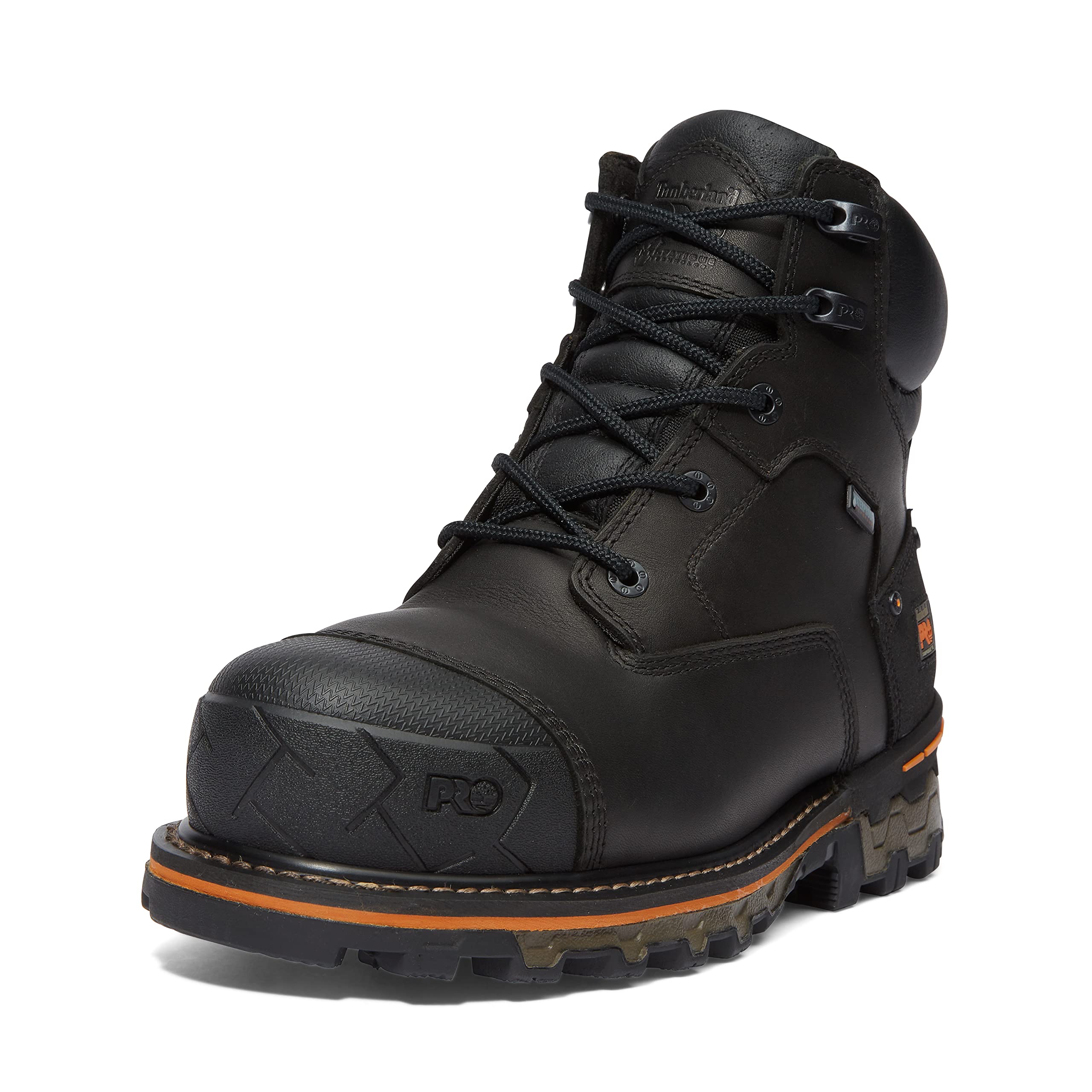

Who Should Buy Which Concrete Walking Boots
Concrete walking boots suit people who spend most of the day on hard floors, but the best choice depends on how far you walk, how long you stand, and what your workplace allows. A boot that feels fine for a short commute may feel very different after eight hours on a warehouse floor.
Warehouse and Delivery Workers
Warehouse and delivery workers need cushioning that does not flatten quickly, a stable base for lifting and turning, and an outsole that grips polished concrete and loading areas. Look for a roomy toe box, firm heel support, and a sole that resists wear from constant pivoting. If your employer sets safety rules for footwear, check those rules first, because they may require a particular toe style or sole type.
Retail and Hospitality Staff
Retail and hospitality staff often stand in one place for long periods, then walk short distances across hard floors. For this pattern, even cushioning matters more than heavy duty protection, and a lighter boot can reduce leg fatigue. A breathable upper helps in warm indoor spaces, while a sole with steady grip helps on floors that may be damp near entrances or service areas.
City Walkers and Commuters
City walkers and commuters need boots that handle sidewalks, transit platforms, and office floors without feeling bulky. A flexible sole, a comfortable fit from the first wear, and a style that works indoors and outdoors are useful here. If you walk in rain, a water resistant upper is worth considering, but full waterproofing may feel warm on dry days.
What Your Money Gets You at Each Spending Level
Price alone does not guarantee comfort, but each spending level tends to offer a different mix of materials, cushioning life, and construction detail. The goal is to find the level where the features you actually need appear, without paying for extras that do not help on concrete.
Budget Level: The Basics That Matter
Budget boots, usually about $60 to $110, often provide basic cushioning, a simple foam insole, and a durable rubber outsole. They can work well for shorter days or occasional concrete walking, but the cushioning may compress sooner under daily use. Check the fit carefully at this level, because a good fit matters more than a fancy feature list when the materials are simpler.
Mid Level: Comfort That Holds Up Longer
Mid level boots, usually about $110 to $180, often add thicker cushioning, better arch support, and more refined uppers that breathe better. The sole may use a more resilient foam that keeps its shape through longer shifts. This level often suits people who walk on concrete every workday, because the added comfort and durability can make the higher price worthwhile over time.
Higher Level: Durability and Refinement
Higher level boots, usually about $180 to $260, often use premium leather or advanced synthetics, replaceable insoles, and outsoles built for long wear. They may also offer finer fit adjustments, such as wider size ranges or removable footbeds for custom insoles. This level makes most sense if you walk long distances daily, need a boot that lasts through heavy use, or want the option to refresh the insole instead of replacing the whole boot.
Features Worth Paying For and Features to Skip
Not every feature helps on concrete. Some features improve comfort and durability in a clear way, while others add cost without changing how a boot feels after several hours on a hard floor.
Fit, Sizing, and Toe Box
Fit is the most important feature for concrete walking, because a poor fit causes hot spots and fatigue long before the sole wears out. Measure your feet in the afternoon, when feet are slightly larger, and wear the socks you plan to use at work. A roomy toe box lets your toes spread naturally, which helps balance and comfort during long walks. If a boot pinches at the toes or slips at the heel in the store, it is unlikely to improve enough with wear to be worth keeping.
Waterproofing and Membranes
Waterproof membranes, including Gore Tex style liners, keep water out, but they also reduce airflow and can feel warm indoors. They are worth paying for if you walk outdoors in rain, snow, or wet yards, or if your route includes puddles and damp ground. For mainly indoor concrete walking, a water resistant upper may be enough, and it will usually breathe better. Always check the maker guidance for care, because waterproof liners need proper cleaning to keep working well.
Upper Materials and Breathability
Mesh uppers breathe well and feel light, leather uppers resist scuffs and offer more structure, and knit uppers stretch to fit the foot closely. For warm indoor work, mesh or a breathable synthetic blend can reduce sweat and discomfort. For outdoor work or rough use, leather or a tough synthetic upper may last longer. The best choice depends on your climate, your workplace, and how much protection the upper needs to provide.
Concrete Specific Cushioning and Support
Concrete does not absorb shock, so the boot must do that work. Look for cushioning that feels even from heel to forefoot, rather than soft only at the heel, and for arch support that matches your foot shape. A moderate heel to toe drop can help some walkers feel more stable, while others prefer a flatter feel.
Stability features, such as a firm heel counter and a supportive midsole, help keep the foot aligned during long walks. If you have persistent foot pain, reduced feeling in your feet, or a condition that affects walking, talk with a clinician about fit and support before choosing a boot.
Long Term Costs to Factor In
The purchase price is only part of the cost of concrete walking boots. Insoles may need replacing, laces wear out, and soles eventually lose grip, so plan for those smaller costs. Rotating two pairs can extend the life of each pair, because foam needs time to recover between wears.
Check the warranty terms and the maker return policy before buying, and keep the receipt in case a seam or sole fails early. A boot that costs more at first can cost less per month if it lasts twice as long, but only if the fit and comfort are right from the start.
For related workday footwear, see our guide to best work boots for walking on concrete if your job adds safety requirements. For warmer weather, see our guide to best sandals for walking on concrete when a lighter option fits your workplace rules. Women readers may also find our guide to best women's boots for walking on concrete useful for fit ranges. Trail style options are covered in our guide to best hiking boots for walking on concrete if you also walk on rough ground.
Frequently Asked Questions
What features matter most in concrete walking boots?
Fit, even cushioning, arch support, and a grippy outsole matter most for concrete walking boots. A roomy toe box and a stable heel help you stay comfortable through long shifts, while a sole that resists wear keeps grip over time. Breathability matters too, especially indoors, because warm feet can lead to blisters. Test boots with your work socks, walk on a hard floor if possible, and pay attention to pressure points in the first few minutes, since those points often grow worse, not better, with time.
Are expensive concrete walking boots worth it?
Expensive boots are worth it when the added cost buys cushioning that lasts longer, better materials, or a fit option you cannot find at a lower price. They are less worthwhile if the premium features, such as full waterproofing or heavy leather, do not match your daily route. Compare boots by how many months of daily wear you expect, not by price alone. A mid level boot that fits well often gives better value than a premium boot that pinches, because comfort determines whether you actually wear the boot every day.
How often should I replace concrete walking boots?
Replace concrete walking boots when the cushioning feels flat, the outsole loses grip, the upper cracks, or the fit changes because the interior has broken down. For daily concrete walking, many people notice wear within six to twelve months, though lighter use can extend that period. Check the sole tread, press the midsole to feel for hard spots, and look for uneven wear that may signal a fit issue. Keeping a second pair for rotation can help you spot wear earlier, because you can compare a fresh pair with the older pair.
Do I need waterproof footwear for concrete walking?
You need waterproof footwear for concrete walking only if your route regularly includes rain, snow, wet yards, or standing water, because dry indoor floors are better served by a water resistant upper with better airflow and comfort. Waterproof membranes add warmth, so they can feel uncomfortable in heated buildings, and dirt and salt can reduce both waterproofing and breathability over time if you ignore maker cleaning guidance. Consider your full route, not just one part of it, before paying for full waterproofing, and weigh warmth against wet weather protection.
How should concrete walking boots fit?
Concrete walking boots should fit snugly at the heel, leave about a thumb width of space in front of your longest toe, and feel roomy across the toes without slipping. Try them on in the afternoon with your work socks, and walk on a hard surface for several minutes. Your heel should stay in place, your toes should not touch the front when you step downhill, and the boot should not pinch across the widest part of your foot. If you use custom insoles, test the boots with those insoles in place, because they change the internal volume.
Final Thoughts
The best value comes from matching cushioning, fit, and sole durability to your daily concrete routine, rather than chasing the highest price or the longest feature list. Start with fit, then check cushioning life, breathability, and workplace rules, and use the product table above to compare types before you decide. Best boots for walking on concrete are the ones you can wear comfortably for a full day, day after day, without new pain or slipping. If pain persists, worsens, or involves numbness or swelling, talk with a clinician and check your employer footwear rules before continuing in the same boots.