Best Boots for Winter Construction in 2026: Types Compared and How to Choose
Disclosure: We may earn a commission when you buy through links on this page, at no extra cost to you. As an Amazon Associate I earn from qualifying purchases. Learn more

Compare insulated, waterproof and safety toe boot types to choose the best boots for winter construction for snow, ice and long cold shifts on site.
Winter work punishes the wrong boots fast. Snow soaks leather, cold concrete pulls heat from your feet, and ice turns a walk into a fall risk. The best boots for winter construction solve all three problems at once, and the comparison table below shows how the main types differ on insulation, protection and price.
Start with your actual site, not a generic winter label. Note how much time you spend outdoors, whether you stand on wet concrete or climb ladders, and what toe protection your employer requires.


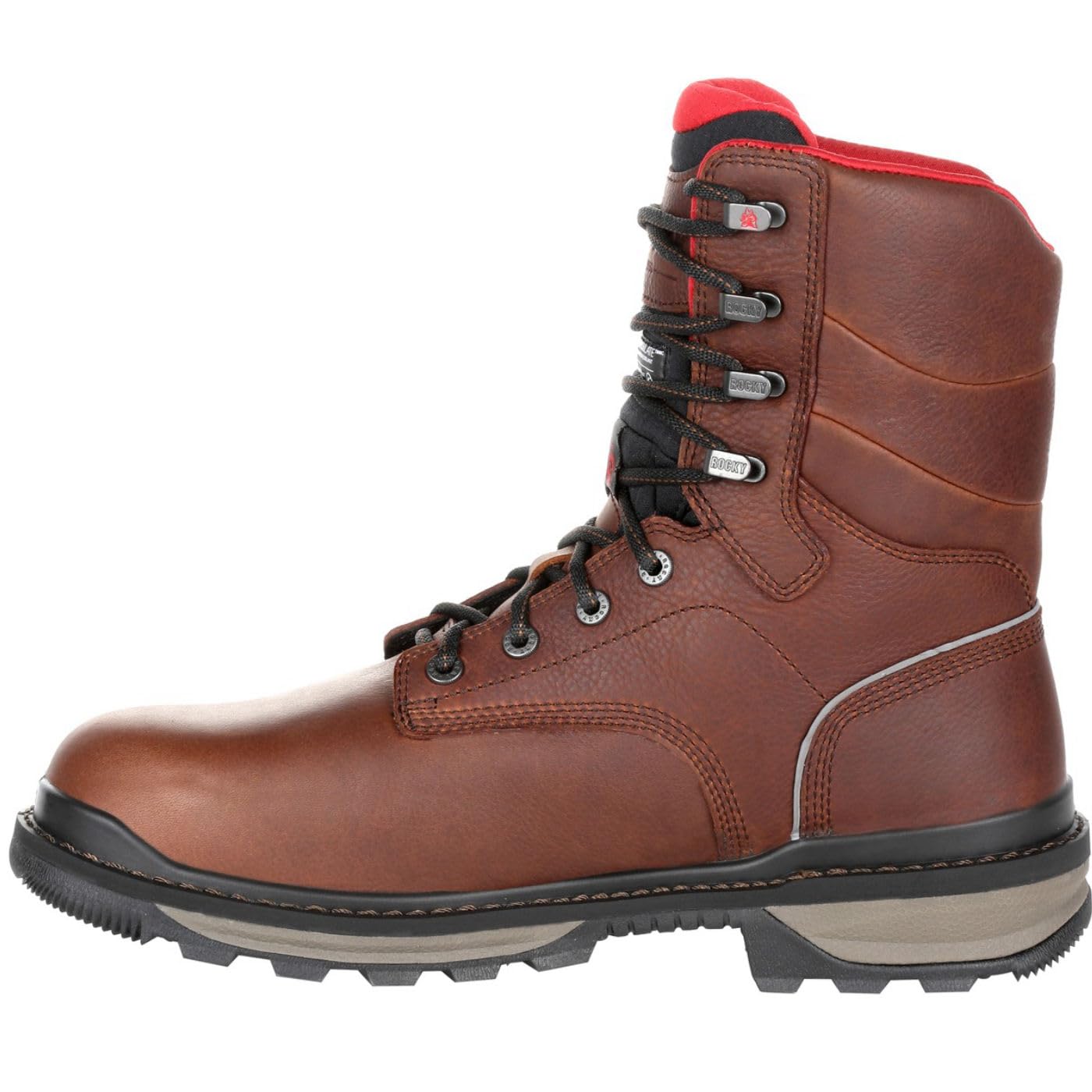



Types of Boots for Winter Construction Compared
All three types below are built for cold work, but they protect you in different ways. Prices range from about $120 to $180 for basic models to about $180 to $300 for premium pairs. Match the type to your ground and required protection first.
Insulated Waterproof Leather Safety Toe Boots
This is the standard choice for most crews. A leather upper with a waterproof membrane keeps melt water out, insulation of about 200 to 600 grams holds warmth during active work, and a safety toe guards against dropped material. The firm shank and ankle support suit ladders and uneven frozen ground. Choose this type if you move all day and need one pair for framing, exterior work and site cleanup.
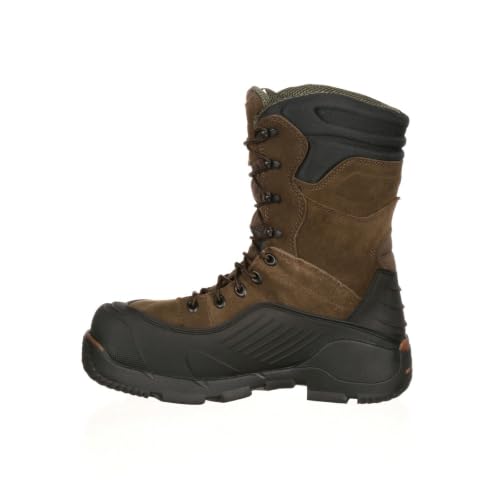
Insulated Pac Boots With Removable Liners
Pac boots pair a rubber lower section with a leather or fabric upper and a thick removable felt liner, often rated for far colder air than a standard work boot. The rubber foot shrugs off deep snow, slush and standing water around fresh concrete. Liners pull out at night, so they dry fully before the next shift. Choose this type for static outdoor work and sites where you stand in slush for hours, but note the soft fit gives less ankle support on ladders.
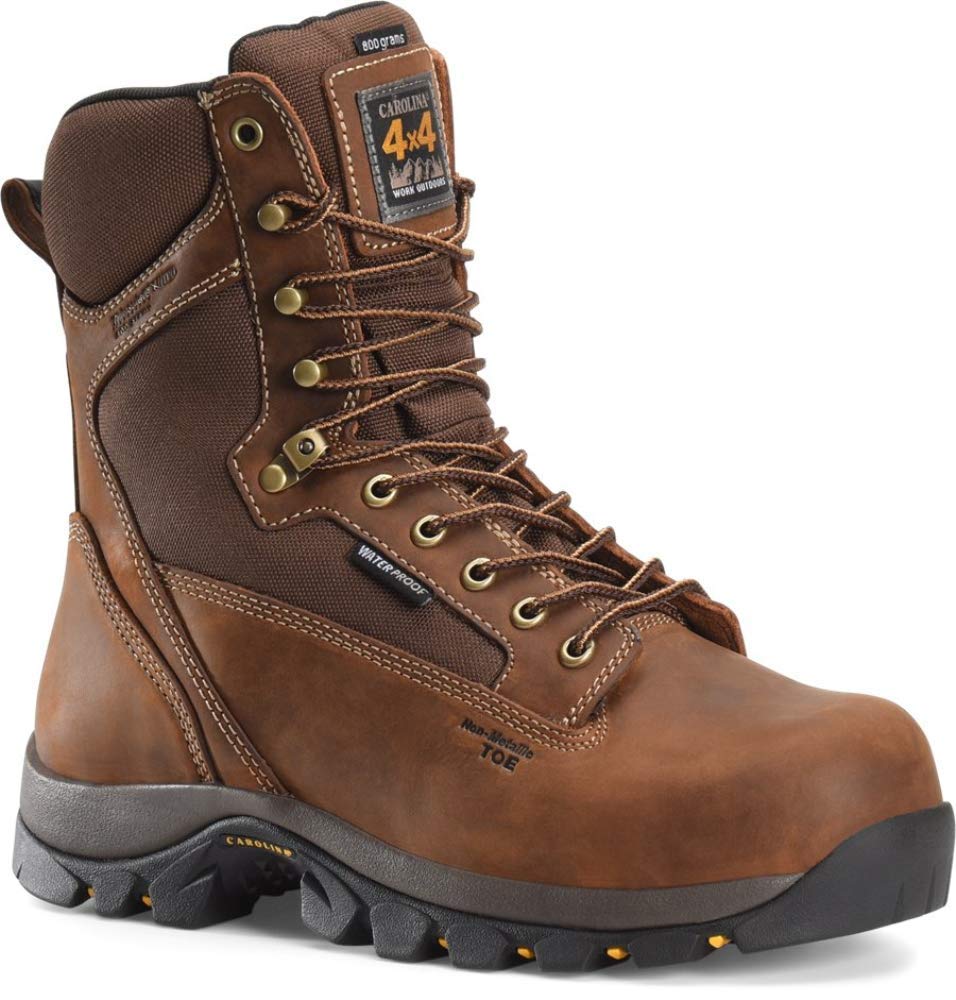
Composite Toe Insulated Boots for Cold and Electrical Work
Composite toe boots use a non metal cap made from materials such as carbon fiber or strong plastic, so the toe does not conduct cold the way steel can on a freezing morning. They weigh less than steel toe pairs and will not set off metal detectors at secure sites. Many also carry an electrical hazard rating. Choose this type if your toes go numb in steel, if you pass security checks daily, or if every ounce matters over a long shift.
Pac Boots or Leather Safety Toe Boots: Which Should You Choose?
Choose leather safety toe boots when support and versatility matter most. They climb better, fit more precisely, and meet toe rules on most general sites. Their insulation suits active work, and a single pair covers most winter tasks at about $140 to $260.
Choose pac boots when cold and wet ground are the main threat. In deep snow or during long periods standing still, the thick liner and rubber foot keep you warmer and drier than leather can. Many workers keep pac boots for the coldest weeks and leather boots for the rest of winter. For a view built only around job protection, see our guide to the best work boots for winter construction.
How to Choose the Right Boot for Winter Construction Work
Use the factors below in order. Protection rules come first, then warmth and waterproofing, then fit, because a warm boot that fails a site rule will not stay on your feet.
Insulation Weight and Warmth for Your Activity Level
Insulation is listed in grams, and more is not always better. About 200 to 400 grams suits active crews who lift and walk all day, since movement builds heat and thick padding can make feet sweat. About 600 to 1000 grams suits slower paced work and long waits outdoors. Pick the lowest weight that matches your coldest normal day, and rely on a warm sock system for rare extreme days.
Waterproofing, Shaft Height and Sealed Seams
A waterproof membrane only helps if water cannot enter over the top or through stitch holes. Look for sealed seams, a gusseted tongue that keeps snow out, and a shaft of about 8 to 10 inches for moderate snow. Taller shafts of about 12 to 16 inches suit deep drifts but can feel stiff on ladders. Treat leather regularly so the surface sheds water.
Safety Toe, Puncture Plate and Electrical Protection
Check what your site requires before you shop, since rules vary by employer and task. Steel toes offer proven impact protection at a lower price, while composite toes save weight and stay warmer. A puncture resistant plate guards against nails in demolition debris. An electrical hazard rating adds protection near circuits, but it does not replace lockout steps. When you compare best boots for winter construction options, confirm each rating in the product details rather than trusting a winter label alone.
Outsole Traction, Stability and Arch Support
Winter traction comes from deep lugs, a wide contact area and rubber that stays flexible in cold air, since hard rubber skates on ice. Look for lugs of varied direction that grip when you push off and when you stop, plus a heel brake for ladders and slopes. A firm midsole and solid arch support spread load during long hours on concrete. No lug pattern makes solid ice safe, so slow down and use cleared paths where you can.
Fit, Sizing and Toe Box Room With Thick Socks
Try boots late in the day, when your feet have swollen from work, and wear the thick socks you plan to use on site. You need about a thumb width of space in front of your longest toe and enough height in the toe box that insulation is not crushed, since crushed insulation loses warmth. Your heel should lift only slightly as you walk. A half size up often helps with heavy socks. For general cold weather pairs outside a job site, see our guide to the best winter boots for comparison.
Weight, Flexibility and the Break In Period
A winter pair can weigh about 3 to 5 pounds together, and extra weight adds up over thousands of steps. Stiff new leather needs a break in period of several short wears before a full shift, so start with a few hours on easy ground. Flex should come at the ball of the foot, not in the middle of the arch. If a boot still pinches after a week of short wears, the size or shape is wrong for your foot.
Common Mistakes to Avoid
Most cold foot problems come from a few repeat errors.
- Buying insulation for the coldest day of the year makes your feet sweat on normal days and then chill in damp socks.
- Wearing cotton socks traps moisture against the skin and leaves your toes cold even inside a warm boot.
- Choosing a tight fit crushes insulation and cuts circulation, so your feet feel colder.
- Ignoring the toe rule for your site can get a new pair sent home on the first morning.
- Trusting a smooth outsole on ice leads to falls on ramps, ladders and frozen plywood.
- Drying boots on a hot vent cracks leather and can damage the waterproof membrane.
Care and Maintenance for Winter Construction Boots
Brush off salt, mud and concrete dust after each shift, since dried concrete and road salt pull moisture from leather. Rinse rubber lowers with plain water and wipe leather with a damp cloth. Stuff the boots with newspaper and let them air dry away from direct heat for at least a full night.
Remove pac boot liners every night so they dry fully, and rotate two pairs on wet weeks. Condition leather once it looks dry, and inspect lugs for embedded nails. Retire a pair when lugs wear smooth or the membrane leaks. For daily wear outside work, see our guide to the best boots men winter.
FAQ
What features matter most in boots for winter construction?
The features that matter most are a required safety toe, insulation matched to your activity, and a waterproof build with sealed seams. Beyond those three, check that the outsole rubber stays soft in cold air, that shaft height matches your snow depth, and that laces and eyelets can be handled with gloves on.
How should boots for winter construction fit with thick socks?
Boots for winter construction should fit snug at the heel and midfoot with clear space at the toes when you wear your work socks. Stand, press your foot forward, and check you can still wiggle your toes without pressing the insulation flat. If toes feel numb after twenty minutes indoors, go wider or a half size up.
How long is the break in period for winter construction boots?
The break in period for winter construction boots is usually about one to two weeks of short wears. Thick leather softens slowly, so build up from two hour wears to a full shift. Wear your site socks during this time, tape any hot spot early, and keep an older pair ready for the longest days.
Do boots for winter construction need to be waterproof?
Yes, boots for winter construction should be waterproof for almost every outdoor crew. Snow melts into boots from body heat and from slush at ground level, and wet insulation loses most of its warmth. The one exception is brief work in dry, very cold air, where a water resistant upper and tall gaiters may suffice.
Can you wear boots for winter construction for a full shift?
Yes, you can wear boots for winter construction for a full shift once they are broken in and fitted with the right socks. Bring spare dry socks and change at midday on wet days, since fresh socks restore warmth fast. If pain or blisters build shift after shift, get the fit checked rather than pushing through.
Final Thoughts
Decide in this order: the protection your site requires, the insulation your activity needs, and a fit that leaves room for thick socks. Then check traction and shaft height against the ground you actually cross. Use the product table above to compare types, weights and prices.
When you judge best boots for winter construction choices by those points, you avoid the two usual failures, cold wet feet and a pair your site will not accept. Pick the type that fits your work, break it in before the coldest week, and keep it dry between shifts.