Best Boots for Winery Work for 2026: What Actually Matters Before You Buy
Disclosure: We may earn a commission when you buy through links on this page, at no extra cost to you. As an Amazon Associate I earn from qualifying purchases. Learn more

Use this guide to the best boots for winery work to compare waterproofing, grip, fit and arch support for cellar, crush pad and vineyard shifts.
Winery work is hard on footwear in ways that ordinary farm or warehouse jobs are not. A single shift can move from a wet cellar floor to a sticky crush pad, then out to uneven vineyard rows. The best boots for winery work have to grip slick concrete, shrug off wine and washdown water, and stay comfortable through long hours of standing.
Rather than chase marketing claims, this guide uses a simple checklist built around the conditions you actually face at a winery. Work through the fit, waterproofing, grip and support points below, match them to your duties, and then use the comparison table below to narrow your shortlist.




Who Should Buy Boots Made for Winery Work
General work boots can survive a winery for a while, but water, acids, sugar and hard floors reward boots chosen for these tasks.
Cellar and Crush Pad Workers
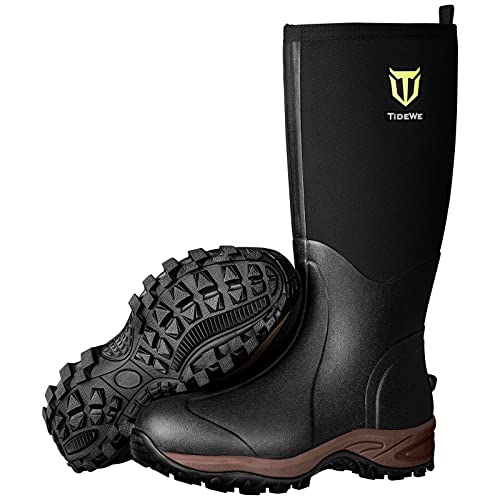
You spend most of the day on wet concrete, hosing down tanks and floors, and standing in runoff during crush. Your priority is a waterproof boot with a grippy outsole, sealed seams and an upper that rinses clean. Height matters too, because a taller shaft keeps hose spray out.
Vineyard Row Workers
Your ground is soil, gravel and sloped rows rather than concrete, and your day involves far more walking in heat. You need ankle support on uneven ground, a breathable upper, and enough lug depth for loose dirt. Full waterproofing matters less outside the rainy season, so a lighter, fast drying boot can be smarter.
Tasting Room Staff Who Split Time Outdoors
You move between polished indoor floors, barrel rooms and outdoor tours, so your boots need to look tidy while still gripping wet stone and grass. A mid height leather boot with a flatter, slip resistant outsole usually suits you best, and it should wipe clean quickly so you never carry cellar mud indoors.
Key Features to Compare
Waterproofing for Washdowns, Wine and Wet Floors
Winery floors are wet for much of the day, and the liquid is rarely plain water. Wine, must and cleaning solutions soak into unprotected leather and stitching. A waterproof membrane such as Gore Tex blocks that soak while letting some vapor escape, and sealed seams stop leaks at the stitch lines. For mostly dry outdoor roles, water resistant treated leather may be enough and will feel cooler.
Outsole Grip on Slick Concrete and Cellar Slopes
The outsole decides how secure you feel on wet concrete, metal drain covers and sloped cellar ramps. Look for soft rubber with many small edges and channels that push water aside, since wide, hard lugs made for mud can skate on smooth floors. A slight heel breast helps on ladders around tanks, and a medium lug depth suits rows as well. Avoid smooth dress style soles, because sugary spills make polished floors treacherous.
Fit, Sizing and Toe Box Room for Long Shifts
Feet swell during long shifts on hard floors, so try boots late in the day when your feet are at their largest. You want a toe box that lets your toes spread when you lift cases and climb tank ladders, with about a thumb width of space before your longest toe. The heel should sit snug with little lift. If you fall between sizes, go up half a size with thicker socks, because tight toes suffer most on downhill row walks.
Arch Support and Cushioning for Standing on Concrete
Concrete floors punish feet during fermentation checks and barrel work that keep you standing in one spot. A firm midsole with real arch support spreads your weight and reduces the ache that builds by mid afternoon. Flat feet usually need more structured support, while high arches often need extra cushioning under the heel. Most winery boots are neutral in design, so the insole does much of this work. If arches still ache after a week, see our guide to the best inserts for work boots.
Breathability and Upper Materials for Warm Work
Vineyard work and summer crush shifts can leave a fully sealed boot feeling like a sauna, and trapped sweat softens skin and invites blisters. Full grain leather breathes modestly and resists scuffs from crates, while fabric mixes vent heat better but absorb spills faster. A moderate heel to toe drop of about 8 to 12 mm suits most walkers, because very flat soles tire calves on long row walks.
Durability Against Acids, Cleaners and Daily Wear
Wine acids, caustic cleaners and sanitizers attack cheap materials, so build quality decides whether a boot lasts one season or several. Look for thick leather, double stitched stress points and a sole bonded as well as stitched. Stability matters on ladders and uneven rows, and a firm heel counter keeps your ankle from rolling. Expect roughly one to three years of service.
Which Boot Style Fits Your Winery Job
The best boots for winery work fall into three broad styles, and the right one depends on where your wettest, longest hours happen. Place yourself below before you compare prices, which generally run from about $80 to $250.
Tall Waterproof Boots for Washdown Heavy Roles
A tall waterproof boot suits cellar hands who hose tanks and floors every day. The higher shaft blocks spray, the sealed build keeps runoff out during pump overs, and the trade off is extra warmth and weight. If your boots rarely enter the vineyard, this style gives you the fewest soggy sock days.
Mid Height Work Boots for Mixed Duties
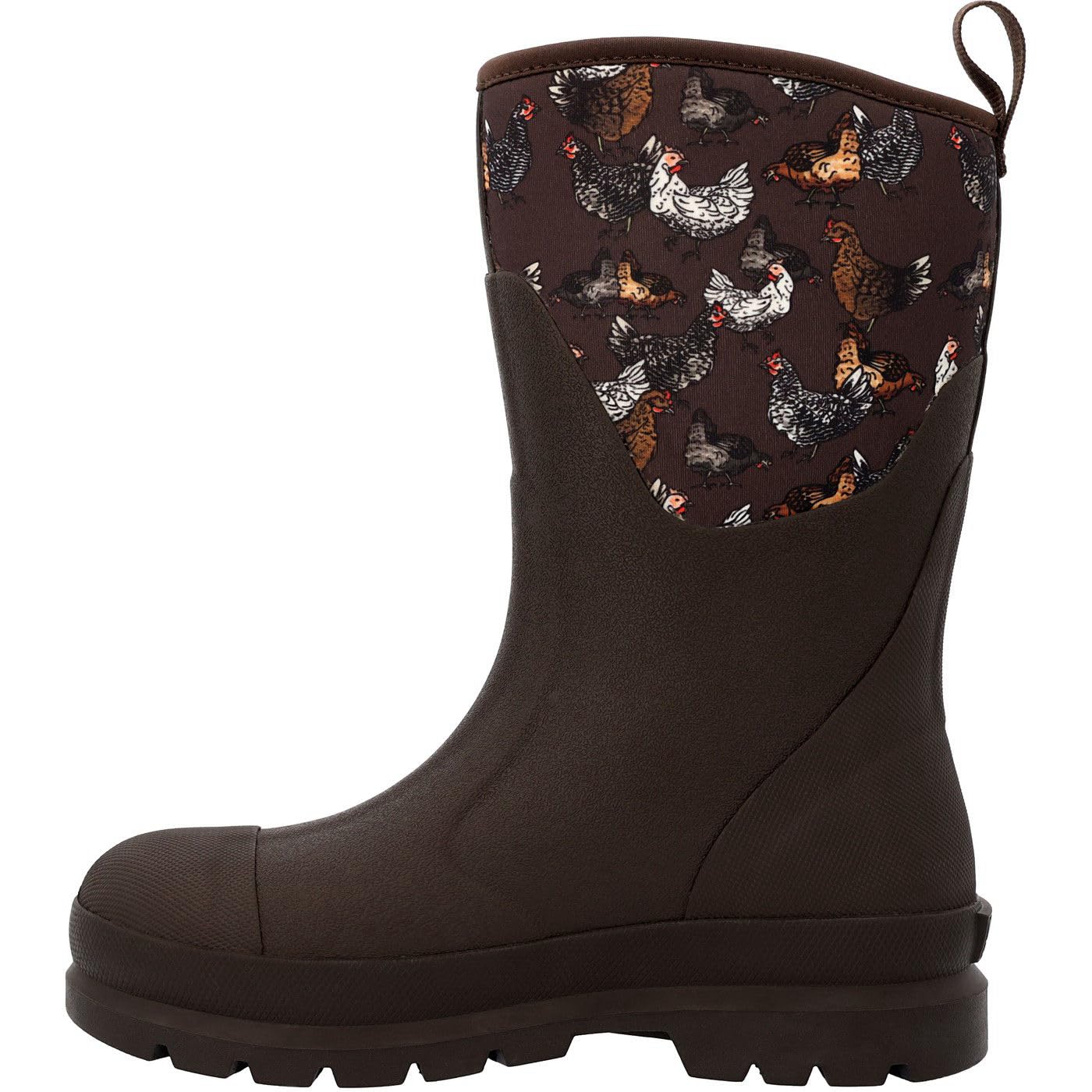
The mid height boot is the all rounder for staff who split time between cellar, yard and rows. It supports the ankle on gravel and slopes, and stays cooler than a tall boot. Workers comparing broader options can see our guide to the best work boots for styles that also suit winery yards.
Supportive Low Work Shoes for Mostly Indoor Roles
Some tasting room staff never face washdowns, and for them a supportive low work shoe with a grippy sole can be enough. It looks neater with tidy uniforms and feels lighter during long service days. The limit is splash protection, so keep a waterproof pair at work for wet day barrel room tours.
Pre Purchase Checklist for Cellar and Vineyard Crews
Run through these questions before you order, aiming for yes on every point that matches your role.
- Does the boot stay waterproof after a full hose down?
- Does the outsole grip wet concrete without slipping?
- Can you spread your toes inside the toe box?
- Does your heel stay in place walking downhill?
- Does the arch support match your foot shape?
- Can you rinse wine and must off the upper quickly?
- Does the boot feel breathable on your warmest shift?
Common Mistakes to Avoid
- Buying fashion leather boots for cellar work, so the first caustic wash strips the finish and the seams leak within weeks.
- Choosing deep mud lugs for smooth cellar floors, so the outsole skates on wet concrete and cleanup turns into a fall risk.
- Sizing boots in the morning with thin socks, so swollen afternoon feet end the shift with numb toes and blisters.
- Wearing one pair daily without drying time, so the lining stays damp and the waterproof membrane breaks down early.
Care and Maintenance for Winery Boots
Rinse your boots with clean water after any shift that involved wine, must or cleaning chemicals, because dried acids and sugars keep working on leather overnight. Loosen the laces and air dry them away from direct heat, since heaters crack leather and warp glued soles. Newspaper stuffed in the toe pulls out moisture faster on wet days.
Condition leather uppers every few weeks during crush season to replace oils lost to repeated wetting, and check outsole lugs monthly for smooth spots that signal lost grip. Rotating two pairs extends boot life, and many men doing heavy cellar work start from the fit advice in our guide to the best men's work boots when choosing a second pair.
Winery Work Boots: Your Questions Answered
What features matter most in boots for winery work?
Grip on wet floors, waterproofing and all day support matter most, in that order for cellar staff. One point buyers often miss is the hose layout of their own winery, because a boot that suits a dry gravity fed cellar may struggle in a facility that pressure washes daily. Match features to your wettest regular task.
Are expensive boots for winery work worth the price?
Higher priced boots are worth it when the extra money buys sealed seams, better leather and a resoleable build rather than styling. Judge cost per season, since a boot at around $200 that lasts three harvests beats one at around $90 replaced every year. Budget buyers should protect grip and waterproofing first and accept a plainer upper.
How should boots for winery work fit?
Boots for winery work should feel snug at the heel, roomy at the toes and secure across the midfoot without pinching. Try them with the socks you wear on shift and walk down an incline if the store allows it, because toe bang on slopes shows up fast in vineyard rows. Also check lace tension over the instep, since over tightening there causes top of foot pain.
Do I need waterproof boots for winery work?
Yes, if your role includes washdowns, pump overs or rainy vineyard work, waterproof boots keep feet dry and protect the upper from chemicals. Staff who work only in dry tasting areas can skip full waterproofing and gain breathability instead. Membranes wear from the inside as grit builds up, so shake out soil and sock lint weekly.
How often should I replace boots used for winery work?
Replace winery boots when grip fades, the lining leaks or the midsole feels packed down, which often happens after one to three years of heavy use. A useful early warning is new knee or back tiredness on familiar shifts, because a flattened midsole changes how you stand. Retire the old pair to dry outdoor chores once those signs appear.
The Bottom Line
Start with your wettest task, then judge every candidate on grip, waterproofing and fit before price. The best boots for winery work for a cellar hand will differ from the right pair for row work, and that is exactly why the checklist approach works. Compare your finalists in the product table above and pick the pair answering yes to the most checklist questions.