Best Boots for Cold Rainy Weather in 2026: Buying Guide
Disclosure: We may earn a commission when you buy through links on this page, at no extra cost to you. As an Amazon Associate I earn from qualifying purchases. Learn more

Find boots for cold rainy weather that stay dry and warm, with guidance on waterproofing, insulation, traction, fit with thick socks and care.
Cold rain is harder on feet than cold alone or rain alone, because wet fabric pulls heat away and slick ground punishes a poor outsole. The best boots for cold rainy weather keep water out at the seams, hold warmth when the outside is damp, and grip wet pavement. Use this guide and the comparison table below to judge each pair on those points first.
Start with how you spend wet winter days. A short walk to a train, a full shift outdoors, and a weekend on muddy trails each ask for a different shaft height, insulation level, and sole pattern. The sections below match those uses to the features that matter.
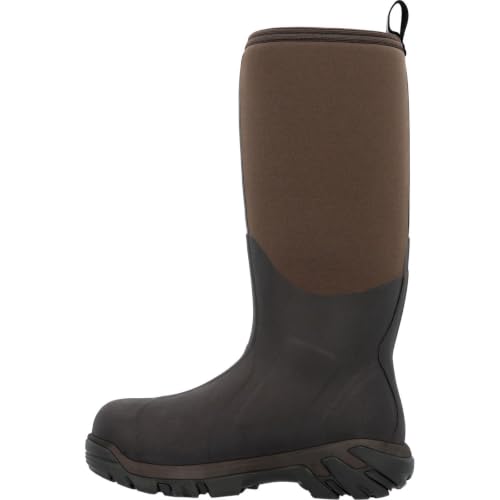

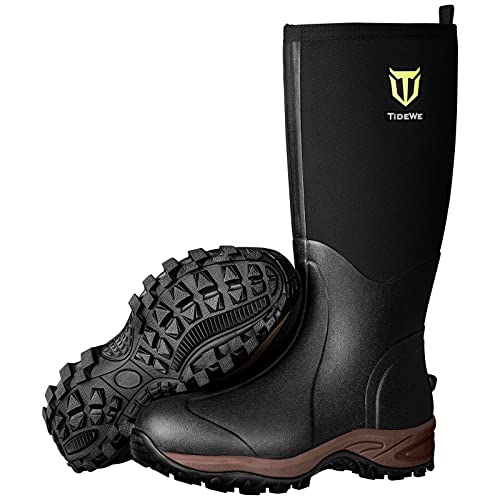
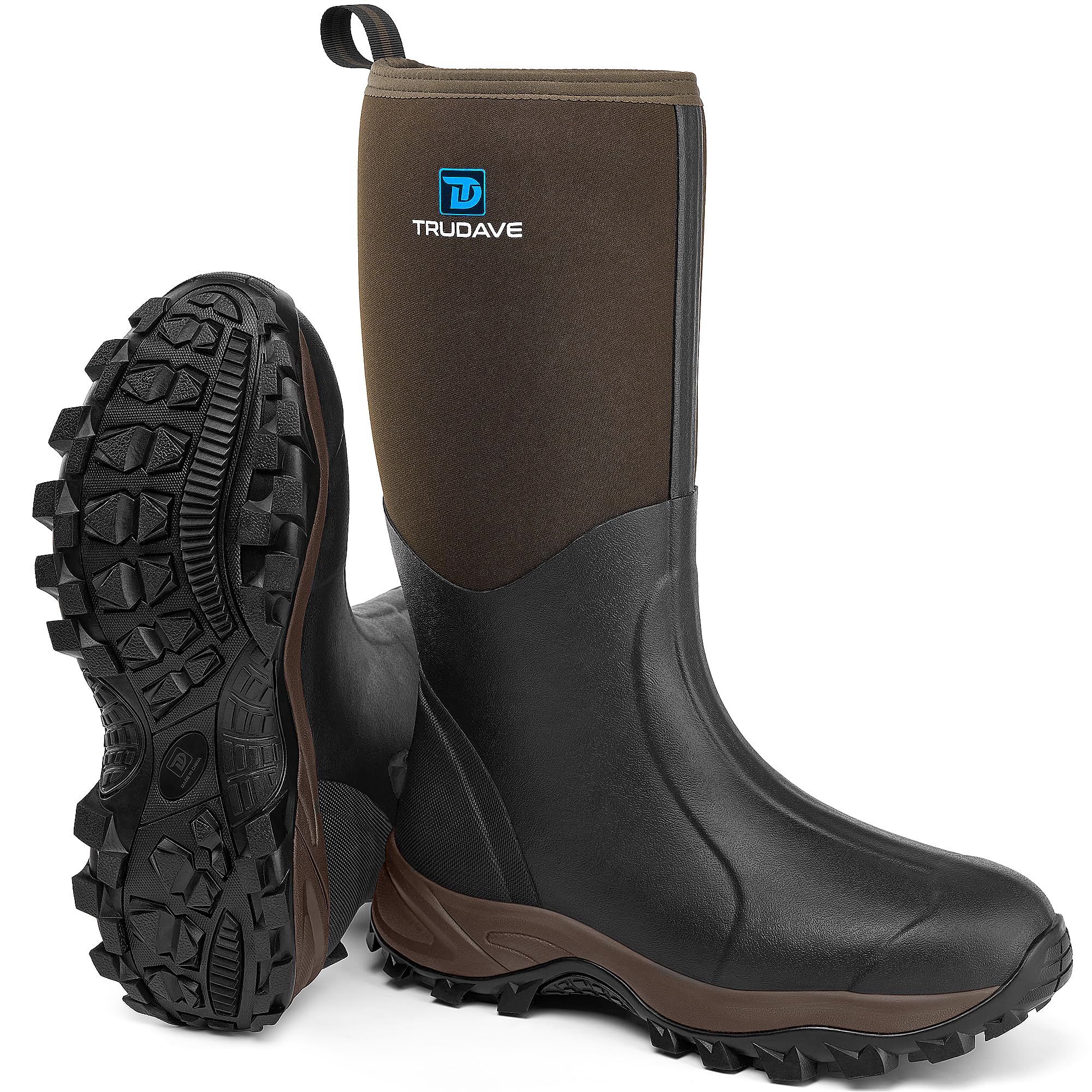
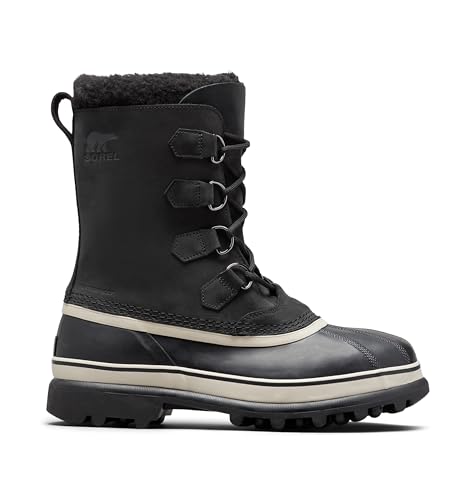
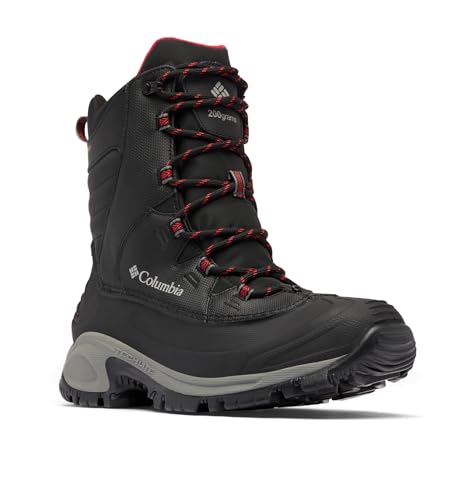
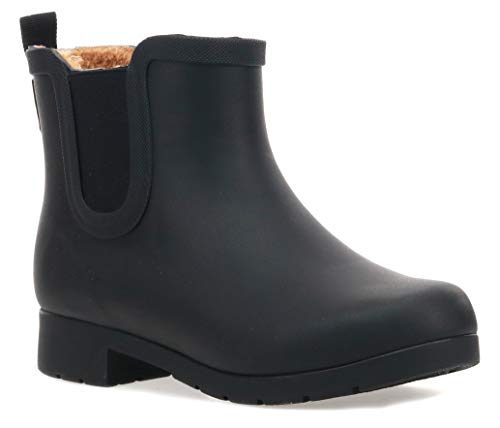


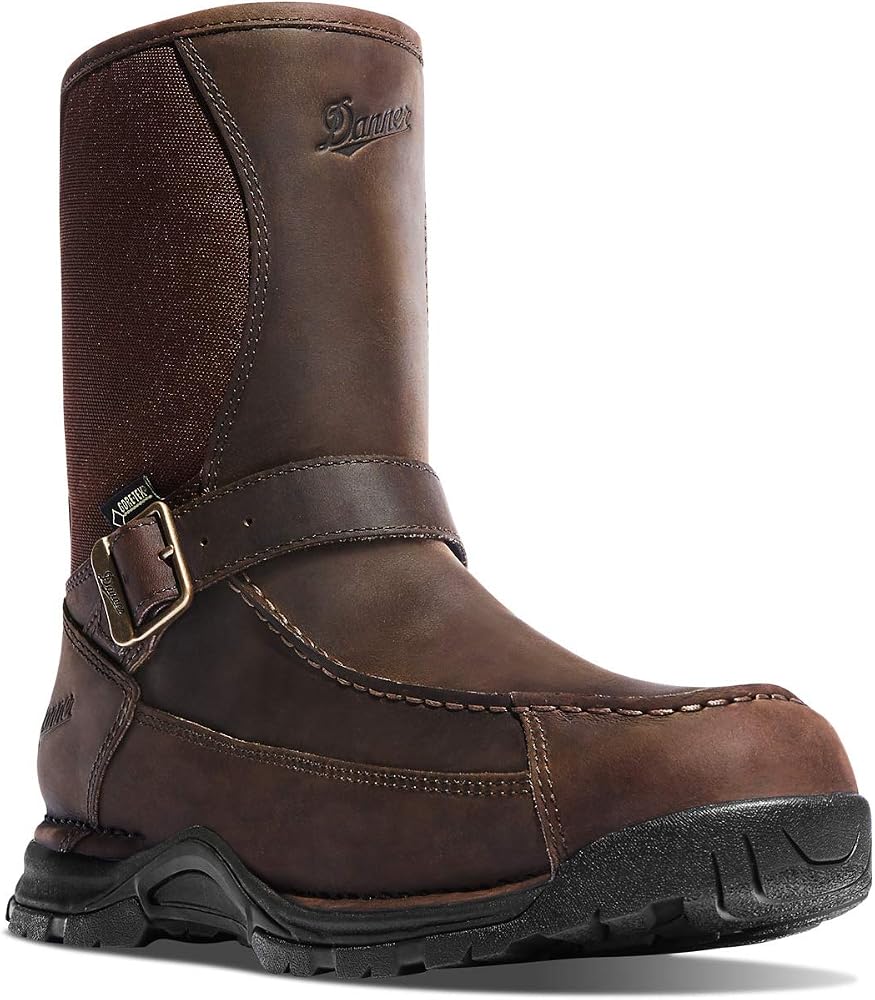
Who Should Buy Boots for Cold Rainy Weather?
Choose by your longest wet outing, not your shortest one. A boot that feels fine for ten minutes can leave you cold after two hours in steady rain.
Daily Commuters Who Walk on Wet Pavement
You need a mid height boot that sheds rain, looks neat at work, and grips painted lines and wet sidewalks. Pick a waterproof membrane, a sealed tongue, and a sole with many small edges rather than deep mud lugs. If your walk is only a few blocks, see our guide to the best shoes for rainy weather for lower options for milder days.
Outdoor Workers Who Stand in Cold Rain
You stay out for hours, often standing still, so warmth drops fast once damp reaches your socks. Choose taller shafts, stronger insulation, and a roomy toe box that lets blood flow freely. Cushioning and firm arch support matter on concrete. For safety features and long shifts, see our guide to the best cold weather work boots.
Walkers and Travelers Who Face Slush and Puddles
You cover uneven ground, step through pooled water at curbs, and may carry a pack that shifts your balance. Choose deeper lugs, a stable heel, and a shaft high enough to block splashes. Favor durability and a liner you can remove and dry overnight.
Key Features to Compare
Judge each feature by one test: will it still work after an hour of cold rain?
Waterproofing, Sealed Seams and Shaft Height
A waterproof membrane blocks rain while sealed seams close the stitch holes where water enters first. Look for a gusseted tongue joined to the upper on both sides, because an open tongue lets puddle water pour in at the laces. Ankle height suits city rain, while a shaft of about 8 to 12 inches suits slush, deep puddles, and mud.
Insulation That Still Works When Damp
Synthetic insulation keeps much of its warmth when damp, unlike fill that clumps when wet. Makers rate it by weight, often about 200 grams for active use in mild cold and about 400 grams or more for standing still in deeper cold. More is not always better, because heat indoors leads to sweat, and damp socks then chill your feet outside.
Outsole Traction on Wet and Cold Ground
The outsole needs rubber that stays flexible in cold, since hard rubber skates on wet stone and tile. Lugs of about 4 to 6 mm with open channels push water and slush aside so the rubber can bite, while siping, the thin cuts across each lug, adds edges on smooth wet pavement. A wide, stable heel helps when you step off a curb with a bag.
Sizing for Thick Socks on Cold Wet Days
Measure both feet late in the day, when they are largest, and try boots on with the thick socks you will wear in winter. Your toes should wiggle and never press the front when you walk downhill. The toe box needs height as well as width, because socks and insulation take vertical room too. The heel should stay put with only slight lift.
Upper Materials, Cushioning and Support
Full grain leather sheds rain well and molds to your foot, but it needs conditioning and dries slowly once soaked. Synthetic uppers weigh less and dry faster, though brush can scuff them sooner. Inside, cushioning softens each step, arch support steadies long walks, and a moderate heel to toe drop can ease strain for some walkers. Breathable linings help sweat escape, yet dry socks remain your best tool.
Weight, Flexibility and Durability
A heavy boot protects and insulates, but it tires your legs on long walks. A lighter boot flexes sooner and suits daily miles, though thin soles may transmit cold from frozen ground. Check stitching at flex points and the bond between upper and sole. A stitched welt or strongly bonded sole usually outlasts thin glued edges.
Types of Boots for Cold and Rainy Days Compared
Tall insulated boots give the most splash and warmth cover, and they suit fields, yards, and deep slush best. For wet woods, see our guide to the best cold weather hunting boots. If cold matters more than standing water, see our guide to the best cold weather boots.
Mid height hiking style boots balance grip, support, and comfort. They handle trails, travel, and city walks, and they dry faster than tall boots. Their lower shaft is their limit, so choose a taller style if puddles often reach above your ankle.
Insulated rubber boots block water completely and rinse clean after mud, which suits garden work, farms, and flooded streets. Their fit is looser, so add a supportive insole for longer walks. City style leather boots look smarter for offices, but they carry less insulation and shallower lugs, so save them for paved routes.
Questions to Answer Before a Rainy Season Purchase
When you shop for best boots for cold rainy weather, answer these questions before you pay. A no on the first three should rule a pair out.
- Does the boot have a waterproof membrane and sealed seams, not only a coating?
- Is the tongue joined to the upper so puddle water cannot enter at the laces?
- Does the shaft rise high enough for the deepest water you meet?
- Does the insulation level match how active or still you will be?
- Do your toes still move freely in heavy rainy day socks?
- Do the lugs and rubber feel grippy on wet tile as well as on mud?
- Can you remove the insole or liner so the inside can dry overnight?
- Does the price, often about $80 to $200, fit the hours you will use the boots?
Common Mistakes to Avoid
- Buying rain boots with no insulation leaves your feet dry but cold within an hour.
- Choosing a snug fit in thin socks makes the boot painful once thick socks go on.
- Trusting a water repellent coating alone lets rain soak through seams in steady weather.
- Picking smooth fashion soles for icy curbs invites a fall on the first slick morning.
- Drying wet boots beside a heater cracks leather and weakens glue in the sole.
- Ignoring vague specs, missing insulation weights, and short warranties hides weak construction until the first storm.
Care and Maintenance for Boots Used in Cold Rain
After each wet outing, loosen the laces, pull out the insoles, and let the boots air dry at room temperature away from direct heat. Plain paper stuffed loosely inside pulls moisture from the toe area if you swap it once damp. Never store boots that still feel damp inside, because trapped moisture breeds odor.
Brush off mud once it dries, rinse salt marks with clean water, and condition leather uppers once dry. Renew the water repellent finish when water stops beading. Check lugs for packed grit, inspect seams before the wet season, and rotate two pairs if you go out daily, since a day of rest lets insulation recover.
FAQ
What features matter most in boots for cold rainy weather?
Waterproofing, insulation, and traction matter most, in that order for most buyers. One extra check is drying speed: feel how much padding surrounds the ankle, since thick padding there dries slowest. If you often dry boots in small rooms, a removable liner can matter more than a small gain in insulation.
How often should I replace boots for cold rainy weather?
Replace boots for cold rainy weather when the membrane leaks, the lugs wear smooth, or the midsole feels flat. For many owners that point arrives after about three to five wet seasons. A home check helps: stand in shallow water for a few minutes and inspect your socks for damp patches at the toes or seams.
Can I wear boots for cold rainy weather all day?
Yes, you can wear boots for cold rainy weather all day if the fit leaves toe room and the weight suits your pace. Plan one sock change on long days, because fresh dry socks restore warmth fast. If your feet overheat indoors, loosen the laces during breaks so moisture can escape before you head back out.
Do I need waterproof boots for cold rainy weather if I own rain shoes?
You need waterproof boots when cold joins the rain, even if you already own rain shoes. Low rain shoes leave ankles open to splashes and carry little insulation, so they suit mild showers only. Boots earn their place once temperatures drop or your route includes slush and standing water above shoe height.
How long is the break in period for boots for cold rainy weather?
The break in period for boots for cold rainy weather usually lasts about one to two weeks of short walks. Start with indoor wear, then add brief outings before any long day. Stiff leather softens slowest at the ankle crease, and a small blister there is a sign to shorten the next walk.
How should boots for cold rainy weather fit with thick socks?
Boots for cold rainy weather should fit with about a thumb width of space ahead of your longest toe while you wear thick socks. Check the fit standing, because your foot spreads under your weight. If the top of your foot aches, try a style with a higher instep before you size up and lose heel hold.
Our Verdict
Put waterproofing first, then match insulation to how still or active you are, and never trade away traction. Use the product table above to compare shaft height, insulation weight, and lug pattern before you decide.
Chosen with those points clear, best boots for cold rainy weather will keep you dry, warm, and steady through the season. Buy the pair that fits your longest wet day.