Best Boots for Cold Feet: The Buyer Checklist We Use in 2026
Disclosure: We may earn a commission when you buy through links on this page, at no extra cost to you. As an Amazon Associate I earn from qualifying purchases. Learn more

Compare the best boots for cold feet by insulation, fit and traction, with a buyer checklist for warmth, socks and care on cold work and winter walks.
Cold feet in boots usually come from a mismatch, not just from low air temperature. A boot can look heavily insulated and still feel cold if it squeezes your toes, lets snow melt through the upper, or leaves a thin sole over frozen ground. Choosing the best boots for cold feet means matching insulation to your activity.
This guide turns that job into a simple checklist covering insulation, fit with thick socks, waterproofing, ground insulation and traction, plus the types in the comparison table below.




Who Should Buy Boots for Cold Feet?
Your daily pattern decides how much warmth you need. A boot that feels perfect on a moving walk can feel too cold while you stand still.
Outdoor Workers Standing on Cold Ground
You need the strongest barrier from the ground and steady warmth at low activity levels. Standing on concrete or frozen soil pulls heat from the sole, so look for a thick insulated midsole and higher insulation weight than a casual walker would choose. A tall shaft keeps wind and loose snow out. Choose a fit that stays comfortable with work socks all shift without pressing on your toes.
Winter Walkers and Commuters in Snow and Slush
You need balanced warmth, waterproofing and grip for sidewalks and slushy crossings. Moderate insulation is usually enough because walking creates heat, while a sealed waterproof upper matters every day. Traction matters just as much, since a fall on ice ends a commute faster than cold toes do. For mostly cleared pavement, a lighter boot often feels better than a bulky model.
People Sitting Still at Games, Hunts and Ice Fishing
You need maximum insulation because sitting still produces very little body heat. Look for the highest insulation weights and enough toe room for a heavy sock without tightness. A thick sole matters when your feet rest on a cold bench or ice shelter floor. Pack spare dry socks, since changing out of damp socks restores warmth quickly.
Key Features to Compare
Use these factors in order, starting with insulation and fit. That is why the best boots for cold feet for a still hunter and a brisk commuter rarely match.
Insulation Weight and Temperature Rating
Insulation is often listed in grams, with about 200 grams suiting active use in mild winter cold, about 400 grams suiting most daily wear, and about 800 grams or more suiting still work in severe cold. Temperature ratings are only a rough guide because brands test differently and activity changes the result. If you will mostly stand still, choose one level warmer than the rating suggests.
Waterproofing and Shaft Height
A waterproof membrane such as Gore Tex, paired with sealed seams, keeps melt water from soaking the insulation, and wet insulation loses warmth fast. Shaft height decides how much snow the boot sheds, with ankle height fine for cleared paths and mid calf or higher shafts better for drifts. A snug collar also stops loose snow from dropping inside.
Room for Thick Socks and Circulation
Warmth needs blood flow, and a tight boot restricts it. Try boots late in the day with your planned socks, and look for a toe box where you can wiggle your toes while your heel stays held. If your toes press the front, size up or choose a wider fitting. If your feet stay numb, change color, feel painful in the cold or develop sores that heal slowly, stop relying on footwear alone and talk with your clinician about your personal needs.
Insulated Insole and Midsole
The sole is your insulation from below, and many cold complaints start there rather than in the upper. A felt or foam insulated insole and a thick cushioning midsole slow heat loss into frozen pavement. Arch support inside that sole matters on long days, since a tired arch changes how you stand. A modest heel to toe drop suits most walkers.
Outsole Traction on Ice and Snow
The outsole needs deep lugs and rubber that stays flexible in cold weather, because stiff rubber skates on smooth ice. Wide lug spacing clears snow and slush instead of packing it flat underfoot. No boot sole grips polished ice on its own, so slow down on glare ice and add traction aids if your route demands them. For cleared concrete, a shallower lug pattern feels steadier.
Breathability and Moisture Control
Feet sweat even in winter, and trapped moisture cools you once you stop moving. A breathable lining and a sock that pulls moisture away from skin help insulation stay dry inside. Very warm boots worn for active errands often cause this problem, so match warmth to effort. If damp socks are your main problem at home, see our guide to the best slippers for cold sweaty feet for indoor moisture control options.
Warm Boot Types Compared
Boot types solve the cold problem in different ways, so compare the build that fits your routine.
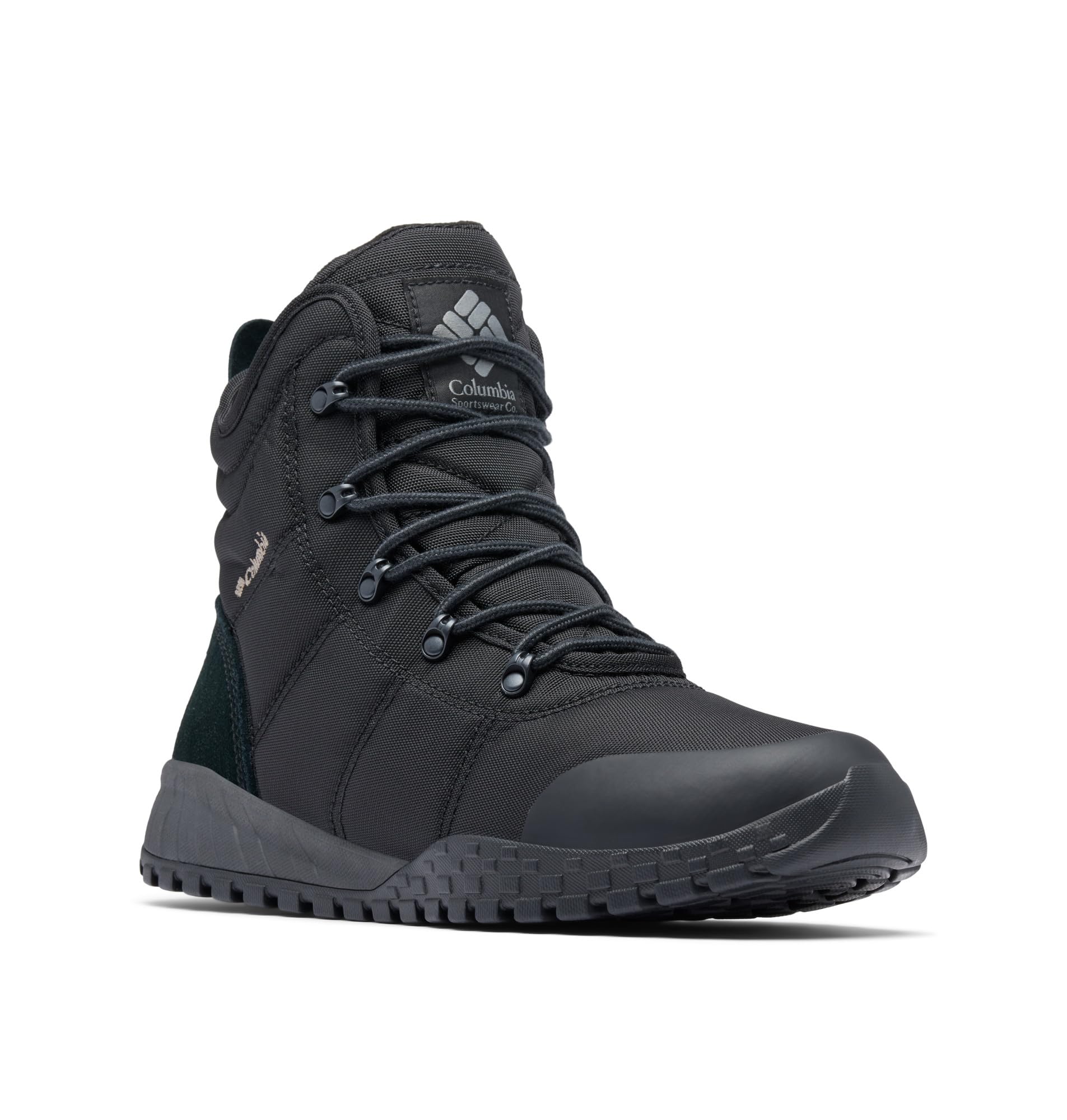
Insulated Winter Boots for Everyday Snow
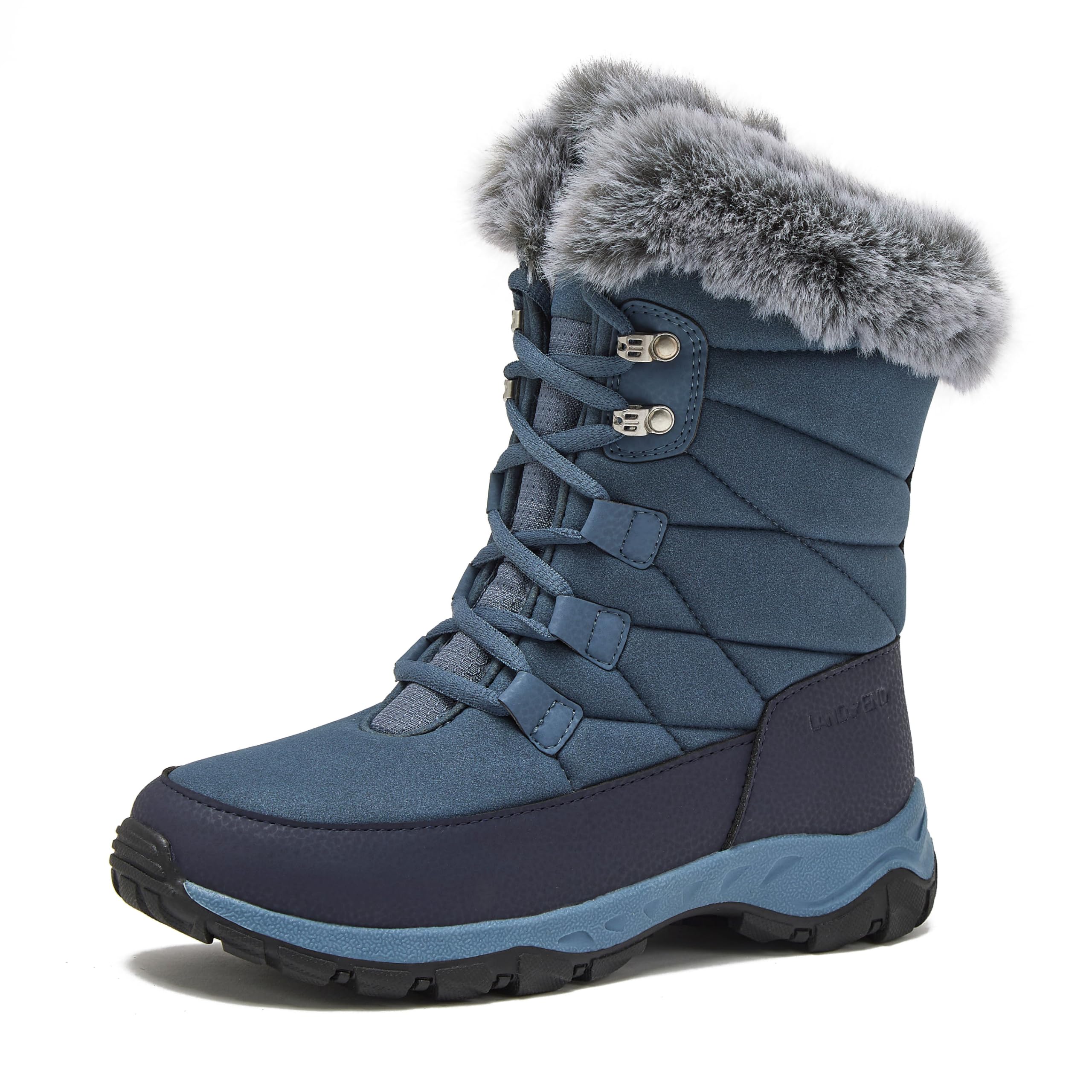
These are the default choice for school runs, dog walks and commuting, with fixed insulation, a waterproof upper and a sole for mixed winter surfaces. They balance warmth and walking comfort well. If you want a deeper shortlist focused only on snow season use, see our guide to the best winter boots for cold feet. Most everyday pairs cost about $90 to $200.
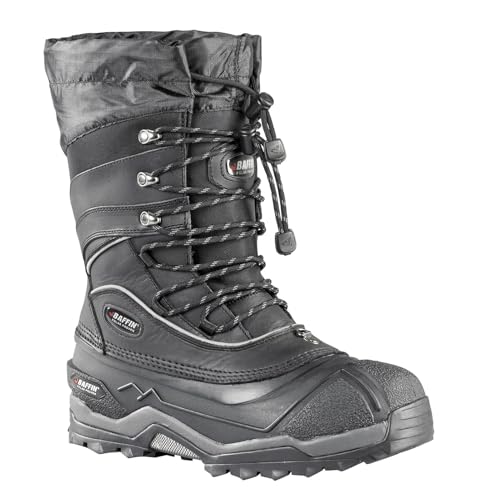
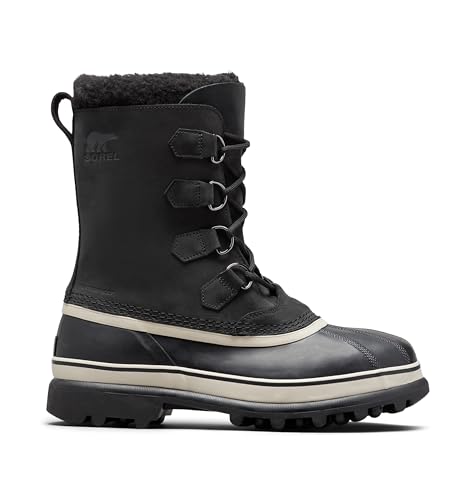
Pac Boots With Removable Liners
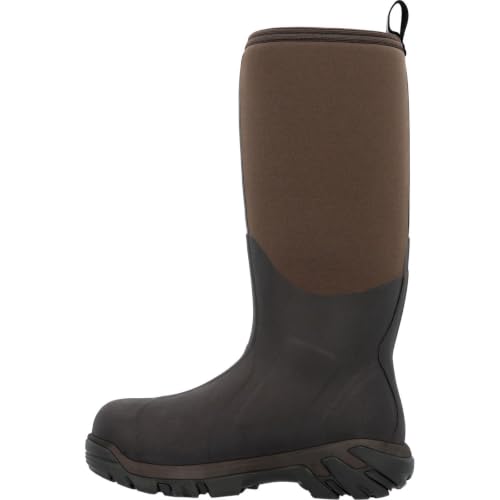
Pac boots pair a rubber lower section with a tall upper and a thick removable liner, which suits deep snow and long still periods outdoors. The liner pulls out at night, so it dries fully by morning. The tradeoff is weight and a looser walking feel, which can tire your legs on long paved walks. Choose this type when liner drying matters most.
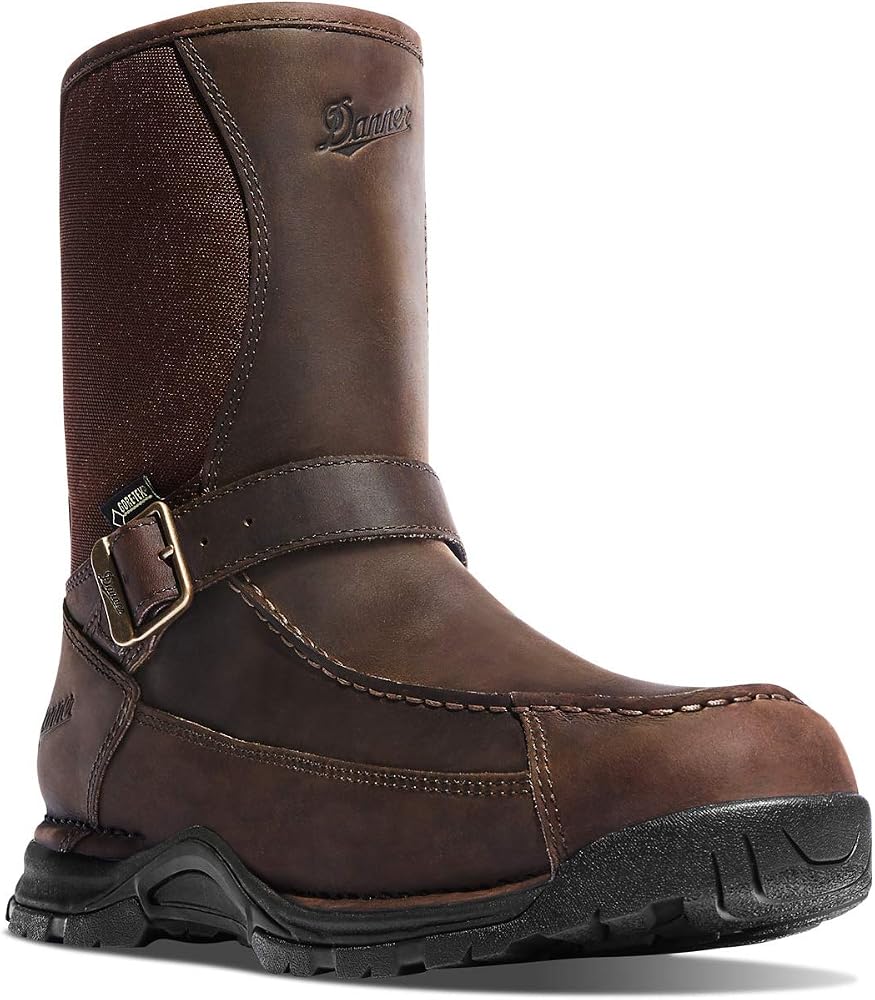
Insulated Work and Hunting Boots
Insulated work boots add protective features and durable soles for job sites, while hunting boots favor support for uneven ground. Skiing is a separate fit problem, with a stiff shell and close fit for control, so see our guide to the best ski boots for cold feet before you choose a liner. For work and hunting, match insulation to your still periods.
Quick Buyer Checklist for Boots for Cold Feet
Run through these questions with your socks and route in mind. A no on the first three usually means the boot will feel cold.
- Can you wiggle your toes freely in your thickest winter socks?
- Does the insulation weight match your activity level?
- Is the upper waterproof with sealed seams for snow or slush?
- Does the shaft reach above your deepest usual snow?
- Does the insole feel insulated for cold floors?
- Do the lugs look deep enough for your winter surfaces?
- Can you exchange the boots if the fit feels tight?
Common Mistakes to Avoid
- Buying boots that fit snugly with thin socks, because tight toes restrict blood flow and feel colder outdoors.
- Choosing the highest insulation weight for brisk walking, because sweat builds up and chills your feet later.
- Judging warmth only by the upper, because heat escapes quickly into frozen ground through a thin midsole.
- Wearing cotton socks in insulated boots, because cotton holds sweat against skin and stays cold once damp.
- Trusting a temperature rating as a promise, because activity and circulation change boot warmth.
- Letting snow enter over a short shaft, because melted snow soaks socks and insulation.
Care and Maintenance of Boots for Cold Feet
Dry boots after every wet outing by removing insoles or liners and letting air circulate at room temperature, away from direct heat that can crack leather. Once inside, see our guide to the best slippers for cold feet for warming your feet indoors. Brush off road salt promptly, since dried salt can damage leather finishes.
Refresh waterproofing on leather uppers when water stops beading and starts soaking in, following the maker directions. Rotate two pairs if you wear insulated boots daily, giving each a full day to dry. Replace worn insoles when they pack down flat, since a compressed insole gives far less insulation.
FAQ
What features matter most in boots for cold feet during still periods outdoors?
For still periods, insulation weight and ground insulation matter most in boots for cold feet. Sitting still produces little heat, so choose a warmer build than you would for walking and add a thick insulated insole. Carry fresh dry socks in a sealed bag, since swapping socks restores warmth without adding bulk.
How long is the break in period for insulated winter boots?
Most insulated winter boots feel comfortable within a few short outings, while stiff leather work styles can take about one to two weeks of regular wear. Wear new boots around the house first, checking heel slip and toe pressure with winter socks on. A boot that pinches on day one rarely stretches enough, so exchange it.
Can I wear insulated boots for cold feet all day at work?
Yes, you can wear insulated boots for cold feet all day at work if the insulation matches your indoor and outdoor mix. Workers moving between a heated building and a cold yard often do better with moderate insulation and a spare sock change at lunch. If your feet overheat indoors, unlace the top eyelets while you sit.
How should boots for cold feet fit with thick winter socks?
Boots for cold feet should fit with a thumb width of space in front of your longest toe while you wear thick winter socks. Your heel should lift only slightly, and your foot should sit in the boot without squeezing at the sides. Try boots in the afternoon and step down firmly to check your toes do not strike the front.
Do I need waterproof boots for cold feet in snow and slush?
Yes, you need waterproof boots for cold feet if you walk through snow, slush or wet winter streets. Dry insulation holds warmth, while soaked insulation pulls heat away from your skin for the rest of the outing. On dry days with light powder only, a water resistant upper can be enough.
The Bottom Line
Start with fit and insulation matched to your activity, then confirm waterproofing, ground insulation and traction. A boot that leaves toe room and keeps melt water out will feel warmer than a bulkier boot chosen by rating alone. When you choose your best boots for cold feet, compare your shortlist against the product table above.