
Best Boots for Being on Your Feet All Day in 2026: Which Type Is Right for You?
Disclosure: We may earn a commission when you buy through links on this page, at no extra cost to you. As an Amazon Associate I earn from qualifying purchases. Learn more

Hour after hour upright is hard on arches and heels. Compare the best boots for being on your feet all day by cushioning, support and fit.
A boot that feels fine for a quick errand can turn punishing by hour six of a shift. Standing loads your heels, arches, and lower legs in a way that walking does not, because your weight stays planted instead of rolling forward. Choosing the best boots for being on your feet all day means matching the boot type to your floor surface, your shift length, and the way your feet tire.
With so many types on the market, the labels alone can be confusing. This guide compares the main boot types side by side, explains the features that matter most for long hours upright, and shows you how to judge fit before you buy. Start with the comparison table below, then read the sections that match your job and your feet.

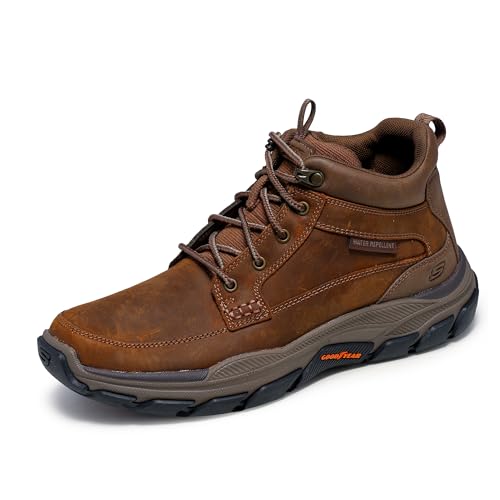
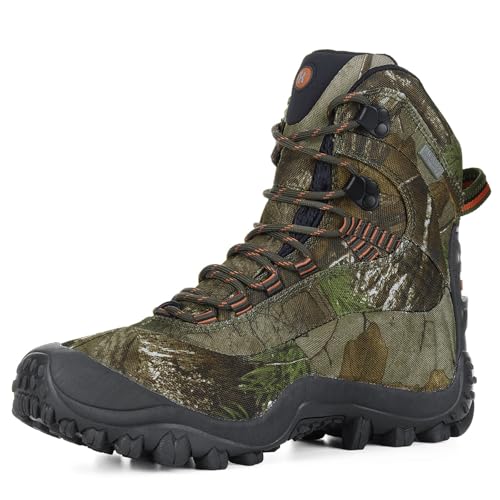

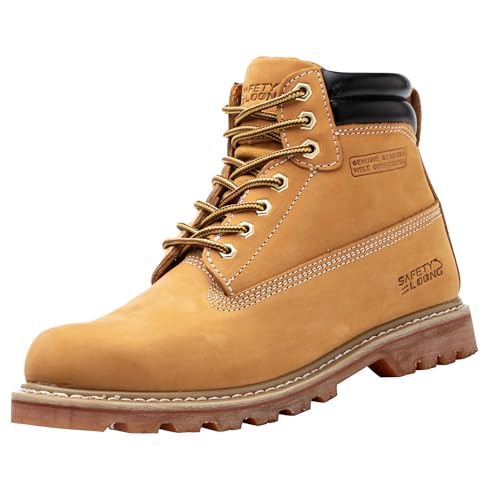
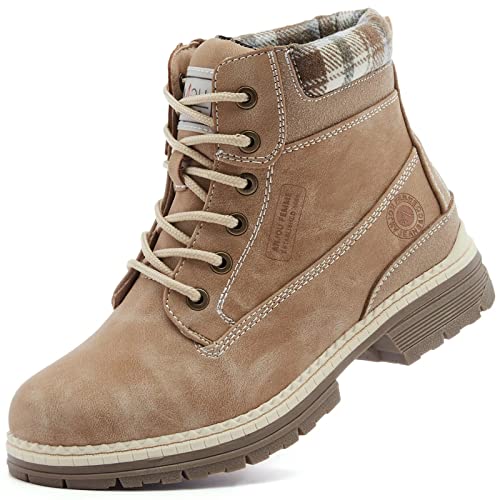
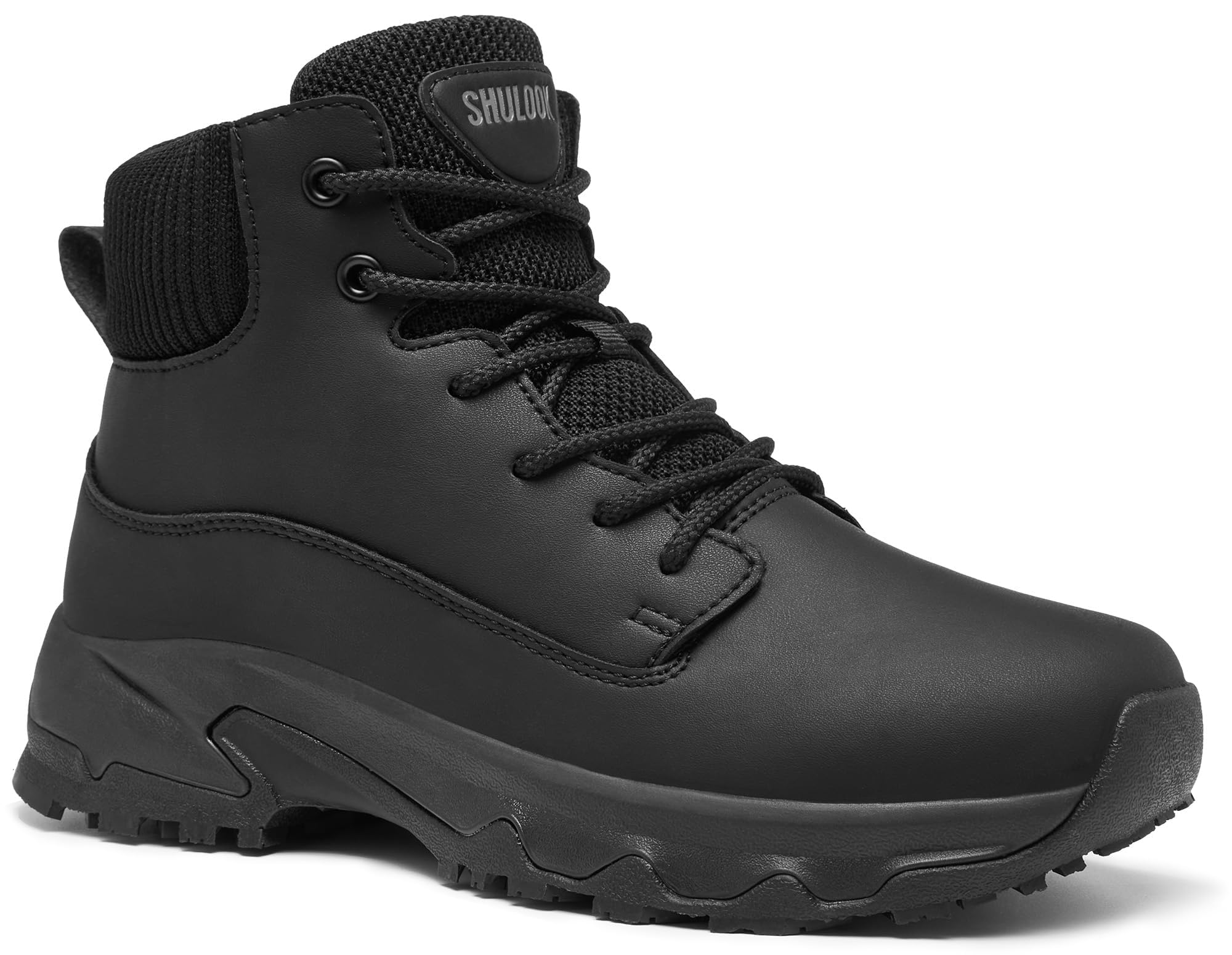


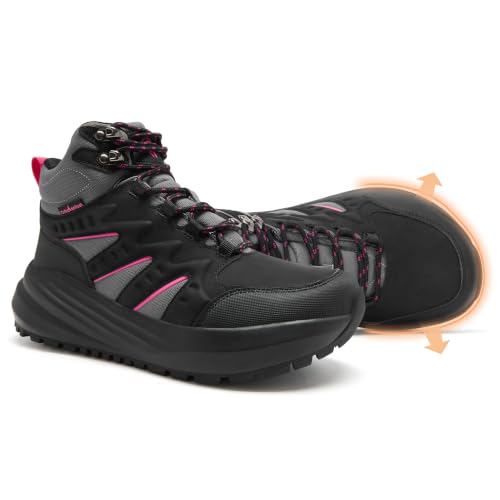
Types of Boots Compared
Every type below solves a different problem, from tired arches to wet floors. Across all of them, the best boots for being on your feet all day share three traits: cushioning that still feels supportive late in the shift, a fit that leaves room for swelling, and an outsole that grips your work surface. For a wider view of footwear built for long hours upright, see our guide to the best boots for being on your feet.
Stability and Support Boots
Support boots pair a firm heel counter with a structured midsole that limits how far your foot rolls inward as you stand and walk. Many add a shaped footbed with real arch support, so weight spreads across the whole foot instead of concentrating in the heel and ball. The trade off is weight and stiffness, and the break in period can feel firm at first.
Choose this type if your arches ache by midday, if your shoes wear down unevenly on the inner edge, or if you work on concrete for most of your shift. Nurses, warehouse staff, and retail workers who stand in one spot often do better with this structure than with a soft, flexible boot.
Neutral Cushioned Boots
Neutral boots focus on cushioning without correction. A thick foam midsole absorbs impact at the heel and forefoot, while the upper and outsole stay flexible. Because there is no rigid support post, your stride and standing posture stay closer to your natural pattern.
This type suits people with average arches whose feet simply feel beaten up by hard floors, and it is often the most comfortable option straight out of the box. Athletic brands use similar foam stacks in shoes, so if your job allows sneakers instead, see our guide to the best Nike shoes for being on your feet all day.
Waterproof Boots
Waterproof boots use a membrane such as Gore Tex, plus sealed seams, to keep water out while letting some sweat vapor escape. They earn their place in food processing plants, care facilities with frequent washdowns, outdoor jobs, and any workplace where puddles and spills are routine. Dry feet also blister less, because damp skin rubs raw faster inside a boot.
The costs are warmth and price. A membrane boot runs hotter than an unlined one and usually costs more than a similar non waterproof model. Pick it when wet conditions are a daily reality, not just an occasional rainy commute.
How to Choose the Right Boot
Once you know your type, a few measurable details separate a boot that lasts a whole shift from one that fades by lunch. Focus on the four areas below before you worry about color or brand.
Features That Matter for Being on Your Feet All Day
Cushioning should feel resilient, not marshmallow soft, because foam that bottoms out leaves your joints absorbing the load. Heel to toe drop is the height difference between the heel and the forefoot: a moderate drop of about 8 to 12 mm eases strain on the Achilles, while a lower drop shifts more work to your calves. A rubber outsole with a tread pattern matched to your floor, whether wet tile, sealed concrete, or gravel, keeps each step planted.
Fit and foam cannot fix everything, though. Foot pain that keeps returning, numbness or tingling that does not fade after rest, or swelling that leaves deep sock marks day after day are signs to talk with a clinician or podiatrist about your personal needs rather than simply buying another pair of boots.
Break In Period and Comfort Out of the Box
Leather boots usually need a gradual break in, often a week or two of shorter wears, as the upper softens and the footbed takes the shape of your foot. Synthetic and foam based boots feel closer to their final comfort on day one, but their cushioning can also pack down sooner. Plan the break in around your schedule, not right before your longest shift of the month.
Learn to tell break in stiffness from a true fit problem. Mild tightness across the top of the foot often relaxes, while heel blisters, numb toes, or pain under the arch usually mean the size or shape is wrong and will not fix itself with more wear.
Fit, Sizing, and Toe Box
Measure both feet late in the day, when standing has swollen them to their largest, and fit the boot to the bigger foot. You want roughly a thumb width of space in front of your longest toe, a heel that stays put with minimal lift, and a toe box wide enough that your toes can spread instead of squeezing together. Feet swell as a shift goes on, so a fit that feels perfect first thing in the morning can pinch by evening.
If you are between sizes, try the larger size with the socks you actually wear at work, and walk on a hard floor for several minutes before deciding. Men comparing boots with other long shift footwear may also find our guide to the best men's shoes for being on your feet all day useful for sizing notes across categories.
Weight and Flexibility
Every extra ounce matters when you take thousands of steps a shift. Lighter boots reduce end of day leg fatigue, but the lightest models often give up ankle coverage, durable leather, or protective features. Look for a boot that bends at the ball of the foot, where your foot naturally flexes, instead of folding in the middle of the arch.
Protection is the one reason to accept extra weight. If your job requires a safety toe, an electrical hazard rating, or puncture protection, start with our guide to the best work boots for being on your feet all day, which focuses on rated footwear built for job sites.
How to Make Your Boots Last Longer
Rotate two pairs if you wear boots daily, giving each pair a full day to dry and let the cushioning rebound between shifts. Air dry wet boots at room temperature away from direct heat, since heaters and radiators can crack leather and weaken the glues that hold the sole on.
Brush dirt off the uppers and outsole after muddy or dusty shifts, because grit left in the tread wears the rubber down and cuts grip. Condition leather uppers when they start to look dry, replace insoles once they stay flat and compressed, and store boots upright in a dry spot rather than crushed under other shoes.
Frequently Asked Questions
What features matter most in boots for being on your feet all day?
Resilient cushioning, genuine arch support, and a grippy rubber outsole matter most, in that order. One detail many buyers miss is the insole: a removable footbed lets you swap in a more supportive insert later without replacing the whole boot. Check that the insole comes out cleanly before you buy if you plan to use your own orthotic inserts.
How should boots for standing all day fit your feet?
Boots for standing all day should feel snug at the heel and midfoot, with open space at the toes and no pressure on top of the foot. A useful test is to walk down an incline board or ramp in the store: your toes should not jam into the front as you descend. Lace the boots fully during the test, since loose laces can hide a heel fit problem.
How often should you replace boots worn on your feet all day?
Most people replace daily wear boots every 12 to 18 months, but wear matters more than the calendar. Replace them when the outsole tread is worn smooth in the heel or ball area, when the midsole leans to one side, or when aches return even with a fairly new insole. Keeping a simple note of your purchase month helps you judge the age of a pair honestly.
Can you wear the same boots on your feet all day, every day?
You can wear one pair daily, but the boots will last longer and feel fresher if you give them rest days. Foam needs roughly a day to recover its full cushioning after a long shift, and daily wear traps moisture that shortens the life of linings and leather. If a second pair is not in the budget, remove the insoles each night so the inside of the boot dries fully.
How long is the break in period for new leather boots?
Most leather boots break in over one to two weeks of regular wear, while synthetic boots often need only a day or two. Speed the process by wearing new boots at home in the evening before taking them to work, which lets you spot hot spots without committing to a full shift. Moleskin or blister tape on a known rub spot protects your skin during those first wears.
Are expensive boots for standing all day worth the money?
Higher prices usually buy better leather, a more durable outsole, and construction that can be resoled, which can lower your cost per year of wear. What extra money does not guarantee is the right shape for your foot, so a mid priced boot that fits well beats a costly one that pinches. Boots in this category commonly run about $100 to $250, with resolable models at the top of that range.
The Bottom Line
For long hours upright, pick your boot type first, then judge cushioning, arch support, and fit with swollen end of day feet in mind. The best boots for being on your feet all day are the ones you forget you are wearing by the final hour of your shift. Compare the options in the product table above, shortlist two types that fit your workplace, and let a careful in store try on make the final call.


