
Best Boots for Chainsaw Work 2026: Which One Fits the Way You Use It?
Disclosure: We may earn a commission when you buy through links on this page, at no extra cost to you. As an Amazon Associate I earn from qualifying purchases. Learn more

Discover the best boots for chainsaw work for your needs. We match features to real use cases so you avoid overpaying and get the right fit the first time.
There is no single pair that suits every cutting job. The best boots for chainsaw work for clearing wet brush after a storm differ from a pair for felling trees on dry slopes, and your ground, season, and hours on your feet should drive the choice. Use the comparison table below to match protection class, height, grip, and fit to the work you actually do.
Start with safety, then comfort. A boot first needs the right cut protection, a strong toe cap, and a sole that holds on bark and mud. Only after those points are covered does weight or price deserve your attention.

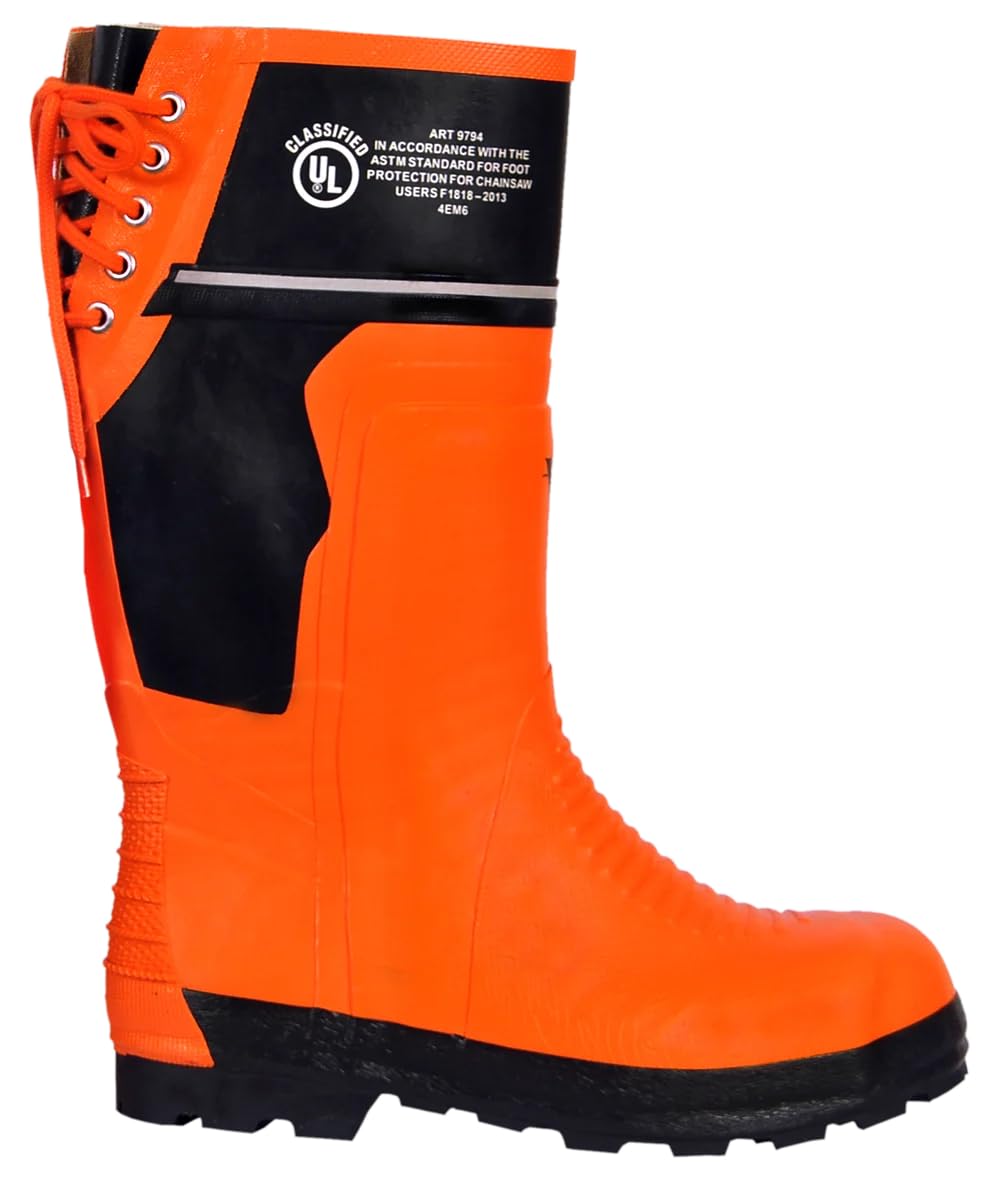


Who Should Buy Which Boots for Chainsaw Work?
Pick by the job you repeat most often. Your usual ground and weather will point you to the right height, material, and protection level.
Crews Working in Wet Ground and Rough Weather
You cut where puddles, wet leaves, and soft soil are normal, so water protection and grip come first. Choose a tall boot with a waterproof lining or a rubber lower section, sealed seams, and deep lugs that clear mud as you walk. Leather that is only water resistant can wet through during a long wet day. A higher shaft also keeps splashes and sawdust out.
Frequent and Serious Chainsaw Users
You run a saw several days a week, so durability and a higher protection class earn their cost. Look for a Class 2 or Class 3 rating, a robust toe cap, strong stitching, and a sole that resists wear on gravel and stumps. Expect to pay about $250 to $400 for this level. Cheaper boots may feel fine at first, but worn lugs and softened uppers can end their useful life much sooner.
Weekend Beginners Clearing Small Lots
You cut firewood or clear a small lot a few times a month, so ease of use and solid basic protection matter most. A Class 1 leather boot with a steel or composite toe and firm ankle support is a sensible start. Avoid borrowing plain work boots with no chain protection, because the front and shin area are exactly where a moving chain can contact the leg.
Key Features to Compare
Compare these factors in order. Protection comes first, then stability and grip, then weather and comfort.
Chainsaw Cut Protection and Protection Class
Chainsaw boots use layers of long fibers in the front and lower leg area. When a moving chain touches them, the fibers pull out and clog the sprocket, which slows or stops the chain. Classes rate that protection by chain speed under EN ISO 17249. Class 0 covers 16 meters per second, Class 1 covers 20, Class 2 covers 24, and Class 3 covers 28. Most ground work calls for at least Class 1, while frequent felling often justifies Class 2. If a chain breaks the skin, if bleeding does not stop with pressure, or if you cannot move your toes, seek urgent medical care. Talk with your clinician about personal needs if you have poor circulation, diabetes, or reduced feeling in your feet, since fit choices can matter more for you.
Toe Cap and Puncture Protection Underfoot
A toe cap guards against a dropped log, a falling branch, and the nose of a saw resting where it should not. Steel caps are strong and common, while composite caps weigh less and feel warmer in cold weather because they conduct less cold. Underfoot, a puncture resistant plate in the midsole helps when you step on sharp stubs, nails in old fence wood, or cut brush stems. Check that the boot lists both forms of protection, since a strong toe alone leaves the sole exposed.
Height, Ankle Support, and Outsole Grip
Most chainsaw boots stand about 8 to 10 inches tall, covering the ankle and lower shin where cut protection must reach. A firm shaft and snug laces help your ankle stay steady when you step over logs or work across a slope. For grip, look for deep, widely spaced lugs that bite into bark and loose soil and shed mud instead of packing flat. A defined heel helps you brake on a downhill step, while a smooth sole can skate on wet wood.
Water Protection, Breathability, and Seasonal Warmth
A waterproof membrane keeps rain and wet grass out, but it also slows heat loss on hot days, so summer users may prefer water resistant leather with a lighter lining. Winter users need insulation plus room for a thick sock without squeezing the toes, because tight toes feel cold faster when blood flow is restricted. Rubber boots shed water best of all, yet they breathe the least and can feel clammy during long walks.
Fit, Weight, and Comfort for Long Cutting Sessions
Heavy protective boots often weigh about 4 to 6 pounds per pair, and that weight shows by the end of a long day. Try boots late in the day with your work socks, lace them fully, and walk on steps if the store allows it. Your heel should stay put and no seam should press on the ankle bone. If arch pain is your usual problem, see our guide to the best inserts for work boots and check that any insert does not lift your heel out of the boot.
Choosing Between Rubber and Leather Chainsaw Boots and Checking Fit
Rubber forestry boots suit wet ground and work where you hose boots clean at the end of the day. They often carry strong cut protection and a steel toe, but sizing can feel less precise, and a loose rubber shaft can rub the calf. Leather lace up boots suit mixed ground and longer walking, because the laces let you tighten the ankle and loosen the forefoot as feet swell.
When you shop for best boots for chainsaw work in a store, bring the socks you cut in. Measure both feet, fit to the larger one, and leave about a thumb width in front of your longest toe. Kick the toe gently against the floor. If your toes hit the cap, go up a size or try a wider shape.
For jobs away from a saw, see our guide to the best work boots and our guide to the best men's work boots for everyday site use. For saw work itself, see our guide to the best chainsaw boots and compare the protection class before price, since plain work boots carry no chain stopping fibers.
Common Mistakes to Avoid
These errors are common because plain work boots and chainsaw boots can look alike on a shelf.
- Buying plain work boots with no cut protection leaves the shin and foot exposed to a moving chain.
- Choosing a size based on thin socks makes the boot squeeze once you add thick work socks.
- Ignoring worn lugs lets the sole slip on wet bark and steep, loose ground.
- Keeping a boot in service after chain contact can leave damaged fibers that no longer stop a chain.
- Paying only for a low price often means a lower protection class and a shorter working life.
Care and Maintenance for Chainsaw Boots
After each use, brush off sawdust and mud, pull out the insoles, and let the boots dry at room temperature away from a heater. Direct heat can crack leather and weaken glues in the sole. Clean debris from the lugs and check the front panels for cuts or loose stitching before the next job, because damage in the protective zone is a reason to retire the boot, not to patch it.
For leather uppers, use the conditioner the maker recommends once the leather looks dry. Store boots upright in a dry place with the shaft open so air can move. Before you cut, lace from the bottom, lock the heel with the middle hooks, and wear eye and ear protection along with your other protective gear.
Frequently Asked Questions
What protection class should boots for chainsaw work have for home firewood cutting?
Class 1 is the usual starting point for home firewood cutting, since it is rated for chain speeds of 20 meters per second. Check the rating plate inside the shaft rather than trusting a product photo. If your saw maker lists a higher chain speed, choose the class that meets or passes that figure.
Are chainsaw work boots waterproof for working in wet brush?
Some chainsaw work boots are waterproof, but the label alone does not tell the whole story. A membrane boot can still take in water over the top of the shaft in deep puddles, and lace holes sit below the top of the lining on many leather models. For standing water, a rubber boot with a sealed shaft is the safer choice.
How should chainsaw work boots fit with thick winter socks?
Chainsaw work boots should feel snug at the heel and midfoot and roomy at the toes with your winter socks on. Push your foot forward until your toes touch, then see if one finger fits behind the heel. Much more space than that lets the foot slide, and sliding builds blisters and makes steps on logs less steady.
Do chainsaw work boots replace chainsaw chaps or leg protection?
No, chainsaw work boots do not replace chaps or other leg protection. Boots protect the foot, ankle, and lower shin, while chaps or protective trousers cover the thigh and the front of the leg above the boot. Check for a gap near the shin when you kneel, and adjust your leg protection so no bare area shows.
When should chainsaw work boots be replaced after chain contact?
Replace chainsaw work boots after any clear chain contact with the protective area, even if the outer surface looks almost intact. The fibers inside may be cut or pulled out of place, and you cannot judge their remaining strength from the outside.
Our Verdict
Match the protection class to your saw first, then choose height, grip, and water protection for your ground and season. Fit the boot with your real work socks, and walk in it before you decide. Use the product table above to compare class, height, and weight.
With those checks done, the best boots for chainsaw work become the pair you will wear on every cut, not the pair left in the truck. That habit, plus prompt replacement after chain contact, is where most of the safety value lies.


