Best Boots for Black Ice: A Buying Guide for 2026
Disclosure: We may earn a commission when you buy through links on this page, at no extra cost to you. As an Amazon Associate I earn from qualifying purchases. Learn more

Invisible ice turns a short walk into a risk. Compare the best boots for black ice by outsole rubber, lug pattern, warmth and waterproofing.
Black ice hides in plain sight. It forms a thin, clear layer on sidewalks, steps and driveways, so a route that looks merely damp can slide under your foot without warning. Choosing the best boots for black ice starts with grip you can trust on that slick surface, not with warmth or style alone.
This guide explains which outsole patterns, insulation levels, fits and shaft heights suit different winter routines. Use the comparison table below to narrow your options, then check the details before you order.





Who Should Buy Boots Built for Black Ice?
The right pair depends on how long you stay outside, how often your route crosses untreated ground, and whether you carry a load while you walk.
City Commuters Crossing Pavement, Curbs and Transit Steps
You move between cleared platforms, shaded sidewalks and icy curbs several times a day, often carrying a bag. A mid height boot with a flexible sole suits you, because it bends at each step yet still covers the ankle on uneven curbs. If your route includes long untreated stretches, see our guide to the best winter boots for black ice for heavier insulated options.
Rural and Suburban Walkers Facing Driveways and Side Roads
Your risk often starts at your own door, on a sloped driveway, a mailbox path or a side road that plows reach late. You need deeper lugs that clear packed snow before the rubber meets ice, plus insulation for slow winter walks. A secure lace fit matters more than a quick slip on shape, because a loose heel can roll when a slope changes angle under snow.
Outdoor Workers and Carers Who Stay Out for Hours
You may clear entries, deliver goods, care for animals or supervise outdoor areas. Long exposure calls for stronger insulation, a taller shaft and a sole that still grips when tired legs take less careful steps. If a fall leaves you unable to bear weight, with rapid swelling, numbness, a visible deformity or head injury symptoms such as confusion or vomiting, seek medical care promptly and talk with your clinician about personal risks.
Key Features to Compare
Compare these six factors in order, starting with the outsole, because no amount of warmth helps once a boot has lost contact with the ground.
Outsole Rubber and Lug Pattern for Invisible Ice
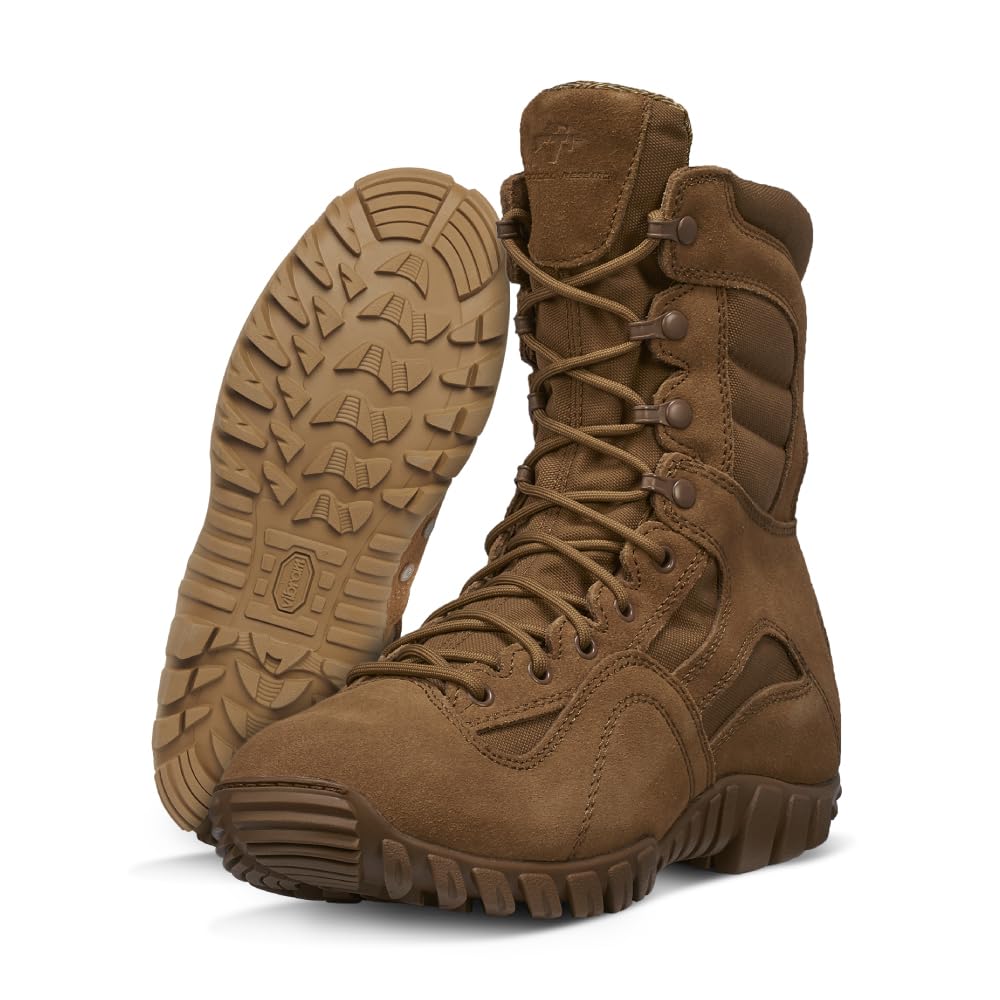
The outsole does the real work on black ice. Look for rubber rated to stay flexible in deep cold, since stiff rubber skates across a smooth surface instead of gripping it. Lugs about 4 to 6 mm deep with many small edges and wide channels give more biting points and clear slush before it packs flat. That is why the best boots for black ice pair soft cold rated rubber with a patterned tread, while smooth fashion soles deserve a firm pass.
Waterproofing and Warmth for Meltwater and Slush
Ice routes rarely stay dry. Meltwater pools at curbs and slush soaks cuffs, so a boot that wets through will chill your feet even on a short walk. A sealed waterproof membrane such as Gore Tex, paired with sealed seams, keeps that water out. Insulation around 200 grams suits active walkers in moderate cold, while around 400 grams suits slower routines and long waits outside.
Fit, Toe Box and Sizing With Thick Socks
Measure both feet in the afternoon, when they are at their largest, and shop while wearing the socks you plan to use outside. Your toes need room to spread for balance, with roughly a thumb width ahead of the longest toe, yet your heel should stay seated when you walk downhill. A roomy toe box helps circulation, but a wide fit through the heel invites slip, so judge both zones separately.
Ankle Height, Stability and Arch Support
Shaft height changes how a boot behaves when your foot lands at an angle. A taller shaft supports the ankle and keeps snow out, while a lower cut feels lighter for cleared city routes. Steady arch support and a firm heel cup reduce foot roll on cambered sidewalks. If you prefer a lighter shoe for short cleared walks, see our guide to the best shoes for walking on black ice.
Upper Materials, Breathability and Weight
Full grain leather uppers resist scuffs from ice, salt and grit, and they usually last well with regular care, but they weigh more and dry slowly. Synthetic uppers feel lighter and often dry faster, though heavy slush can overwhelm lighter fabrics sooner. Breathability matters most if you move between heated buildings and cold streets, because trapped sweat cools fast once you stop.
Cushioning, Heel to Toe Drop and Flexibility
Cushioning softens impact on frozen pavement, which is hard underfoot even where it is not slippery. A moderate heel to toe drop of about 8 to 12 mm keeps a familiar walking motion for most people. The forefoot should flex enough that your stride rolls forward instead of slapping down, because a flat slap puts the whole sole on the ice at once.
Types of Boots for Icy Ground Compared
Boot types differ mainly in shaft height, warmth and sole stiffness. Match the type to your route first, then compare features within that type.
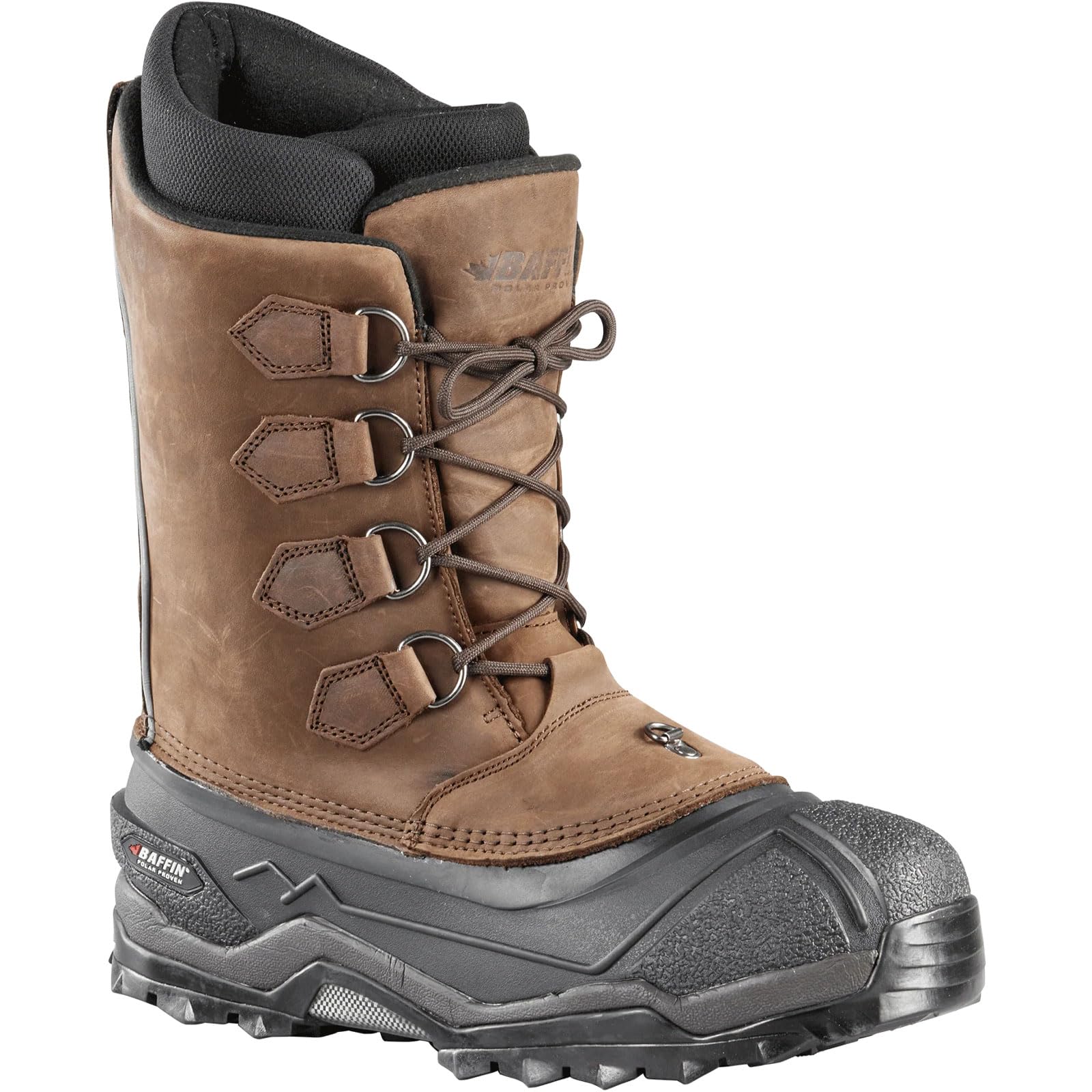
Insulated Winter Boots for Daily Cold Routes
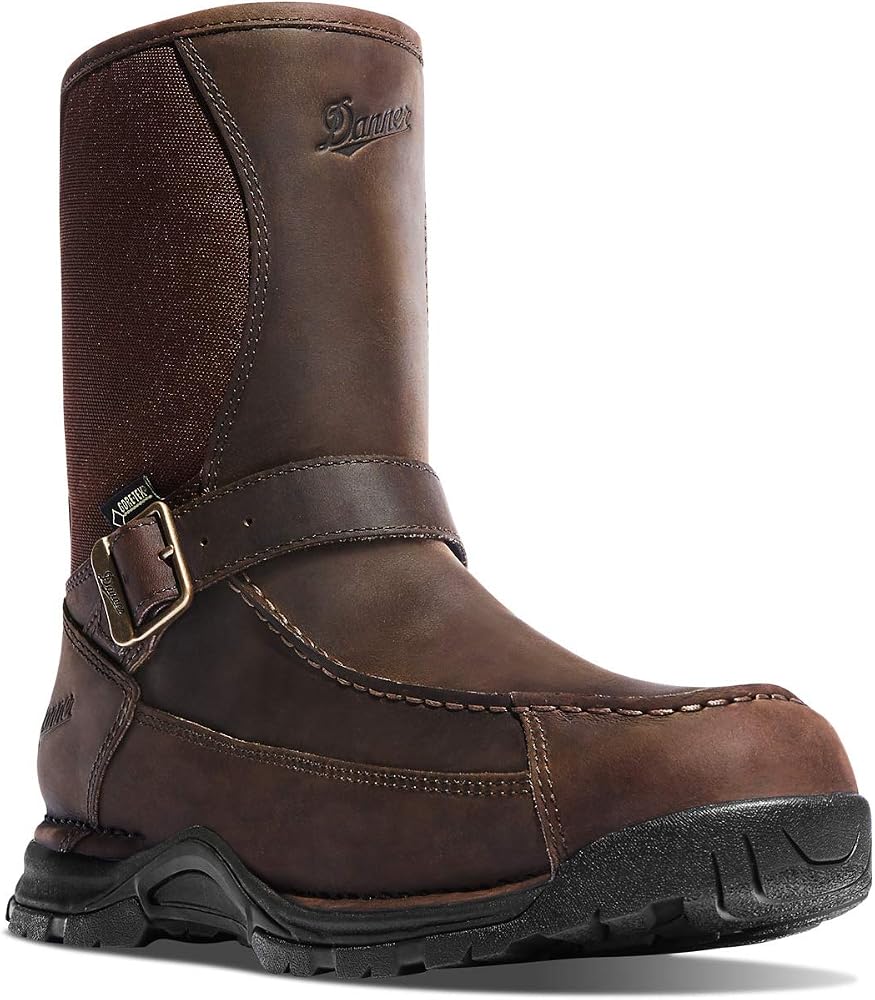
These boots combine tall shafts, warm insulation and aggressive tread, so they suit untreated sidewalks, rural paths and long dog walks. They feel bulky on cleared floors, and their weight adds up over a full day. Choose this type when cold and deep slush are daily facts rather than rare events.
Hiking Style Boots for Mixed Snow and Ice
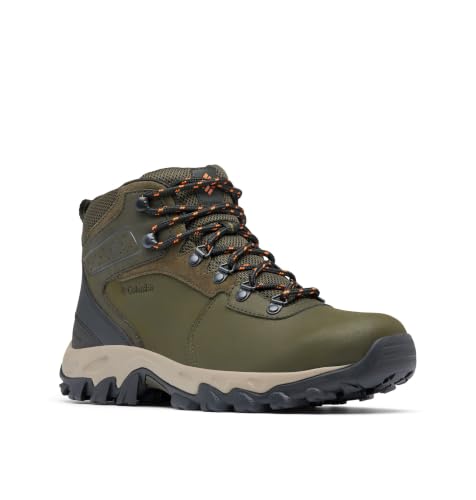
Hiking style boots sit lower and lighter, with a flexible sole that suits routes mixing bare pavement, packed snow and short icy stretches. Their tread handles uneven ground well, though their insulation often runs lighter than full winter boots. If your walking mixes trails with town errands, see our guide to the best boots for ice for related options.
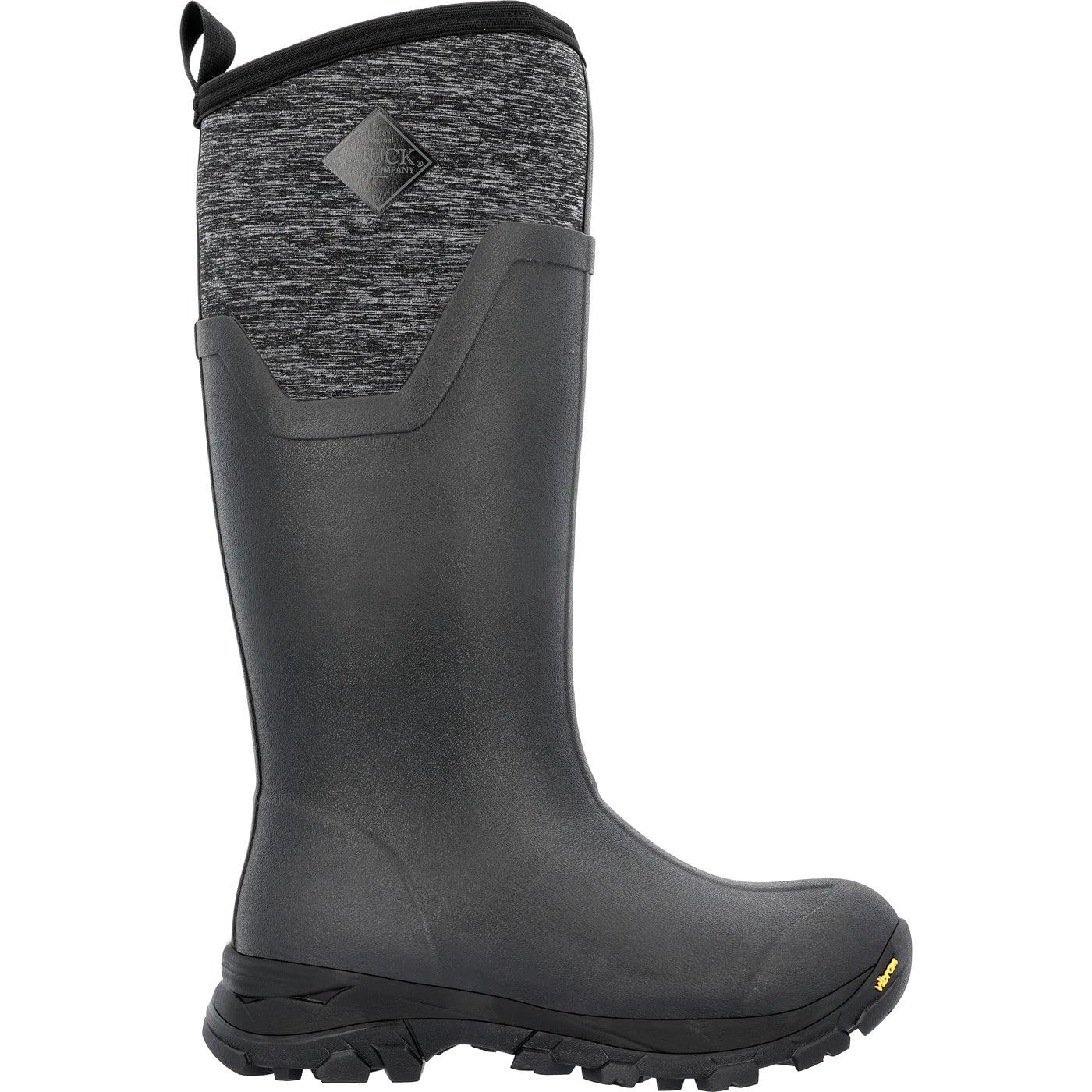
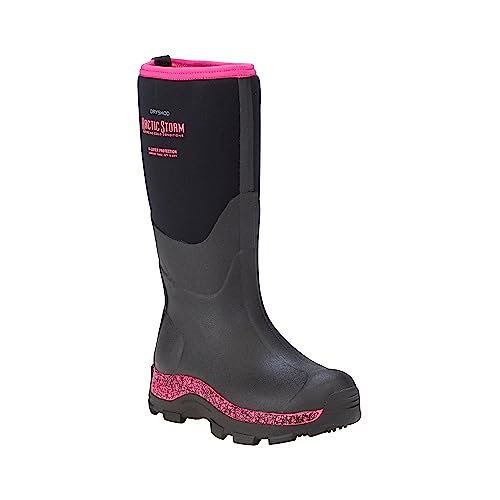
Tall Work Style Boots for Deep Slush and Long Shifts
Work style boots offer sturdy uppers, roomy toe boxes and soles built for grip on wet ground, which suits outdoor jobs and heavy yard tasks. Some models add protective toes, which only help if your work calls for them. Their stiff build takes longer to break in, so choose them for durability during long shifts.
Common Mistakes to Avoid
- Choosing a smooth or shallow tread for neat looks leaves the sole with almost no edge to bite into ice.
- Buying your summer shoe size for wear with thick socks cramps your toes and slows circulation, so your feet chill faster.
- Trusting a waterproof label while ignoring low cuffs lets slush pour over the top on the first deep curb puddle.
- Wearing boots with lugs worn flat after several seasons removes the tread depth that your balance depends on.
- Rushing down a shaded slope in long strides puts your weight ahead of your base, so a slide becomes a hard fall.
- Picking the warmest insulation for mild city walks overheats your feet indoors, and the resulting sweat cools quickly outside.
Care and Maintenance for Boots Used on Icy Routes
Road salt is hard on boots. Brush off salt and grit after each outing, wipe leather with a damp cloth when white salt lines appear, and let pairs dry at room temperature away from direct heat, which can crack leather and weaken adhesives.
Once boots are clean and dry, renew the water resistant finish on the upper as the maker directs, and check that hooks and eyelets still hold laces firmly. Inspect the outsole under bright light every few weeks. When lugs at the heel and forefoot look rounded or shallow, grip is already fading, even if the upper still looks sound.
Frequently Asked Questions About Boots for Black Ice
What features matter most in boots for black ice on shaded sidewalks?
A flexible cold rated outsole with many small tread edges matters most on shaded sidewalks. Shaded ice stays hard and smooth long after sunny patches melt, so edge count beats lug height alone there. Also check how the sole behaves on wet indoor tile at shop entries, since polished entry floors create a second risk on the same route.
Do boots for black ice need to be waterproof for short trips?
Yes, boots for black ice should be waterproof even for short trips, because one curb puddle can soak a foot. Short trips also tempt people to skip dry socks, which makes a wet boot feel colder still. Treat any route with melting snow at crossings as a wet route, even when the rest of your walk looks dry.
How should boots for black ice fit for early morning dog walks?
Boots for black ice should fit snugly at the heel and midfoot, with clear space ahead of your toes. Early morning walks add two details: cold feet shrink slightly, and sleepy balance is poor. Lace firmly before you leave, then retighten once after five minutes outside instead of judging the fit only in a warm shop.
Can I add removable cleats to boots for black ice?
Yes, removable cleats can add grip to boots for black ice on untreated routes. Choose a style that straps over the heel and forefoot without shifting, and practice fitting it indoors first. Remove cleats before stepping onto indoor floors, vehicle pedals or bare stone, because metal points can slide on hard smooth surfaces and can damage flooring.
When should I replace boots worn on black ice each winter?
Replace boots worn on black ice when the tread edges look rounded, the midsole feels packed and flat, or the upper leaks after reproofing. Press a thumbnail into a heel lug as a simple home check. If the rubber feels hard and barely dents at normal indoor temperatures, it will grip even less in deep cold, so retire the pair early.
Final Thoughts
Start with the outsole, confirm your fit with real winter socks, and then choose insulation and shaft height for the routes you actually walk. For most readers, the best boots for black ice are the pair whose tread still grips when you are tired, cold and hurrying in poor light. Compare your shortlist in the product table above before you order.