
Best Boots for Being on Your Feet for 2026: Matching the Right Model to Your Routine
Disclosure: We may earn a commission when you buy through links on this page, at no extra cost to you. As an Amazon Associate I earn from qualifying purchases. Learn more

Long shifts upright are tough on arches, heels and knees. Compare the best boots for being on your feet by cushioning, support, grip and fit.
There is no single boot that suits every long day, because standing at a counter, walking a warehouse floor, and working outside in rain load your feet in different ways. The best boots for being on your feet for you are the ones that match your surface, your weather, and your foot shape, not the pair with the longest feature list. This guide works from your routine first.
Start by naming your main setting, your usual hours, and any sore spots you notice by the end of a shift. Then use the comparison table below to check each type against the cushioning, support, and grip points explained below.


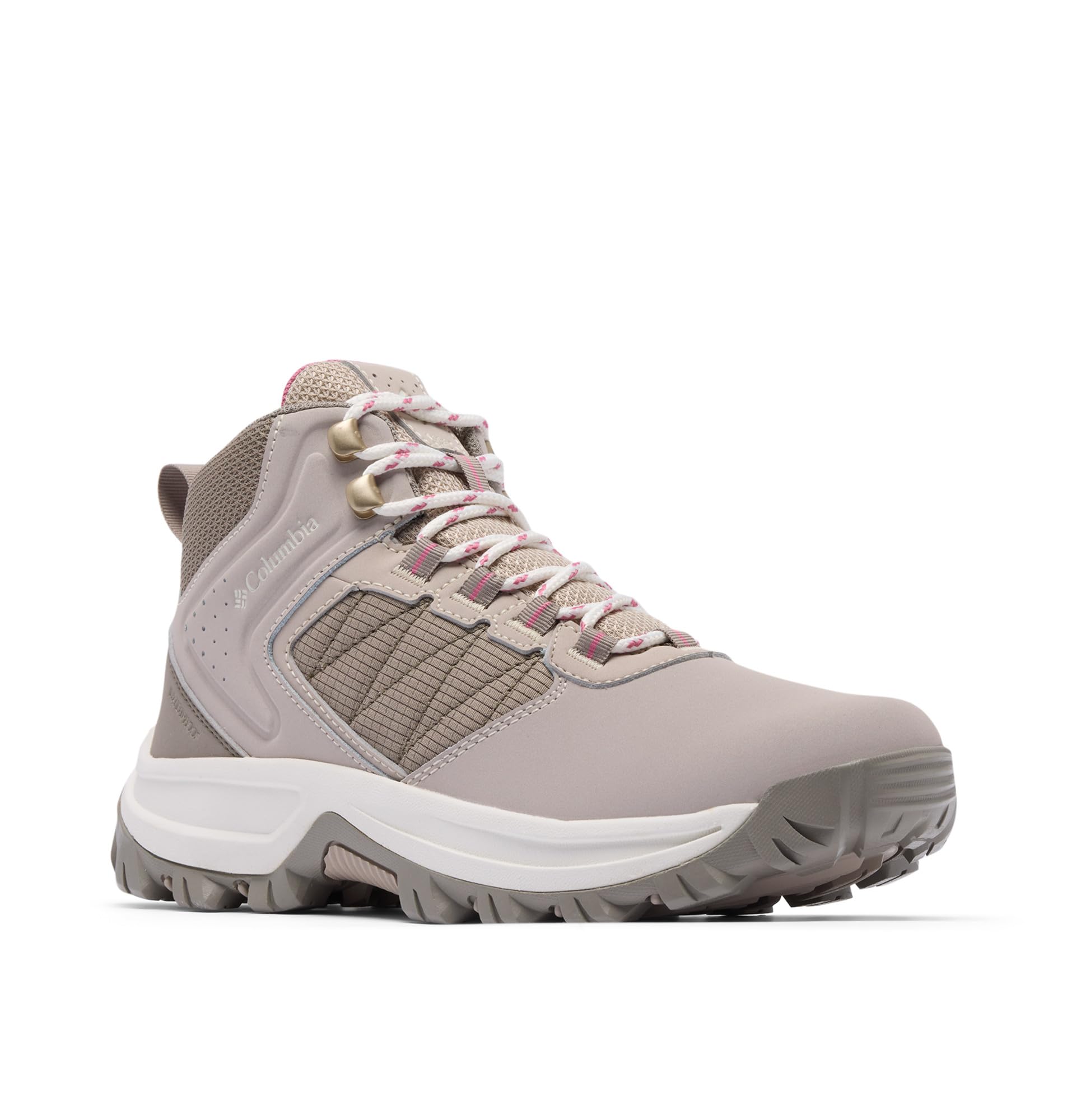


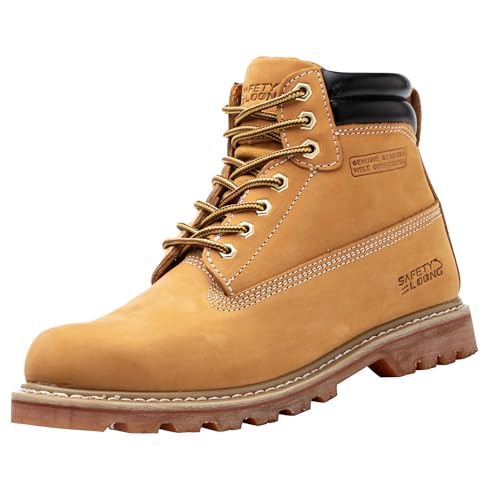
Which Boots Fit Your Kind of Workday?
For Outdoor Crews in Bad Weather and Tough Conditions
If you work outside on wet ground, mud, gravel, or loading areas, put protection first. Look for a waterproof membrane, a sealed tongue, and an outsole with deep lugs that clear mud instead of packing smooth. A higher shaft guards your ankle on uneven ground and keeps splashes out. Job site readers can also see our guide to the best work boots for being on your feet all day.
For Indoor Staff Standing on Hard Floors All Shift
If you stand on tile, sealed concrete, or polished floors in retail, health care, kitchens, or security posts, cushioning and grip matter more than heavy protection. Choose a lighter boot with a thick but stable midsole, a slip resistant outsole made for smooth floors, and a breathable upper, because indoor heat builds up fast. A mid height shaft keeps the boot flexible when you pivot and turn often.
For New Starters Who Need an Easy First Pair
If you are starting a job that keeps you upright for six or more hours and have never worn work boots daily, keep the choice simple. Pick a mid weight boot with moderate cushioning, a roomy toe box, and a flexible forefoot, so the break in period stays short. Prices around $80 to $150 cover most sensible first pairs.
Key Features to Compare
Cushioning and Shock Absorption for Long Hours Standing
Cushioning spreads pressure across your heel and forefoot each time your weight settles, which is most of the day when you stand more than you walk. A foam midsole that feels soft but does not collapse at the edges gives the best balance, because a sole that is too soft lets your foot roll and tires your ankles. If your heels ache first, favor a thicker heel stack, and if the balls of your feet ache first, look for forefoot padding.
Arch Support and Foot Type
Arch support should match the shape of your foot rather than push against it. Flat feet often need a firmer arch and a stable heel cup to limit inward rolling, while high arches do better with more cushioning and gentler support, and neutral feet sit between the two. Removable insoles help, since you can swap them without replacing the whole boot. If you have lasting heel pain, numbness, swelling that does not ease overnight, or pain that changes how you walk, talk with your clinician about your personal needs.
When Long Shifts Need a Waterproof Membrane
A waterproof membrane such as Gore Tex blocks rain and puddle water while letting some sweat vapor escape, and house brand membranes work in a similar way. You need one if you step outside often, work around washdowns, or face wet grass and mud. The trade off is warmth, because a lined boot breathes less than an unlined mesh boot. Indoor staff on dry floors can skip waterproofing, gain a cooler boot, and usually pay less.
Sizing for Feet That Swell Through a Shift
Feet swell as the day goes on, so measure and try boots in the afternoon while wearing your work socks. Your heel should stay seated when you walk, your midfoot should feel held without pinching, and your toes need room to spread, since a wide toe box reduces rubbing on long shifts. Leave about a thumb width in front of your longest toe, and fit your larger foot first.
Outsole Grip, Stability, and Heel to Toe Drop
The outsole decides how secure each step feels. Flat, closely spaced tread grips smooth indoor floors, while wider spaced lugs bite on soil and gravel. A broad base and a firm heel counter add stability when you carry loads or turn quickly. Heel to toe drop, the height difference between heel and forefoot, is often about 8 to 12 mm in work boots. A higher drop eases calf strain for many standing workers, while a lower drop feels more natural in flat shoes.
Matching Boot Types to Your Daily Routine
Cushioned service boots are the indoor default. They pair a light upper with a thick midsole and a grip pattern made for hard floors, and they suit staff who stand in one area and walk short distances all day. If your routine mixes standing with several miles of walking, a lighter hiking style boot with a flexible sole may suit you better, and our guide to the best tennis shoes for being on your feet all day shows the shoe based alternative.
Waterproof outdoor boots trade some breathability for sealed seams, taller shafts, and deeper tread, and they fit yard, farm, delivery, and site work. If your day is mostly standing with little walking, a stiffer boot protects you well, because a walking focused sole can feel too soft under a static load. When your hours stretch past eight, see our guide to the best boots for being on your feet all day.
Weight ties these types together. A heavy boot drains your legs over a full shift even when its cushioning is excellent, so choose the lightest boot that still gives firm support, and accept extra weight only where it buys waterproofing or tread your job truly demands.
Common Mistakes to Avoid When Buying Boots
- Buying on price alone, so a cheap thin sole leaves your heels aching within weeks.
- Skipping waterproofing for outdoor work, so wet socks end your comfort by midday.
- Choosing a size in the morning on thin socks, so the boot pinches once your feet swell.
- Picking the softest sole in the store, so your ankles tire from constant small corrections.
- Ignoring the return window, so a fit problem found in week two cannot be exchanged.
Tips to Get the Most From Your Boots
Rotate two pairs if you wear boots daily, because foam needs about a day to recover its shape and damp uppers need time to dry. Air dry wet boots at room temperature away from direct heat, remove the insoles, and loosen the laces, since heat can crack leather and warp adhesives. Clean mud off before it dries hard.
Replace insoles when they stay flat after a night out of the boot, and replace the boots when the tread is smooth at the heel or forefoot, or when the midsole leans to one side. After a long shift, an hour with your feet up helps them recover. Retie from the bottom eyelets when heel slip appears.
Boots: Your Questions Answered
What features matter most in boots for being on your feet?
Cushioning, arch support, and fit matter most, in that order for most standing workers. Start with a midsole that spreads pressure without collapsing, then match arch support to your foot type, then confirm toe room with your work socks on. Grip and waterproofing rank next, based on your floor and weather.
Are expensive boots for long hours on your feet worth it?
Expensive boots are worth it only when the extra money buys a feature your routine needs, such as a better membrane or a more durable outsole. Many workers do well in the about $100 to $200 range, where cushioning and build quality are already solid. Above that range, gains get smaller, so spend first on correct fit.
How should boots for long hours on your feet fit?
Boots should fit snugly at the heel and midfoot, with clear space for your toes to spread and no pressure on top of your foot. Test them late in the day, stand on one foot, and walk stairs if the store allows it. One detail many buyers miss is lace tension, since a looser lower section and a firmer top section can fix both toe pinching and heel slip.
How long is the break in period for boots worn all day?
The break in period for most cushioned work boots is about three to five shifts, while stiff leather boots can take two weeks of shorter wears. Wear a new pair for part of a day first, and keep your old pair nearby in case hot spots appear. Pain that sharpens or numb toes signal a fit problem rather than a stage to push through.
Do I need waterproof boots for being on my feet all day?
You need waterproof boots only if water reaches your feet during a normal shift, from rain, wet ground, spills, or washdowns. On dry indoor floors a waterproof lining mainly adds heat, so an unlined breathable boot is usually the smarter pick. A middle option is a water resistant treated leather upper, which sheds light splashes without sealing in as much warmth.
Can I wear boots for being on my feet all day, every day?
Yes, you can wear well fitted boots all day, provided you rotate pairs and give your feet recovery time out of work footwear at home. Daily wear in the same pair shortens boot life and keeps foam compressed, which quietly removes the support you bought them for. If soreness builds across a week despite rotation, reassess your insole choice.
Our Verdict
Choose by routine first. Outdoor crews should favor waterproofing, tread, and shaft support, indoor staff should favor light weight, cushioning, and grip on smooth floors, and new starters should favor easy fit and fair value. Afternoon fitting with work socks and a real toe box check will do more for your comfort than any single feature claim. Compare your shortlist in the product table above, and let the best boots for being on your feet be the pair your feet forget by shift end.


