
Best Boots for Warehouse Work in 2026: Which Type Is Right for You?
Disclosure: We may earn a commission when you buy through links on this page, at no extra cost to you. As an Amazon Associate I earn from qualifying purchases. Learn more

Compare warehouse boot types by toe protection, grip, cushioning, and fit, and learn which style suits long shifts, wet floors, and heavy lifting work.
Warehouse shifts mix long hours on hard floors, repeated lifting, and constant movement between aisles, docks, and storage areas. Choosing best boots for warehouse work starts with matching the boot to the hazards and surfaces you meet most often, not with picking the toughest looking pair. The comparison table below lays out the main types side by side so you can narrow the choice before you compare details.
Some warehouses require a protective toe, while others focus mainly on grip and comfort. Your employer rules, the floor surface, and the weight you handle all change which type makes sense. This guide compares the main boot types, explains the features that matter for warehouse work, and covers fit and care so a pair lasts through many shifts.


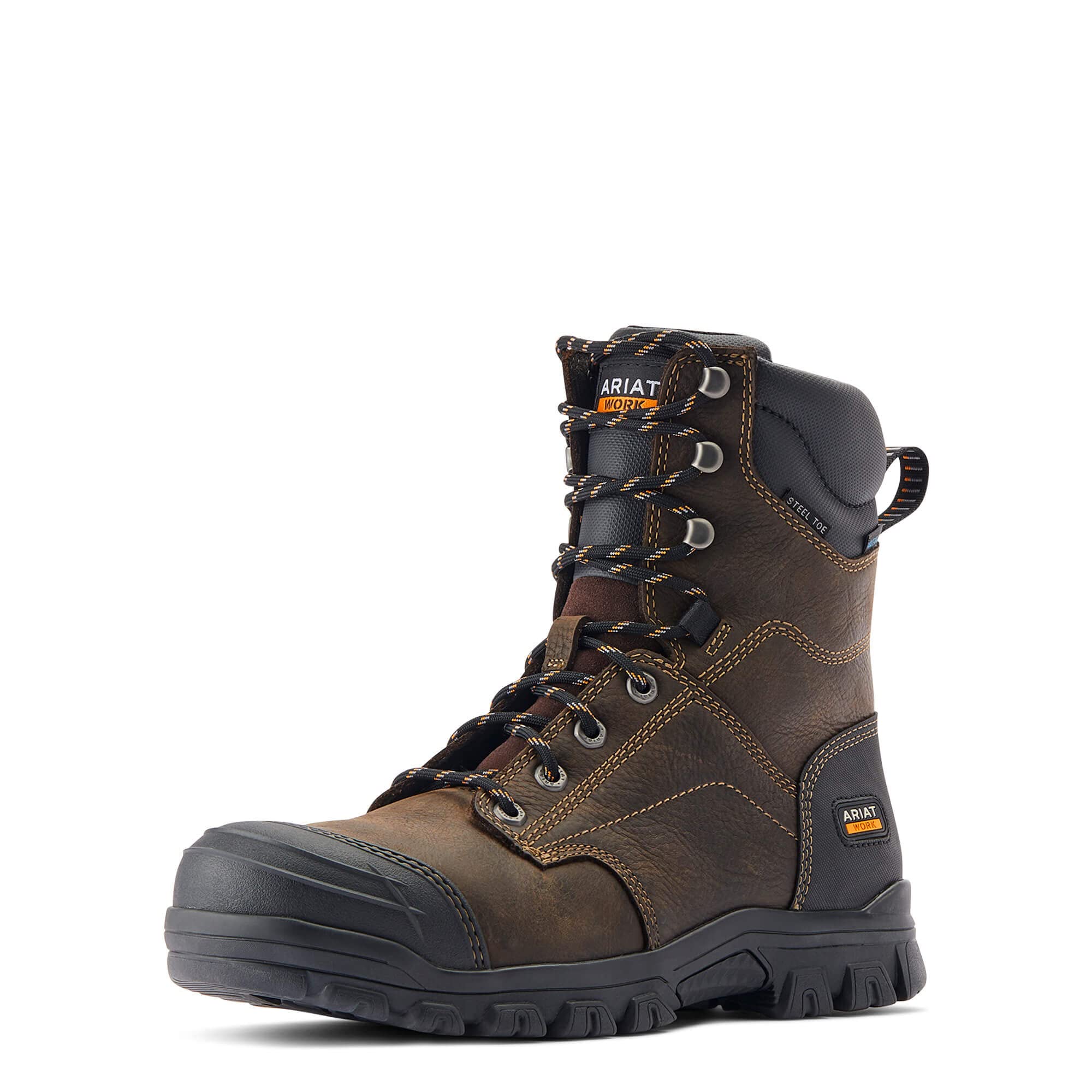


Types of Warehouse Boots Compared
Warehouse boots differ mainly in toe protection, sole grip, weight, and water resistance. A boot that protects well against falling cartons may feel heavy on a long shift, while a light boot may wear out faster on rough concrete. The table below gives a quick view of the tradeoffs, and the sections that follow explain each type in plain terms.
| Type | Best For | Pros | Cons | Typical Price |
|---|---|---|---|---|
| Steel toe boots | Heavy loads and impact risk | Strong toe protection | Heavier feel | around $120 |
| Composite toe boots | Long shifts with toe rules | Lighter than steel | Bulkier toe box | around $130 |
| Soft toe work boots | Light duty warehouse tasks | Light and flexible | No impact protection | around $90 |
| Waterproof work boots | Wet docks and outdoor yards | Keeps feet dry | Less breathable | around $140 |
Steel Toe Boots
Steel toe boots use a metal cap in the toe to guard against heavy objects that drop or roll onto the foot. They suit workers who move pallets, handle dense cartons, or work near forklifts and racking. The protection comes with extra weight, so cushioning and a good fit matter even more on a full shift.
Look for a roomy toe box that does not press on your toes when you crouch or climb a step. A lug sole with deep tread helps on dusty concrete, and a padded collar can reduce rubbing around the ankle. If your site lists a toe protection standard, check that the boot meets that standard before you buy.
Composite Toe Boots
Composite toe boots use a non metal cap made from materials such as fiberglass or plastic blends. They offer impact protection at a lower weight than steel, which many workers prefer for walking long distances between picks. They also avoid the cold feel that metal can have in a chilled storage area.
The toe cap can be bulkier than a steel cap, so try the boot with your usual work socks and walk on a hard floor if you can. Check the width across the toes, since a narrow fit can cause pressure during a long shift. Composite boots still need a strong sole and a stable heel, so do not judge them on toe weight alone.
Soft Toe Work Boots
Soft toe work boots have no protective cap, which keeps them light and flexible. They suit warehouse roles with light loads, frequent walking, and no falling object risk, such as packing small items or working at a bench. They also break in faster than capped boots for many wearers.
Comfort still depends on cushioning, arch support, and grip. A soft toe boot with a flat, worn sole will not help on a slick floor, so check the tread pattern and the heel shape. If your site later adds heavier tasks, you may need to move to a capped boot, so confirm the rules for your role first.
Waterproof Work Boots
Waterproof work boots use a sealed upper or a waterproof membrane to keep water out during wet work. They suit loading docks in rain, chilled areas with condensation, and yards where puddles are common. Keeping feet dry also helps avoid blisters that form when socks stay damp.
Waterproof boots can feel warmer than mesh boots, so look for a lining that manages moisture and a sole that grips wet concrete. Seams and the tongue area matter, since water often enters through stitching rather than through the main upper. Dry the boots away from direct heat after a wet shift to protect the seal.
Steel Toe Boots Versus Waterproof Boots: Which Should You Choose?
Steel toe boots win when impact risk is the main concern, while waterproof boots win when wet floors are the daily problem. Some boots combine both features, but a combined boot tends to cost more and weigh more than a single purpose boot. Start by listing the risks you face every shift, then pick the feature that addresses the most serious risk first.
Grip matters in both cases, since a fall on concrete can cause injury even when toe protection is present. Compare the sole pattern, the heel width, and how the boot feels when you turn quickly on a smooth floor. If you work both indoors and outdoors, a boot with a sealed upper and a protective toe may be worth the extra weight, provided the fit stays comfortable across a full shift.
How to Choose the Right Boot
Choosing well means checking the boot against your shift, not against a generic list of features. The sections below cover the upper, the warehouse specific features, arch support, and fit, each with the detail that changes daily comfort.
Upper Materials and Breathability
Leather uppers resist scuffs and spills and often last longer in rough warehouse use, while mesh panels improve airflow on warm shifts. Knit uppers feel soft and flexible but may wear faster where the boot rubs against racking or pallets. Think about the temperature of your building and how much dust or liquid the upper will meet.
Features That Matter for Warehouse Work
Warehouse work demands grip on concrete, stability when lifting, and cushioning that holds up across many hours. A wide, stable heel helps when you bend and lift, and a lug sole clears dust better than a smooth sole. Look for a shank or midsole support that keeps the foot steady when you carry a load, and check that the boot does not twist easily when you turn.
For more on toe protection rules, see our guide to best safety boots for warehouse work before you settle on a capped style. If you want a broader view of work footwear, see our guide to best work boots for the main styles and features.
Arch Support and Foot Type
Flat feet often need a firmer arch insert and a stable heel, while high arches often need extra cushioning under the midfoot. Overpronation, where the foot rolls inward as you walk, calls for a boot with firm midfoot support rather than a very soft sole. A removable insole lets you swap in support that matches your foot shape without changing the boot size.
Fit, Sizing, and Toe Box
Measure your feet in the afternoon, when feet tend to be slightly larger after hours of standing. A wide toe box lets your toes spread naturally, which matters when you walk and lift all day. When you try a new size, wear your usual work socks and walk on a hard surface, and check that your heel stays in place without slipping.
Women looking for warehouse footwear can compare options in our guide to best shoes for warehouse work women's, which covers fit and sizing for narrower lasts. For a lighter shoe style option, see our guide to best tennis shoes for warehouse work if your site allows shoes rather than boots.
How to Make Your Boots Last Longer
Rotate two pairs when you can, since a rest day lets foam and leather dry and recover between shifts. Air dry wet boots away from direct heat, because strong heat can stiffen leather and weaken adhesives. Replace work shoes after about 300 to 500 miles of hard use, or sooner if the tread is smooth, the cushioning feels flat, or the upper splits at a flex point.
Brush off dust and debris after each shift, and check laces, eyelets, and soles weekly so small wear does not become a trip risk. Keep in mind that no boot can guarantee protection, so always follow your employer rules and local safety guidance for your site.
Frequently Asked Questions
What features matter most in boots for warehouse work?
The most important features are grip on concrete, a stable heel for lifting, cushioning that lasts a full shift, and toe protection if your site requires it. A boot that grips well but pinches your toes will slow you down, while a soft boot with a smooth sole can slip on dust. Check the sole pattern first, then the fit, then the upper material for your temperature and wetness conditions. A removable insole is a useful bonus, since it lets you adjust arch support without buying a new pair.
Can warehouse workers wear work boots all day?
Yes, most warehouse workers can wear work boots all day when the fit, cushioning, and weight suit their shift. Break in a new pair with shorter wear at first, and watch for pressure on the toes, heel slip, or soreness across the arch. Socks matter too, since a cushioned work sock reduces friction and helps manage moisture. If pain, numbness, or swelling persists, talk with a clinician about fit and foot support rather than pushing through it.
How long is the break in period for warehouse boots?
The break in period often lasts one to two weeks of regular shifts, though leather boots can take longer than soft mesh styles. Wear the boots for a few hours at a time at first, then extend the wear as the upper softens. Lacing changes can relieve pressure over the instep, and a different insole can change how the heel sits. If sharp pain continues after two weeks, the size or width is likely wrong, and a different fit is a better fix than more break in time.
How often should warehouse boots be replaced?
Replace warehouse boots when the tread is worn smooth, the midsole feels flat, the upper tears, or the toe cap shifts out of place. Heavy use on concrete can wear a pair out in under a year, while lighter use may stretch a pair further. Track the mileage if you walk long routes, since about 300 to 500 miles of hard use is a common replacement point for cushioned footwear. Keep a spare pair ready so you are not forced to work in worn boots while waiting for a replacement.
How should warehouse boots fit?
Warehouse boots should fit snugly around the heel and midfoot while leaving room for your toes to move. Your toes should not touch the front when you walk downhill or crouch, and your heel should not lift with each step. Try boots in the afternoon with your work socks, and walk on a hard floor rather than carpet. If one foot is larger, fit the larger foot and use lacing or an insole to steady the smaller one.
Our Verdict
Start with your site rules, then choose the boot type that covers your main risk, whether that is impact, wet floors, or long hours of walking. Grip, fit, and cushioning decide daily comfort more than any single extra feature, so test those three on a hard floor before you commit. The product table above can help you compare types at a glance, and a careful fit check will do more for your shift than a higher price alone.
For a final choice, revisit the comparison of toe styles in our guide to best steel toe boots for warehouse work and weigh it against your daily tasks. In short, best boots for warehouse work are the pair that meets your site rules, grips your floor, and still feels steady at the end of a long shift.


