
Best Boots for Walking on Roofs in 2026: Every Type Explained Side by Side
Disclosure: We may earn a commission when you buy through links on this page, at no extra cost to you. As an Amazon Associate I earn from qualifying purchases. Learn more

Compare boots for walking on roofs by sole type, grip, ankle support and fit, with a clear checklist for shingle, metal and low slope roof work.
Choosing roof footwear feels confusing because a boot that grips dry shingles can slide on wet metal and feel stiff on a steep pitch. The best boots for walking on roofs match sole compound, ankle support and fit to the surface underfoot. This guide compares each type so you can use the comparison table below with confidence.
Start with your most common job. A quick inspection, a full day of repairs and standing for hours on a low slope each ask something different from a boot. The sections below connect those jobs to grip, cushioning, weight and price.
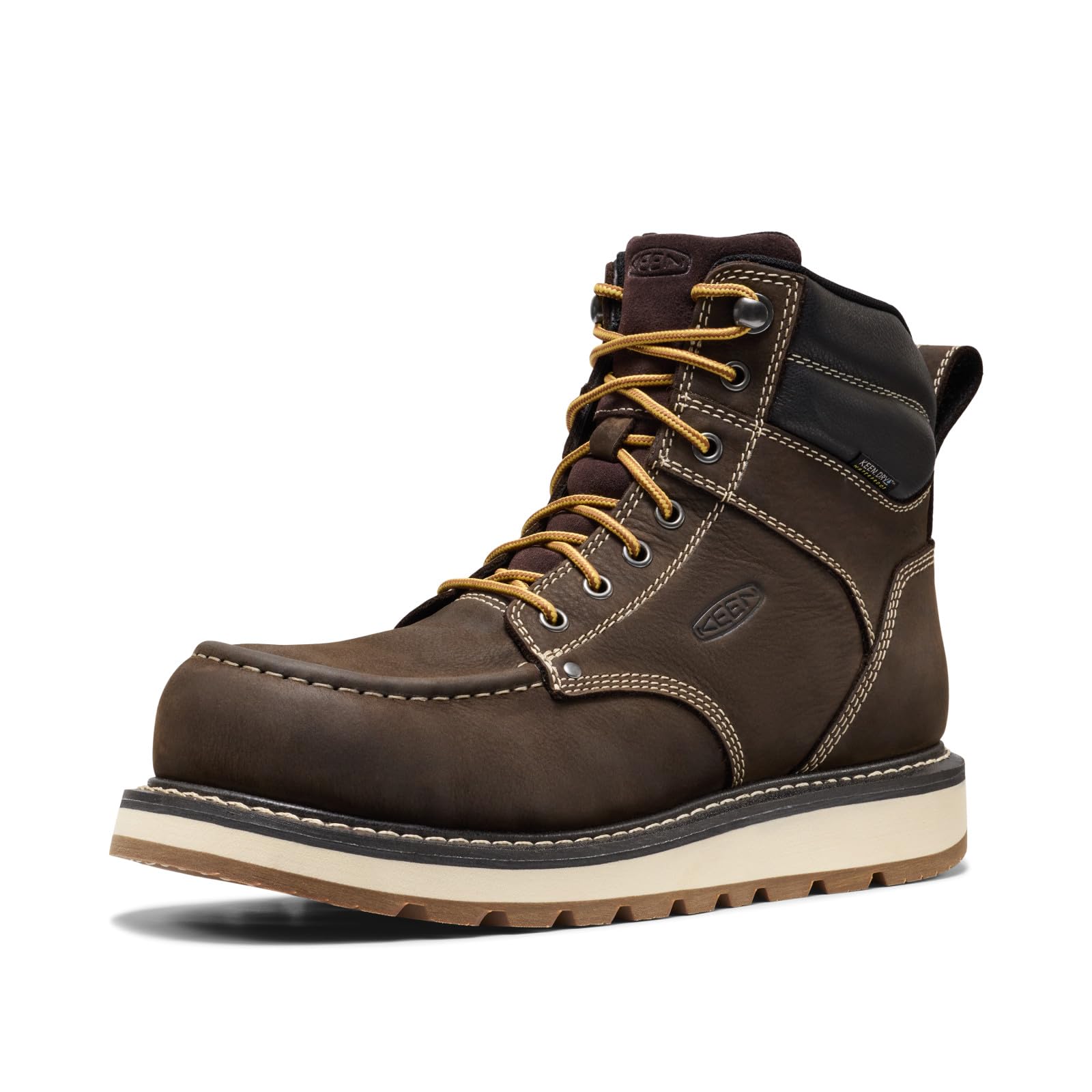
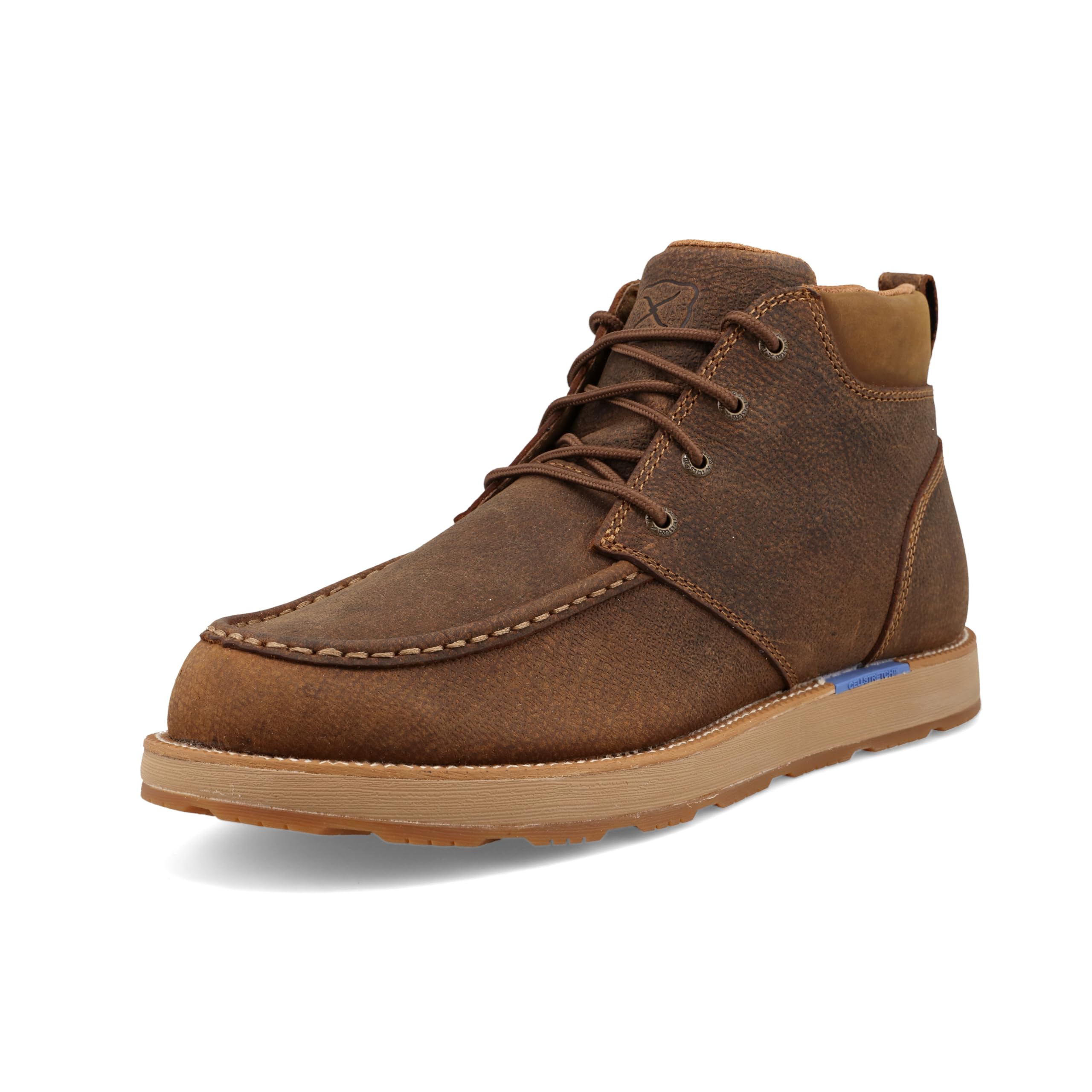


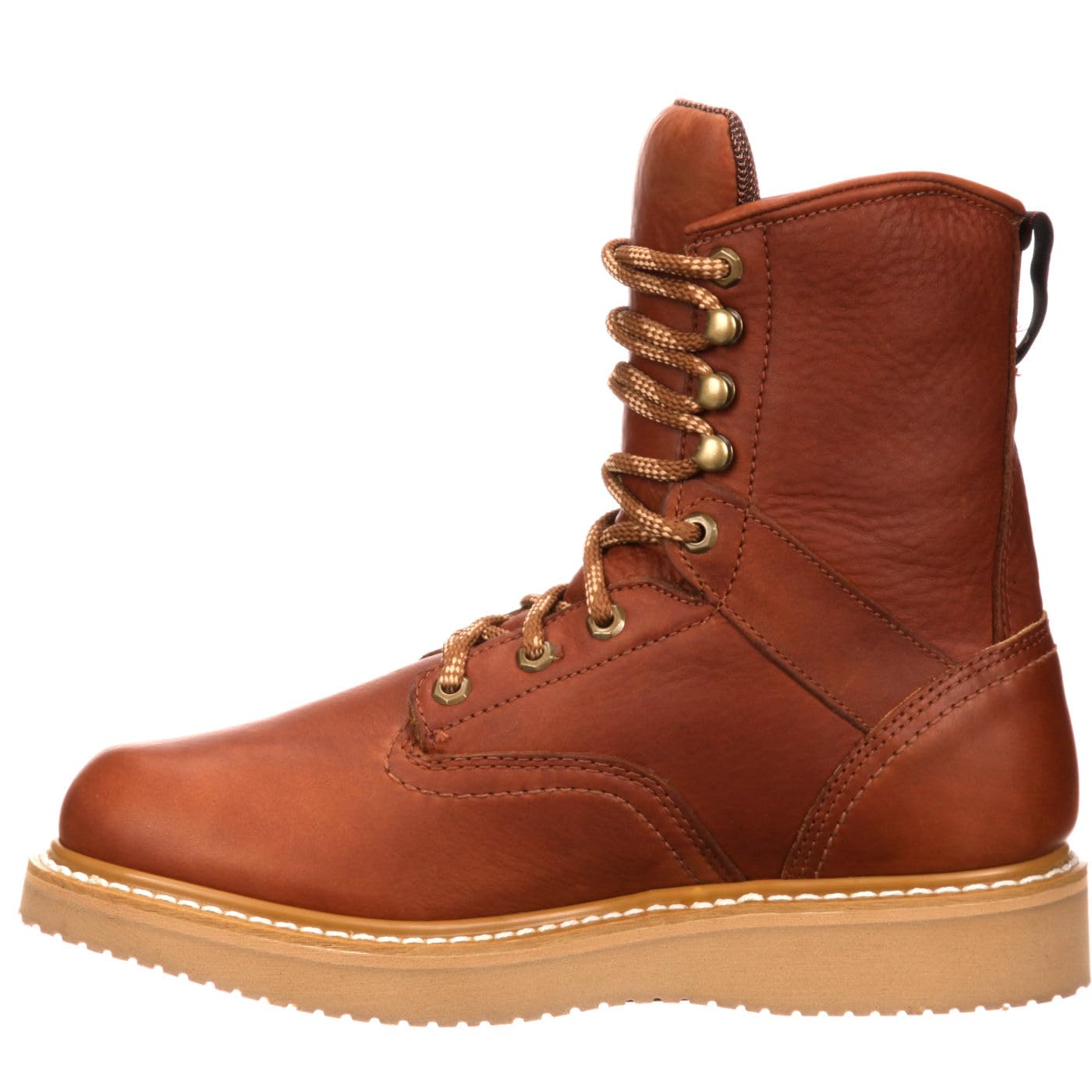
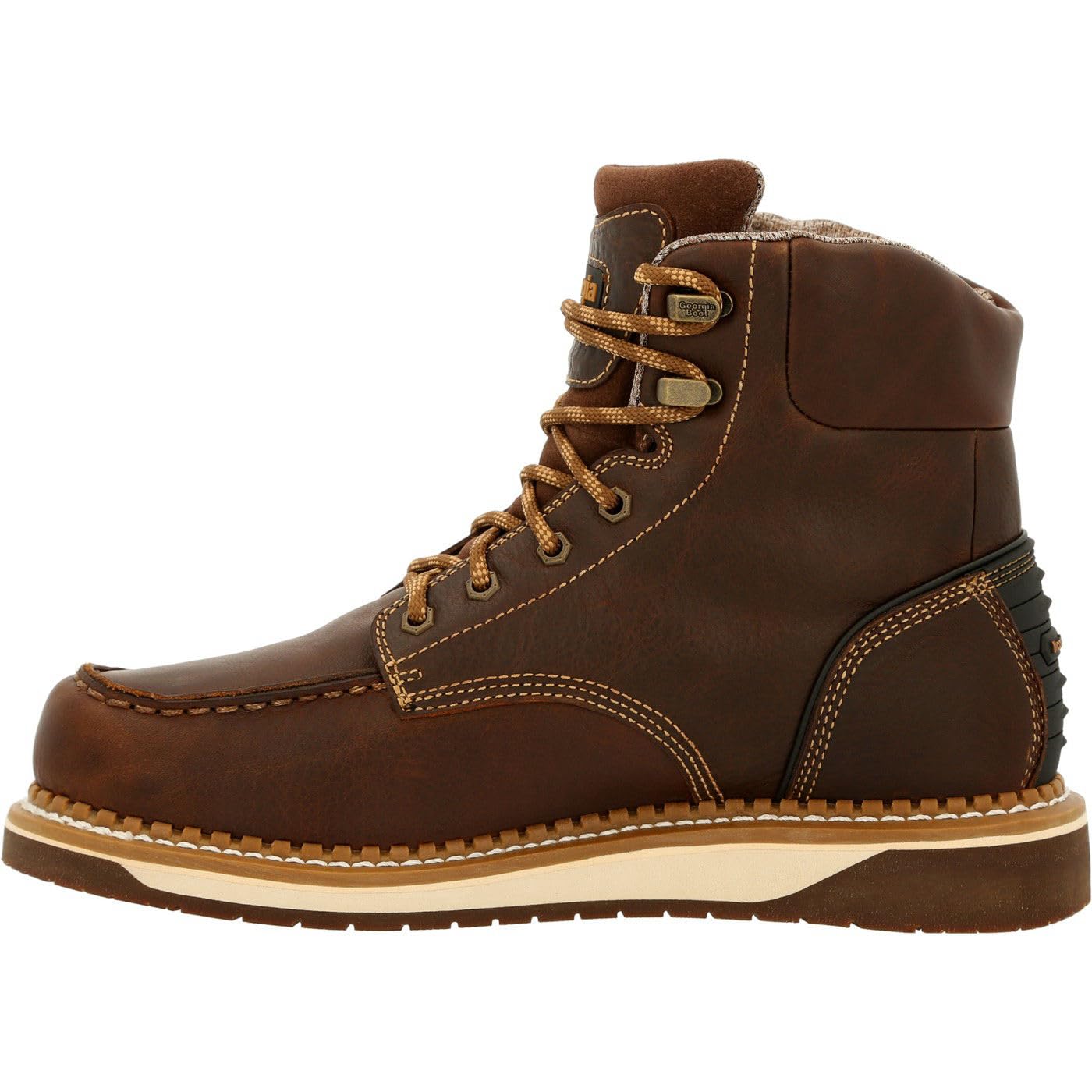


Types of Boots for Walking on Roofs Compared
Roof boots fall into three broad types. They differ mainly in sole shape, shaft height and weight, and each suits a different mix of surface, pitch and time up high.
Wedge Sole Work Boots for Shingle and Flat Roofs
A wedge sole is flat from heel to toe, so nearly the whole outsole touches the roof at once. That broad contact spreads your weight, grips asphalt shingles well and is less likely to tear granules. Most have a leather upper and a padded collar, and they cost about $90 to $180. Choose this type for low slope work and long days where steady footing matters more than nimble movement.
Soft Sole High Top Boots for Steeper Pitches
A high top boot rises about 6 to 8 inches and laces firmly around the ankle, while a softer outsole flexes so the forefoot can press into the slope. That flex helps on steeper pitches where only part of your foot meets the surface. The trade off is faster sole wear on rough shingles and less heel cushioning. Most models cost about $80 to $160. Choose this type for repair calls on varied pitches.
Lightweight Flexible Boots for Inspections and Short Jobs
A lightweight boot pairs a textile upper with a thin, flexible sole, so it feels closer to a sturdy shoe than to a work boot. You sense edges through the sole, which helps careful foot placement, and the low weight reduces leg fatigue on ladders. Support and toe protection are lower, though. Most models cost about $70 to $140. Choose this type for brief inspections and estimates rather than full workdays.
Key Features to Compare
Compare these factors in the same order for every boot. Grip comes first, because comfort helps little once a sole starts to slide.
Outsole Traction and Roof Surface
The outsole material matters as much as its pattern. Soft rubber compounds grip smooth and dusty surfaces better than hard rubber, while shallow tread with many small edges gives more contact than deep lugs, which reduce contact on a roof and can grind shingle granules loose. If you work mainly on metal panels, see our guide to the best shoes for walking on metal roof for surface specific grip notes. On shingle roofs, our guide to the best shoes for walking on roof shingles covers granule wear in more detail.
Arch Support for Hours Spent on Sloped Surfaces
Standing on a slope loads your feet unevenly, so arch support shapes both comfort and stability. Flat feet often do better with a firmer arch and a stable heel, since the foot rolls inward more on an angle. High arches usually need more midfoot cushioning to spread pressure. A moderate heel to toe drop of about 8 to 12 mm suits most roof workers, because a very flat sole strains the calf on a pitch while a tall heel pushes weight toward the toes.
Ankle Support, Shaft Height and Stability
A taller shaft and a firm heel counter limit sideways ankle movement when a foot lands on a ridge or an uneven deck edge. Lace the top eyelets snugly so the boot and ankle move as one unit. Boots alone do not keep you safe on a roof, though. Always use proper fall protection where the job requires it, and stop work and get down at once if you feel dizzy, faint or unsteady. Talk with a roofing safety professional about harness setup for your site, and talk with your clinician if foot or ankle pain keeps returning.
Fit, Sizing and Toe Box on a Slope
Fit changes on a pitch because your foot slides forward as you face downhill. Try boots late in the day, wear your work socks, and check that your toes can spread without pressing the boot front. Your heel should stay seated when you walk down a ramp, a simple stand in test for slope work. Allow roughly a thumb width in front of your longest toe. A wide toe box helps balance, since pinched toes make footing corrections harder.
Keeping Feet Dry When Roofing in Wet Weather
A waterproof membrane such as Gore Tex keeps dew and light rain from soaking your socks, which protects grip because a wet foot moves inside the boot. The trade off is warmth, since a membrane boot is less breathable on hot summer roofs. If you often start early on damp roofs, waterproofing earns its cost. If most work is dry and warm, a breathable upper may serve you better. Membrane models add about $20 to $40 to the price of a similar plain boot.
How Roof Pitch and Surface Change Your Choice
Pitch decides how much of the sole can touch at once. That is why experienced roofers judge the best boots for walking on roofs on a slope, not on a shop floor. On a low slope a wedge sole gives calm, steady footing. As the pitch rises, weight shifts to the forefoot, flex matters more, and a stiff boot can lever you away from the surface. Test a new pair on a safe low slope before trusting it higher up.
Surface changes the choice again. Shingles reward soft compounds, metal panels punish any sole once dust or moisture sits on the finish, and tile can crack under a hard heel. For long standing days on hard flat ground, see our guide to the best boots for walking on concrete for cushioning ideas. For slick cold surfaces, our guide to the best boots walking on ice explains how soft compounds stay grippy in the cold.
Common Mistakes to Avoid
These errors are common and easy to prevent.
- Choosing deep lugged soles for roof work reduces sole contact and tears shingle granules loose under your weight.
- Wearing stiff new boots on a steep roof for the first time leaves you with sore feet and uncertain footing.
- Buying a size too large lets your foot slide forward on descents and bruises your toes against the boot front.
- Trusting boots alone without fall protection leaves you exposed if a sole slips on dust, dew or loose grit.
- Ignoring worn tread means a once grippy sole can skate on metal or smooth shingles without warning.
- Picking a heavy boot for short inspections adds leg fatigue and slows careful foot placement on ladders.
How to Make Your Boot Last Longer
Brush shingle grit from the outsole after each job, since trapped granules grind the rubber and dull its grip. Wash mud off with plain water and let wet boots air dry away from direct heat, because hot air cracks leather and weakens sole glue. Rotate two pairs if you work daily.
Condition leather uppers when they look dry, check laces for wear, and store boots upright out of direct sun. Inspect the forefoot tread often, since it wears first. Retire a pair from roof duty once the tread feels smooth under your thumb.
Frequently Asked Questions
What features matter most in boots for walking on roofs?
Grip matters most, followed by heel lock and a sole that flexes with the pitch. One point buyers miss is sole age, since rubber hardens in storage and an old pair can grip poorly despite deep tread. Flex the sole by hand before a first climb.
How long is the break in period for boots for walking on roofs?
Most roof boots need about one to two weeks of ground wear before they feel ready for pitched work. Wear them for errands and yard work first. A sign of readiness is bending at the forefoot without heel lift inside the boot. If a hot spot appears twice in the same place, adjust lacing or socks before blaming the size.
How often should you replace boots for walking on roofs?
Replace roof boots when the forefoot tread is smooth, the midsole feels packed flat or the upper splits near the flex point. For full time roofers that often means about 8 to 14 months. Press a thumbnail into the midsole foam to check. If it feels hard and returns slowly, cushioning has faded.
Do you need waterproof boots for walking on roofs?
You need waterproof boots only if you often work through dew, damp mornings or light rain. One extra point is drying time, since a membrane boot soaked inside can take a full day to dry. Carry spare socks on wet jobs, because dry socks restore grip once your foot starts sliding.
Are expensive boots for walking on roofs worth the cost?
Expensive roof boots are worth it when the extra cost buys a softer sole compound, a resoleable build or a last that fits your foot shape well. Price alone proves little, though. A costlier boot with deep lugs still suits roofs poorly. Spend first on grip and fit, then on durability.
How should boots for walking on roofs fit?
Boots for walking on roofs should feel snug at the heel and midfoot, with free space for your toes to spread. Try a heel lock loop using the top extra eyelet, which pulls the heel back without crushing the toes. Retie after the first hour, since laces settle as the upper flexes.
The Bottom Line
Match the sole to your surface first, then check heel lock, ankle support and weight. Wedge soles suit low slope shingle work, softer high tops suit steeper pitches, and light flexible boots suit short inspections. Use the product table above to compare those points.
When you judge best boots for walking on roofs by grip, fit and surface rather than by price, the right type usually stands out. Buy the simplest boot that meets those needs and break it in on the ground first.


