
Best Boots for Beginner Snowboarder in 2026: Types Compared and How to Choose
Disclosure: We may earn a commission when you buy through links on this page, at no extra cost to you. As an Amazon Associate I earn from qualifying purchases. Learn more

Compare beginner snowboard boots by flex, fit and lacing, with sizing checks, warmth tips and care advice to choose well for your first season.
Choosing your first snowboard boots feels confusing because flex, lacing and sizing all use unfamiliar terms at once. The best boots for beginner snowboarder shoppers need are rarely the stiffest or the most expensive pair on the wall. They are forgiving, warm and easy to adjust while you learn to link turns. This guide compares the main types and features so you can read the comparison table below with clear priorities.
Think first about how you will actually ride. Most new riders spend their days on groomed runs, take lessons, fall often and walk through parking lots and lodge stairs. Your boots should support that pattern with all day comfort and a flex that tolerates uneven weight shifts.
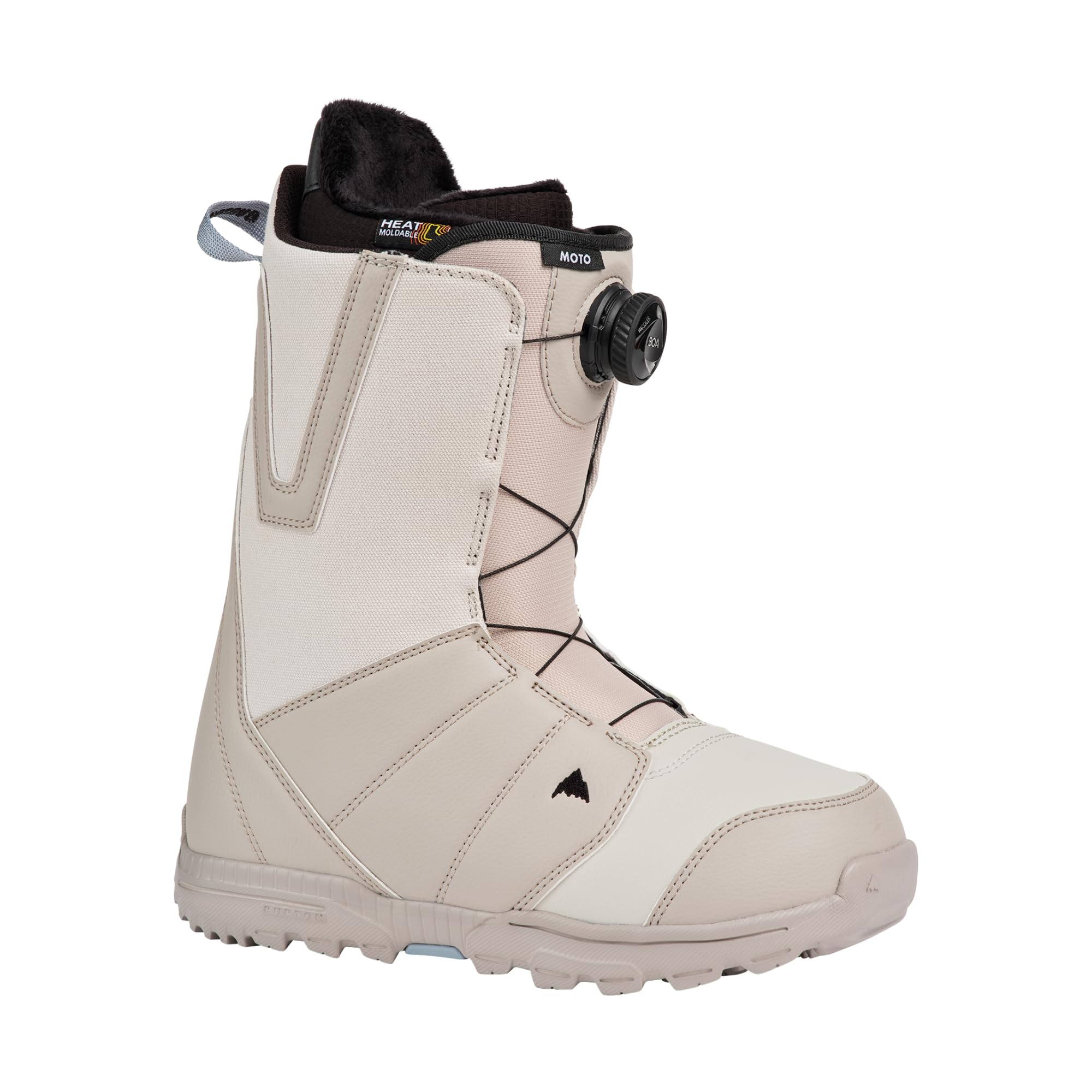
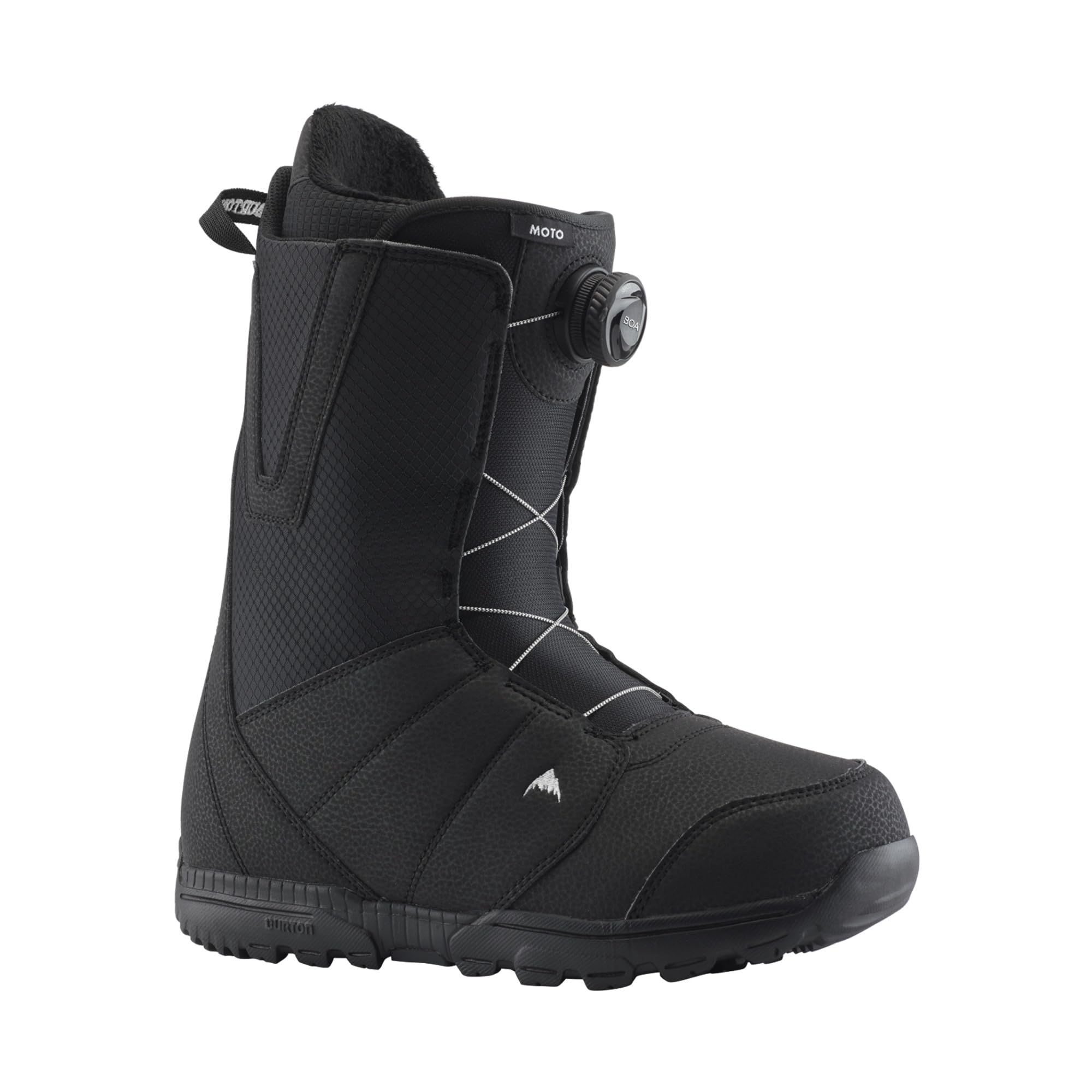


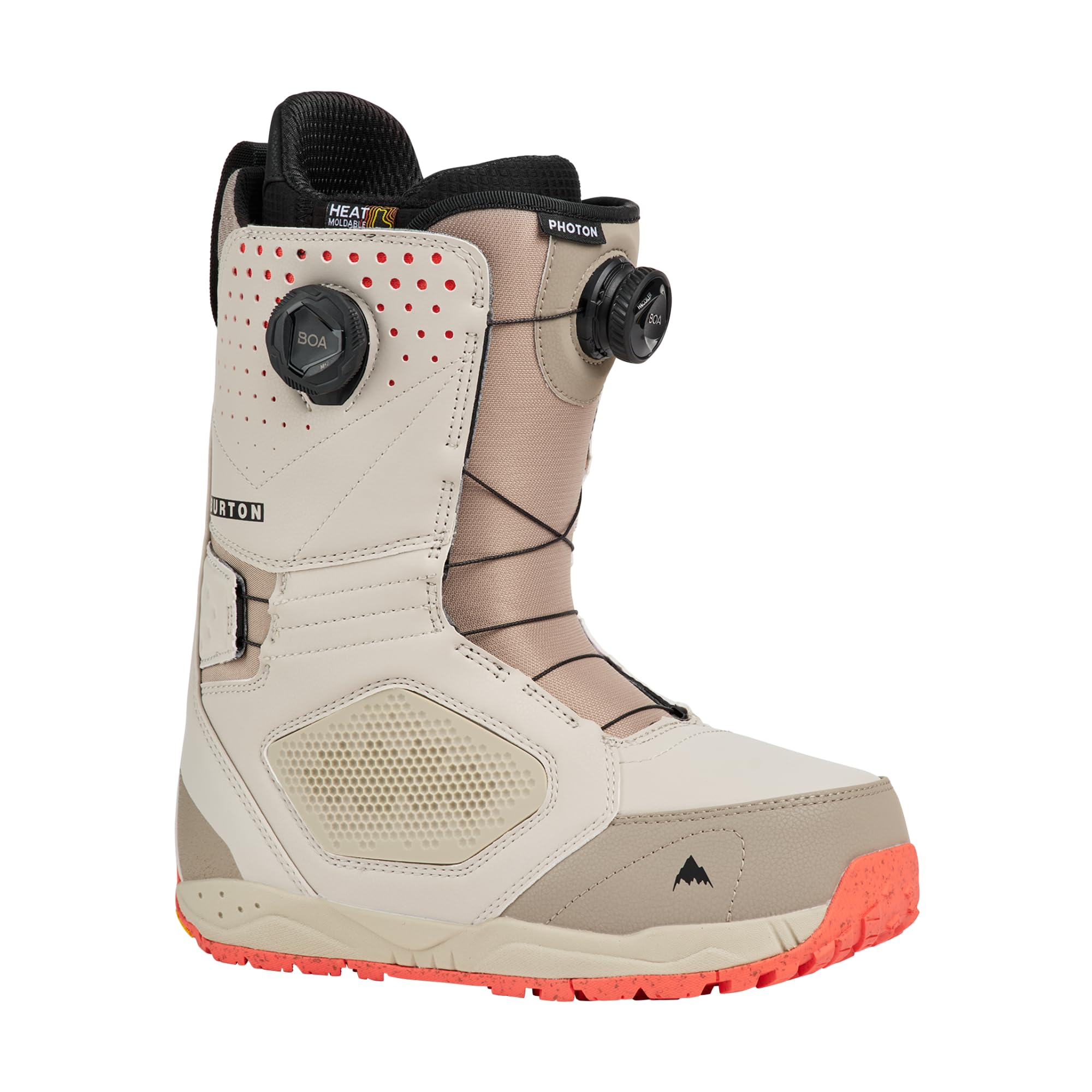

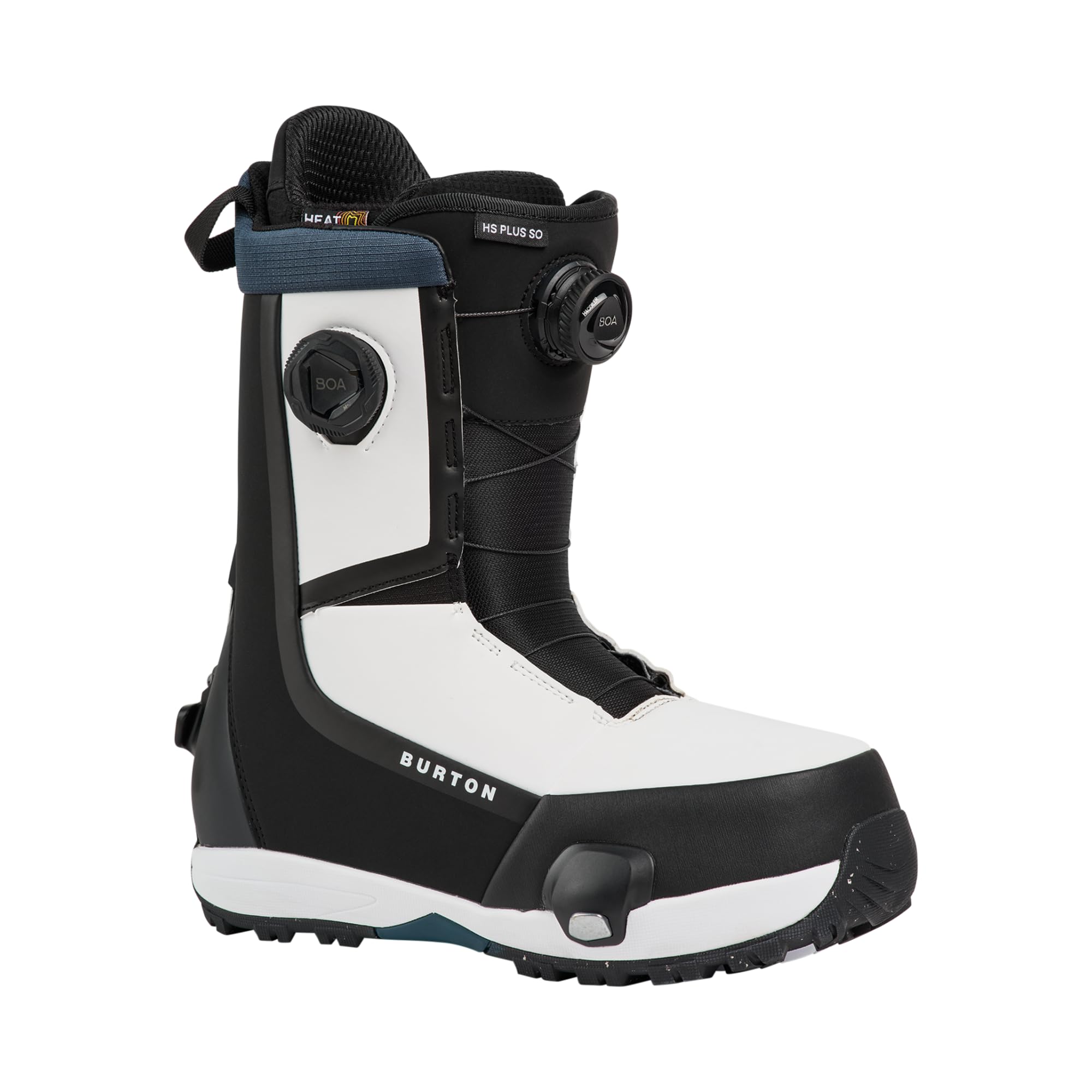

Types of Beginner Snowboard Boots Compared
Starter snowboard boots differ mainly in how they close and how much support they give. The three types below cover most options.
Traditional Lace Boots With Soft Flex
Traditional lace boots close like sturdy winter boots, with eyelets up the front and a separate inner liner lace. You can pull each section snug in the order you prefer, and replacement laces cost little. The trade off is time, because tying well takes a minute or two with cold fingers. Choose this type if you want the lowest price, usually about $150 to $220.
Single Dial Closure Boots for Quick Adjustments
A single dial system tightens a cable across the whole boot when you turn one knob, and it releases with a quick pull. That speed helps beginners who loosen boots on the lift or at lunch and retighten them often. Tension is shared, so the ankle cannot be made much tighter than the forefoot. Choose this type if ease matters most, at about $180 to $280.
Dual Zone Speed Lace Boots for Separate Control
Dual zone systems split the boot into lower and upper sections, each with its own lace pull or dial. You can keep the forefoot relaxed while locking the cuff firmly around your shin, which suits riders whose feet ache when the front is crushed. The extra hardware adds cost and one step to learn. Choose this type if you will ride often and want to refine fit as your turns improve.
Who Should Buy Which Beginner Snowboard Boots
Your lesson plans, foot shape and riding frequency point to different types, so match the group below that sounds most like you.
Lesson Takers on Groomed Resort Runs
You need forgiveness more than response. A soft flex lace or single dial boot lets you shift weight without punishing every small error, and keeps ankles comfortable during slow drills. If you rent a board at first, owning boots still gives you the same fit each lesson.
New Riders Who Want Easy Entry and Comfort
You will put boots on and take them off in busy lodges, often while seated and wearing gloves. A dial closure saves effort and removes loose lace ends that catch on bindings. Prioritize a plush liner and room around the toes, because comfort keeps new riders practicing past the first tiring hour.
Beginners With Wide Feet or Cold Toes
Look for wide fit options, dual zone control and liners with more insulation around the forefoot. Separate lower control prevents the tight squeeze that cuts circulation and makes toes feel colder. If one foot is larger, fit the boot to that foot first. A painfully tight boot rarely stretches enough in width.
Key Features to Compare
Many shops group the best boots for beginner snowboarder options by flex first, and that order helps because flex shapes how every other feature feels. Compare the factors below in sequence.
Flex Rating and Forgiveness for Learning Turns
Flex describes how much a boot resists bending, usually rated from 1 soft to 10 stiff. Beginners learn best in about 2 to 5, where the boot bends as you press your shins and lets you correct balance without a sudden edge catch. Stiffer boots demand cleaner technique and tire calves sooner. If you are heavier or ride many days, choose the middle of that range.
Mondo Sizing and Toe Room in Your First Boots
Snowboard boots size by mondo length, the length of your foot in centimeters, and brands convert that number differently to US sizes. Standing straight, your toes should lightly brush the front, then pull back as you bend your knees into riding stance. The toe box needs height as well as length, because downward pressure on toenails grows painful on toe side turns. Fit boots with the socks you will ride in.
Heel Hold, Ankle Support, and Liner Cushioning
Heel hold keeps your heel seated when you lean forward, and good hold comes from a liner shaped around the Achilles and ankle bones. When the heel lifts, your toes jam forward and steering feels vague. Most starter liners use soft foam that molds with body heat over several days, while heat moldable liners can be shaped in a shop in one visit. Cushioning underfoot also matters, because new riders absorb many falls through their feet.
Warmth, Waterproofing, and Breathability in Snow
Boots spend hours in snow, so outer materials should shed melt water and seams should keep dampness out of the liner. Cold toes usually trace back to poor circulation from an overtight forefoot rather than thin insulation alone. Breathability matters on mild days, when feet sweat in a sealed boot and then chill on the lift. A removable liner helps manage moisture across a trip.
Binding Fit, Sole Length, and Walking Traction
Your boot must sit securely in your binding, with straps closing near the middle of their adjustment range. Bulky boots have longer soles for the same foot size, and that extra length can cause toe or heel drag on narrow boards. Check sole length against your board width if you own one. Deeper tread walks better on ice and stairs.
How to Check Boot Fit Before Riding
Measure both feet late in the day, when they are largest, and use the longer measurement as your starting mondo size. Try boots in the afternoon for the same reason, and allow fifteen minutes in each pair so pressure points can appear. Wear one pair of snowboard socks.
Once boots are tightened, stand, bend your knees deeply and rock from heel edge to toe edge. Your heel should not lift clear of the footbed, and numbness should not appear after several minutes. If you are still comparing starter options, see our guide to the best beginner boots for a broader view of fit basics.
Common Mistakes to Avoid
Most beginner boot problems come from repeat errors at the buying stage.
- Buying stiff boots for future skill leaves you fatigued and catching edges while you learn basic turns.
- Sizing up for extra toe room lets your foot slide and causes blackened toenails on steep runs.
- Wearing two pairs of socks creates wrinkles and pressure spots that turn into blisters.
- Leaving boots loose for comfort lets your heel lift and makes every turn start late.
- Choosing boots that clash with your binding size forces straps to their limits and weakens hold.
- Judging fit in the first minute misses numbness that appears only after the liner settles.
Care and Maintenance for Beginner Snowboard Boots
After each day, loosen the closures, pull the liners out and let everything air dry at room temperature overnight. Keep boots away from heaters and fireplaces, because intense heat can warp liner foam and weaken adhesives. Newspaper in the toe helps draw out moisture on multi day trips.
Between trips, store boots lightly closed so the shell keeps its shape, in a dry place off cold floors. Brush dried mud from the tread, check cables and dials for fraying or grit, and inspect soles for worn patches.
Frequently Asked Questions
What makes beginner snowboard boots different from advanced snowboard boots?
Beginner snowboard boots differ mainly in response speed and tolerance for uneven technique. Advanced boots use stiffer shells that transmit small ankle movements straight to the board edge, which feels abrupt when your weight is often misplaced. Starter boots also cost less and use softer footbeds, so learning feels less punishing.
How long does the break in period last for new snowboard boots?
Most new snowboard boots break in over about three to five full days of riding. Liner foam compresses around your heel and ankle then, gaining a little internal room. Mild snugness usually resolves, while sharp pain at one point rarely does. Wear new boots at home before a trip to spot problems early.
When should a beginner snowboarder replace snowboard boots?
A beginner snowboarder should replace snowboard boots when the liner feels packed out and heel lift returns even with tight closures. Other signs include a shell that folds with little resistance and a sole worn smooth at the heel. Many riders get about 80 to 120 days from a starter pair, though teenagers may outgrow size sooner.
Can a beginner snowboarder use rental snowboard boots for a full season?
Yes, a beginner snowboarder can use rental boots for a full season, but fit will change from visit to visit. Rental liners are often packed out by earlier users, so support varies between pairs. Renting suits trial days or children in a growth spurt. Frequent riders usually learn faster in their own consistent pair.
Do beginner snowboard boots work with all snowboard bindings?
Most beginner snowboard boots work with most traditional strap bindings, provided the binding size range matches your boot size. Bindings come in small, medium and large ranges, and a boot near a boundary may need the next size up. Step on systems are the exception, because they require boots built for that connection.
Our Verdict
Start with flex, fit and closure, in that order, and use the product table above to narrow your shortlist. A soft to medium boot that holds your heel and closes easily with gloves will serve almost every first season goal.
Chosen that way, the best boots for beginner snowboarder pair becomes equipment you stop thinking about, which is exactly what learning needs. Spend your attention on lessons and snow conditions, and let well fitted boots do their work.


