
Best Boots for Whitetail Hunting: How to Choose for 2026
Disclosure: We may earn a commission when you buy through links on this page, at no extra cost to you. As an Amazon Associate I earn from qualifying purchases. Learn more

Insulation, quiet soles, scent control and fit decide the best boots for whitetail hunting, whether you sit a stand or still hunt.
Whitetail hunting is mostly about sitting still, moving quietly and staying comfortable long enough to see a deer on its own schedule. The best boots for whitetail hunting keep your feet warm in a stand at dawn, stay quiet on frozen leaves, and hold up when you walk in through wet fields and creek bottoms. Use the comparison table above to line up insulation, height and price once you know which type fits your hunt.
Start with how you actually hunt. A hunter who climbs into a tree stand before first light has very different needs from one who still hunts slowly through hardwoods, and both differ from someone who tracks a shot deer through swamp. The sections below match each style to boot type, then cover the features that matter most.
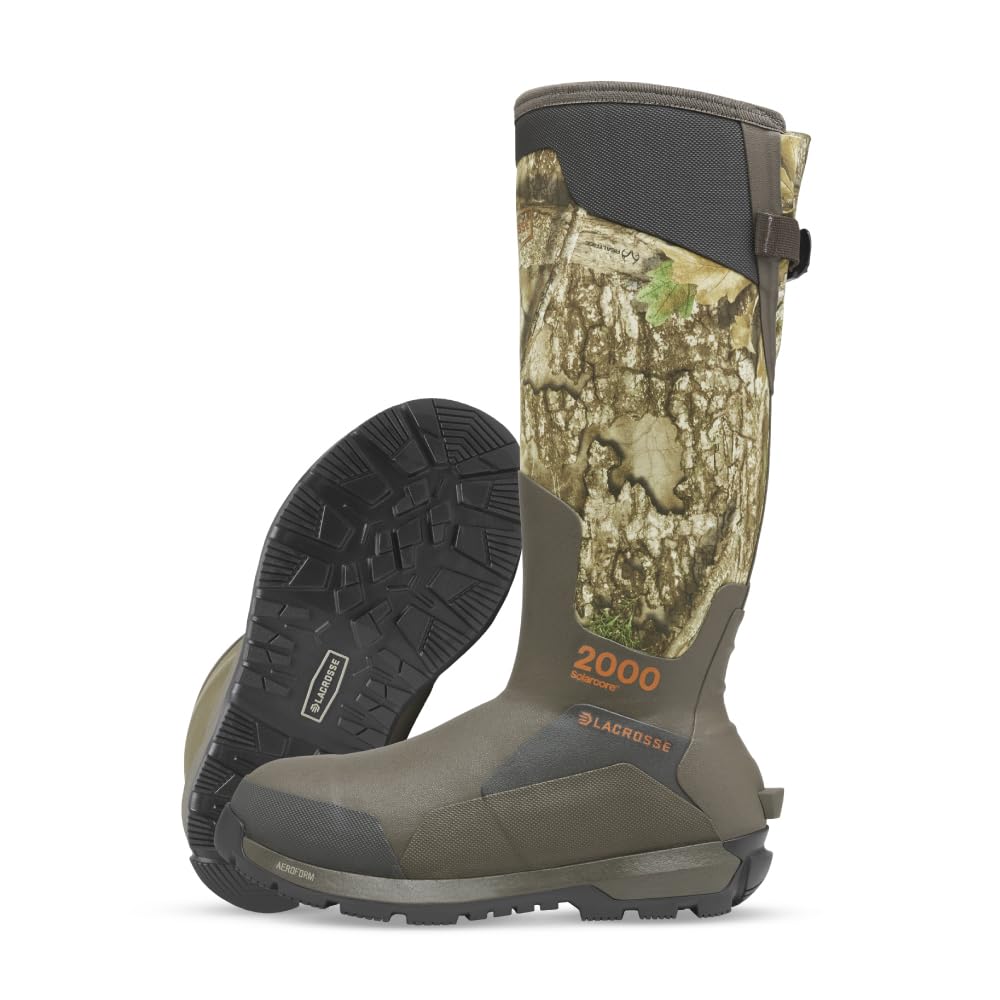
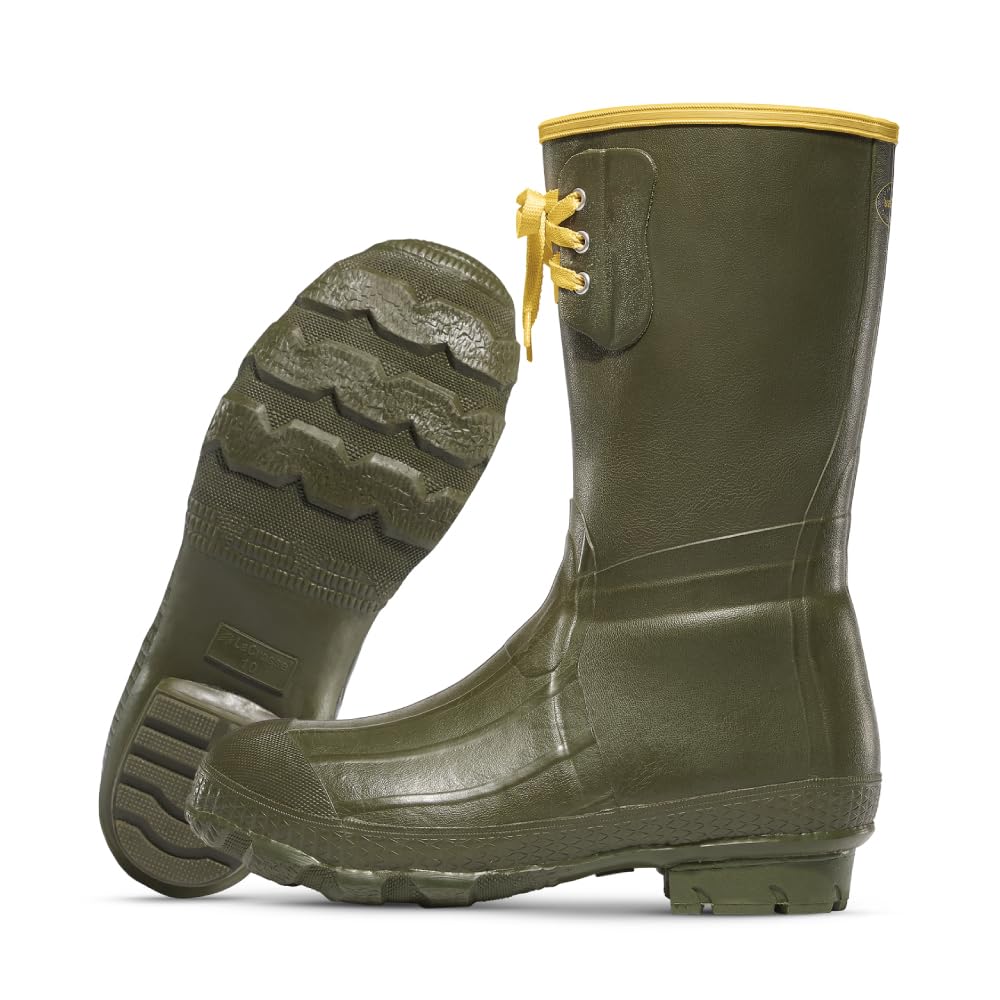

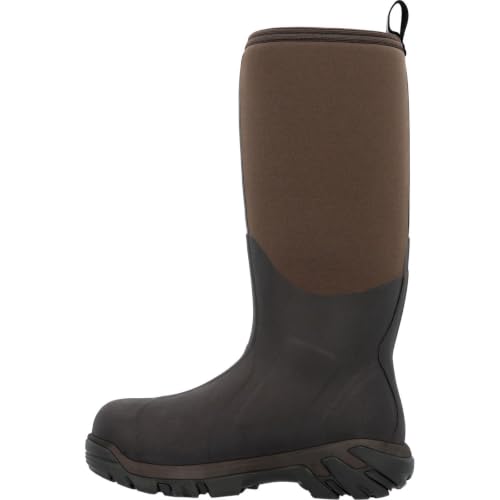
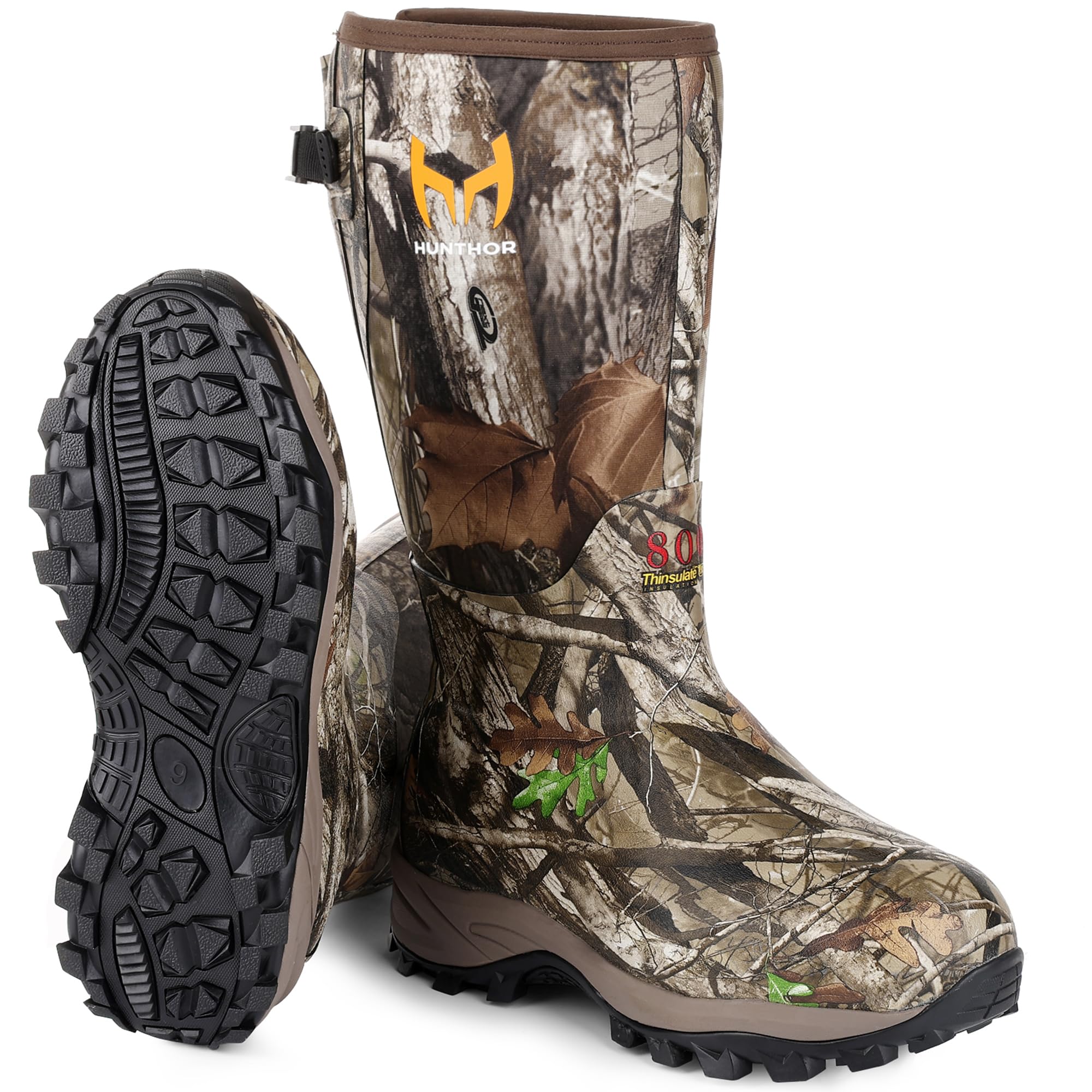



Who Needs Which Whitetail Boots?
Your stand style and your coldest morning decide most of the choice. Pick the group that sounds like your season.
Tree Stand and Ground Blind Hunters
You walk in, climb up and then barely move for hours. Warmth while standing or sitting matters far more than low weight, so choose heavier insulation, a thick sole that separates your feet from cold metal or frozen ground, and room for thick socks. Soles that grip a wet ladder rung or stand step are worth more than deep lugs, and a tall shaft keeps frost and dew off your socks on the walk in.
Still Hunters and Trackers on the Move
You cover ground slowly and step carefully, so a lighter boot with a flexible, quiet sole beats a heavy insulated pac. Moderate insulation of about 200 to 400 grams keeps you warm without overheating, and good ankle support helps on side slopes and deadfall. Rubber and soft leather are quieter in dry leaves than stiff, hard soled work boots.
Early Season and Warm Weather Hunters
September and October hunts can run warm, and a heavily insulated boot will leave your feet damp with sweat. Choose an uninsulated or lightly insulated boot with a breathable upper or a rubber boot with a neoprene lining that you can vent. Keep a second, warmer pair for late season, because one boot rarely fits both ends of the calendar.
Late Season Cold and Snow Hunters
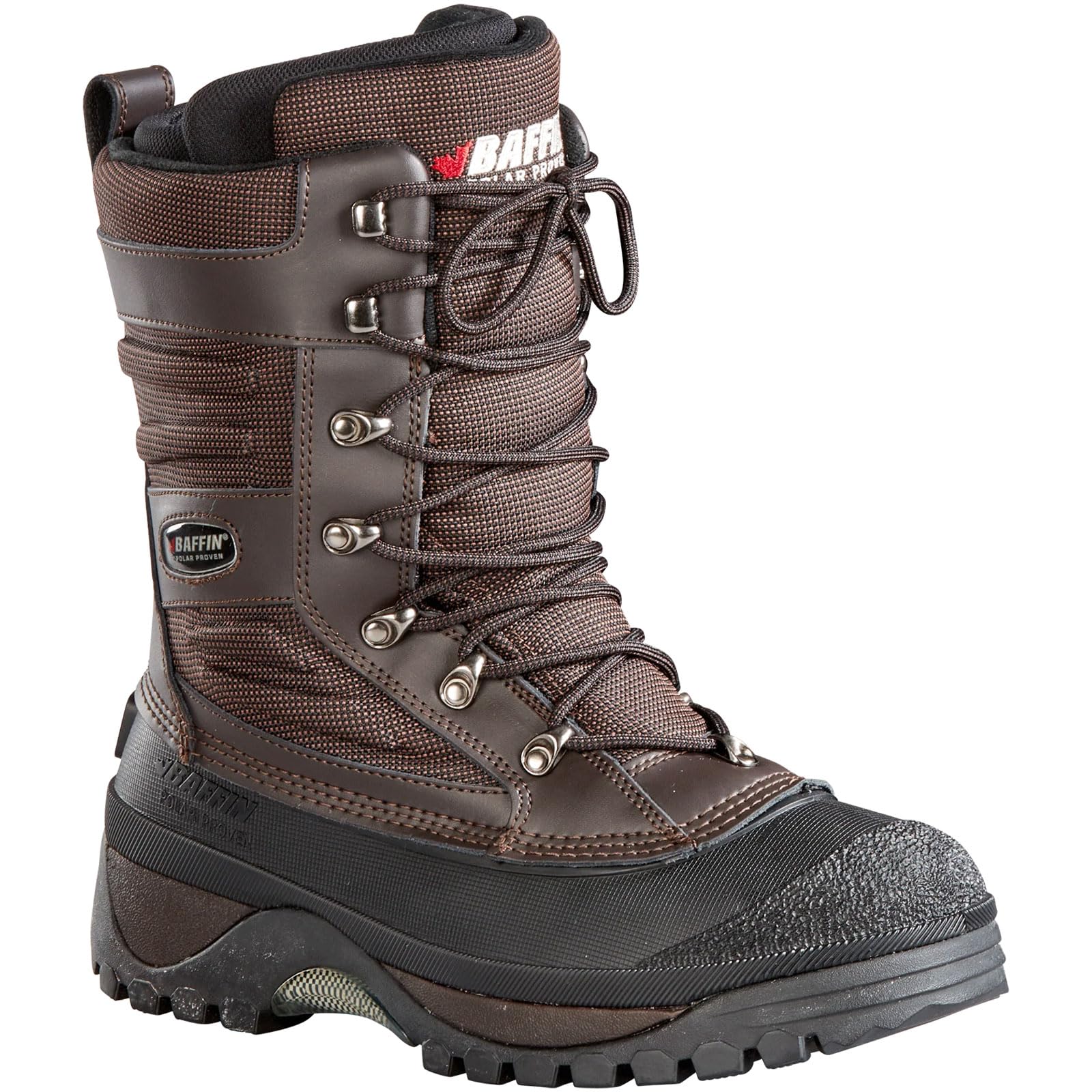
Frozen mornings in the rut or after the first snow call for 800 to 1,600 grams of insulation or a pac style boot with a removable liner. Pull the liner out at night so it dries completely before the next sit. If cold weather is your main concern, see our guide to the best hunting boots for a wider look at insulated styles.
Boot Types Compared for Whitetail Hunting
Four types cover almost every whitetail setup. Each trades warmth, quiet, scent control and walking comfort in a different way.
Insulated Rubber Boots
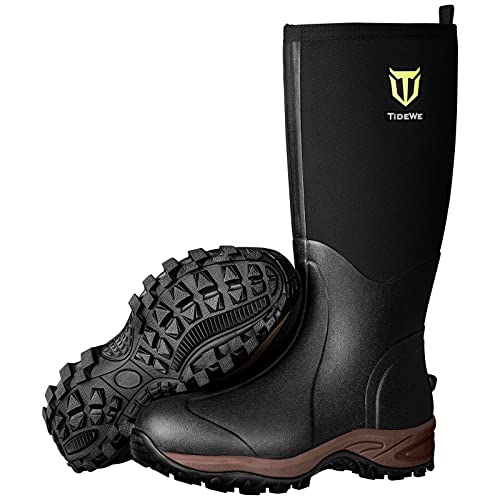
Rubber boots with a neoprene lining are the classic choice for hunters who want scent control and dry feet. The sealed rubber shell does not absorb odor the way leather can, it wipes clean after a hunt, and it shrugs off creek crossings and wet grass. The trade off is weaker ankle support and a warm, sometimes clammy feel on long walks. Prices commonly run about $100 to $270.
Insulated Leather and Fabric Boots
These lace up boots mix a waterproof membrane with insulation, and they give the best ankle support and walking comfort for longer trips in. They are quieter than stiff rubber on most surfaces, but they hold odor more than rubber and need drying after a wet day. Most cost about $120 to $300.
Pac Style Boots With Removable Liners
A rubber lower, a leather or nylon upper and a thick liner make pacs the warmest option for long, cold sits. They suit stand hunters who walk only a short distance, because the loose, warm fit feels clumsy over a long approach. Expect about $130 to $300.
Uninsulated Lace Up Hunting Boots
Light, breathable boots are the right call for warm weather, long walks and still hunting. They give up warmth, so pair them with good socks and bring a chemical warmer or an insulated insole for cold sits. For one brand focused look at a leather option, see our guide to the best Crispi boots for whitetail hunting.
Key Features of the Best Boots for Whitetail Hunting
When you compare the best boots for whitetail hunting, work down this list in order. A boot that fails on fit or warmth cannot be rescued by a good sole.
Insulation Weight Matched to Your Activity
Insulation is listed in grams. About 200 grams suits walking hunts in mild cold, 400 grams suits cool mornings with some walking, 800 grams suits long sits in real cold, and 1,200 grams or more suits stationary hunts in deep winter. Pick the weight for your stillest hour, not your busiest. Too much insulation on a long walk in makes you sweat, and damp socks chill fast once you stop.
Scent Control and Odor Resistance
Deer notice odor before they notice color, so material matters. Rubber and sealed synthetic uppers hold less scent than raw leather, and boots that you air out, store in a clean bag and put on after you reach the stand help more than any spray. Treat scent claims as a small help, not a guarantee, and keep your wind direction in mind.
Quiet Soles and Grip on Wet Ground
A soft rubber sole with moderately spaced lugs is quiet on dry leaves and still grips mud. Hard, stiff soles click on rock and crunch on frozen ground. Check the heel, because a defined heel edge helps on steep banks where deer trails often run, and a wide sole is steadier on a stand step.
Waterproofing, Shaft Height and Sealed Seams
A waterproof membrane or full rubber shell is worth it for wet fields, swamps and creek crossings. Shaft height of about 8 to 10 inches suits most walks, while taller 15 to 17 inch rubber boots keep out deeper water. Water that comes over the top defeats any membrane, so match height to the wettest ground you cross.
Fit, Sizing and Room for Thick Socks
Try boots late in the day with the exact socks you wear to the stand. You need a thumb width of space ahead of your longest toe and room to wiggle your toes, because a tight boot cuts circulation and makes you colder than a looser one. Heel hold matters on climbs, and you should be able to adjust the shaft or laces over thick pants.
Weight, Support and Break In
Heavier pacs add warmth but tire your legs on a long walk in. Rubber boots often feel flat and unsupportive, so look for a shaped footbed or add a cushioned insole. New leather boots need several short wears before a long hunt, and rubber boots benefit from a few walks to settle the fit around your calf.
Common Mistakes to Avoid
- Buying the warmest boot for a hunt that includes a long walk in, which leaves your socks damp and your feet colder at the stand.
- Choosing a boot on size alone without trying it on with thick socks, which cuts circulation and cools your toes.
- Wearing stiff, noisy soles for still hunting, which gives away your position on dry leaves and frozen ground.
- Storing wet boots in a sealed bag or truck, which traps odor and breaks down the liner early.
- Ignoring shaft height for creek crossings, which lets water pour in over the top.
- Skipping a break in period before opening day, which turns the first long hunt into blisters.
Care and Maintenance for Hunting Boots
After each hunt, remove the insoles and liners, loosen the laces and let the boots dry at room temperature with air moving around them. Heat from a stove or a vehicle heater can crack leather, soften glues and warp liners, so be patient. Brush off mud, wipe rubber with a damp cloth and keep scent products away from the boot if you want it as neutral as possible.
Check seams, lace hooks and tread each season, and replace worn insoles when they stop cushioning. Store boots upright in a clean, dry place with the shafts open. A pair that is dry, clean and odor free on opening morning is more comfortable and more useful in the field.
FAQ
What features matter most in boots for whitetail hunting?
Insulation matched to your activity, a quiet and grippy sole, and a fit that leaves room for thick socks matter most. Waterproofing and scent control come next, and weight only matters if your walk in is long. Decide your stand style first, then choose around it.
Are rubber boots or leather boots better for whitetail hunting?
Rubber boots are better for wet ground, scent control and easy cleaning, while leather boots are better for long walks and ankle support. Many hunters own both and choose by the day. If you only buy one, pick the one that matches the ground you cross most.
How much insulation do I need for whitetail hunting?
For sitting in cold weather, 800 grams or more is common, while walking hunts do better with 200 to 400 grams. Warm early season hunts need little or none. Match the number to the time you spend still, because activity creates heat and stillness loses it.
Should hunting boots be waterproof?
Yes for most whitetail hunters, since dew, frost melt, creek crossings and swamp edges soak a breathable boot quickly. The exception is hot, dry weather, where an uninsulated breathable boot feels better and dries faster. Whatever you choose, carry a spare pair of dry socks.
How long do whitetail hunting boots last?
With regular care, a good pair lasts several seasons. Replace them when the tread is smooth, the liner is flat or the boot leaks at the seams. If you hunt many days a year in wet country, expect to replace a rubber boot sooner than a well kept leather one.
Final Thoughts
Match the boot to your stand style, then check warmth, sole noise, waterproofing and fit in that order. A hunter who sits all day needs heavy insulation and room for thick socks, while one who walks and still hunts needs light, quiet and supportive. Use the product table above to compare height, insulation and price, and keep it simple: the best boots for whitetail hunting are the ones you stop thinking about once you settle in at first light.


