
Best Boots for Western Hunting in 2026: Which One Fits the Way You Use It?
Disclosure: We may earn a commission when you buy through links on this page, at no extra cost to you. As an Amazon Associate I earn from qualifying purchases. Learn more

Compare boots for western hunting by terrain, fit, support and waterproofing, with a checklist for steep country, long miles and changing weather.
Western hunting asks more of a boot than a flat trail or a short walk to a stand. You climb steep slopes, cross loose rock and sage, and cover long miles before you see game. The best boots for western hunting match that ground, your pack load and your season, and the comparison table below helps you weigh those trade offs.
No single style suits every western hunt. An early season desert hunt rewards light, breathable boots, while a late season elk hunt in snow rewards height, warmth and grip. Start with the country you hunt most, then match support, fit and weather protection to that use.
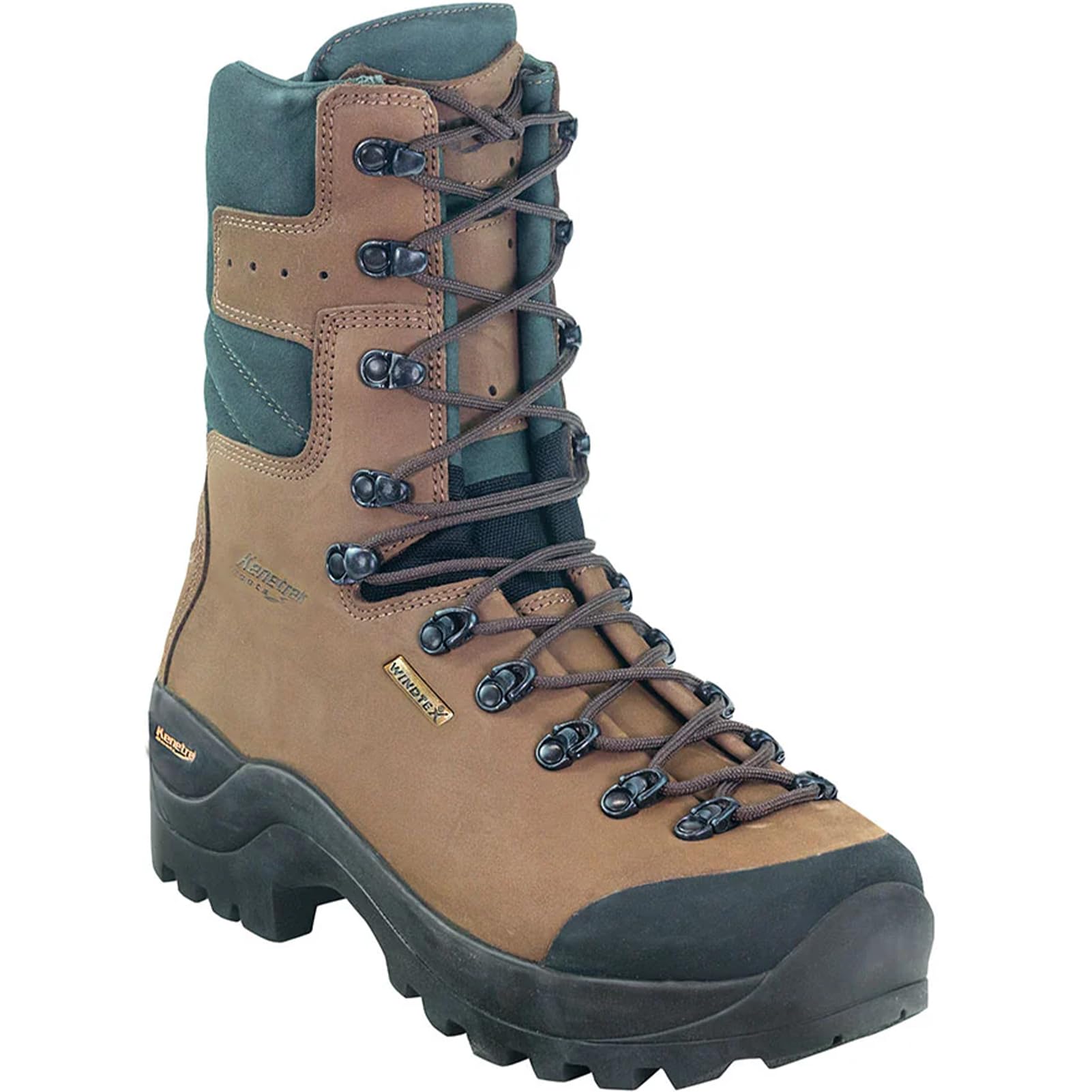
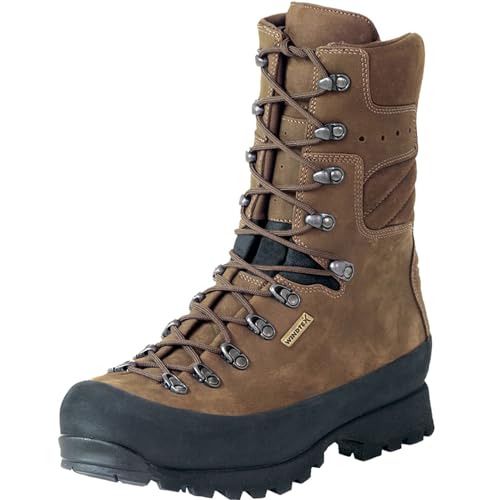


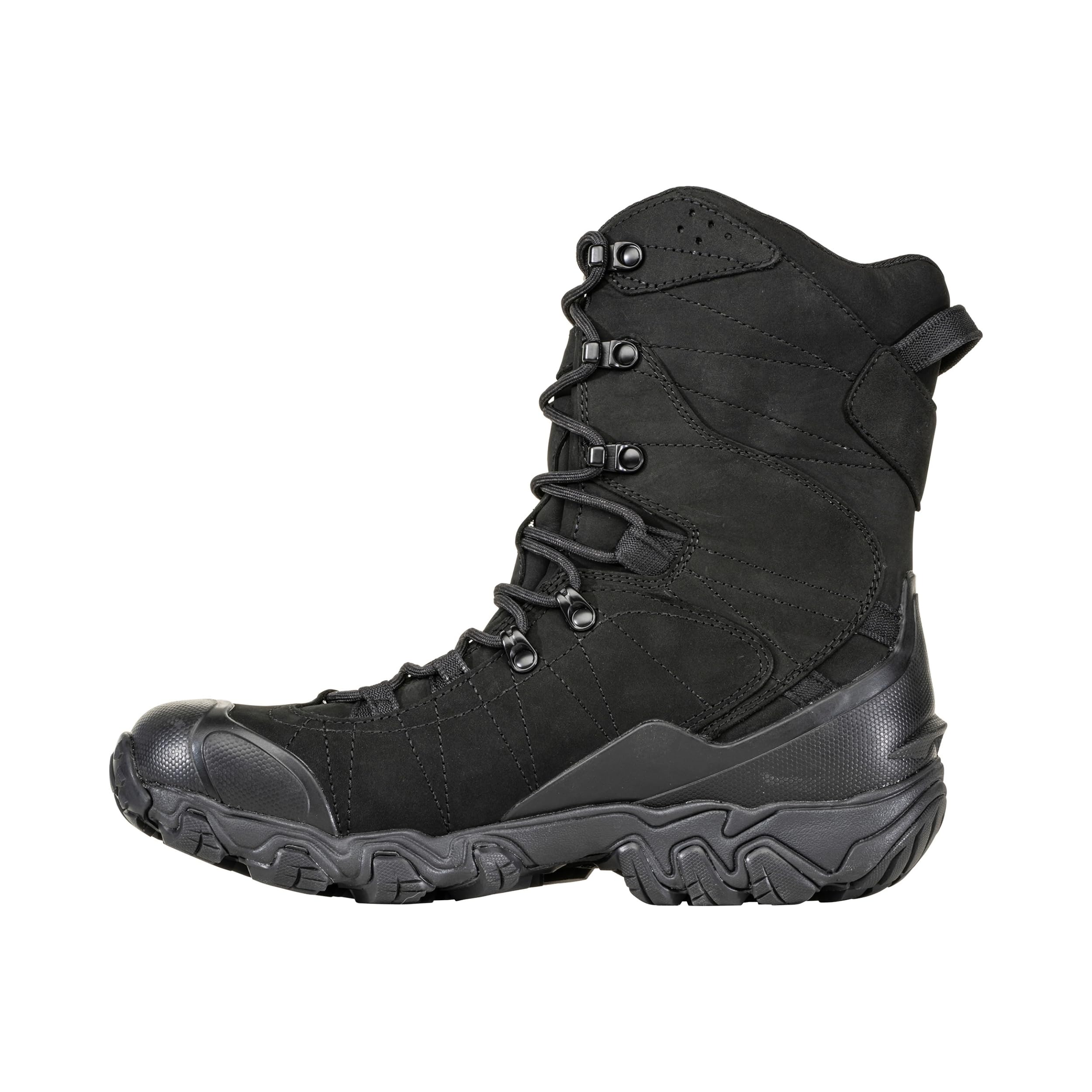

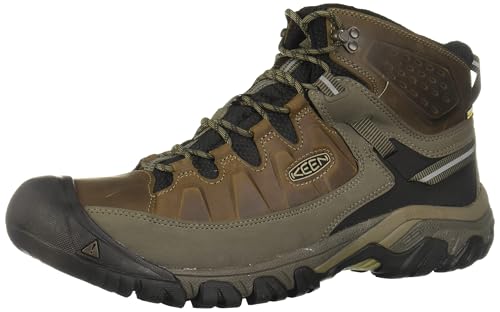
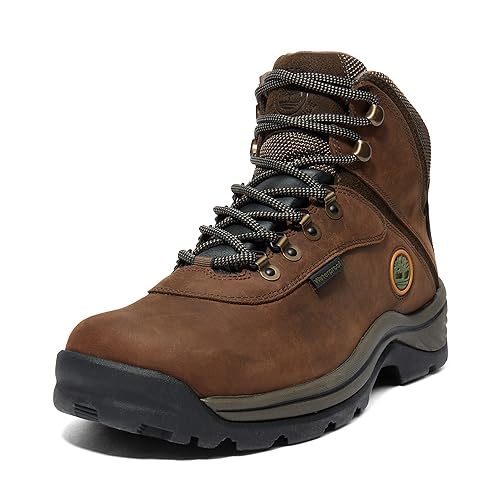
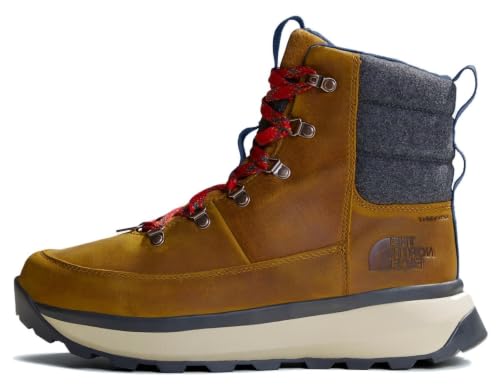
Who Should Buy Which Boots for Western Hunting?
Your season, terrain and pack weight should decide the boot, not a general label. Find the group closest to your hunt, then check its key features.
Weekend Hunters New to Western Country
You hunt a few days at a time on moderate slopes and return to camp each night. Choose a mid height boot with moderate stiffness, because it supports your ankles on uneven ground without feeling rigid on easy trails. Prioritize a forgiving fit, a proven waterproof membrane and a price around $150 to $250. A softer boot also breaks in faster before a short trip.
Frequent Hunters Who Cover Steep Ground All Season
You hunt many weekends, climb to glassing points before dawn and pack meat out over rough ground. Choose a taller, stiffer boot with a firm shank and strong ankle support, because side slopes and a loaded pack punish flexible footwear. Durability matters more at this level than a low price. Expect to pay about $250 to $400, and plan a longer break in before opening week.
Late Season Hunters Facing Snow and Cold
You hunt November ridges, frozen creek crossings and long sits behind glass in cold wind. Choose an insulated boot with about 400 to 800 grams of insulation, a tall shaft that keeps snow out and a sole that stays grippy on cold rock. Warmth only helps if your toes have room to move, so size these boots with your thickest hunting socks.
Key Features to Compare
Compare these factors in order, because fit and support decide comfort long before small extras do. When you compare best boots for western hunting, start with the ground under you and the load on your back, then narrow by weather and weight. If your hunts stay on flatter ground instead, see our guide to the best hunting boots for general hunting styles.
Shaft Height, Stiffness and Stability on Steep Ground
Shaft height and sole stiffness work together on western slopes. Boots about 8 to 10 inches tall brace your ankle when you traverse a side hill, while shorter boots feel nimbler on gentle ground but roll more easily on rock. A stiff shank spreads the load from sharp stones and supports a heavy pack on climbs. If you mostly walk rolling prairie or desert flats, a moderate build keeps each step less tiring.
Fit, Sizing and Toe Box for Long Descents
Fit decides whether a strong boot helps or hurts. Measure and try boots in the afternoon, when your feet are at their largest, and wear your hunting socks for the fitting. Your heel should stay locked when you walk downhill, while your toes need room to spread and must not strike the front on a steep descent. Too much volume lets your foot slide and blister, so most hunters size up by only half a size for thick socks and swelling.
Cushioning and Support for Long Miles in Steep Country
Cushioning absorbs repeated impact on hard, dry ground, and arch support keeps your foot from tiring under a pack. A heel to toe drop of about 8 to 12 mm suits most hunters, because it eases calf strain on climbs while still feeling stable on descents. Flat feet often do better with firmer arch support, while high arches often prefer more cushioning. Removable insoles let you adjust the feel, so test the stock insole under load first.
Waterproofing and Breathability for Changing Weather
A waterproof membrane keeps creek water and wet snow out, which matters when one crossing can soak a boot for the rest of the day. The trade off is heat, because membranes also slow the escape of sweat in warm, dry country. For early season desert hunts, many hunters choose a non waterproof boot that breathes and dries fast. For mixed weather or snow, choose the membrane and carry spare socks.
Outsole Grip, Upper Durability and Boot Weight
Deep, widely spaced lugs shed mud and bite into loose soil, while a harder rubber compound lasts longer on sharp rock but can feel slick on wet stone. Full grain leather uppers resist abrasion from brush and rock, while synthetic panels cut weight and dry faster but may wear sooner. Weight matters over distance, because a pair around 3 to 4 pounds feels very different after 10 miles than a pair near 5 pounds.
Choosing Boots by Western Terrain and Season
Think of western boots in three types. Uninsulated, lighter boots suit early season heat, dry basins and long spot and stalk days when breathability matters most. Mid weight waterproof boots are the versatile middle ground for most mountain hunts. Tall insulated boots suit late season cold and snow, where staying warm during long glassing sits matters as much as walking comfort.
Glassing shapes many western hunts, because you may sit still for an hour after a hard climb, and a boot that only feels good while walking can leave you cold at a sit. If your hunt is built around long glassing sessions, see our guide to the best binoculars for western hunting to pair your optics with your plan, and see our guide to the best rated binoculars for hunting if you are comparing glass across seasons.
Terrain should settle any tie between two styles. Sharp rock and heavy packs call for stiffer soles and tougher uppers, while sandy washes and sage flats reward lighter boots that dry quickly. Snow covered passes call for height and insulation even if the approach is easy. Let the hardest hour of your hunt make the final call.
Common Mistakes to Avoid
These errors cause most sore feet on western hunts.
- Buying by price alone leaves you with a flexible boot that folds under a heavy pack on steep ground.
- Choosing a low, light boot for high country lets your ankle roll on side hills and loose rock.
- Sizing boots with thin socks at home leaves no room for thick socks, swelling or steep descents.
- Ignoring break in and heading out on new boots turns the first long descent into blisters and lost hunting days.
- Picking heavy insulation for warm early season hunts makes your feet sweat, soften and blister faster.
Care and Maintenance for Western Hunting Boots
After a hunt, knock dried mud from the lugs, rinse the uppers with plain water and remove the insoles so air can reach inside. Air dry wet boots away from direct heat, because a hot stove can crack leather and weaken glues. Stuffing boots loosely with newspaper helps pull moisture from the toe area. Once dry, store boots upright in a cool, ventilated place.
Condition leather uppers when they look dry, using a product made for the leather type. Check laces, eyelets and sole edges before each trip, and replace worn laces at home rather than in camp. Rotating two pairs on a long camp based hunt lets each pair dry fully between days, which protects both the materials and your skin.
FAQ
What features matter most in boots for western hunting?
Support, fit and grip matter most in boots for western hunting. Western ground is steep and uneven, so a boot must brace your ankle, lock your heel and bite on loose surfaces before warmth or weight enter the choice. One point hunters miss is sole stiffness under a pack, because a boot that feels fine unloaded can flex and tire your feet once you add meat or gear.
Are expensive boots for western hunting worth the extra cost?
Expensive boots for western hunting are worth it if you hunt steep ground often or carry heavy loads. Higher prices usually buy stiffer support, tougher leather and soles that last more seasons. If you hunt two flat, easy days a year, that extra build brings little benefit. Spend first on fit, because an expensive boot in the wrong shape is still the wrong boot.
Can I wear boots for western hunting all day on a long hunt?
Yes, you can wear boots for western hunting all day once they are broken in and fitted with the right socks. Long days go better when you loosen laces for climbs and snug them before descents. Air your feet during a midday glassing break if you can, because even ten dry minutes can prevent the damp, soft skin that blisters late in the day.
How long is the break in period for boots for western hunting?
The break in period for boots for western hunting is usually about 20 to 50 miles of walking, spread over several outings. Stiffer mountain styles sit at the long end of that range, while softer boots settle sooner. Wear new boots on short hikes first and add distance and pack weight gradually. If a hot spot appears in the same place twice, adjust lacing or socks at home.
How often should I replace boots for western hunting?
Replace boots for western hunting when the lugs are worn smooth, the midsole feels flat and harsh, or the upper cracks and leaks despite care. For many hunters that point arrives after about 500 to 800 hard miles, though sharp rock shortens it. If you can twist the boot easily by hand, the support your ankles counted on is largely gone.
Final Thoughts
Match the boot to your hardest terrain, your season and your pack load, in that order. Get the fit right with hunting socks, choose support before small extras, and break the pair in before opening day. Use the product table above to compare height, weight, insulation and price.
When those basics are right, best boots for western hunting stops being a label and becomes a boot you forget about on the hunt.


