
Best Boots for Wide Feet Football: A Fit Guide for 2026
Disclosure: We may earn a commission when you buy through links on this page, at no extra cost to you. As an Amazon Associate I earn from qualifying purchases. Learn more

Wide feet need a roomy last, a secure heel and the right plate. This guide covers the best boots for wide feet football by fit, material and surface.
Football here means soccer, and wide feet make buying cleats harder than it looks. Many boots are cut slim through the forefoot, so a wide foot ends up pinched at the ball, rubbing along the little toe, or lifting at the heel after a size up. The best boots for wide feet football pair a roomy last with a secure heel and a stud plate that matches your pitch. Use the product table above to compare options once you know which fit points matter.
Start with your own measurements and the surface you play on most. Width, upper material and stud pattern work together, and a cleat that is perfect for one player on one pitch can be a poor choice for another. The sections below cover each decision in order.


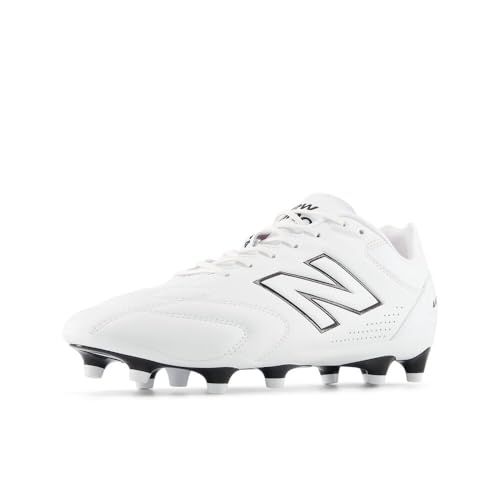

Who Needs Wide Fit Football Boots?
If you loosen the laces to ease pressure across the forefoot, feel a pinch at the outer edge of the foot, or find that cleats feel fine in length but tight in width, a wider fit is likely the missing piece. The groups below face this problem in different ways.
Players With Naturally Wide Forefeet
Your foot spreads under load, especially during sprints and cuts. You need a last that stays broad through the ball of the foot and a toe box that does not taper to a point. Look for a stated wide option or a brand known for generous lasts, and avoid pairs with stiff, narrow cages around the front.
Players With Flat or Low Arch Feet
Flat feet often spread wider as the arch lowers, and they can feel unstable in a thin plate. A removable insole and a firm midfoot help, and you can swap in a supportive insert if the cleat allows it. If foot pain is frequent, ask your doctor or a foot specialist before relying on footwear alone.
Growing Players and Occasional Players
Younger players change size and shape quickly, and occasional players often wear whatever they own. For both, a forgiving upper that stretches a little and a plate that suits the local pitch matter more than a premium price. Check fit again each season, because last year's pair may already be tight.
Boot Types Compared for Wide Feet
The upper material and plate decide how a cleat treats a wide foot. These are the main choices.
Leather Football Boots
Leather stretches and molds to the foot, which makes it the most forgiving material for wide feet. Kangaroo and calf leather soften over a few sessions and give a close touch, though they can absorb water and feel heavy in wet weather. Expect to pay more for premium leather, and plan a short break in.
Knit Football Boots
Knit uppers wrap the foot and give a little across the forefoot, which helps wide feet. They are light and comfortable out of the box, but they can feel loose at the heel if you size up for width. Look for a structured heel counter to keep the foot locked in.
Synthetic Football Boots
Synthetic uppers resist water and wear well, but they stretch less than leather, so the width you feel in the shop is the width you keep. They suit players who want durability and a lower price. Try them on carefully and test both feet.
Wide Fit and Turf Options
Some brands offer a true wide version, which changes the last rather than just the label. Turf and indoor cleats use flat or low profile soles, so the fit logic stays the same, but check the plate type before you buy. For a broader look at width, see our guide to the best boots for wide feet.
Key Features of the Best Boots for Wide Feet Football
Judge each cleat in the order below, because a pair that fails on fit cannot be saved by good looks or low weight. When you compare the best boots for wide feet football, bring the socks you play in.
Last Width and Toe Box Shape
A wide label means little if the toe box still tapers. Look for a rounded front, enough height over the toes and a forefoot that stays broad through the ball of the foot. Stand in the boot and check that your little toe does not press the side wall.
Heel Lock and Midfoot Hold
Wide feet often lead to sizing up, which leaves the heel loose. Choose a boot with a firm heel counter and lacing that lets you keep the midfoot snug while the forefoot stays free. If your heel lifts during a hard push off, adjust lacing before changing size.
Stud Plate and Playing Surface
Firm ground plates suit dry or lightly damp natural grass, soft ground plates suit wet, heavy fields, and artificial ground or turf plates suit synthetic pitches. Playing a firm ground cleat on turf wears it quickly and can strain the knees, so match the plate to the surface you use most.
Upper Material and Stretch
Leather and knit give more than synthetic, so they forgive a slightly tight fit. If you plan to buy synthetic, choose the width that feels right from day one. A cleat should never hurt in the store and will not fix itself with wear.
Weight, Touch and Durability
Light cleats feel quick but wear faster, and a thicker upper protects better but reduces touch. Most players do best with a balanced pair, and wide feet benefit from the stability of a slightly sturdier build. A season of regular play is a reasonable expectation for most pairs.
How to Measure and Test Fit
Measure both feet late in the day and trace the longer, wider foot on paper. Fit with match socks, stand up, and check about a thumb width ahead of your longest toe. Walk, jog on the spot and push off hard, then ask whether your toes spread freely, whether the widest part of your foot sits at the widest part of the boot, and whether the heel stays seated. If anything pinches, try a different last rather than hoping it stretches.
Common Mistakes to Avoid
- Sizing up in length for width, which leaves the heel slipping while the forefoot still pinches.
- Buying a slim cleat because it looks fast, then cutting the lacing to relieve pressure.
- Ignoring the plate type, which wears the sole and changes how the foot feels on a pitch.
- Trying boots on in the morning, when feet are at their smallest.
- Skipping a break in, which turns the first match into blisters.
Care and Maintenance
Knock mud off the plate after each session and wipe the upper with a damp cloth. Air dry wet cleats at room temperature, away from radiators and direct heat, because heat can crack leather and warp synthetics. Stuff the boots loosely with newspaper to absorb moisture, and loosen the laces fully before taking them off so the heel counter keeps its shape. Rotate two pairs if you train often, and replace studs or the whole boot when the plate wears down.
FAQ
What features matter most in boots for wide feet football?
Last width, toe box shape and heel hold matter most. After that, choose the upper material for stretch and the plate for your pitch. Fit comes first, because a cleat that pinches or slides will cost you more than a small difference in weight.
Should I size up in football boots for wide feet?
Usually no. Sizing up adds length and leaves the heel loose, so look for a wide fit or a roomier last at your normal length instead. If a boot only comes in standard width, a leather or knit upper will give more than synthetic.
Do leather or knit boots fit wide feet better?
Both give more than synthetic. Leather molds to the foot over time, while knit stretches right away. Choose leather if you want a classic touch and a custom feel, and knit if you want a light, comfortable fit with little break in.
How long should football boots last?
Many pairs last a season or more of regular play. Replace them when the plate wears down, the upper splits or the heel no longer holds your foot. Rotating two pairs and cleaning after play extends life.
Final Thoughts
Measure first, choose a last that stays broad through the forefoot, and match the plate to your pitch. Then compare materials, weight and price using the product table above. With those checks done, the best boots for wide feet football will let your toes spread, hold your heel and keep you comfortable from kickoff to the final whistle.


