
Best Boots for Barn Work: A Budget Guide to Fit, Traction, and Waterproofing for 2026
Disclosure: We may earn a commission when you buy through links on this page, at no extra cost to you. As an Amazon Associate I earn from qualifying purchases. Learn more

Choose the best boots for barn work with confidence using this budget guide to waterproofing, traction, toe box fit, arch support, and durability.
Barn work is hard on footwear in ways that a price tag alone never explains. You stand on wet concrete, cross muddy yards, handle bedding and feed, and rinse floors while manure and wash water attack seams and leather. Choosing the best boots for barn work means matching your budget to the conditions you face most days, not paying for extras you will never use.
This guide breaks down what each price tier usually delivers, which features earn their cost, and which ones you can skip. Use the comparison table below to scan your options, then read on for the fit and care details that decide how long a pair actually lasts.


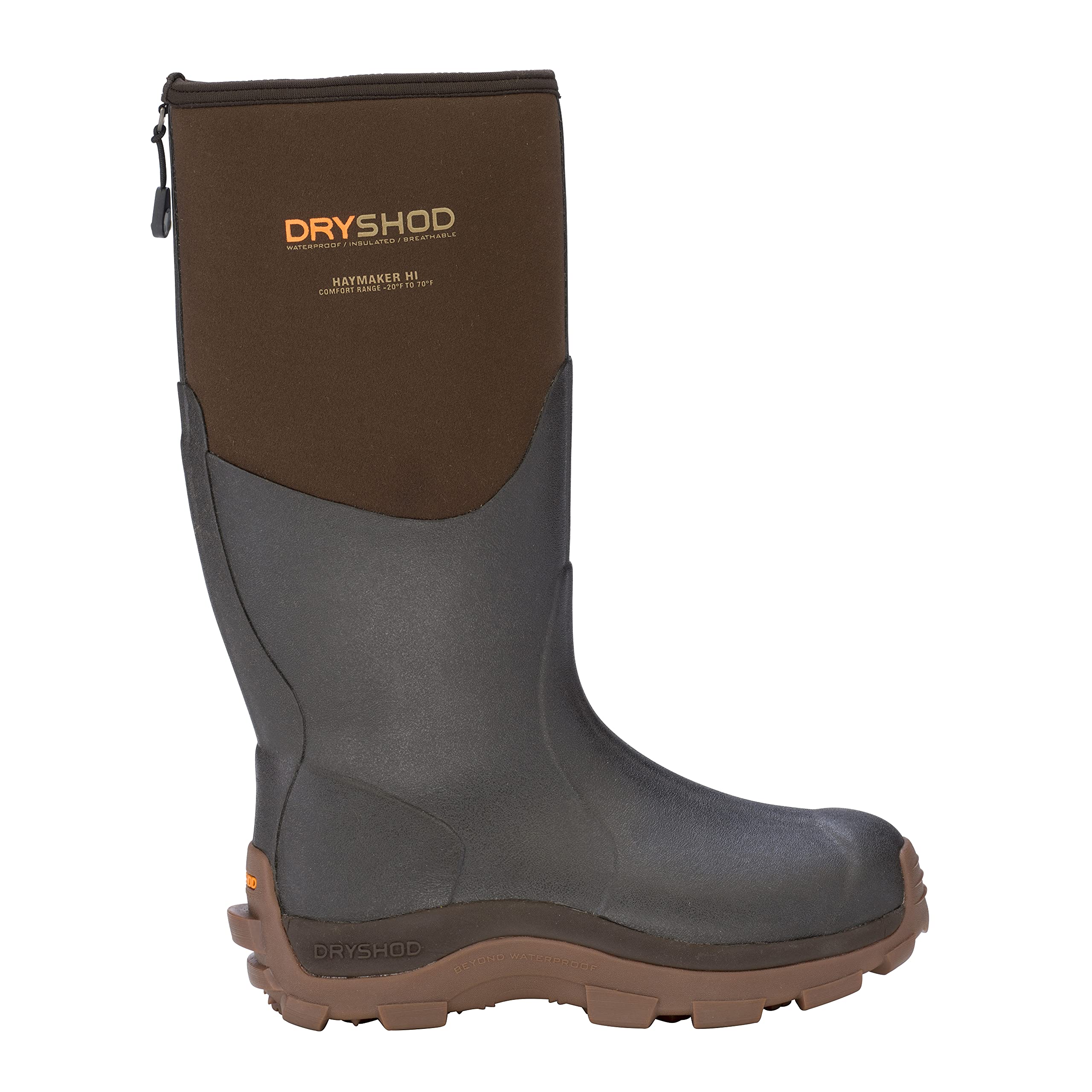
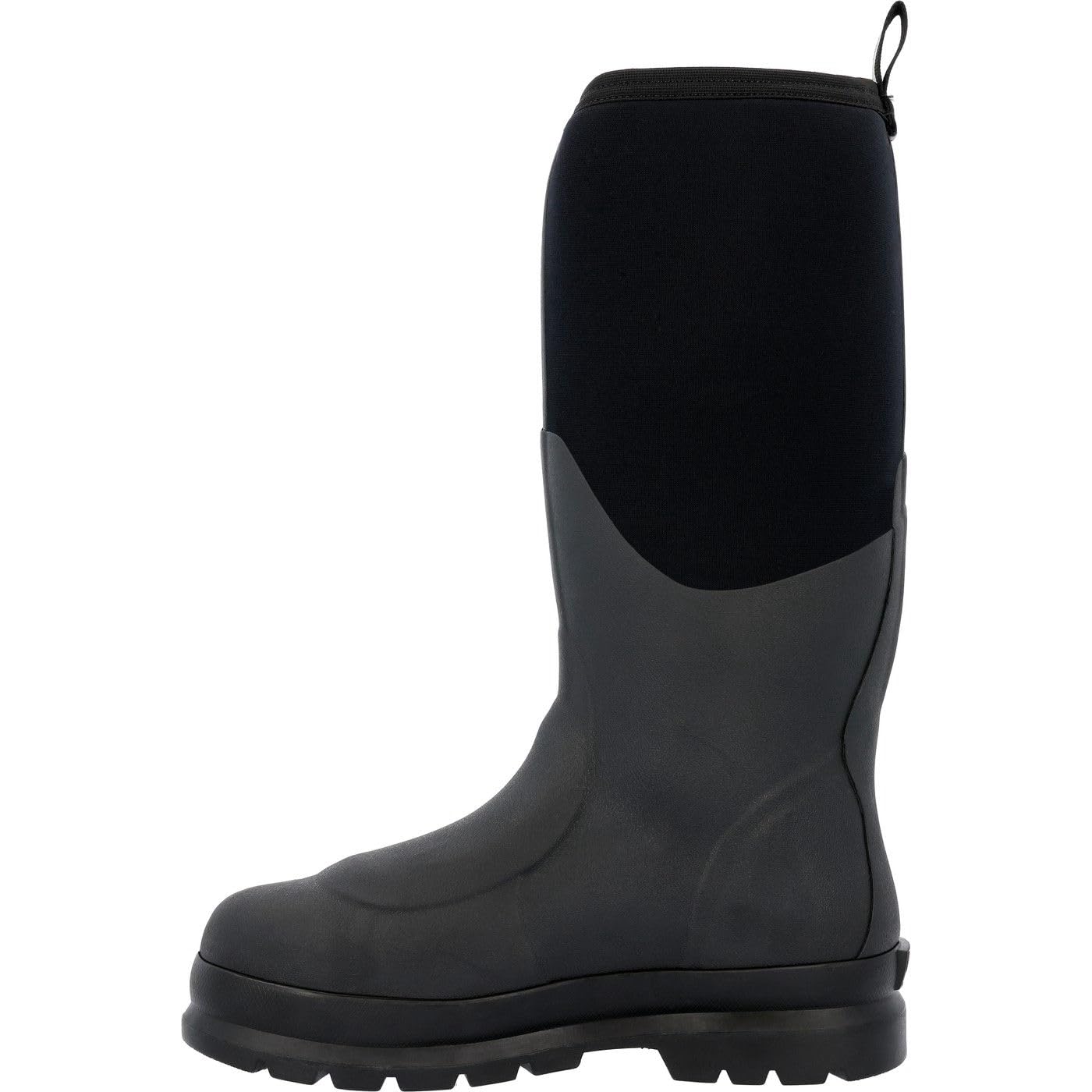
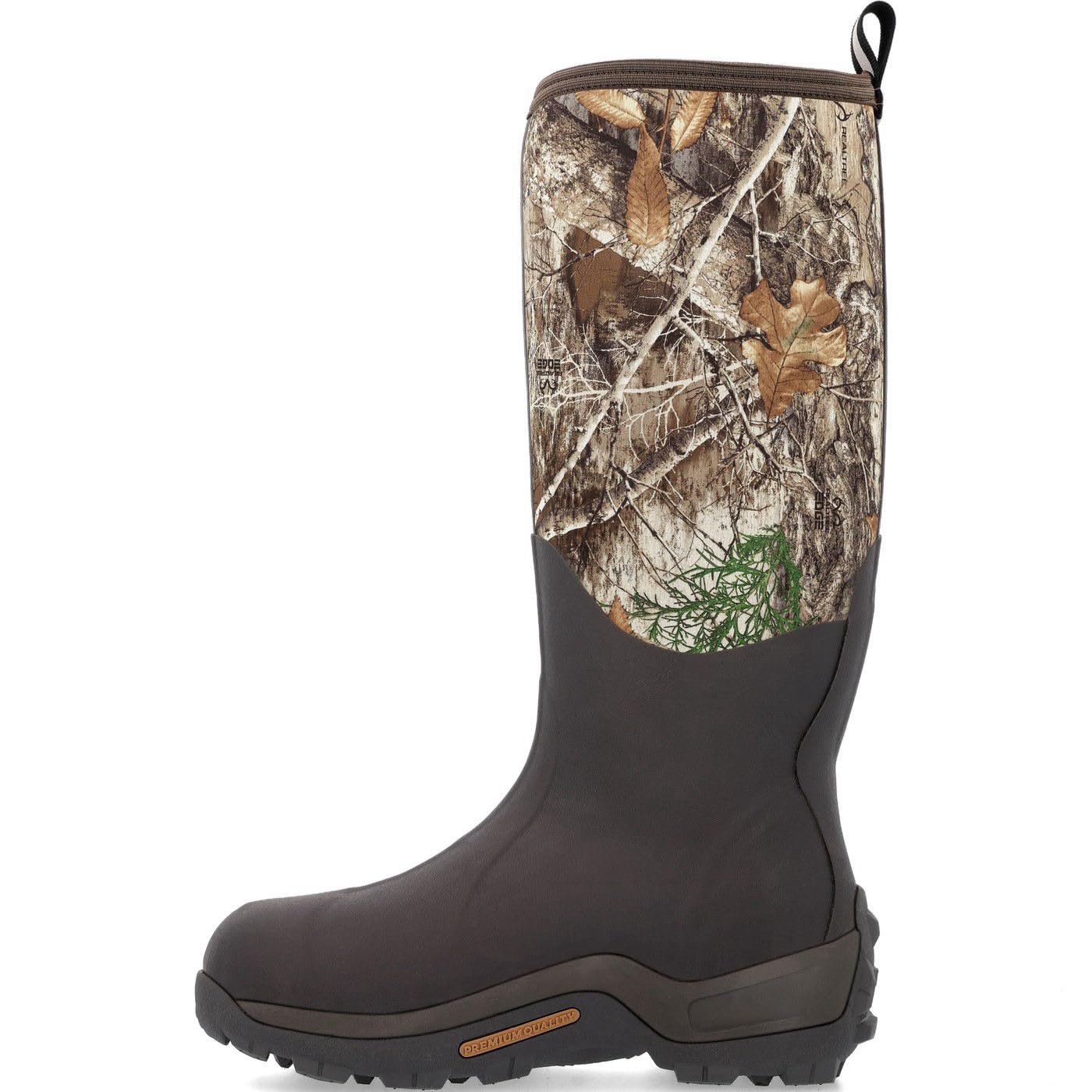


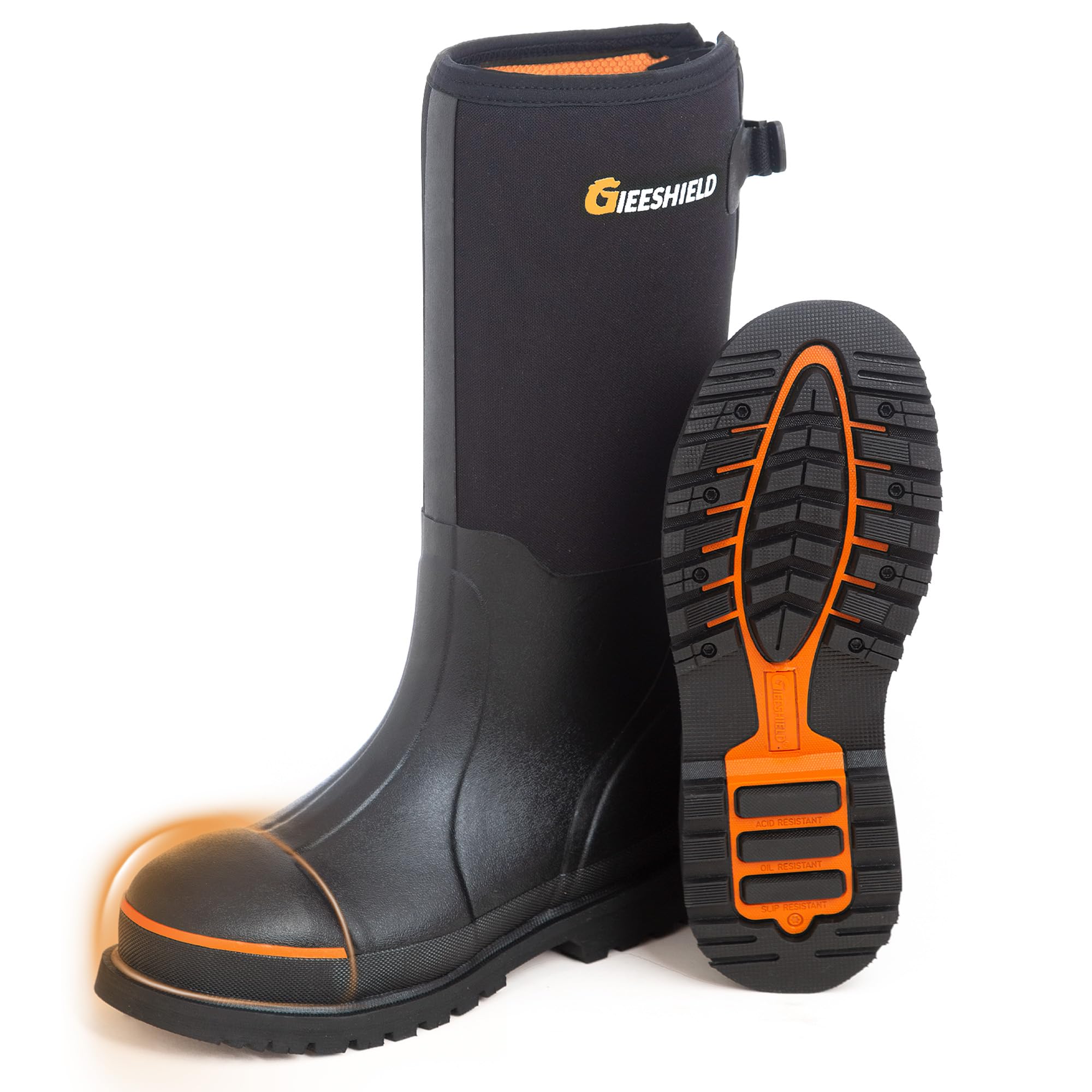
Who Should Buy Barn Work Boots at Each Budget Level
Part Time Helpers and Weekend Chore Crews
If you muck stalls, feed animals, or clean pens a few mornings a week, a budget pair can serve you well. Your main needs are a waterproof shaft, an outsole that grips wet concrete, and a shape you can hose off in seconds. Save the extra money for thick work socks and a spare pair of insoles instead.
Full Time Farm and Ranch Hands
When barn chores fill most of your day, the midrange tier usually fits your life best. Long hours on concrete punish your heels and arches, and daily mud exposure tests every seam. Look for stronger arch support, a cushioned midsole, and leather or rubber that tolerates constant rinsing. Many readers comparing options in this range also check our guide to the best work boots for general farm and shop use.
Workers Who Split Time Between Barn, Field, and Equipment
If your day moves from stalls to pastures to a tractor seat, you need a boot that handles all three without feeling clumsy. A taller shaft keeps hay and bedding out, while a defined heel helps on ladder rungs and pedals. Men who want a taller protective toe for equipment work may also want to see our guide to the best men's work boots alongside this one.
What Your Money Gets You at Each Price Tier
The product table above gives you a quick view of price spread, but price alone does not tell you what changes between tiers when you shop for the best boots for barn work. The sections below explain the typical trade offs in materials, support, and service life so you can spend where it counts.
Budget Tier: What to Expect
Budget barn boots often cost under $100 and lean on molded rubber or basic synthetic uppers. Waterproofing is usually strong at this level because a one piece rubber foot and shaft shed water well. The trade offs show up in cushioning, arch support, and breathability, since the inside tends to feel flat and warm.
Midrange Tier: Strong Value for Most Buyers
Midrange pairs, often about $100 to $180, add the upgrades daily wearers feel most. You get better shaped insoles, more supportive midsoles, sturdier stitching, and uppers that mix waterproof leather with rubber in high wear zones. Fit choices widen too, with more half sizes and wide options. For most full time barn workers, this tier balances comfort, durability, and cost per month of use better than either end of the range.
Premium Tier: What the Extra Money Buys
Premium barn boots, often about $180 to $280, pay for materials and construction rather than looks. Full grain waterproof leather, higher grade rubber compounds, and replaceable insoles all extend service life. The extra cost makes sense when you wear boots six or seven days a week and a failure mid season would cost you working days.
Features Worth Paying For and Ones to Skip
Outsole Traction and Terrain
The outsole decides whether you stay upright on a wet wash rack or a frosty yard. Deep lugs shed mud as you walk, while wide flat contact areas grip smooth concrete better. Look for a tread pattern with channels that push water and slurry away from the center of the foot. Very aggressive lugs meant for trails can skate on wet concrete, so a balanced pattern suits barn floors best. Oil resistant rubber is worth paying for if you also work around fuel and machinery.
Waterproofing and Materials for Barn Conditions
True waterproof boots matter more in a barn than in almost any other work setting. Standing water, wash downs, and liquid manure will find any gap in a membrane or seam within weeks. Rubber lowers with a sealed shaft give the most reliable protection, while waterproof leather needs its seams sealed and its surface maintained. Breathable linings help in warm barns, but even the best lining will not make a tall rubber boot feel cool in summer heat.
Fit, Sizing, and Toe Box
Fit decides whether a good boot feels good at hour eight. Measure your feet late in the day, when they are at their largest, and wear your normal work socks during any try on. A roomy toe box lets your toes spread on concrete and reduces rubbing when you crouch to work at ground level. Your heel should stay settled with little lift, and the widest part of your foot should meet the widest part of the boot without squeezing.
Arch Support, Cushioning, and Stability
Concrete barn floors return almost no energy, so cushioning under the heel and forefoot protects your joints across a long shift. Arch support should match your foot shape, with flat feet needing firmer support and high arches needing more padding under the midfoot. A modest heel to toe drop, often around 8 to 12 mm, suits most workers who mix standing and walking. If stock insoles feel thin, remember that the best inserts for work boots can upgrade a sound boot for far less than a new pair costs.
Durability and Expected Lifespan
Durability in barn boots is mostly about chemistry and seams. Ammonia in manure breaks down cheap glues and low grade leather faster than mud alone ever will. Stitched and cemented construction together usually outlasts glue alone. With daily use and basic care, a midrange pair often lasts one to two full seasons, while a budget rubber pair may need replacing sooner if the shaft cracks at the flex point.
How to Check Fit and Barn Compatibility Before You Buy
Before you order, confirm the shaft height against your work. A shaft around 12 to 16 inches keeps bedding, hay, and splashes out during most chores, while shorter boots feel cooler and lighter for dry summer work. Check whether you need a safety toe for horses, cattle, or equipment work at your barn, since rules and risks vary by operation. If you are still deciding between a pure rubber style and a leather hybrid, our guide to the best barn boots covers that style choice in more depth.
When the boots arrive, test them indoors first so a return stays easy. Walk on a hard floor, crouch, climb a step, and stand for several minutes to feel for heel lift or toe pressure. Wear the socks you will actually work in, because a thin sock can hide a fit problem that a thick winter sock will expose. Keep the tags on until the fit feels right at both the start and the end of the day.
Common Mistakes to Avoid
- Buying a fashion style boot with a smooth sole, because it will slip on wet concrete and packed manure.
- Choosing a size based on your shoe size alone, because thick socks and swelling feet can make that size pinch by midday.
- Paying extra for heavy insulation in a mild climate, because overheated feet sweat, blister, and wear out linings faster.
- Skipping a safety toe when you handle large animals or machinery, because one dropped gate or stepped hoof can end your season.
- Leaving wet boots beside a heater overnight, because harsh heat cracks leather and warps rubber over time.
- Judging a pair only by price, because the cheapest boot replaced twice costs more than a midrange pair that lasts.
Long Term Costs to Factor In
The purchase price is only part of what barn boots cost you. Budget for replacement insoles about once a season, leather conditioner if you choose leather uppers, and a second pair if you want a dry rotation during wet weeks. A boot that costs about $160 and lasts two seasons is cheaper per month than a pair at around $80 that fails in one season.
How to Make Your Barn Work Boots Last Longer
Rinse your boots with clean water after each shift so manure and urine do not sit on seams and leather. Ammonia and salts keep working while the boot sits, and a thirty second rinse removes most of that damage. Knock mud from the lugs before you store the pair, since packed mud holds moisture against the outsole and adds weight the next morning.
Dry boots at room temperature with the insoles removed and the shafts held open. Stuffing them loosely with newspaper helps pull moisture from the lining during the first hours. Keep them away from direct heat, and store them upright in a ventilated spot rather than in a closed trunk or bag. Standing water left inside a boot will sour the lining quickly, so tip out any rinse water fully before storing.
Condition leather uppers every few weeks if your pair has them, following the maker directions for that leather type. Check stitching, toe seams, and the flex point of the shaft each month, and repair small cracks early before they open into leaks.
Frequently Asked Questions About Barn Work Boots
What features matter most in boots for barn work?
Waterproof construction, a grippy outsole, and all day support matter most in boots for barn work. A sealed shaft keeps wash water and liquid manure out, while deep lugs and wide contact patches keep you steady on concrete and mud. One point many buyers miss is shaft opening width, since a very wide top lets hay and bedding fall inside all day. Measure your calf with work pants on before you pick a tall style.
Are expensive barn work boots worth the extra cost?
Expensive barn work boots are worth it when you work in them most days of the week. The extra money buys better leather or rubber, stronger seams, and support that still feels good in the second season. Part time users rarely wear a premium pair enough to recover the cost.
Can you wear barn work boots all day long?
Yes, you can wear barn work boots all day when the fit and support match your feet. Choose a roomy toe box, wear moisture managing socks, and take short breaks to sit when chores allow. If your heels ache by evening, the insole is usually the weak point rather than the boot itself. Swapping in a supportive insole after the first weeks is a normal adjustment, not a sign that you bought the wrong size.
How often should you replace barn work boots?
Replace barn work boots when waterproofing fails, the tread wears smooth, or the midsole feels flat and dead under your heel. Cracks at the shaft flex point and seams that leak after rinsing are clear end of life signs. Many daily wearers reach that point somewhere between one and three seasons depending on tier and care. Keep a note of your purchase month so you can plan a replacement before the busiest season starts.
Do you need waterproof boots for barn work?
Yes, you need waterproof boots for barn work in nearly every real barn routine. Wash downs, water buckets, mud, and animal waste mean your feet meet liquid many times a day, and water resistant treatments alone wear off fast. The one exception is fully dry work in a covered arena or feed room, where a breathable leather boot may feel better. Even then, a waterproof pair is the safer single purchase for mixed chores.
Final Thoughts
Start with your schedule and your floors, then let your budget follow. Daily wearers get the most value from midrange support and durable seams, while part time helpers can save with a simple rubber pair. Whichever tier you choose from the product table above, the best boots for barn work are the ones that keep you dry, steady, and comfortable through the last chore of the day.


