
Best Barn Boots for 2026: Every Type Explained Side by Side
Disclosure: We may earn a commission when you buy through links on this page, at no extra cost to you. As an Amazon Associate I earn from qualifying purchases. Learn more

Compare barn boot types side by side, from rubber muck boots to insulated leather, with notes on waterproofing, tread, fit, upkeep, and price.
Barn work asks one boot to handle mud, manure, wet concrete, and cold mornings, and the range of boot types built for that mix is wide enough to confuse anyone. This types guide walks through the best barn boots type by type, so you can match a build to your ground, your season, and your budget before you spend. Each type below is compared on waterproofing, tread, warmth, and upkeep, the four factors that decide whether a pair earns its place by the barn door.
The comparison table below previews the types side by side. The sections after it explain where each type wins, where it gives ground, and what it costs to keep in service.


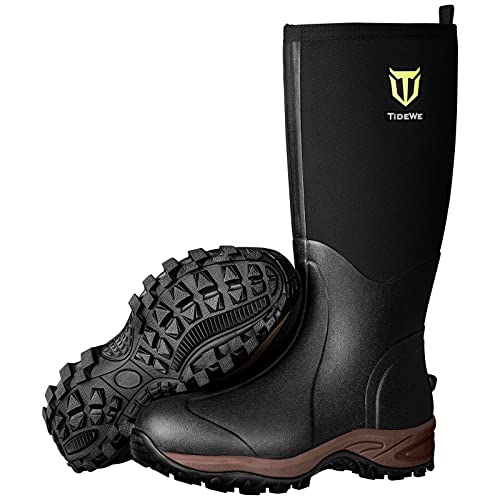


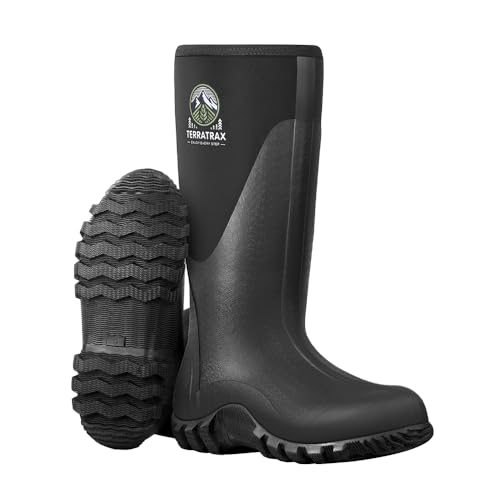
Types of Barn Boots Compared
One rule governs the whole category: muck decides the boot. Where stalls, wash racks, and muddy lanes keep ground wet and deep, a waterproof build with a tall shaft is what keeps feet dry, because muck climbs, splashes, and soaks through low openings. Drier barns forgive more, but the waterproof and height pairing is the honest starting point for anyone unsure which type to buy first.
| Type | Best For | Strengths | Trade offs | Typical Price |
| Rubber muck boots | Wet stalls and mud | Fully waterproof, fast cleanup | Warm in summer, loose fit | about $60 to $120 |
| Leather chore boots | Mixed dry and wet work | Support, durable uppers | Needs conditioning, slow to dry | about $90 to $180 |
| Insulated winter boots | Cold barns and snow | Warmth at low activity | Heavy, too warm indoors | about $100 to $200 |
| Lightweight barn boots | Dry seasons, quick chores | Light, breathable, easy on | Limited waterproofing | about $50 to $110 |
Rubber Muck Boots
Rubber and neoprene muck boots are a single molded or vulcanized shell, so there are no seams below the calf for water to find. That makes them the default for wash racks, flooded stalls, and deep mud, and the tall shaft keeps splashes out when you step into a rut. The trade off is fit: most run loose, which can rub on long walks. For a full rundown of the waterproof type, see the guide to best waterproof barn boots.
Leather Chore Boots
Leather chore boots borrow their shape from work boots: a stitched upper, a defined heel, and a shank that supports the arch on concrete and gravel. They suit mixed days that move between the barn aisle, the yard, and the truck, and they break in to the foot over the first weeks. They are not waterproof by nature, so wet work demands treated leather and patience while they dry.
Insulated Winter Barn Boots
Insulated barn boots add a thermal lining or a foam bootie over a waterproof shell, built for feeding and mucking at temperatures where plain rubber turns stiff and cold. Weight climbs with warmth, and the same pair that feels right at dawn chores can feel swampy by noon indoors. The guide to best winter barn boots compares insulation types in detail.
Lightweight Warm Weather Boots
Shorter, lighter barn boots trade shaft height and insulation for airflow and easy on and off, which suits dry lots, garden rows, and quick evening checks. A breathable upper sheds heat on summer rounds, but low openings invite hay, shavings, and splash water. Treat this type as a second pair for the dry season rather than your only barn footwear.
Rubber Muck Boots vs Leather Chore Boots: Which Should You Choose?
Choose rubber when water is the main enemy: it wins on waterproofing, cleanup speed, and price, and loses on support and precision of fit. Choose leather when walking distance and hard surfaces dominate the day: it wins on support, durability of the upper, and repairability, and loses on drying time after a soaking. Many working barns end up owning both, rubber by the wash rack and leather for everything else. Your ground, more than your preference, should cast the deciding vote.
How to Choose the Right Barn Boot
Start from your chores rather than from a catalog: list your wettest task, your longest walk, and your coldest morning, and let those three answers rank the factors below. Daily routines overlap with the broader category covered in the guide to best boots for barn work.
Outsole Traction and Mud
Lug pattern governs mud more than any other spec. Deep, widely spaced lugs bite into soft ground and shed mud as you walk, while shallow treads pack smooth and skate on wet clay. A modest heel helps on ladder rungs and stirrups and gives a braking edge on slopes. If your lanes are concrete, favor a flatter sole with more surface contact, since tall lugs wear fast and feel unstable on hard floors.
Waterproofing and Shaft Height
Waterproofing only works up to the top of the shaft, so height is part of the rating: a mid calf shaft handles splashes and shallow puddles, while a knee high shaft covers deep mud and wash water. Membrane lined leather resists rain and damp bedding but wets through under standing water pressure. Match the shaft to the deepest mess on your route, and accept that taller always means warmer.
Upper Materials and Breathability
Rubber and neoprene shrug off water and manure but trap heat, leather breathes somewhat and molds to the foot, and synthetic uppers split the difference at lower cost. Manure and urine are hard on leather, so leather boots in wet barns need rinsing and conditioning to avoid cracking. In hot climates, a breathable upper you hose off at night often outlasts a sealed boot you dread wearing.
Fit, Sizing, and Toe Room
Size barn boots with the socks you will actually work in, and try them late in the day when feet have spread from standing. Toes need room to splay under load, and the heel should lift only slightly in a new pair. Thick winter socks can push you up half a size in insulated types, so check the return terms before the season turns.
Care and Daily Upkeep
The habit that saves barn boots is a hose off routine: rinse mud and manure off at the door, before it dries into the seams and starts its slow chemical work on stitching and leather. That two minute rinse governs daily chore ease over the life of the pair, because caked muck holds moisture against the upper all night. Dry boots upright in open air, away from direct heat that cracks rubber and leather alike, and rotate two pairs if your chores are daily, so each pair dries fully between wearings.
Barn Boot Questions Answered
Are expensive barn boots worth the money?
They can be, when the extra cost buys a repairable upper, a replaceable insole, or insulation you genuinely need through winter. Judge by cost per season rather than sticker price: a mid priced pair that serves three winters usually beats two cheap pairs that each fail in one. Money spent past your wettest and coldest chore, though, buys comfort features you may never use.
How often should barn boots be replaced?
Replace barn boots when the lugs wear smooth, the shell cracks at the flex points, or the lining stays damp between wearings. A quick leak check helps: stand in a bucket of water for a minute and feel for cold spots at the toes and seams. Rubber boots often give two to four seasons of daily use, while leather lasts longer only if it is rinsed and conditioned on schedule.
How long does it take to break in barn boots?
Rubber muck boots need almost no break in, since the shell shape is fixed from the first wearing. Leather chore boots usually soften over one to two weeks of short wears before they feel fully yours. Hot spots are a warning, not a stage: a heel blister in week one usually means the size or sock pairing is wrong, and more walking rarely fixes it.
Can barn boots be worn all day?
Yes, most barn boots can be worn all day if the fit is right and the type matches the season. For long concrete hours, a cushioned replacement insole makes more difference than a different boot. Rotating two pairs across the week also helps, since a fully dried boot cushions better and smells less than one worn damp day after day.
Should barn boots fit tight or loose?
Barn boots should fit snug at the heel with room at the toes, never tight across the forefoot. Muck boots run loose by design, and a thick sock or an added insole takes up the extra volume better than sizing down. A boot that squeezes cuts circulation, and squeezed feet feel colder in winter than feet with a small air gap around them.
The Bottom Line
Match the type to your wettest chore first, your coldest morning second, and your walking distance third, and the choice usually makes itself. The product table above lines the four types up by price and strengths for a final check. Whichever type you land on, the best barn boots are the pair whose waterproofing, tread, and fit suit the ground you actually work, season after season.


