
The Best Boots for Auto Mechanics: Buying Guide and Top Picks for 2026
Disclosure: We may earn a commission when you buy through links on this page, at no extra cost to you. As an Amazon Associate I earn from qualifying purchases. Learn more

Shop floors, oil and long shifts on concrete demand the right footwear. Compare the best boots for auto mechanics by safety toe, grip and support.
Shop floors are hard on feet and on footwear. You stand on concrete for hours, kneel beside lifts, step around oil and coolant, and move heavy parts that can drop without warning. Choosing best boots for auto mechanics means matching protection, grip, and cushioning to the work you actually do each day.
This guide explains the fit, safety toe, outsole, and support details that matter most in a working garage. Use the comparison table below to compare shaft height, toe type, and waterproofing side by side, then use the sections that follow to narrow your choice.


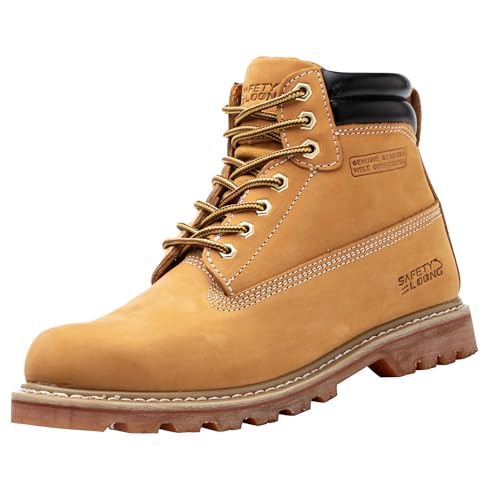

Who Should Buy Boots for Auto Mechanics?
Your role, shop surface, and how much you walk, kneel, or climb during a shift should shape the boot you choose.
Mechanics Who Stand on Concrete All Shift
If most of your day is spent at a bay or a bench, cushioning and arch support matter as much as protection. Look for a firm midsole that does not collapse by midday, a padded insole you can replace, and room in the toe box for your feet to spread as they swell.
Mobile and Road Service Mechanics
You work on gravel, wet pavement, and uneven ground, often in poor weather. Prioritize deeper tread, a waterproof membrane, and ankle support that helps on slopes and curbs. A lighter boot helps when you climb in and out of a service truck many times a day.
Diesel and Heavy Equipment Mechanics
Heavier parts, higher lifts, and more climbing call for a stronger safety toe, a taller shaft, and a stiffer shank for support on ladders and steps. Stability matters when you brace against large components or stand quickly from a creeper. If you want a closer look at options for this kind of work, see our guide to the best work boots for auto mechanics and compare toe ratings before you order.
Key Features to Compare
The product table above shows toe type, height, and materials. The details below explain each feature, so you can judge the search for the best boots for auto mechanics by specifications, not looks.
Features That Matter Most for Auto Mechanics
A safety toe guards against dropped tools, rotors, and wheels, and many shops require one that meets a stated impact rating. Slip resistance helps on sealed concrete coated with oil or transmission fluid, while electrical hazard protection can matter around hybrid and electric vehicle work if your employer specifies it. Check your shop policy first, because a soft toe boot may not be allowed at all in your workplace.
Fit, Sizing, and Toe Box
Measure both feet late in the day, when they are at their largest, and wear your usual work socks for the fitting. Your longest toe should have about a thumb width of space in front of it, and your heel should stay seated when you walk and crouch. A wide toe box lets toes sit flat for balance when you lift, while a narrow one can pinch during kneeling tasks.
Arch Support and Foot Type
Flat feet tend to roll inward as you stand, so a boot with firm arch support and a stable heel cup can reduce strain through the ankles and knees. Higher arches absorb less impact on concrete, so those readers often need more cushioning under the heel and forefoot. Heavy wear on the inner edge of old boots suggests you need more stability.
Outsole Traction on Shop Floors
Traction depends on tread pattern, rubber softness, and how much of the sole stays in contact with the floor. Wide, flat lugs with many small edges grip smooth concrete well and shed fluids better than deep, widely spaced lugs, which suit outdoor ground. An oil resistant compound keeps the sole from softening after repeated contact with petroleum products.
Waterproofing With Gore Tex and Other Membranes
A waterproof membrane such as Gore Tex keeps rain, puddles, and wash water out while letting some sweat vapor escape. That helps mobile mechanics and anyone who works outdoors, but it adds warmth indoors. If your shop is dry, a breathable unlined boot may keep you cooler through summer.
Upper Materials and Breathability
Full grain leather resists abrasion from concrete, metal edges, and chemicals, and it molds to your foot over time. Lighter mesh or fabric panels improve airflow and cut weight, but they stain faster and offer less protection from hot fluids and sparks. Many shop boots blend both, with leather over the toe and breathable panels at the sides. For welding work, all leather uppers are the safer choice.
Weight, Flexibility, and Heel to Toe Drop
Every extra ounce matters when you take thousands of steps on concrete, so lightweight designs reduce leg fatigue by the end of a shift. Still, the lightest boot may flex too much for ladder work or heavy lifting, where a stiffer sole spreads pressure across the foot. Heel to toe drop describes how much higher the heel sits than the forefoot. A moderate drop can ease calf strain, while a very flat sole may feel tiring until you adapt.
Types of Boots for Shop Work
Understanding the main types helps you read the product table above and avoid buying a boot built for different work.
Lightweight Boots and Shop Shoes
Lightweight shoes and low boots suit parts counters, inspection work, and light duty bays where heavy drops are less likely. They feel easier during long walks across a large facility and usually need little break in time. Their limits are ankle support and toe protection, so confirm that your role and your shop rules allow them before relying on them daily.
Waterproof Boots for Wet Work
Waterproof boots suit wash bays, outdoor lots, and road service in wet seasons. Sealed seams and a gusseted tongue keep water from entering at the laces, which is where many boots leak first. They run warmer than unlined boots, so many mechanics reserve them for colder months.
Stability and Support Focused Boots
Stability focused boots use a firmer heel, a wider base, and stronger arch support to guide the foot during long standing work. They help readers whose feet roll inward or whose knees ache after shifts on concrete. They can feel stiff at first, so allow several shorter shifts before judging them. For broader options, see our guide to the best boots for mechanics.
What to Check Before You Order
Before you buy, confirm the safety rating your employer requires, the return terms in case the fit is wrong, and whether the insole can be removed for a custom orthotic if you use one. Many solid shop boots cost around $150, with waterproof and premium leather models costing more. Reading specifications carefully matters, and many technicians build the same habit by studying manuals, so you may also enjoy our guide to the best auto mechanic books for deeper technical reading.
Try new boots indoors first. Walk, crouch, kneel, and climb a step before wearing them outside. That keeps returns simple if the size is wrong and reveals pressure points early, such as rubbing at the heel or pressure across the top of the foot.
Common Mistakes to Avoid
- Buying a soft toe boot for a shop that requires a rated safety toe, which can get the boots rejected at work and leave your feet unprotected.
- Choosing size based on your sneaker size alone, which often leads to cramped toes during long shifts on concrete.
- Picking deep outdoor tread for smooth shop floors, which can reduce contact with the floor and make slips more likely.
- Ignoring shop rules on electrical hazard or chemical resistance, which can leave you with boots that do not meet workplace policy.
- Wearing brand new boots for a full overtime shift, which raises the chance of blisters before the leather softens.
- Keeping boots with cracked or smooth soles in service, which removes the grip you depend on around oil and coolant.
How to Make Your Boots Last Longer
At the end of each shift, knock off dried mud, wipe away oil and grease with a damp cloth, and loosen the laces so air can reach the lining. For your hands after the same cleanup, see our guide to the best hand cleaner for auto mechanics, since shop grime builds up on skin just as it does on leather.
Let wet boots air dry at room temperature away from direct heat, and stuff them loosely with newspaper if they are soaked. Heat from a vent or dryer can crack leather and weaken adhesives in the sole. Condition leather uppers when they look dry, and rotate two pairs if you work five or six days a week so each pair dries fully.
Replace worn insoles when cushioning feels flat, and check laces and sole edges each month. A small split or separating sole is easier to repair early. Store boots upright in a dry place rather than in a damp trunk, where mildew develops quickly.
Frequently Asked Questions
What features matter most in boots for auto mechanics?
A rated safety toe, slip resistant outsole, and firm cushioning matter most for auto mechanics. Together they address dropped parts, slick floors, and hours on concrete. One extra point many buyers miss is the shank. A sturdy shank supports your arch when you stand on ladder rungs or lift from an awkward position beside a vehicle.
Are expensive boots for auto mechanics worth the cost?
Expensive boots for auto mechanics can be worth the cost if the extra money buys better leather, a replaceable insole, and a sole that can be repaired or resoled. Those features extend service life, which lowers cost per year of use. A costly boot with a smooth sole is still a poor shop choice, so judge specifications first.
Do auto mechanics need waterproof boots?
Auto mechanics who work indoors in a dry shop usually do not need waterproof boots. Breathable uppers will keep those readers cooler through long shifts. Waterproofing becomes worthwhile if you wash vehicles, work in an open bay, or answer road calls in rain and snow. A middle path is one waterproof pair for wet months and one breathable pair for summer.
How often should auto mechanics replace their work boots?
Auto mechanics should replace work boots when the tread looks smooth, the midsole feels flat, or the upper cracks at the flex point. For many full time technicians that point arrives after about one to two years of daily wear. Press the heel cushioning and inspect the sole in bright light, because worn grip can fail before the boot looks finished.
How long is the break in period for boots for auto mechanics?
The break in period for boots for auto mechanics usually lasts one to two weeks of regular wear. Stiff leather softens as it warms and flexes with your stride. Speed the process by wearing new boots for a few hours at a time. Sharp pain or numb toes are not normal break in signs and mean the fit is wrong.
Can auto mechanics wear work boots all day?
Auto mechanics can wear work boots all day when the fit, cushioning, and support match their feet and tasks. Most late shift discomfort traces back to thin socks, flat insoles, or boots that are slightly too small. Try moisture wicking socks and an anti fatigue mat at your bench. If foot pain persists or includes numbness, talk with a clinician about your personal needs.
Final Thoughts
Start with your shop rules, then match safety toe, traction, and support to your tasks and foot shape. Use the comparison table above to confirm height, toe type, and waterproofing before you order.
When you choose best boots for auto mechanics with those basics in place, you get footwear that protects you on slick concrete, stays comfortable through long shifts, and holds up to real garage work.


