Best Auto Mechanic Books for 2026: What Actually Matters Before You Buy
Disclosure: We may earn a commission when you buy through links on this page, at no extra cost to you. As an Amazon Associate I earn from qualifying purchases. Learn more

New owners and home repairers: how to pick the best auto mechanic books by coverage, diagrams, binding, updates, and value.
Choosing the best auto mechanic books starts with a simple question: what kind of work do you actually plan to do? A book that explains basic maintenance in plain language suits a new owner, while a detailed repair manual suits someone who already removes parts and follows torque specs. This guide helps you compare books by coverage, format, and price before you commit.
This guide walks through a practical checklist, so you can judge a book by what it teaches rather than by its cover or page count. Look for clear diagrams, accurate steps, and coverage that matches your vehicle and your tools. A book that fits your real jobs will get used, while a book that is too general or too advanced will sit on the shelf.
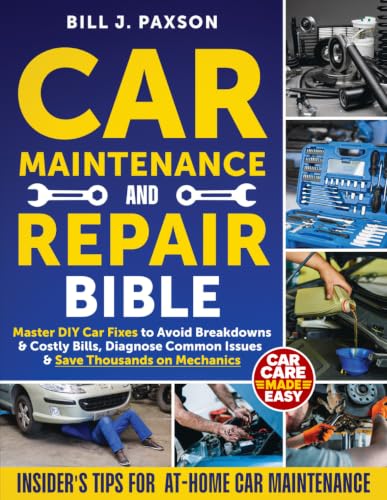
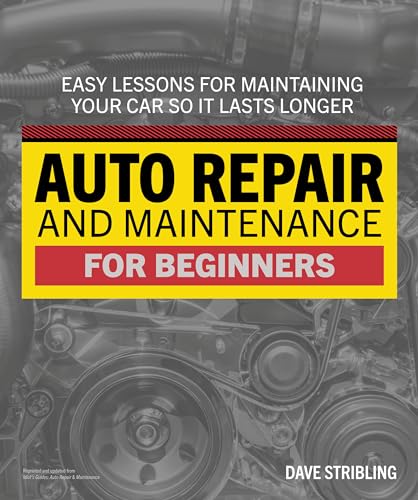
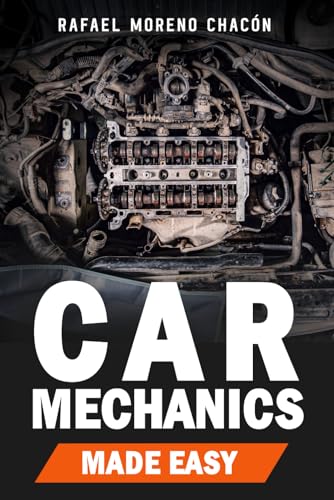

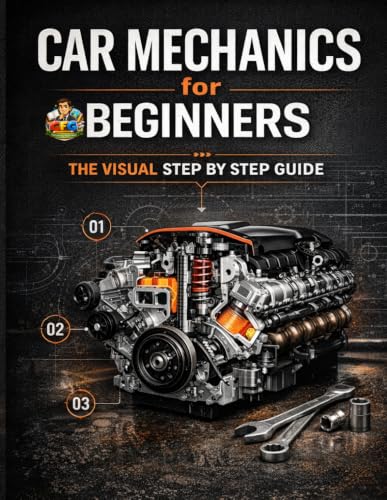
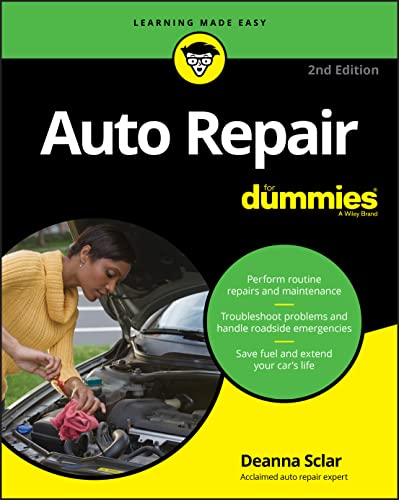
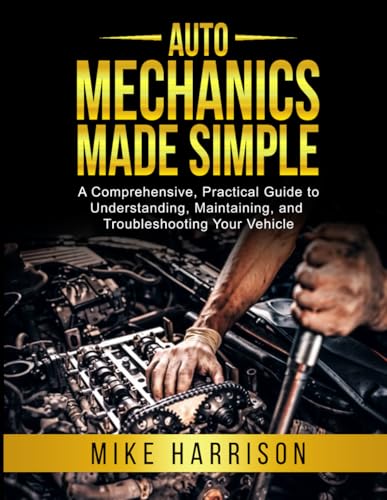
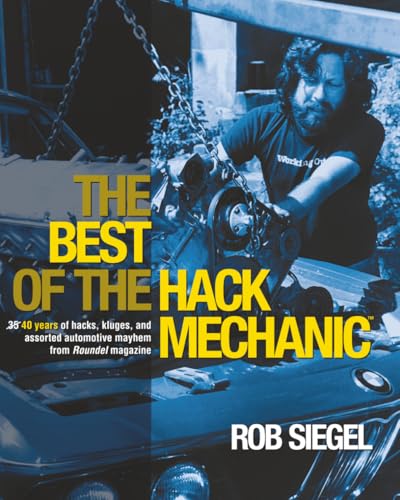
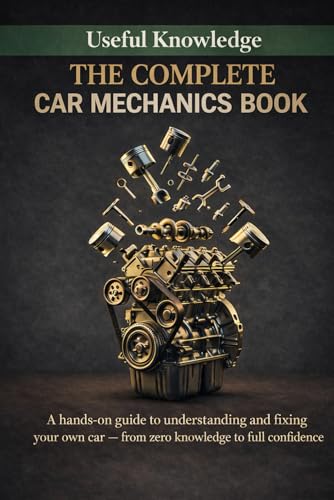

How to Judge Mechanic Books
Use the factors below as a checklist rather than as a score. No single book covers every vehicle, every system, and every skill level equally well, so the right choice depends on the work you do most often. The best auto mechanic books are the ones that match your vehicle and your jobs. Read the table of contents and a sample procedure before you buy, and check whether the book matches your vehicle year range, engine type, and drivetrain.
Intended Use and Who It Is For
Start by naming your main job. Routine owners need oil changes, fluid checks, brake pads, filters, and tire care explained in order, with safety notes at each step. Home repairers who tackle suspension, cooling, or electrical faults need wiring diagrams, diagnostic steps, and torque values. Students and apprentices benefit from books that explain how systems work before they explain how to repair them, because that background makes later procedures easier to follow.
Price and Value
Most general guides cost about $20 to $50, while detailed vehicle specific manuals often cost about $50 to $150. A lower price makes sense when you need one system or one routine job explained well. A higher price can be worth it when a book covers many systems, includes clear diagrams, and stays useful for years. Compare cost per job rather than cost per page, and check whether a digital edition or an update is included.
Ease of Use and Setup
A useful book is easy to use with dirty hands in a garage. Look for a clear index, a logical order of steps, and headings that match the job you are doing. Large diagrams, numbered steps, and warnings placed before a risky step all save time and reduce mistakes.
Maintenance and Long Term Costs
Think about how long the book will stay accurate for your vehicle. Vehicle specific books age faster when makers change engines, electronics, or service intervals. Check the edition date, the covered model years, and whether the publisher offers corrections or a newer edition before you rely on a procedure.
Size, Weight, and Fit for Your Space
A thick hardcover manual holds up on a workbench but is heavy to carry to a vehicle. A compact paperback travels well but may use smaller diagrams and thinner paper. Consider where you will read it, whether you need it flat on a bench, and whether it will live in a toolbox, a garage shelf, or a classroom bag.
Safety and Accuracy
Safety guidance matters most in books that cover lifting, fuel, brakes, steering, and high voltage systems. A trustworthy book tells you when to support a vehicle on stands, disconnect a battery, or stop and seek professional help. It also states torque values, fluid types, and warning signs in the procedure itself rather than only in a general safety chapter.
Build Quality and Materials
Garage books take hard use, so binding and paper quality matter. Lay flat binding, coated pages, and a sturdy cover survive grease, moisture, and repeated opening better than a thin glued spine. Check reviews of the physical edition separately from the content, because a good text in a fragile binding can fall apart after a few jobs.
Spending Levels That Make Sense
At a lower spending level, look for a clear general guide that covers routine maintenance and common repairs for many vehicles. These books suit new owners who want confidence with basic jobs and a better understanding of what a shop is charging for. They rarely give vehicle specific torque values or wiring diagrams, so they work best as a starting point rather than as a sole repair source.
At a middle spending level, expect deeper coverage of one vehicle family or one system, with better diagrams and more complete diagnostic steps. This level suits home repairers who already own basic tools and want to handle brakes, suspension, cooling, or electrical checks themselves. At a higher spending level, look for detailed manuals with full system coverage, wiring diagrams, and service intervals, which suit serious home repairers, students, and small shop owners who use the book often.
Quick Buyer Checklist
- Does it cover your vehicle year, engine, and drivetrain?
- Does it explain the jobs you actually plan to do?
- Are the diagrams large, labeled, and easy to follow?
- Does it give torque values, fluid specs, and safety steps where they matter?
- Is the edition current enough for your vehicle?
- Will the format work in your garage, classroom, or toolbox?
- Does the price match how often you will use it?
Red Flags to Watch For
Be cautious when a book promises to cover every vehicle in a few hundred pages, because that breadth usually means shallow procedures. Vague steps such as "remove the part" with no fastener, torque, or access detail are another warning sign. Missing safety notes, no edition date, and diagrams that do not match the text also suggest weak editing. If sample pages look copied from generic sources or contradict your vehicle manual, choose a different book.
Tips to Get the Most From Your Mechanic Book
Read the procedure fully before you start, and gather tools, parts, and fluids in advance. Store the book in a dry place away from chemicals, and clean greasy pages promptly so diagrams stay readable. When a step conflicts with your vehicle manual, follow the vehicle manual and maker guidance, and keep the book as a general reference rather than as the final word.
Workshop comfort matters too, and the right gear helps you use a book safely in the garage. See our guide to best shoes for auto mechanics when you choose footwear that grips oily floors and protects your feet. For heavier shop work, our guide to best work boots for auto mechanics covers fit, support, and protection. After a job, our guide to best hand cleaner for auto mechanics can help you compare cleaners that remove grease without harsh scrubbing.
Auto Mechanic Books: Your Questions Answered
Are expensive mechanic books worth it?
An expensive book is worth it when you use its detailed coverage often enough to justify the price. A detailed manual with wiring diagrams, torque values, and full system procedures can pay for itself across several repairs, especially for a vehicle you plan to keep for years. A cheaper general guide is the better value when you only need routine maintenance explained clearly. Match the price to your job list, and avoid paying for depth you will never use.
How do I maintain a mechanic book?
Keep the book dry, clean, and away from solvents, and store it flat or upright so the spine does not warp. Wipe greasy pages gently, and use bookmarks or tabs instead of folding corners, which weakens pages over time. For digital editions, back up your notes and keep the file on a device you can use in the garage. A well kept book stays readable for years, while a book left open on a wet bench will curl and stain quickly.
How much should I spend on a mechanic book?
Most buyers spend about $20 to $50 for a general guide and about $50 to $150 for a detailed vehicle specific manual. Start with the jobs you plan to do in the next year, and choose the lowest price level that covers those jobs well. If you only need basic maintenance, a general guide is enough. If you plan suspension, electrical, or engine work, budget for a more detailed manual with diagrams and specs.
How long does a mechanic book last?
A general theory book can stay useful for many years, because basic systems change slowly. A vehicle specific manual lasts as long as you own a covered vehicle and the procedures still match its parts and electronics. Newer vehicles with updated software, driver aids, or hybrid systems can outgrow an older manual sooner. Check the edition date against your vehicle year, and replace the book when its specs no longer match your vehicle.
What features matter most when buying mechanic books?
Coverage, clarity, and accuracy matter most, in that order. Coverage means the book matches your vehicle and the systems you plan to repair. Clarity means steps, diagrams, and warnings are easy to follow during a real job. Accuracy means torque values, fluid specs, and safety steps are stated correctly and match maker guidance.
Final Thoughts
Pick a book that matches your vehicle, your skill level, and the jobs you actually do, and judge it by coverage, clarity, and safety guidance rather than by page count alone. A general guide suits routine care, while a detailed manual suits deeper repair work and long term ownership. Use the checklist in this guide and choose the best auto mechanic books for your garage with confidence.