Best Boots for Arctic Weather in 2026: A Guide to Warmth, Grip and Fit
Disclosure: We may earn a commission when you buy through links on this page, at no extra cost to you. As an Amazon Associate I earn from qualifying purchases. Learn more

Compare boots for arctic weather by insulation rating, waterproof build, ice grip, fit with thick socks, shaft height and care for deep cold.
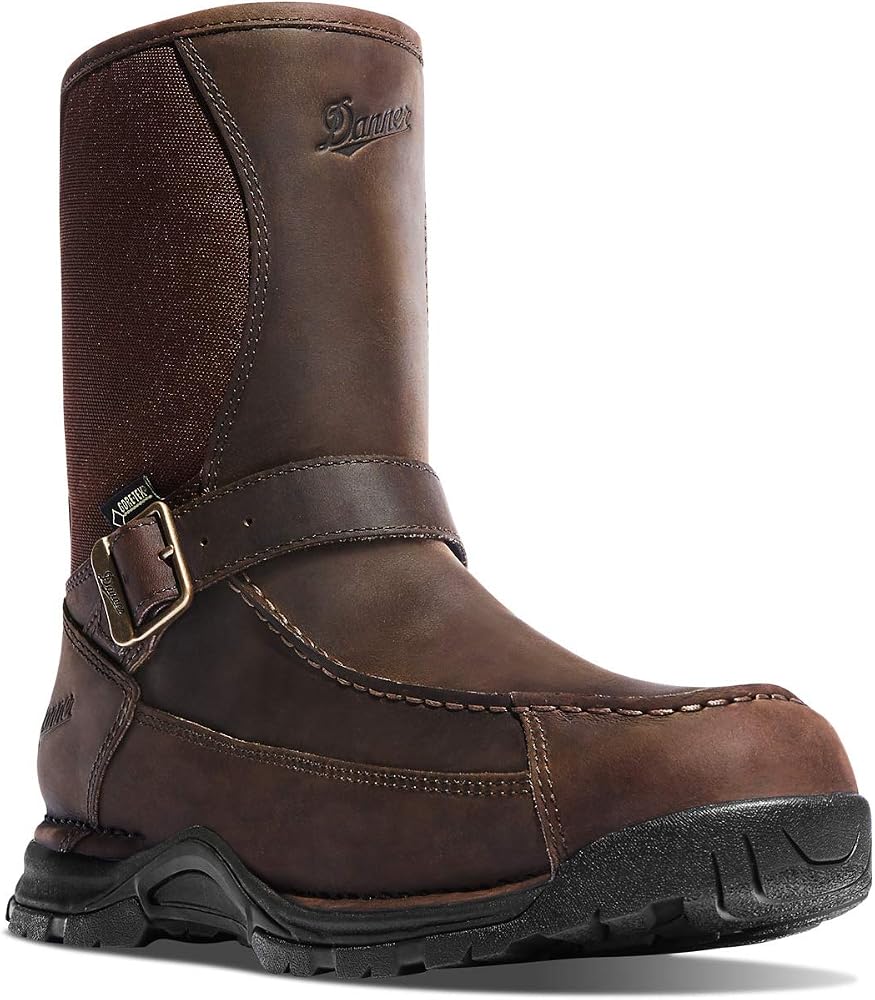
Arctic cold punishes small mistakes. A boot that feels fine on a short drive can leave toes numb during a long wait outside, and a sole that grips dry pavement can slide on polished ice. The best boots for arctic weather match warmth to your activity, keep snow out, and leave room for thick socks. Use the comparison table below to check ratings and sizes.
Start with how you spend time outdoors. Standing still creates far less body heat than walking, so a person who stands on a frozen lake needs more insulation than a brisk walker. Your distance, ground and sock choice matter as much as any label.





Who Should Buy Boots for Arctic Weather?
Pick by the coldest task you repeat each week. If your winters stay near freezing, see our guide to the best cold weather boots for lighter options. For lasting cold well below freezing, the groups below point to the right insulation, height and grip.
People Who Work Outdoors All Day in Deep Cold
You may load vehicles, clear lots or check equipment while wind strips heat from your legs and feet. Choose tall boots with heavy insulation, a waterproof lower and a closure that seals at the top. Look for a wide base and firm ankle support on uneven frozen ground. Plan for dry spare socks at midday.
Walkers and Dog Owners on Daily Winter Routes
You move at a steady pace on cleared paths, packed snow and ice, often in the dark. Choose a mid height boot that flexes for a natural stride and weighs less than a tall boot. A deep lug sole helps on packed snow, while a snug heel fit limits rubbing over daily miles.
Ice Fishers and Camp Crews Who Stand Still Outdoors
You stand or sit for long stretches, so your feet cool faster than they do while walking. Choose the warmest style you can walk in safely, with a thick removable liner and room for a heavy sock without crowding your toes. A tall shaft keeps snow out when you kneel.
Key Features to Compare
Compare warmth, sealing and grip together, because a warm boot that leaks or slides will still fail you.
Insulation Weight and Temperature Rating
Insulation is often listed by weight, from about 200 grams for active use in mild cold to about 1000 grams or more for standing still in severe cold. Ratings are a guide only, since wind, activity and socks change the result. Choose a higher weight if you stand still. Choose a moderate weight if you walk far, because excess warmth makes feet sweat and damp socks cool quickly once you stop.
Waterproof Shell and Sealed Construction
Many arctic styles pair a rubber lower with a leather or fabric upper and a waterproof membrane inside. Sealed seams and a tongue that attaches to the upper help block meltwater and deep snow. A membrane also slows airflow, so boots dry more slowly after a wet day. If you cross slush often, favour a higher rubber lower.
Outsole Grip on Ice and Packed Snow
Look for soft rubber that stays flexible in deep cold, with lugs about 4 to 6 mm deep and wide gaps that clear snow instead of packing it in. Flat, hard soles slide more easily on ice, and no lug pattern can guarantee grip on smooth wet ice. Walk with short steps on glare ice even in good boots. Some soles accept separate ice cleats for steep stretches.
Leaving Room for Heavy Socks in Deep Cold Boots
Try boots late in the day while wearing the thickest socks you plan to use. Your toes should wiggle freely and never press the front when you walk down a slope. A fit that is too tight limits blood flow and feels colder, even with heavy insulation. Many buyers need a half size or a full size above a summer shoe, but follow the brand size chart for length.
Shaft Height, Closure and Snow Collar
Shafts range from about 8 inches for active walking to about 12 to 16 inches for deep snow and standing work. A taller shaft protects your calf and keeps snow out, but it adds weight and can feel stiff on long walks. Laces give the closest fit, buckles adjust fast with gloves on, and a top draw cord seals the opening against powder.
Removable Liners, Cushioning and Support
A removable liner lets you dry the warmest part of the boot overnight and replace it when it packs down. Cushioning softens steps on frozen ground, and firm arch support helps under loads on uneven snow. Seek urgent medical care for skin that stays white, hard or numb after warming, or for blistering after cold exposure, and talk with your clinician about personal cold risks.
Types of Boots for Arctic Weather Compared
When you compare best boots for arctic weather by type, match the build to movement first. Dedicated expedition styles sit in their own class, so see our guide to the best arctic boots for the tallest, warmest designs. For mixed town and trail use in shoulder months, see our guide to the best all weather boots for lighter styles.
Pac Style Boots With a Rubber Lower
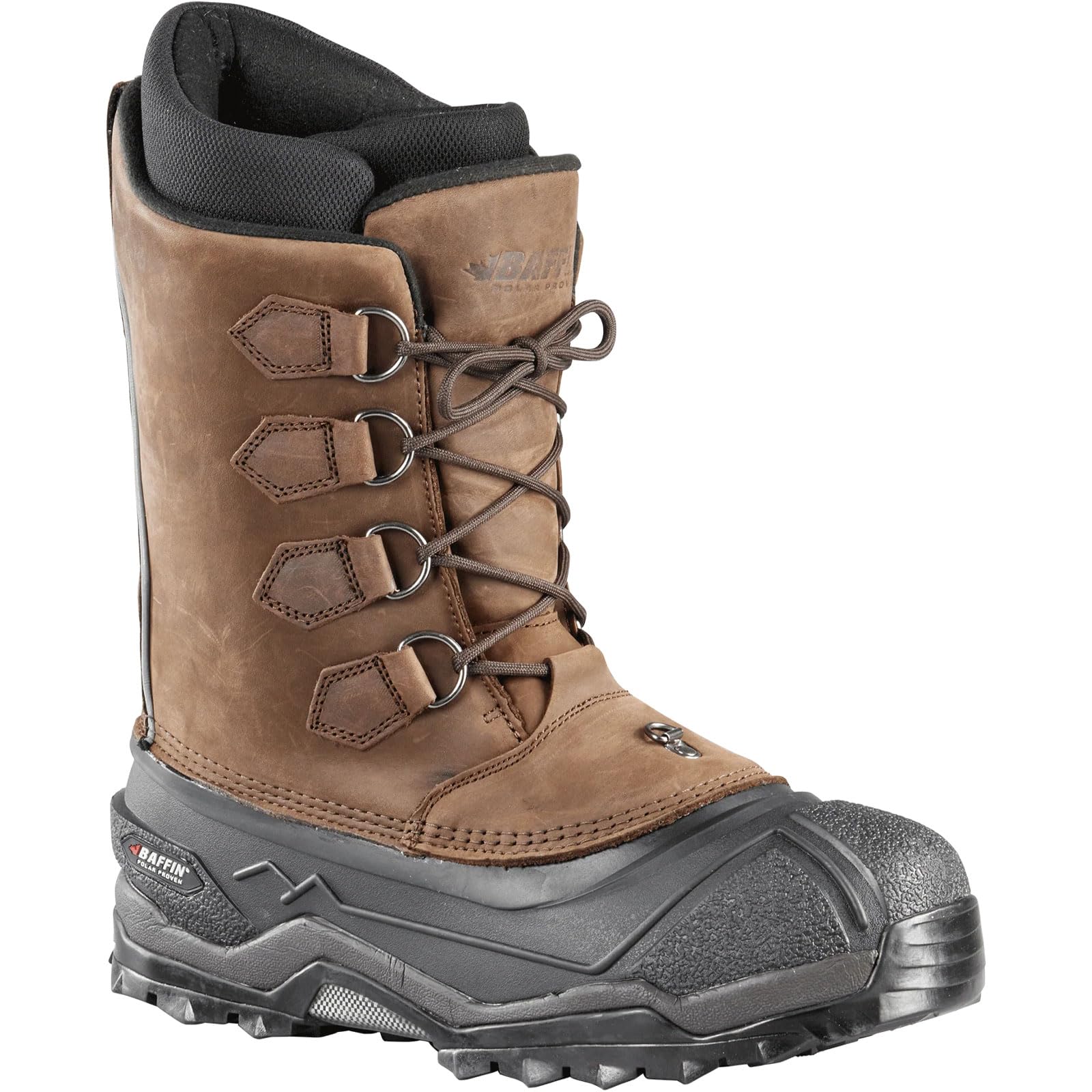
Pac style boots combine a waterproof rubber foot with an insulated upper and a thick liner. They excel for standing work, deep snow and slush, where sealing matters more than a close fit. The trade off is weight and a looser feel while walking fast.
Insulated Hiking Style Boots for Active Walking
These boots use a closer fit, a stiffer shank and lighter insulation for steady movement on trails and cleared streets. They feel more precise on ice and tire you less over distance. They suit standing still poorly, because thin insulation assumes your muscles are producing heat. Ventilated summer styles offer no protection here, unlike the designs in our guide to the best warm weather boots, built to release heat.
Tall Insulated Boots for Deep Snow
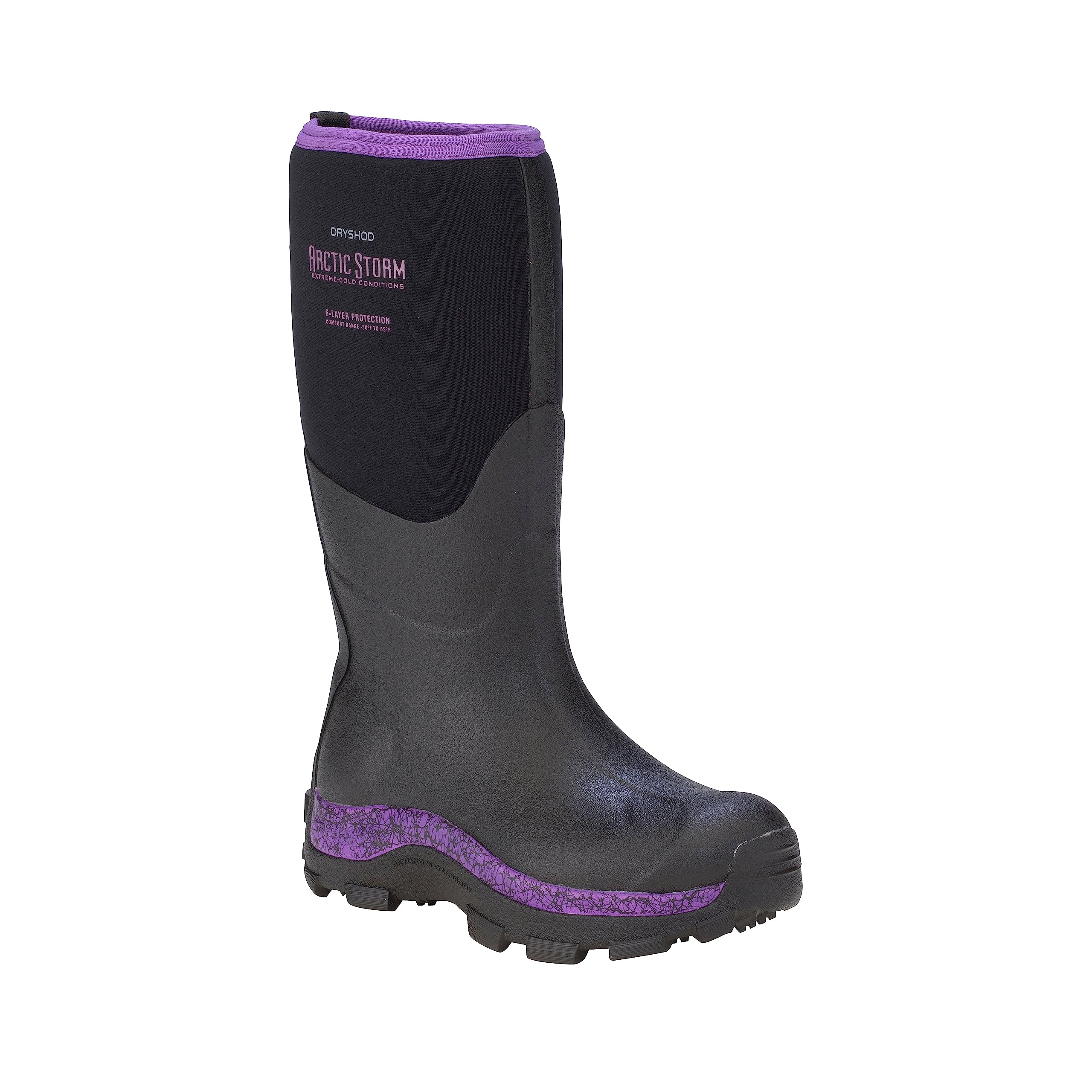
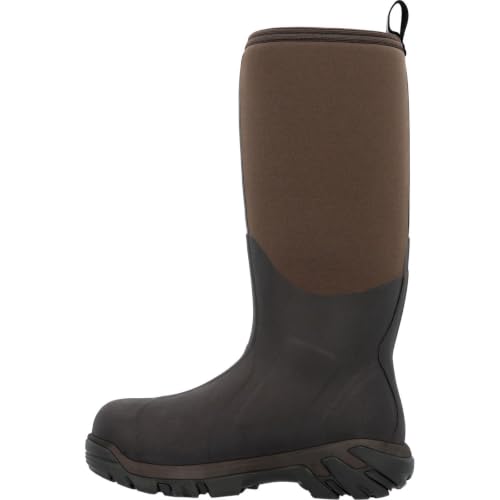
Tall boots rise well up the calf and seal at the top, so they suit breaking trail, clearing deep drifts and work where snow reaches above the ankle. Look for enough flex at the toe to step onto banks easily. This height can feel hot indoors, so save the tall pair for serious snow days.
Common Mistakes to Avoid
These errors cost warmth or grip even when the boot itself is well made.
- Buying your usual shoe size leaves no room for thick socks and makes toes cold within an hour.
- Choosing warmth by label alone ignores activity, so active walkers overheat and standing workers still freeze.
- Wearing cotton socks holds sweat against the skin and chills your feet once you slow down.
- Drying boots beside a hot stove cracks leather and can warp the sole and liner.
- Trusting deep lugs on smooth ice leads to falls on polished crossings and frozen steps.
Care and Maintenance for Boots for Arctic Weather
Remove liners and insoles after each wet outing and let every part dry at room temperature with air moving around it. Stuff the toe with plain paper for the first hour if the liner feels soaked, then remove it. Never use direct heat, because liners shrink and leather stiffens.
Brush off road salt and grit once the boots are dry, then wipe the lower with a damp cloth. Condition leather uppers only with products the maker allows. Store boots upright with the shaft open, and check lugs and seams before the cold season starts.
FAQ
What features matter most in boots for arctic weather for standing still?
Insulation weight and liner thickness matter most if you stand still in arctic weather. A person who barely moves produces little foot heat, so choose a higher insulation weight than a walker would need. Add a felt or foam insole as a barrier against cold rising from ice below. Carry a foam pad to stand on during long waits.
How should boots for arctic weather fit with thick socks?
Boots for arctic weather should fit with clear space ahead of your longest toe while you wear thick socks. Stand and shift your weight forward, then check that your toes brush nothing. Fit to the larger foot if your feet differ, since tightness is a common cause of one cold foot. If your heel lifts a lot, try a thicker insole before sizing down.
Do boots for arctic weather need to be waterproof if snow is dry?
Yes, boots for arctic weather still benefit from waterproof sealing even where snow is usually dry. Body heat melts snow that collects around the sole and tongue, and that meltwater can soak a liner in one outing. Dry powder also turns to slush near salted roads. A sealed boot handles both settings well.
Can I wear boots for arctic weather all day indoors and outdoors?
You can wear boots for arctic weather all day, but heavy insulation often feels too warm indoors. Sweat built up indoors dampens liners and socks, so feet may feel colder back outside. If your day mixes both settings, change into indoor shoes and let the boots air out.
How long does the break in period last for boots for arctic weather?
The break in period for boots for arctic weather usually lasts a few short outings over about one to two weeks. Liners compress to your foot shape and stiff uppers soften at the ankle. Start with walks under an hour and watch for hot spots. If a liner feels lumpy, remove it, smooth it flat and refit it.
When should I replace boots for arctic weather?
Replace boots for arctic weather when the liner stays flat and thin, the sole lugs wear smooth, or cracks let water reach the insulation. Press the liner and compare it with padding at the top of the shaft, which compresses less. If the toe area feels paper thin, warmth has dropped.
Wrapping Up
Match insulation to how much you move, seal out snow and meltwater, and leave real room for thick socks. Then check grip on the surfaces you cross most. Use the product table above to compare ratings, shaft height and weight.
With those checks done, the best boots for arctic weather for your winter will stand out clearly. Buy for your coldest regular task and care for the liners well.