Best Boots for Appalachian Trail 2026: Which One Fits the Way You Use It?
Disclosure: We may earn a commission when you buy through links on this page, at no extra cost to you. As an Amazon Associate I earn from qualifying purchases. Learn more

Compare boots for the Appalachian Trail by fit, traction, waterproofing and weight, with a checklist for section hikes, thru hikes and wet rocky miles.
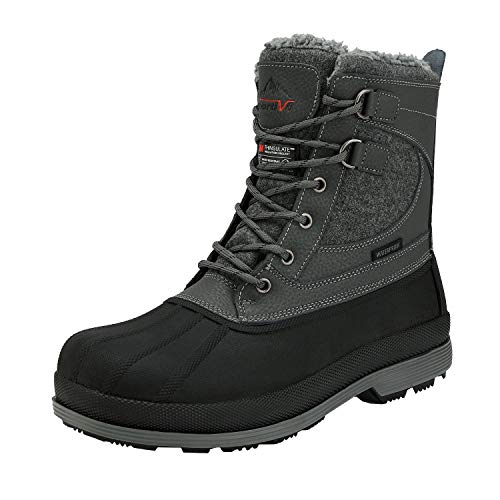
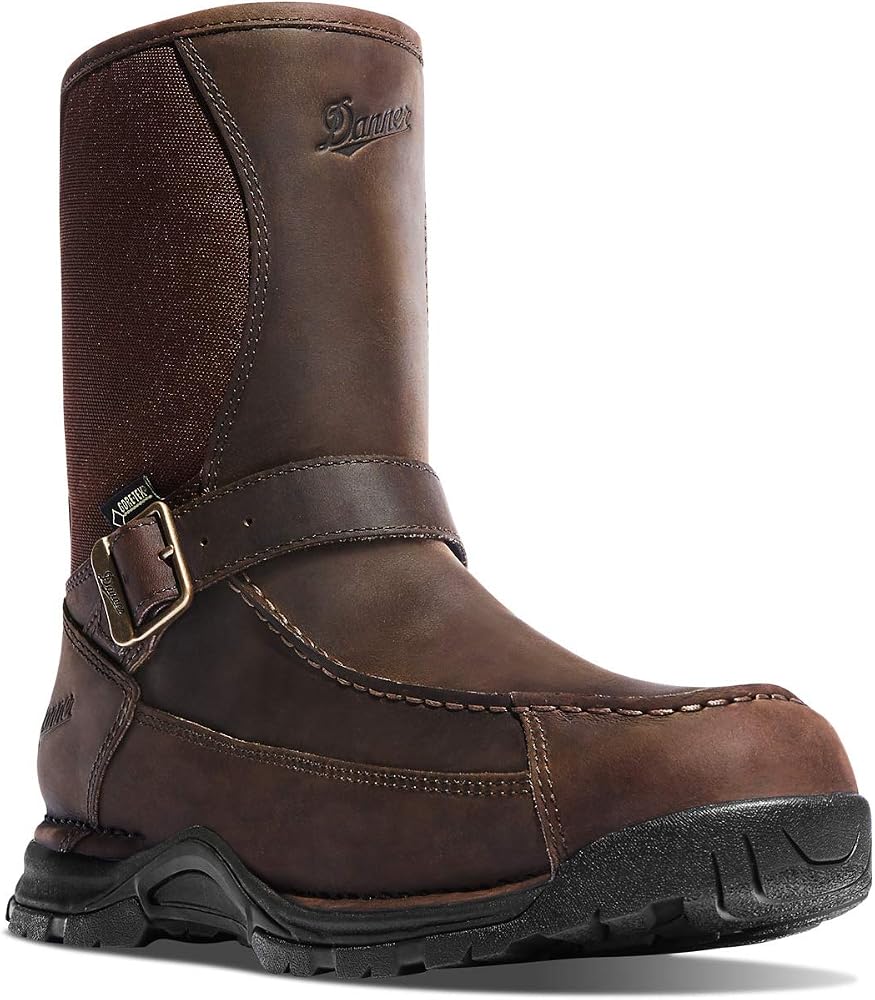
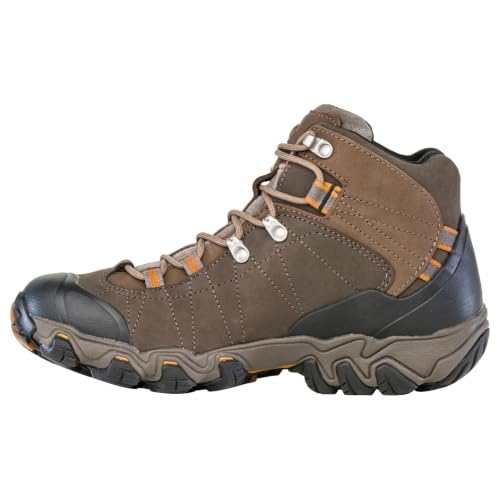
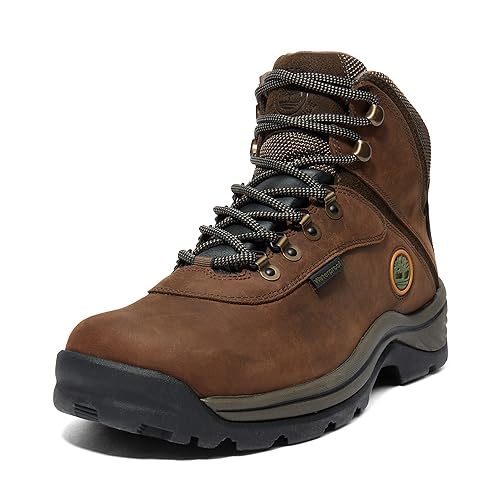
The Appalachian Trail asks one pair of boots to handle mud in Virginia, slick roots in Vermont, stream crossings in Maine and rocky climbs in Pennsylvania. No single boot suits every hiker, because your mileage, pack weight and season change what matters most. The best boots for appalachian trail walking are the ones matched to your plan, and the comparison table below helps you weigh fit, traction and weather protection first.
Start with the walk you will actually do. A weekend section hike rewards comfort from the first mile, while a full thru hike rewards durability over about 2,200 miles.





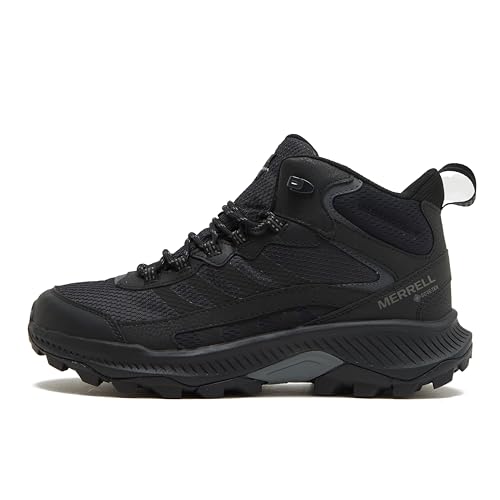


Who Should Buy Which Boots for the Appalachian Trail?
Pick by distance and conditions, not by looks or price alone. One hiker may carry a light pack for three days, while another at the same trailhead plans to walk to Maine.
Weekend Section Hikers and First Time Long Distance Walkers
You hike two to four days at a time and want comfort without a long breaking in period. Choose a mid cut synthetic boot with moderate cushioning, a roomy toe box and a flexible sole that feels natural on rolling southern terrain. A price around $100 to $180 usually covers this class well.
Thru Hikers Planning to Walk the Full Trail
You cover about 15 to 25 miles a day for months, so small fit problems grow into blisters and sore joints. Choose a proven fit, a durable outsole and an upper you can replace mid trail without changing models, because most boots wear out well before Katahdin.
Hikers Facing Wet, Cold and Rough Northern Conditions
You hike in New Hampshire and Maine, in shoulder seasons, or through long stretches of rain. Choose a waterproof membrane, a higher cut for ankle stability on wet rock, and deep lugs that grip mud and wet roots.
Key Features to Compare
Compare these factors in order, starting with fit. When you judge the best boots for appalachian trail use, a poor fit will fail you no matter how strong the membrane looks.
Waterproof Membranes Versus Breathable Uppers
A waterproof membrane such as Gore Tex keeps rain and shallow stream water out, which helps in cold, wet months. The tradeoff is heat and slow drying once water enters over the collar. Breathable boots without a membrane drain and dry faster after a crossing, and they feel cooler through a humid southern summer. Choose waterproof for cold, wet seasons, and breathable when heat and frequent crossings define your route.
Weight, Flexibility and Heel to Toe Drop
Most trail boots weigh about 2 to 3 pounds per pair, and that weight matters more as daily miles rise, because heavy boots tire your legs over thousands of steps. Flexible boots feel easy on smooth trail, while stiffer boots protect your sole on sharp rock and support heavier packs. Heel to toe drop in hiking boots usually runs about 8 to 12 mm. A lower drop feels flatter and steadier, while a higher drop shifts work toward your calves on climbs.
Fit, Sizing and Toe Box Room for Swelling
Feet swell on long days, so shop in the afternoon and try boots wearing the socks you will hike in. Your toes should clear the front by about a thumb width, and they should not strike the end when you walk down a slope in the store. A wide toe box lets toes spread for balance on uneven ground, which reduces black toenails and forefoot blisters.
Outsole Traction and Stability on Rock and Mud
The outsole decides how secure you feel on wet granite in the White Mountains and on clay mud after rain. Deep, widely spaced lugs shed mud and bite into soft ground, while stickier rubber grips smooth rock better but wears a little faster. A broad heel brake helps on steep descents, because it gives the back of the boot a clear edge to slow each step.
Cushioning and Support for Your Arch and Foot Shape
Cushioning softens repeated impact on packed dirt and rock, and it matters most under the heel and forefoot where pressure peaks late in the day. Flat feet often do better with firmer arch support that limits inward roll, while high arches often need more padding under the midfoot to spread load. Stability comes from the whole system of midsole, heel cup and lacing, not from height alone.
Durability and Expected Lifespan in Miles
Most synthetic trail boots last about 500 to 800 miles before the cushioning flattens or the upper splits at the flex points, while well kept leather boots can go farther. A thru hike of about 2,200 miles therefore usually takes more than one pair. Stitching, rand protection around the toe and a one piece upper add life on abrasive rock.
How to Match Boots to Appalachian Trail Sections and Seasons
The trail changes character as you move north. Southern miles bring mud, rain and frequent crossings on mostly graded tread. The mid Atlantic adds the sharp rock fields of Pennsylvania, where sole protection matters more than softness. New England adds steep granite, boggy tread and weather that can turn cold well into summer.
Light synthetic boots suit warm months and moderate packs, and they pair well with the wider field in our guide to the best trail hiking boots. Stiffer leather boots suit cold seasons, heavy packs and rough northern rock. If your trip is in a saddle rather than on foot, see our guide to the best boots for trail riding, because riding boots use a smooth sole for stirrups, not lugged traction.
Before any long section, walk a full day in your boots with your loaded pack, then check for hot spots. Adjust lacing by zone, tighter at the ankle and looser across the toes, and retest on a downhill.
Common Mistakes to Avoid
- Buying boots in your street shoe size leaves no room for swelling, so your toes jam on descents and nails bruise.
- Choosing waterproof boots for a hot summer section traps heat and sweat, so feet stay soft and blister more easily.
- Judging a boot only by price ignores fit and lifespan, so a cheap pair that fails mid section costs more in the end.
- Skipping a loaded trial walk hides heel lift and pressure points, so the first real climb becomes an expensive surprise.
Care and Maintenance for Appalachian Trail Boots
At camp, loosen the laces, pull the insoles out and let the boots air dry away from direct heat, because a campfire or a hot car can crack leather and loosen sole glue.
Between trips, clean the outsole lugs, check stitching and flex points, and reproof leather or fabric as the maker directs. At stops on a long hike, light camp footwear gives swollen feet a break, and our guide to the best trail sandals covers options that also work for shallow crossings. Replace boots when the lugs are smooth, the midsole feels flat or the upper splits, rather than waiting for a failure far from a road.
FAQ
What features matter most in boots for the Appalachian Trail?
Fit, traction and the right weather strategy matter most in boots for the Appalachian Trail. Beyond those basics, weigh how easy the model is to replace, because a boot that is hard to find in trail towns complicates a mid hike swap. A common model in your size is also easier to replace than a rare boot.
Are expensive boots for the Appalachian Trail worth the cost?
Expensive boots for the Appalachian Trail are worth the cost only when the extra money buys fit, support or durability you will actually use. Higher prices often reflect leather uppers and stronger construction. If you hike short sections in mild weather, that spending adds weight more than value. Socks and insoles that suit your feet often change comfort more than a price jump.
Do I need waterproof boots for the Appalachian Trail?
You need waterproof boots for the Appalachian Trail mainly in cold seasons and on northern sections where wet feet lose heat fast. In warm months many hikers prefer boots that drain, because rain and sweat will wet any boot on a long wet stretch. A useful middle path is carrying waterproof socks for cold, rainy days while hiking in breathable boots.
How often should I replace boots on the Appalachian Trail?
Replace boots on the Appalachian Trail when grip, cushioning or upper support fades, rather than at a fixed mile count. Watch for new aches in your knees or the balls of your feet, because worn midsoles often announce themselves through your joints first. Order the replacement pair ahead to a town stop, since your size may not be on a local shelf.
Can I wear Appalachian Trail boots all day on long hiking days?
Yes, you can wear Appalachian Trail boots all day on long hiking days, provided the fit leaves room for swelling and you manage moisture. Air your feet during a lunch break, and change into dry socks if the morning pair is soaked, because dry skin resists blisters. At camp, wash and dry your feet before sleep.
How should boots for the Appalachian Trail fit at the end of the day?
Boots for the Appalachian Trail should fit snugly at the heel and midfoot at the end of the day, with clear space in front of your longest toe. Heel lift beyond a small amount signals a volume problem that lacing alone may not fix, so try a different width or model. Test again after a warm walk, because fit tightens as feet swell.
Final Thoughts
Match the boot to your mileage, your pack and the sections you will hike, in that order. Fit with room for swelling comes first, then traction for wet rock and mud, then a weather choice that suits your season. Use the product table above to compare weight, height and price.
Chosen that way, the best boots for appalachian trail for you stop being a guess and become a plan you have already tried on a loaded day walk. Buy early enough to break your pair in.