
Best Boots for After Skiing in 2026: Which Type Is Right for You?
Disclosure: We may earn a commission when you buy through links on this page, at no extra cost to you. As an Amazon Associate I earn from qualifying purchases. Learn more

Compare the best boots for after skiing by warmth, grip, fit and easy entry, with boot types matched to lodge stays, town walks and drives home.
Ski boots hold your feet locked and forward, so by the last lift your toes feel crowded and your arches ache. The best boots for after skiing solve the opposite problem. They give swollen feet room, add warmth without bulk, and grip the icy ground between the lift, the lodge, and the car.
Resort footwear ranges from tall snow boots to low cushioned shoes, so this guide compares types, fit and features to help you match a pair in the comparison table below.

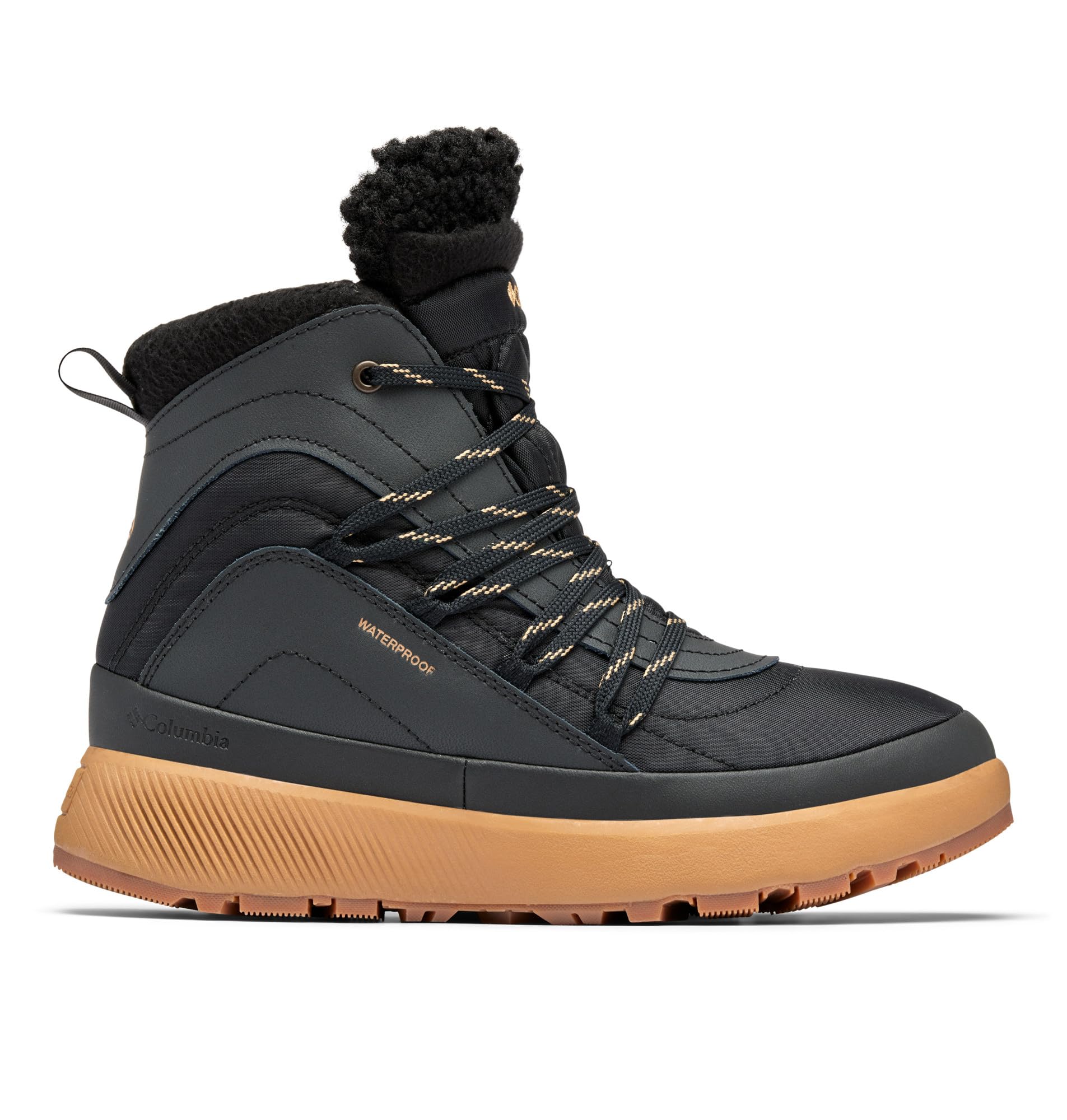
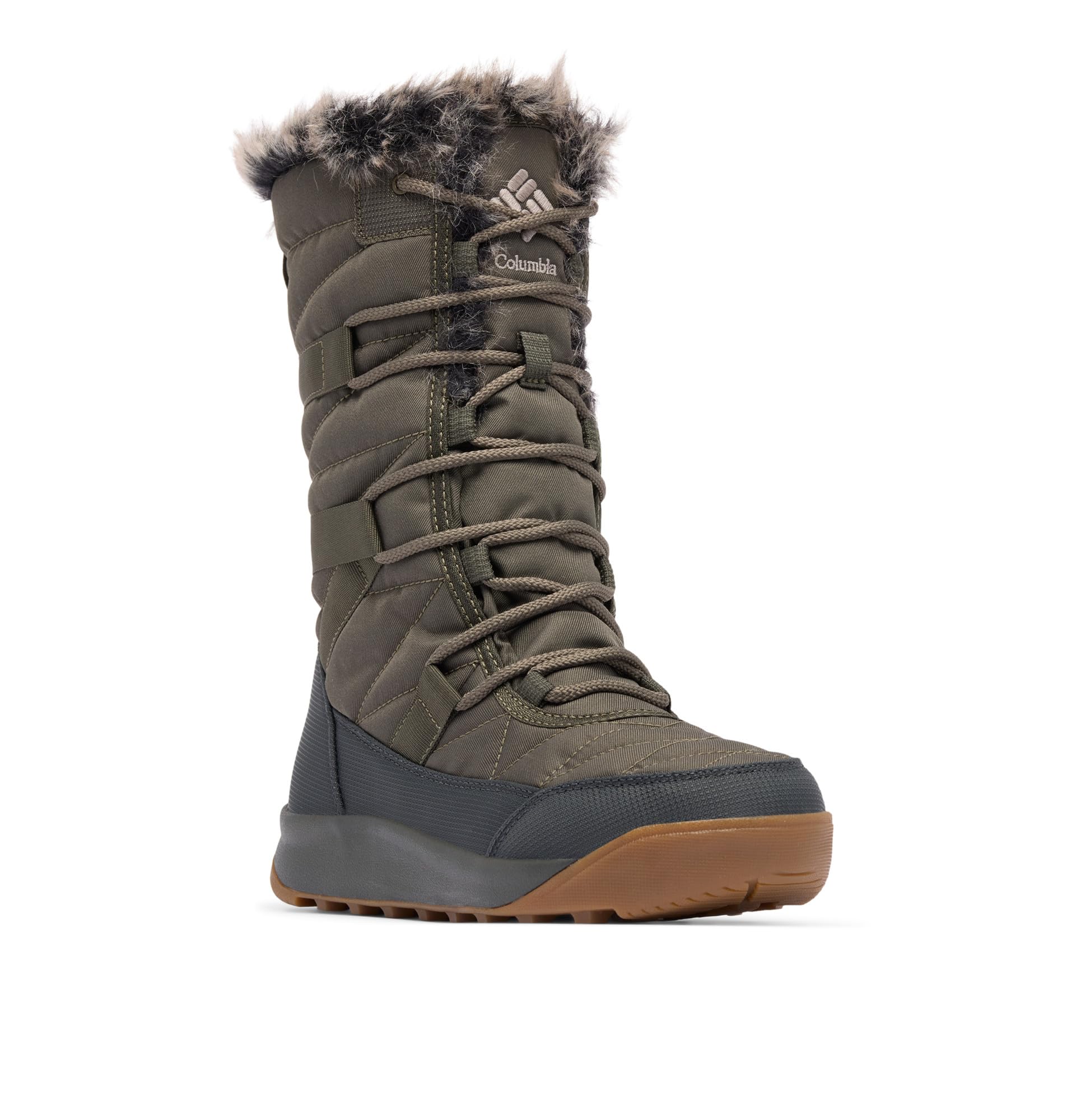
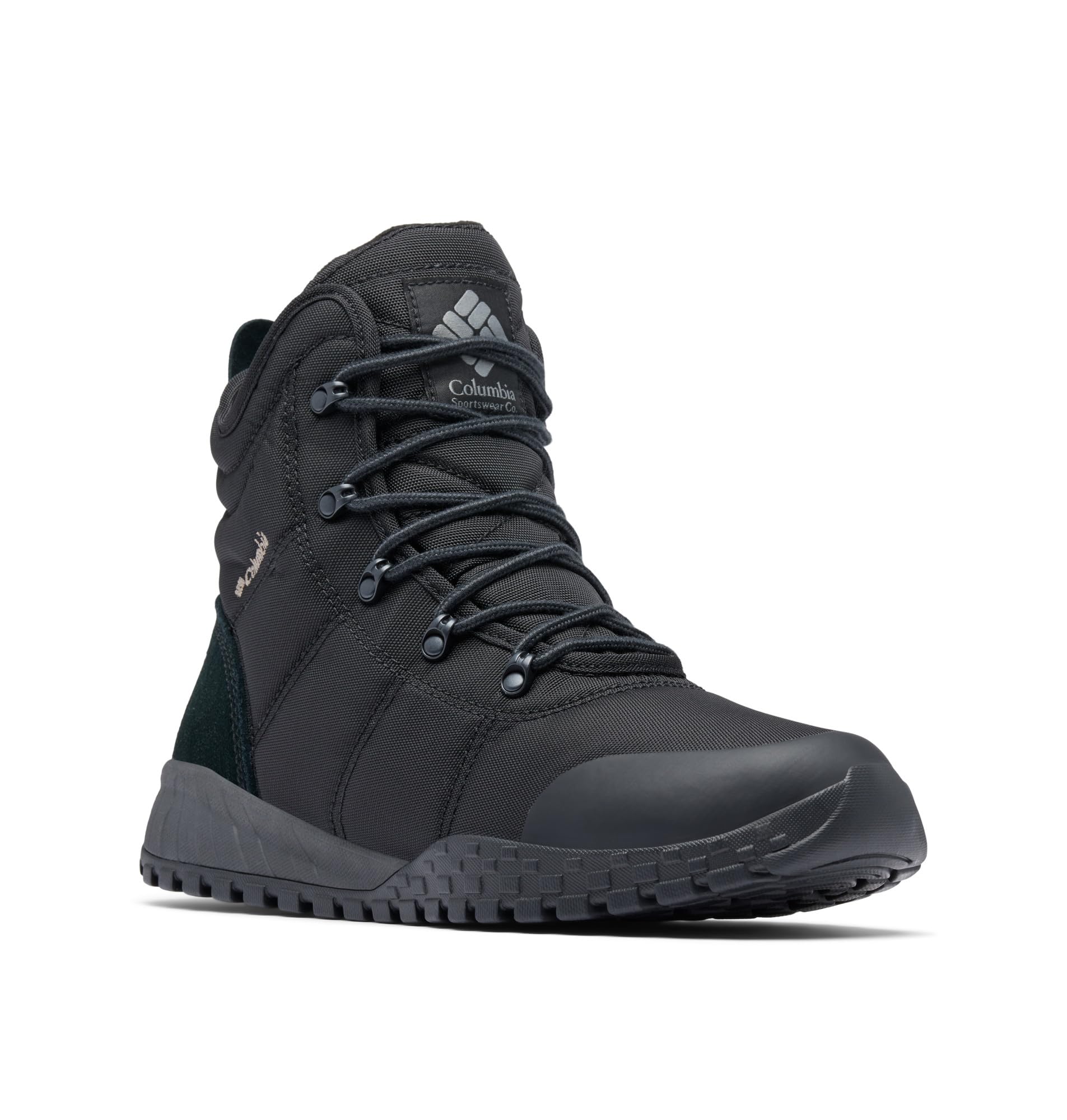
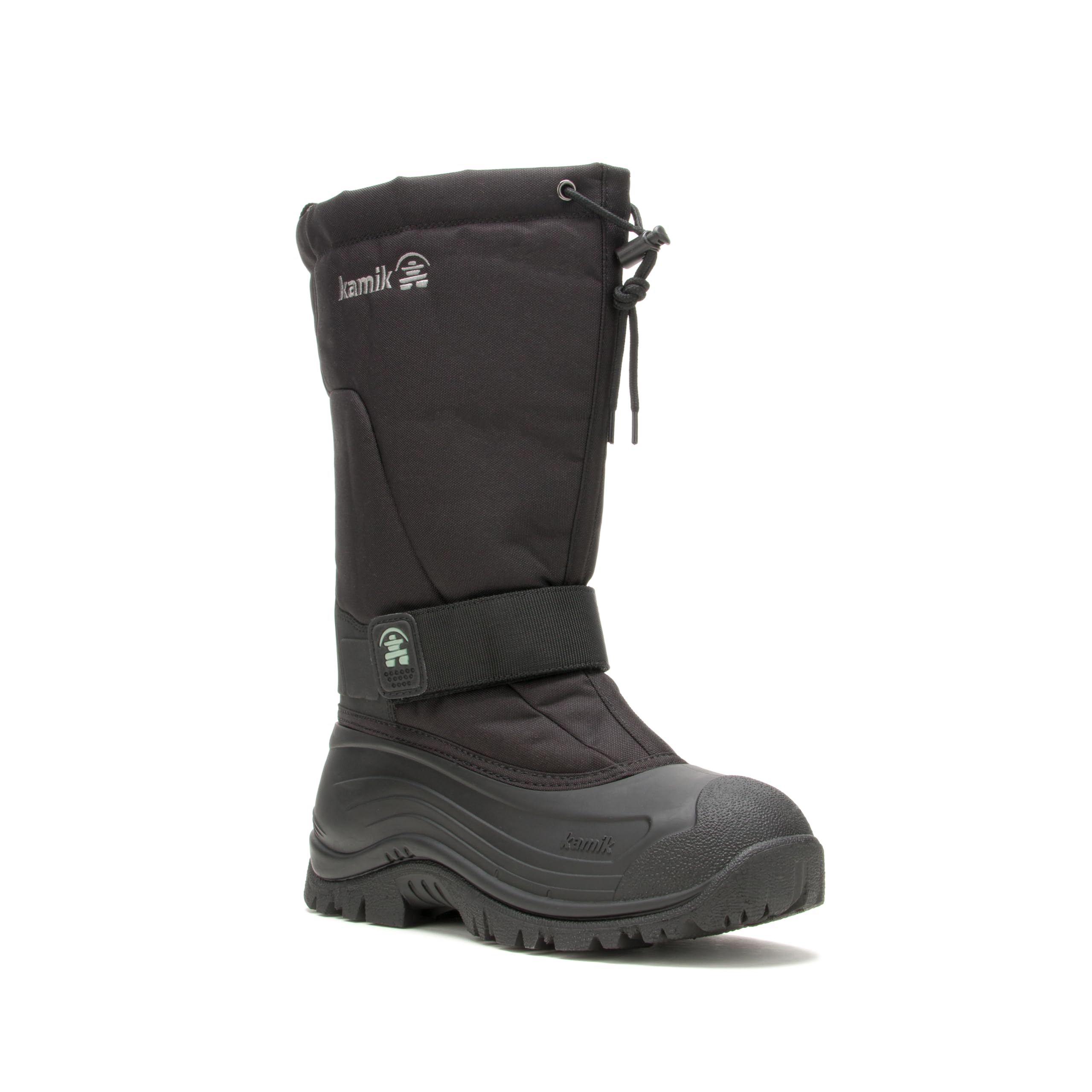
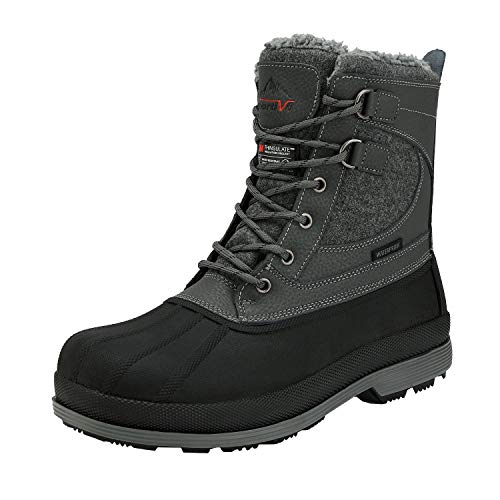
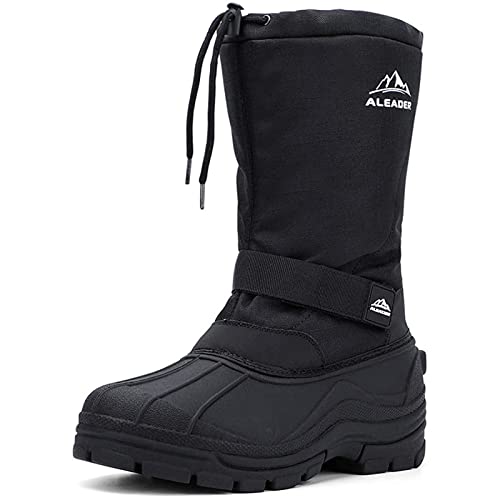

Who Should Buy Which Boots for After Skiing?
Skiers Who Walk Into Town for Dinner and Errands
You need a boot for a full evening on foot, on cleared sidewalks mixed with icy crossings and slushy curbs. A tall or mid height waterproof boot with a lugged outsole suits you best, since it keeps socks dry over distance and looks neat enough for restaurants. If your evenings include photos around the village, see our guide to the best cameras for skiing.
Skiers Who Change at the Car and Drive Home
Your priority is a fast change in a cold parking area, then a safe drive. Look for an insulated slip on boot or a low cushioned winter shoe with a wide opening and pull loops, since numb fingers struggle with long laces. Check that the sole flexes enough to feel the pedals.
Lodge and Condo Guests Making Short Outdoor Trips
You step out for firewood, a hot tub visit, a short dog walk, or a trip to the car, then come back indoors. A slip on boot with a soft lining and a moderate lug gives warmth and grip without the weight of a full snow boot. Choose a style that dries quickly by the door.
Three Apres Ski Boot Styles Compared
The three types below trade warmth, weight, and ease of entry in different ways. This is where the best boots for after skiing choice becomes personal, because the right answer changes with your snow depth and walking distance. Readers comparing close names may also see our guide to the best after ski boots, which covers a similar shortlist from a different angle.
Tall Waterproof Snow Boots for Deep Snow and Long Walks
These boots rise well above the ankle, pair a waterproof membrane such as Gore Tex with thick insulation, and carry deep lugs for untracked snow. They are the warmest and driest option, and they keep snow out when you cross a drift. The trade off is weight and indoor heat. Expect to pay about $100 to $250, and read our guide to the best snow boots for skiing if deep snow is your main concern.
Insulated Slip On Boots for Quick Changes and Short Trips
Slip on boots use an elastic panel or a wide stretch opening instead of laces, with a lined shaft at or just above the ankle. You can step into them while standing beside the car, which matters when your hands are full of skis and poles. Warmth sits in the middle of the range, and a loose opening can let in deep snow. Most pairs cost about $80 to $180.
Low Cushioned Winter Shoes for Dry Pavement and Driving
These look like sturdy walking shoes, with a padded collar, a warm lining, and a rubber outsole cut for wet pavement rather than deep snow. They feel lightest on tired feet, give the best pedal feel for the drive home, and pack flat in a boot bag. Snow over the ankle is their limit, and most pairs cost about $70 to $150.
Key Features to Compare
Insulation and Warmth for Feet That Are Already Cold
After hours in a rigid ski boot, your feet cool down fast once you stop moving, so insulation matters more here than in a hiking boot. Makers rate warmth by insulation weight, and about 200 to 400 grams suits most resort evenings, with the higher end for sitting outdoors. A fleece lining adds comfort against sore skin, but it slows drying. If your feet run cold, choose more insulation and accept a bulkier boot.
Waterproofing for Slush, Spray and Falling Snow
Resort ground is rarely clean snow. It is slush at crossings, spray in parking areas, and wet steps at the lodge door. A sealed membrane keeps that water out, and sealed seams matter just as much, since stitched seams are the usual leak point. A treated upper sheds light snow on its own, but it will wet through in standing slush. For town walking in wet resorts, pick full waterproofing rather than a light treatment.
Outsole Grip on Ice and Packed Snow
The outsole decides whether the walk to dinner feels relaxed or tense. Look for deep, widely spaced lugs that clear snow instead of packing it flat, plus rubber that stays flexible in the cold, since hard rubber skates on ice. A slight heel breast, the stepped edge at the back of the heel, helps on icy slopes and stairs. Avoid smooth fashion soles and shallow trainer treads, even when the upper looks warm.
Fit, Sizing and Toe Box Room for Swollen Feet
Feet swell during a ski day, so try boots late in the day while wearing your thickest ski socks. You want about a thumb width of space in front of your longest toe and a toe box wide enough for your toes to spread, since spreading restores balance and eases pressure on sore joints. The heel should stay seated, with only a small lift. Many skiers go up half a size from their street shoes, which also leaves space for a warmer insole.
Cushioning and Support for Feet Fresh Out of Ski Boots
A soft, thick midsole takes the sting out of hard lodge floors and frozen pavement. Gentle arch support helps tired arches held flat inside a ski boot, and a shaped footbed spreads pressure across the whole foot. Heel to toe drop is usually modest. A lower drop feels more stable on ice, while a higher heel can push weight onto sore toes. If your arches ache for hours after skiing, talk with your clinician about personal needs.
Weight, Flexibility and Easy Entry With Cold Hands
A heavy boot protects you in deep snow, but it taxes legs that have worked all day and takes up room in a travel bag. Lighter boots flex at the forefoot, which gives a natural stride and better pedal control. Wide openings, pull loops, and a rear zip let you change while wearing gloves, while long laces and narrow shafts slow you down in a cold car park.
Common Mistakes to Avoid
- Buying the same size as your ski boots, which leaves swollen toes pressing the front on every downhill walk to the lodge.
- Choosing a smooth fashion sole for resort ground, which turns an icy crossing into a fall risk on the first evening.
- Picking the tallest and stiffest boot for mostly indoor lodge use, which leaves your feet hot and your bag heavy all week.
- Wearing thin cotton socks inside warm boots, which hold sweat against the skin and leave your feet cold within an hour.
- Judging fit in the morning with fresh feet, which hides the tightness you will feel after a day on the slopes.
Care and Maintenance for Boots Used After Skiing
Knock off snow and grit at the door, pull out the insoles, and let the boots air dry at room temperature away from radiators, since direct heat can crack leather and weaken glues. Wipe road salt off with a damp cloth before it dries. Refresh water repellent treatment when water stops beading, and store boots upright with the shafts open.
Boots for After Skiing: Your Questions Answered
What features matter most in boots for after skiing on icy resort ground?
Grip comes first, followed by waterproofing and room for thick socks. One point the feature sections do not cover is low light. Many resort paths are dim by dinner time, so a boot with a reflective detail on the heel helps drivers see you in parking areas. Treat that detail as a real buying factor rather than decoration.
How should boots for after skiing fit at the heel?
Boots for after skiing should hold the heel firmly while the toes stay free. Test this on a ramp in the store. Walk down it and check that your toes do not slam the front, then walk up and check that the heel lifts only slightly. A heel that rides up and down with every step will rub a blister long before the boot softens.
Do boots for after skiing need to be waterproof for a resort trip?
Yes, for most resort trips, because slush and wet steps reach your socks even on short walks. Check the height of the waterproof layer. Some boots seal only the lower section, so deep puddles can still enter over the top. If your resort is known for rain at village level, choose a membrane that runs the full height of the shaft.
Can I wear boots for after skiing all evening in town?
Yes, you can wear boots for after skiing all evening if the insulation level matches indoor heat. Restaurants are warm, so a heavily insulated tall boot can leave your feet sweating for hours. A mid height boot with a breathable lining is the better evening choice, and loosening laces once you sit down helps air move through the boot.
How long is the break in period for boots for after skiing?
Most soft lined boots for after skiing feel right within two or three short outings, while stiff leather snow boots can take a week of evening walks. Wear new pairs around the house before a ski holiday, since a pressure spot that feels minor at home can grow painful on cold skin. Pack a pair you already trust as a backup for the first days.
Wrapping Up
Start with your routine, then match the type to it. Town walkers need waterproof height and grip, drivers need easy entry and a flexible sole, and lodge guests need a light slip on boot that dries fast. Fit the pair late in the day with ski socks on. Choose well and your best boots for after skiing will feel like relief once your ski boots come off, so compare your shortlist in the product table above.


