Best At Ski Boots: A Buying Guide for 2026
Disclosure: We may earn a commission when you buy through links on this page, at no extra cost to you. As an Amazon Associate I earn from qualifying purchases. Learn more

Choosing the best at ski boots comes down to fit, flex, walk mode, weight, and binding compatibility for your tours.
AT ski boots, short for alpine touring boots, have to do two jobs that pull in opposite directions. They must flex and walk naturally while you climb on skins, then lock down stiff and supportive for the descent. Choosing the best at ski boots for your feet and terrain means balancing uphill comfort against downhill control, and the comparison table below lets you compare the key specs side by side.
This guide walks through the decisions that shape your days out, from Mondo sizing and last width to walk mode range, sole type, and binding compatibility. Read it before you order, because a boot that fits poorly or pairs with the wrong binding is expensive to fix.
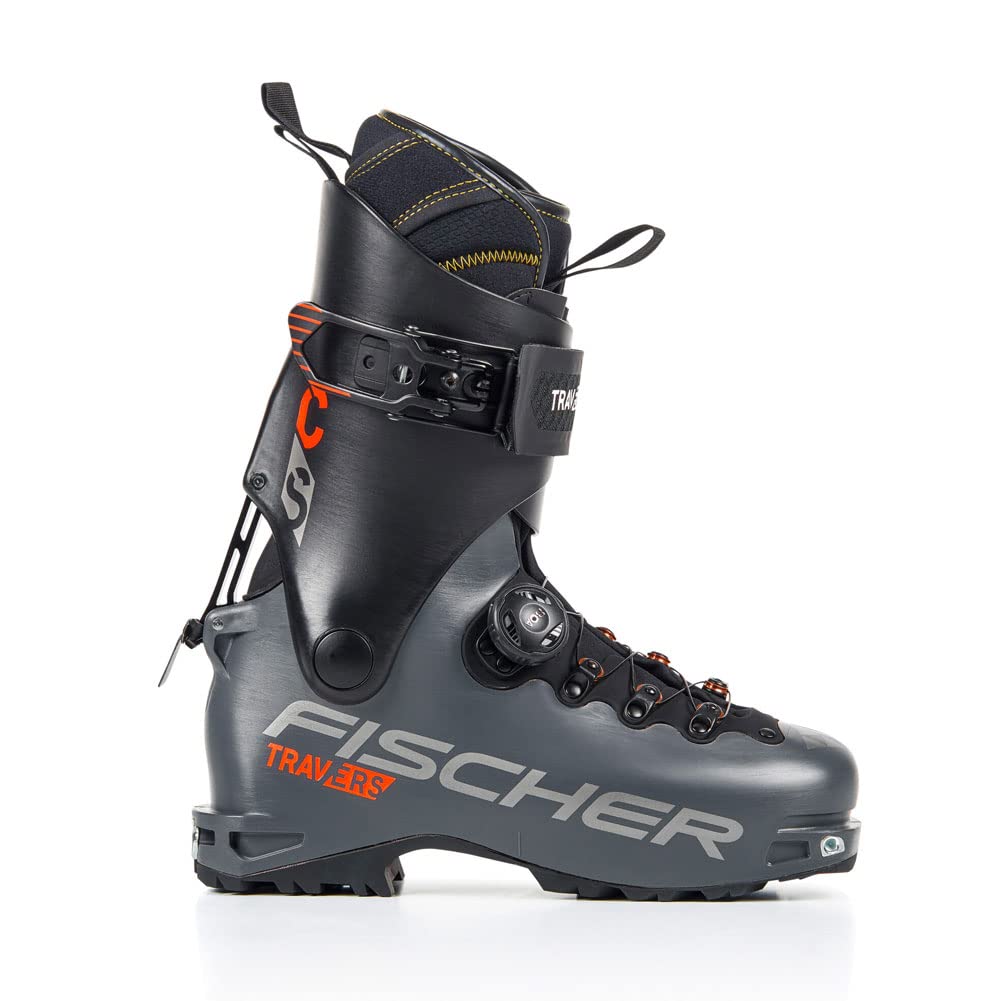
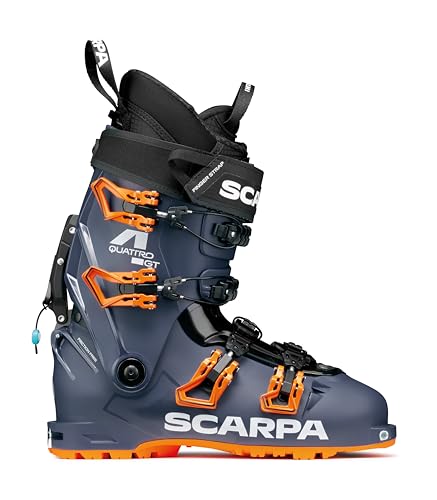
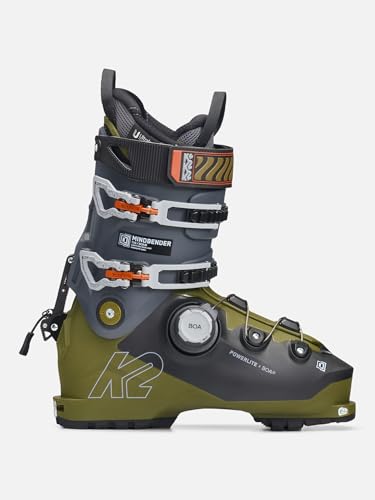
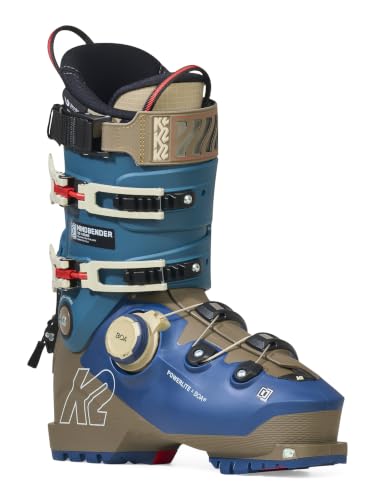
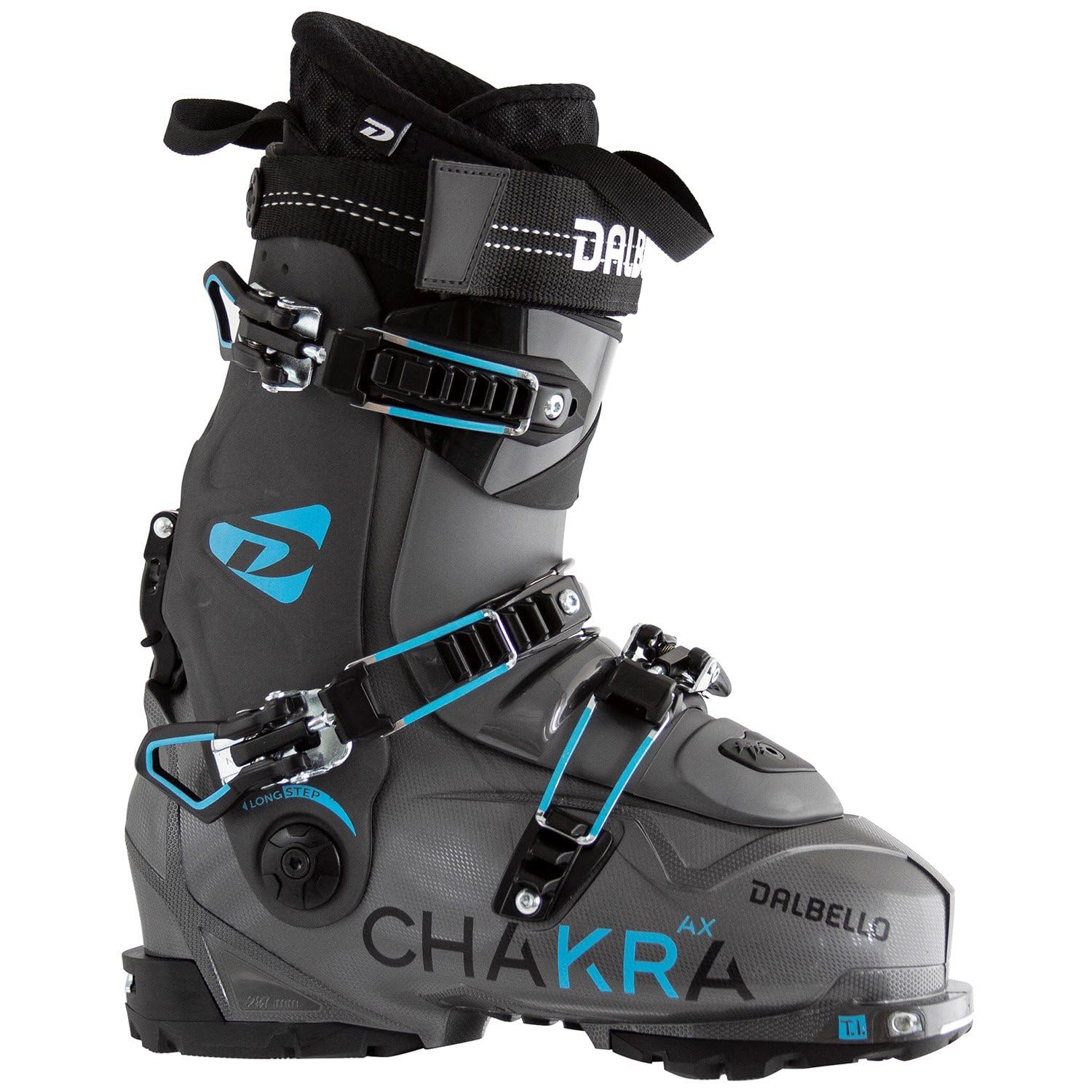
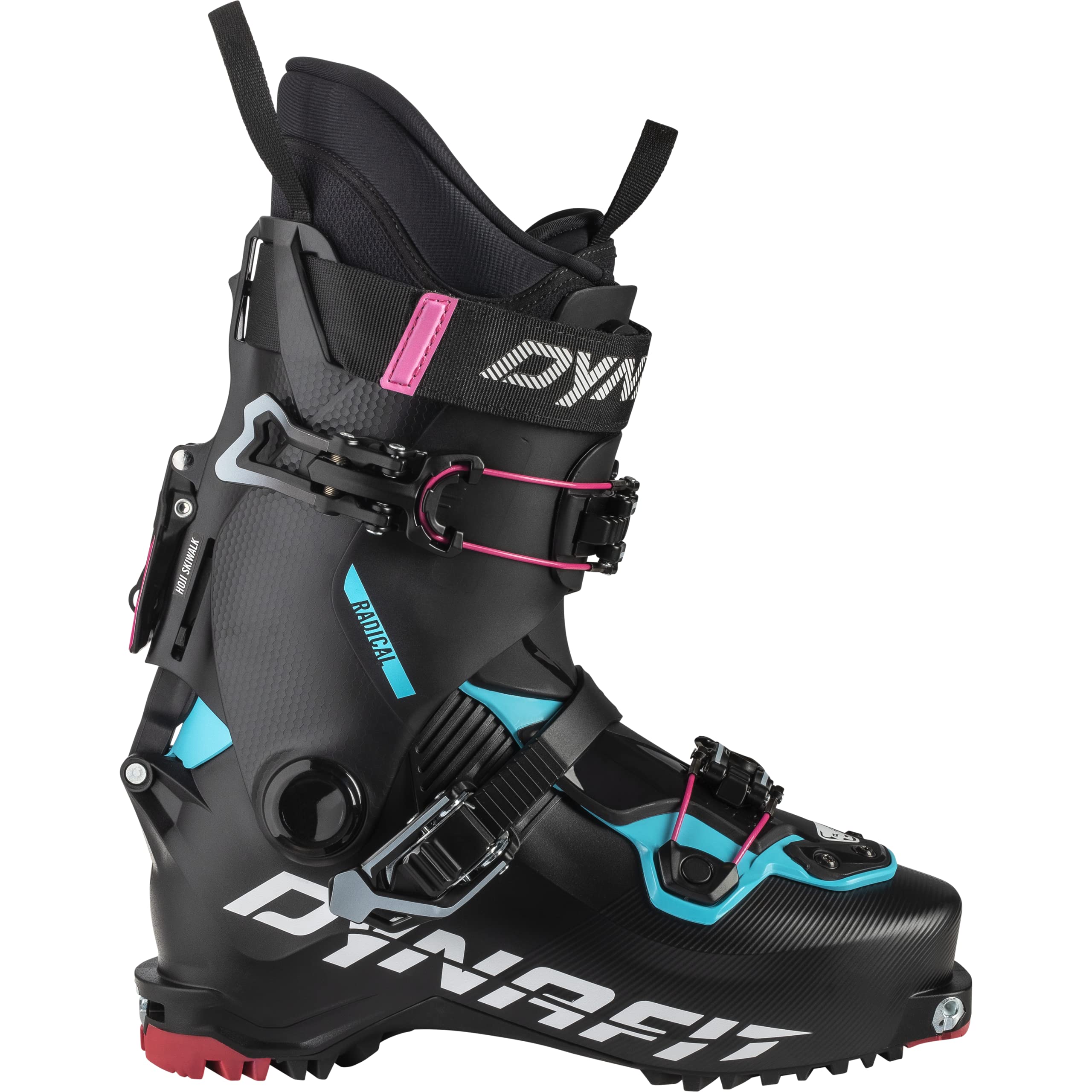

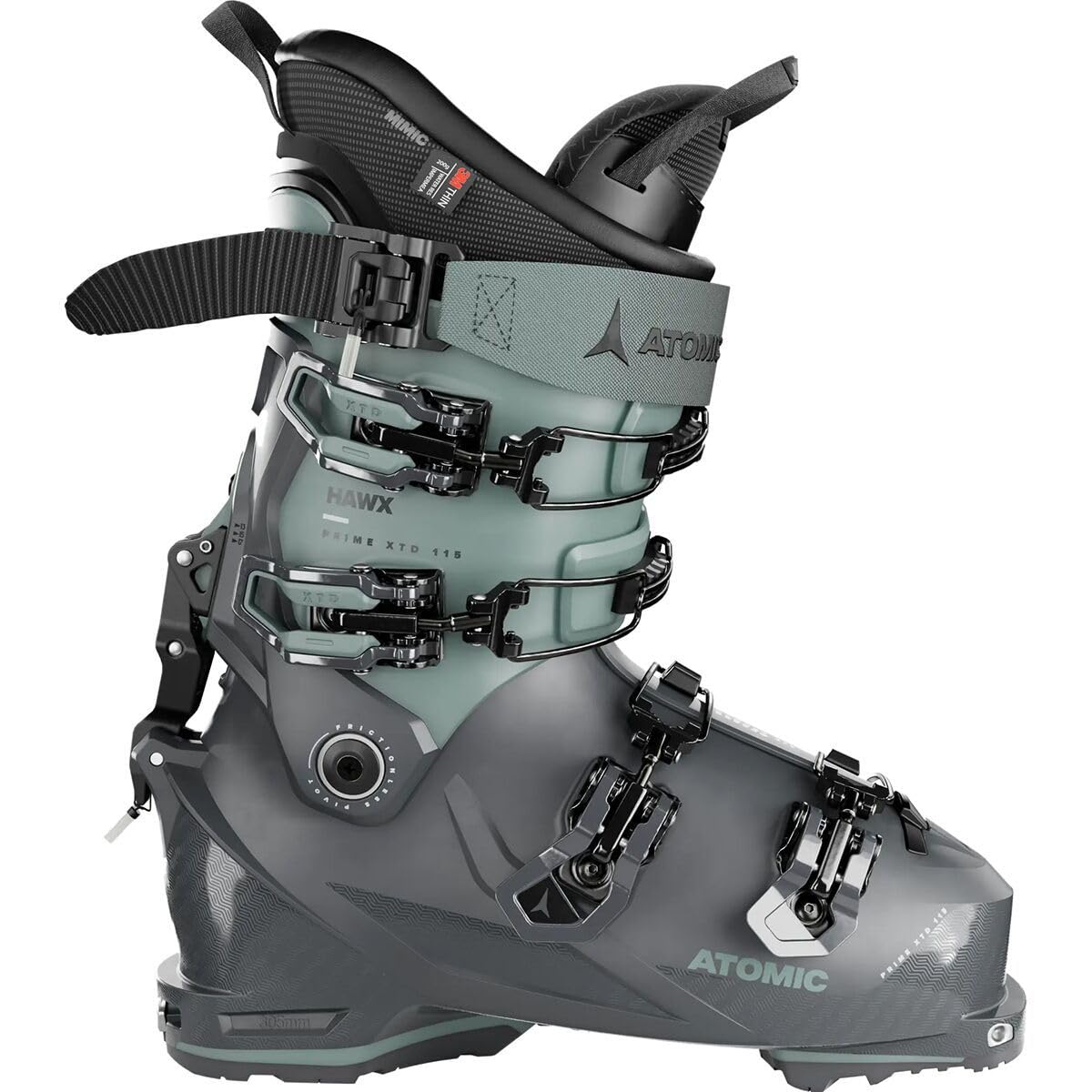

Who Should Buy AT Ski Boots?
Touring boots are built for skiers who earn at least some of their turns. If every day is lift served, a regular alpine boot will usually ski better for less money.
Beginners New to Touring
If you are taking your first tours, look for forgiveness above all else. A softer flex, roughly 90 to 105, a medium or wide last, and a simple walk mode lever make the learning curve kinder on the climb and the descent. Beginner friendly boots tend to cost less and weigh a bit more, and that trade is worth it while your technique develops.
Intermediate Backcountry Skiers
Skiers with a few seasons of tours behind them usually settle in the middle of the range. A flex around 105 to 120 gives real support in variable snow without punishing your shins on long climbs. Look for a walk mode with at least 50 degrees of motion. This group benefits most from a heat molded liner, because small fit problems grow painful on longer tours.
Advanced and Freeride Tourers
Strong skiers who charge steep lines or mix resort days with backcountry days need the stiff end of the range, around 120 to 135 in flex, plus a secure power strap and four buckles. These boots weigh more and walk a little less freely, but they transmit steering input the way an alpine boot does. Do not let a light weight number talk you out of the support you need.
How to Choose the Best At Ski Boots
The factors below decide whether a boot disappears on your foot or ruins your tour by noon. Use the product table above to check how the models you are considering handle each one.
Skill Level and Intended Use
Start with an honest split of your season. A boot used almost entirely for backcountry tours can favor low weight and a generous walk mode, while a crossover boot that also sees resort days needs a stiffer shell and a sole that works in more bindings. Match the boot to the skiing you do most.
Size, Weight, and Fit
Touring boots use Mondo sizing, which is simply your foot length in centimeters, so a size chart conversion from your street shoe is only a starting point. Measure both feet in the evening, standing, and expect a snug shell fit with roughly 10 to 20 mm of space behind your heel when your toes touch the front with the liner removed. Last width matters just as much. Narrow lasts run about 97 to 99 mm, medium lasts about 100 to 102 mm, and wide lasts 103 mm or more.
Weight deserves the same care, because you lift each boot thousands of times per tour. Ultralight boots can weigh under 1200 grams each, mid weight models land around 1300 to 1500 grams, and freeride boots go heavier. If pressure points remain after molding, see our guide to the best insoles for ski boots for ways to support your arch and heel.
Women often find a better match in models shaped for a lower calf and a narrower heel, with flex ratings scaled for lighter body weight. If unisex lasts leave your heel swimming, see our guide to the best women's ski boots for shaped options with full touring features.
Walk Mode and Range of Motion
The walk mode frees the cuff to pivot so you can stride and skin efficiently. Range of motion is listed in degrees, and most capable touring boots offer about 50 to 62 degrees of total movement. More motion matters most on long approaches and steep kick turns. Check that the lever flips easily with gloves on and locks solidly for the descent.
Materials and Construction
Shell plastics set the balance between weight and downhill feel. Grilamid and Pebax shells keep weight low and stay lively in cold weather, while polyurethane shells feel damper and more progressive but add grams. Carbon infused cuffs add rearward support on performance models without much weight. Liners range from basic foam to fully heat moldable designs. Construction quality shows in smooth buckle action and a sole bonded evenly with no gaps.
Binding Compatibility and Sole Safety
This is the one area where a wrong choice is a safety problem, not just a comfort problem. Most AT boots carry metal tech fittings at the toe and heel that click into pin bindings, and those fittings must be clean and fully seated for the binding to hold and release as designed. Sole type decides which other bindings you can use. Fully rockered touring soles built to the ISO 9523 standard belong in touring bindings or bindings marked as multi norm. GripWalk soles work in GripWalk certified alpine bindings.
Never assume a sole and a binding are compatible because the boot seems to click in. A mismatch can stop the binding from releasing in a fall, which raises the risk of leg injury. Have a certified technician confirm your boot and binding pairing and test the release before your first tour. If you mostly ride lifts, compare your options in our guide to the best ski boots first.
Performance Characteristics
On the descent, performance comes from a flex that bends smoothly rather than folding at one hinge point, plus lateral stiffness that holds an edge on firm snow. Forgiveness matters in broken, refrozen snow, where a slightly softer boot absorbs chatter instead of deflecting you off line. On the ground, a rockered sole with deep rubber lugs gives grip for bootpacking up rock and crossing icy parking lots.
Value and Included Accessories
Entry models start around $350, while top models reach about $900, and the extra money mainly buys lighter materials, moldable liners, and stiffer construction rather than basic safety. Check what comes in the box, because some models include a power strap, cuff spoilers, or alternate soles while others sell those pieces separately. Budget for a professional fitting session as well, since molding and shell adjustments usually improve your skiing more than stepping up one model tier.
Types of AT Ski Boots
Most models fall into a few broad families, and the family tells you more than any single spec on the product page.
Beginner Options
Beginner options pair a soft to medium flex with a roomier fit and a forgiving liner that tolerates small sizing errors. They are rarely the lightest boots available, but they ski predictably and keep the price down. For a first season of short tours on gentle terrain, this family is the smartest place to start.
Advanced and Performance Options
Advanced and performance options use stiffer shells, carbon reinforced cuffs, and narrower lasts to deliver precise power transfer at speed. They reward good technique and punish sloppy skiing, and their tight fit leaves little room for thick socks. Choose this family when the descent is the point of your tour.
Kids and Youth Options
Kids and youth options come in smaller Mondo sizes with much lower flex ratings matched to light body weight, and some accept both touring and junior alpine bindings. Resist the urge to buy growing room, because an oversized boot lets the foot slide and blister on the climb. Young skiers outgrow boots quickly, so lease programs often make more sense than buying new.
AT Ski Boots for Specific Needs
Best Ski Boots for Hiking
The best ski boots for hiking and long approaches on foot prioritize three things above downhill stiffness. First, a walk mode with 55 degrees or more of motion so your stride stays natural on dry trail. Second, low weight, since every gram counts double on a long walk in. Third, a deeply lugged, rockered sole that grips wet rock and mud. For a broader look at footwear built for long days on the trail, see our guide to the best at boots.
Setup and Care Tips
A proper setup starts before your first tour. A custom footbed supports your arch and can correct mild alignment issues that cause knee and ankle fatigue, so read our guide to the best footbeds for ski boots if you plan to have a fitter finish your setup. Then build these habits into every trip:
- Dry your liners after every tour by pulling them from the shells and airing them away from direct heat, which protects the foam and limits odor.
- Store your boots with the buckles closed lightly so the shell keeps its shape, and keep them out of hot cars.
- Inspect the tech fittings, sole lugs, and walk mode lever before each use, and clear packed snow and grit out of the fittings.
- Clean mud and road salt off the shells and soles after outdoor use, then let everything dry fully.
- Follow the manufacturer guidance for buckle tension and liner molding, and never use a heat gun at home to reshape a shell.
- Replace worn sole pieces promptly, because rounded lugs reduce grip on rock and the precision of the binding interface.
FAQ
What Mondo Size Should You Choose for AT Ski Boots?
Choose the Mondo size that matches your longer foot measured in centimeters, then confirm it with a shell check. Most skiers land one to two sizes below their street shoe number, which surprises many first time buyers. If your feet differ in length, fit the larger foot and let a fitter take up space in the smaller boot. Always try boots with the thin ski socks you actually tour in.
Is a Premium AT Ski Boot Worth the Cost for a Beginner?
Usually not, because the gains from premium models are lighter materials and stiffer shells that beginners cannot yet use. A mid priced boot with a moldable liner will serve a first season better. Spend the difference on a professional fitting and an avalanche safety course instead.
Can AT Ski Boots Release Safely in Alpine Bindings?
Only when the sole standard and the binding certification match, and a shop has set the binding up for that exact boot. One detail many skiers miss is that swapping between two boots in the same binding changes the forward pressure and release settings, even when both share a sole length. Have the technician record your settings for each boot so you can restore them when you switch.
How Long Do AT Ski Boots Last?
Most AT ski boots last about 100 to 150 days of touring before the liner packs out and the fit turns sloppy. The shell usually lasts longer, so replacing the liner can restore a precise fit for a fraction of the cost of new boots. Retire a boot sooner if the shell cracks, the tech fittings loosen, or the walk mode develops play.
How Much Range of Motion Do AT Ski Boots Need for Long Tours?
About 50 degrees of total cuff motion covers most long tours comfortably, and more mainly helps on very steep skin tracks. One factor the spec sheet hides is friction, because a boot that pivots freely at 50 degrees walks better than a draggy boot rated at 60. Before buying, walk up stairs in the shop with the walk mode open and feel whether the cuff swings freely.
Wrapping Up
Fit, flex, and binding compatibility decide almost everything about how a touring boot performs, so weigh those three before chasing the lowest weight number. Confirm the shell fit with a proper shell check, and verify that your soles and bindings are a certified pairing. Compare your finalists in the product table above, and you will end up with the best at ski boots for the way you actually ski.