
Best Bookshelf Stereo Speakers: A Practical Guide for Buyers 2026
Disclosure: We may earn a commission when you buy through links on this page, at no extra cost to you. As an Amazon Associate I earn from qualifying purchases. Learn more
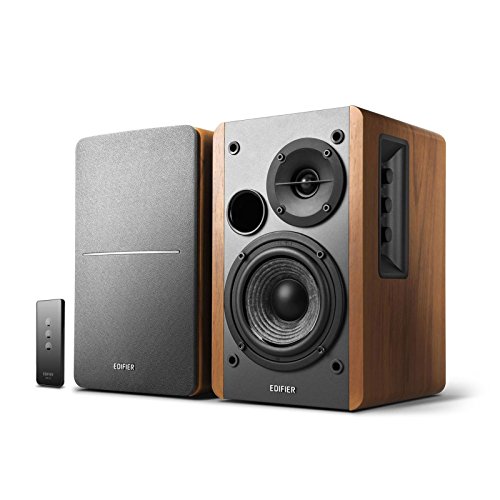
Compare bookshelf stereo speakers by sound stage, cabinet size, amplifier needs, and placement, with setup guidance for music, films, and desk use.
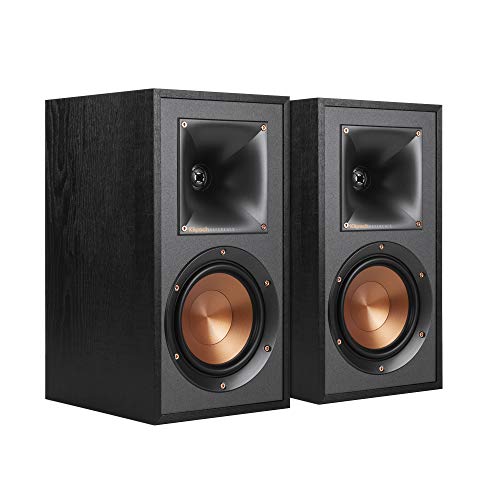
Two matched speakers, placed well, can create a sound stage that a single box never will, and the best bookshelf stereo speakers make that effect the heart of a small system. They place voices in the center, spread instruments left and right, and fit on a shelf, a desk, or a pair of stands. This guide explains what to look for, how to power the pair, and how to place the speakers for a convincing stereo image.
Use the product table to compare models by size, power, and price, then read the sections below to decide between powered and passive designs and to avoid the setup mistakes that flatten a stereo picture.




What Makes Stereo Sound Work
Stereo works because each ear hears a slightly different mix from the left and right speakers, and your brain builds a sound stage between them. For that to happen, the two speakers should be a matched pair, placed the same distance from your seat, with tweeters near ear height. A pair of unmatched speakers or a pair placed unevenly can pull the image to one side.
Imaging is also helped by speakers with a stiff cabinet and a well designed tweeter, which keep sound focused and prevent smearing. These traits are more common as price rises, but careful placement improves even a modest pair.
Powered or Passive Stereo Pairs
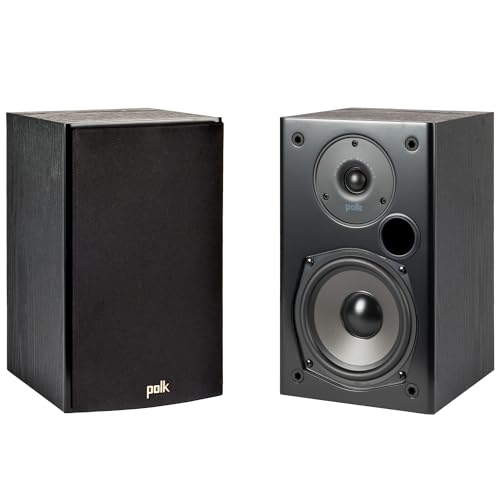
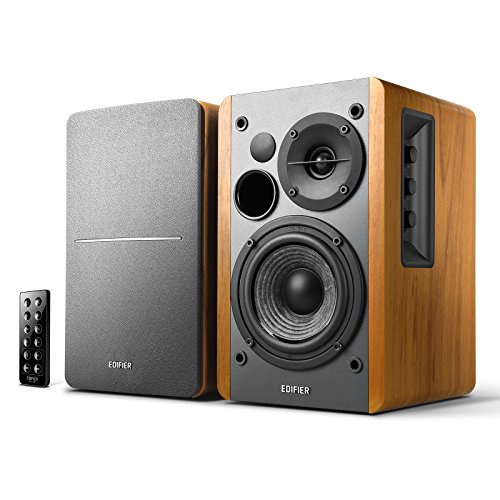
Powered pairs include an amplifier. One speaker usually holds the electronics and connects to the second with a cable. They need only a source and a power outlet, and many include Bluetooth, optical, and RCA inputs. They suit desks, bedrooms, and anyone who wants a simple system.
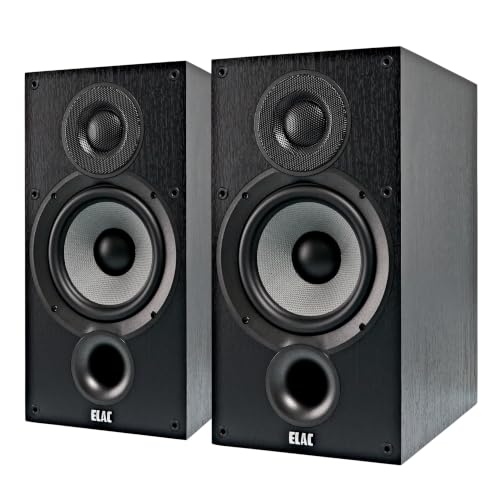
Passive pairs need a stereo amplifier or receiver. That adds cost and wiring, but it lets you upgrade the amplifier, add a turntable, or build a system over time. Passive speakers are also easy to place, because they need no power outlet near them.
Features That Matter
Driver Size and Cabinet Type
A 4 to 5 inch woofer suits desks and small rooms, while a 6.5 inch woofer fills a living room more easily. Sealed cabinets give tight bass and tolerate placement near a wall, while ported cabinets reach lower but need a few inches of space behind them.
Amplifier Matching
For passive pairs, check the sensitivity and impedance. A higher sensitivity speaker plays louder with the same amplifier power, and an 8 ohm speaker is easy for most amplifiers to drive. Leave headroom so loud passages do not distort.
Inputs and Everyday Use
Think about the sources you use: a phone, a computer, a television, or a turntable. Powered pairs list their inputs, while passive pairs rely on the amplifier. Choose a system with the inputs you need now and one spare.
Placement for a Stable Stereo Image
Form a triangle with your head and the two speakers. A distance between the speakers about equal to the distance from the speakers to your seat is a good start. Angle the speakers slightly toward you, a setup called toe in, and adjust until a voice in the center seems to come from between the speakers.
Keep both speakers at a similar distance from the side walls and the back wall. A speaker in a corner on one side and open space on the other will sound uneven. Use stands or risers to bring tweeters to ear height, and add a rug or curtain if reflections make the sound harsh.
Types Compared
| Type | Good For | Watch For |
|---|---|---|
| Powered pairs | Desk setups, simple rooms | Built in amplifier cannot be swapped |
| Passive pairs | Home stereo systems | Needs amplifier and wire |
| Near field pairs | Close desk listening | Less bass in large rooms |
Care and Daily Use
Dust the grilles gently, keep drinks away from the tops, and check the speaker wire every few months for loose strands. Keep both speakers at a similar height and orientation. If one speaker sounds weaker, check the balance control and the cables before suspecting a fault.
Give a new pair a few days of normal listening before judging it, because your ears adjust and small placement moves often change the result more than any setting.
Choosing for Your Room and Budget
Match the size of the speakers to the size of the room. In a small bedroom or a desk setup, compact pairs with 4 inch woofers keep bass under control and image well at close range. In a medium living room, a pair with a 5 or 6.5 inch woofer gives fuller sound without strain. Very large or open rooms may need a subwoofer or a larger speaker for the same loudness.
Prices span a wide range. Pairs around $100 to $200 deliver clear stereo for casual listening. The $250 to $500 range brings better cabinets, smoother treble, and wider sound stages. Above that, you pay for refinement and finish, and the gains reward careful placement and a good amplifier. Whatever you spend, leave room in the budget for stands, cables, and an amplifier if the pair is passive.
Finally, plan how the system might grow. A powered pair can later gain a subwoofer or a streamer, while a passive pair can pick up a better amplifier or a turntable. Choose the path that suits how you like to build a system.
Quick Buyer Checklist
- Is it a matched pair, with identical left and right speakers?
- Do you know whether you need an amplifier, and is it in the budget?
- Do the inputs cover your phone, computer, television, or turntable?
- Will the pair fit on your shelf or stands with room behind for air and cables?
- Can you place both speakers at similar distances from the walls?
Common Mistakes
- Placing one speaker near a corner and the other in open space.
- Mounting the speakers at different heights.
- Sitting too close or too far compared with the spacing of the pair.
- Choosing a passive pair without planning for an amplifier.
- Judging a pair only at loud volume.
Take a moment to listen with music you know well, including a recording with a clear center vocal. If the voice drifts to one side or sounds hollow, check the balance setting, the speaker polarity, and the distances before changing anything else.
Related Guides
For related choices, see our guides to the best bookshelf speakers, best stereo speakers, and best powered bookshelf speakers.
Frequently Asked Questions
How far apart should stereo speakers be?
Start with a spacing about equal to the distance from the speakers to your seat, then adjust slightly by ear until the center image is stable.
Do bookshelf stereo speakers need stands?
Stands help by lifting the tweeters to ear height and reducing vibration, but a sturdy shelf can work if the height is right.
Can I use bookshelf stereo speakers with a television?
Yes, if the speakers or amplifier accept your television output, such as optical, HDMI ARC, or analog audio.
Are powered stereo speakers good enough for music?
Yes. Good powered pairs sound excellent, and they suit most buyers who want a simple system.
Do I need a subwoofer?
Not at first. Many pairs give satisfying bass in a small room, and you can add a subwoofer later if you miss deep bass.
Final Thoughts
The best bookshelf stereo speakers are a matched pair that suits your room, your sources, and your budget. Choose between powered and passive designs, keep the two speakers symmetrical, place the tweeters at ear height, and use the product table to compare options before you order.


