
Best Bookshelf Speakers under 800: A First Time Buyer's Guide for 2026
Disclosure: We may earn a commission when you buy through links on this page, at no extra cost to you. As an Amazon Associate I earn from qualifying purchases. Learn more

Shopping for the best bookshelf speakers under 800 for the first time? Learn the terms, compare options, and avoid rookie mistakes with this easy guide.
Buying speakers for the first time can feel confusing because every listing throws numbers, driver sizes, and connection terms at you all at once. This guide slows things down and explains each idea in plain language before you spend anything.
If you are shopping for best bookshelf speakers under 800 dollars for a living room, desk, or bedroom, you are in a strong price range. Use the comparison table below to see how models differ, then read on to learn what those differences actually mean for your music, movies, and games.
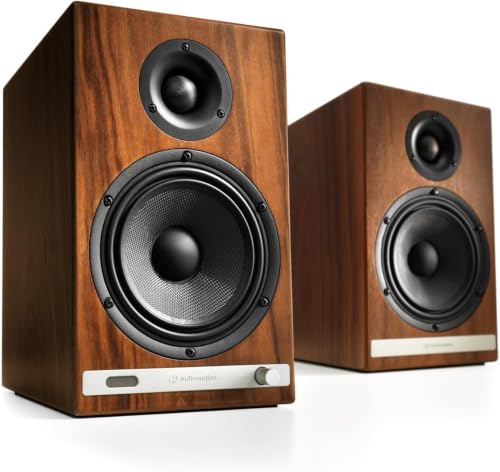

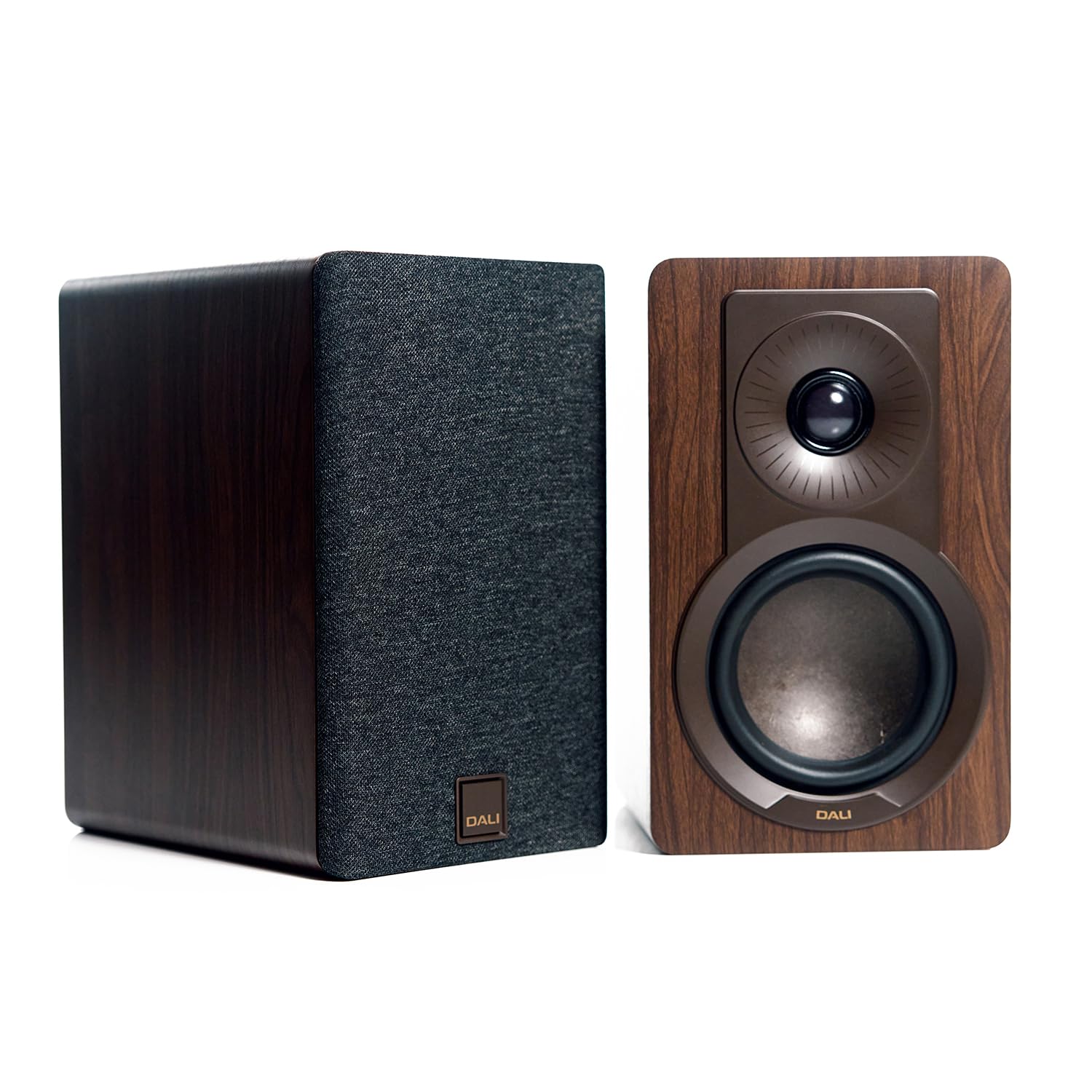


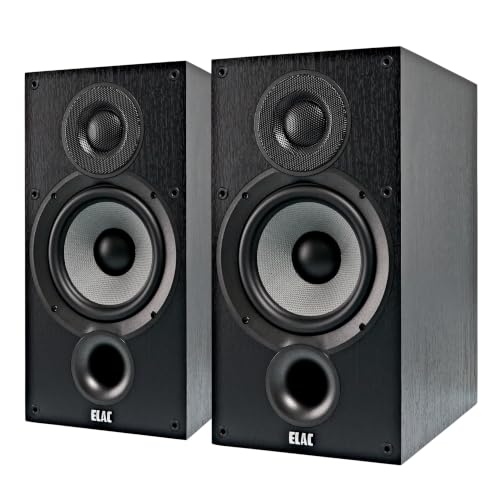


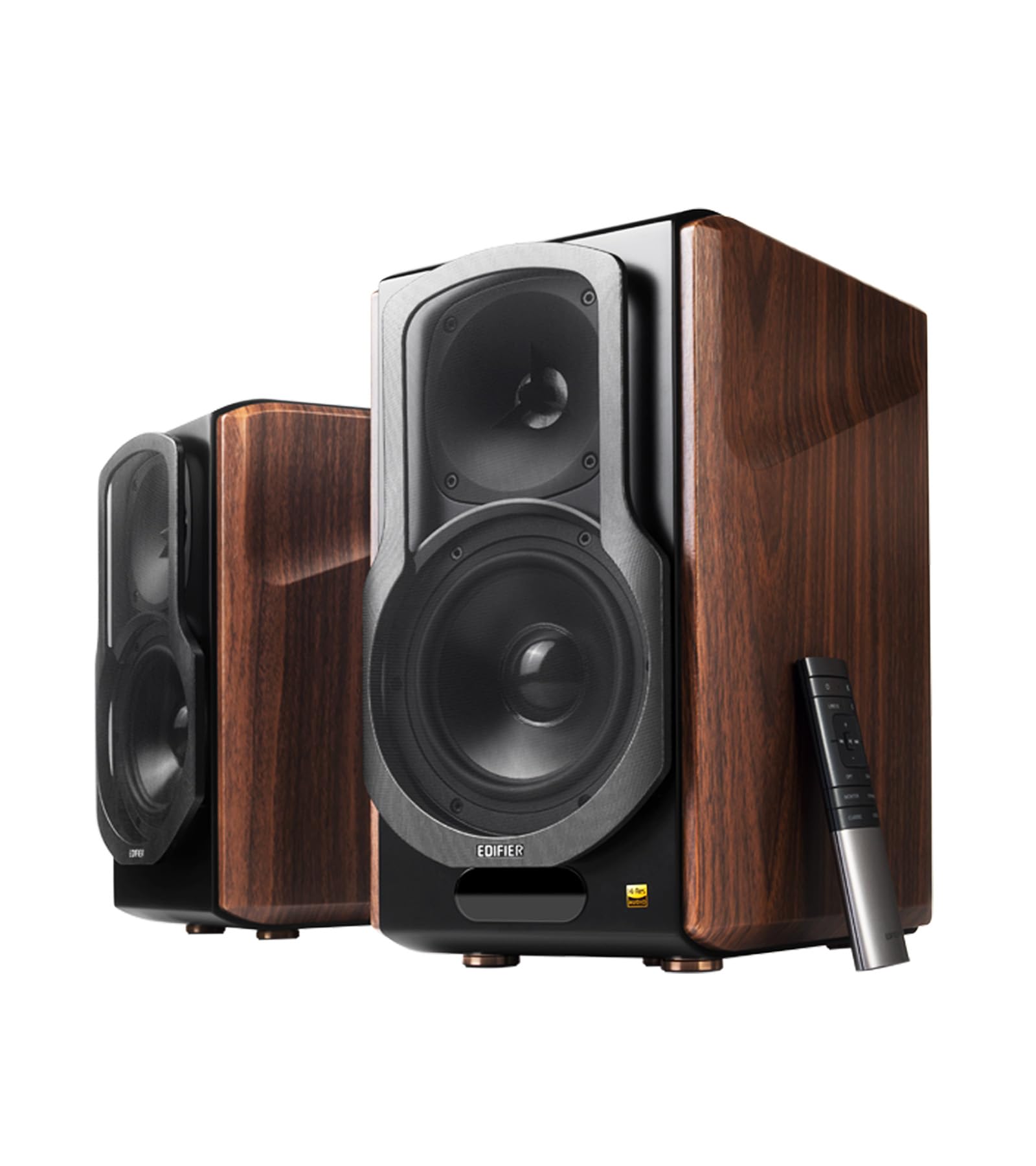
Bookshelf Speakers 101: The Basics
A bookshelf speaker is a compact speaker made to sit on a shelf, a stand, or a desk rather than on the floor. Most are sold as a pair, and the pair plays left and right channels so voices and instruments have a sense of place. That stereo image is the main reason two smaller speakers often sound more engaging than one larger box.
There are two main families. Passive speakers need a separate amplifier or receiver to power them, while powered speakers have the amplifier built in and plug into a wall outlet. Passive setups give you more upgrade paths later. Powered setups are simpler to start with because you connect your phone, TV, or turntable and play.
Inside each cabinet, drivers move air to make sound. A woofer handles bass and midrange notes, and a smaller tweeter handles high notes such as cymbals and vocal detail. A crossover splits the signal between them so each driver does the job it handles best.
Key Specs Explained in Plain English
What You Can Realistically Get Under $800
Around $800 for a pair is enough for solid cabinets, capable drivers, and clean amplification in powered models. Expect clear vocals, controlled bass for small and medium rooms, and finishes that look at home on furniture. At this level you usually give up very deep bass that shakes the room, luxury wood veneers, and advanced room correction found in costlier systems. Do not save money by skipping the amplifier, cables, or stands your chosen type needs, because a speaker without proper power will disappoint no matter how good its drivers are.
Sound Quality and Tuning
Frequency response describes the range of notes a speaker can play, from low bass to high treble. A wider range helps, but the shape of that response matters more than the endpoints on a spec sheet. A neutral tuning keeps vocals and instruments close to the original recording, while a warmer or bass forward tuning can sound fun yet may blur detail. Driver size also plays a role, since a 5 inch or 6 inch woofer usually moves more air than a 3 inch woofer and fills a room with less strain. For most first time buyers, clear midrange matters most because that is where voices live.
Size, Weight, and Shelf Fit
Measure your shelf or desk before you fall for a model, because speakers in this class vary a lot in depth once cables are attached. Leave a few inches behind any speaker with a rear port so air can move and bass stays clean. Weight is a useful clue to cabinet build, since a heavier cabinet often vibrates less and sounds tighter. Still, very heavy speakers need sturdy shelves or stands rated for the load. Check the footprint against books, lamps, and your TV so the pair can sit at a sensible width apart.
Connectivity (Bluetooth Version, Codecs, Wired)
Wired connections remain the most reliable route for TV and turntable use, through analog inputs, optical, or HDMI on some powered models. Bluetooth adds easy streaming from a phone, and a recent version such as Bluetooth 5.3 tends to hold a steadier connection with less delay. Codec support affects streaming quality, with AAC serving Apple devices well and aptX or LDAC helping some Android phones send more detail. Multipoint pairing lets a powered speaker stay linked to two devices at once, which helps in shared rooms. For movies and games, a wired link still gives the lowest delay.
If your budget is flexible, it helps to see how this range sits between tiers. Readers comparing value can look at the best bookshelf speakers under 500 to see what you give up for less money. Those with more room to spend can check the best bookshelf speakers under 1000 to judge whether the step up adds features you will actually use.
Placement and Room Size (for Speakers)
Placement can change the sound as much as the speaker itself, and it costs nothing to get right. Aim the pair so the tweeters sit near ear height when you are seated, and form a rough triangle between the two speakers and your listening spot. Small desks and bedrooms suit compact models, while larger living rooms benefit from bigger woofers or a later subwoofer addition. Keep speakers a little away from walls and corners if bass sounds boomy. A matched pair is made for stereo, so avoid splitting the two boxes into different rooms.
Ecosystem and App Features
Some powered speakers include an app with EQ controls, source switching, and firmware updates. EQ is useful because a simple bass or treble trim can tame a bright room or add warmth on a desk. Firmware updates can fix bugs and improve Bluetooth behavior, so a maker with a clear update record is a plus. Remote controls, auto standby, and wake on signal make daily use easier than deep menu systems. None of this replaces good basic sound, so treat app features as a tie breaker between two speakers you already like on paper.
Rookie Mistakes to Avoid
- Buying passive speakers with no amplifier plan. Passive models make no sound on their own, so include an amp or receiver in your total budget from the start.
- Judging by watt numbers alone. Watt claims are measured in different ways and say little about clarity, so driver quality and room size matter more.
- Cramming speakers into a closed cabinet. Enclosed shelves trap heat for powered models and muddy the sound, especially with rear ports blocked.
- Placing the pair far apart or at odd heights. Poor placement ruins stereo imaging even with excellent speakers, so set the triangle and ear height first.
- Spending the whole budget on speakers only. Stands, cables, and a source you enjoy using are part of the system, not extras to fund later.
If you are working with a much smaller budget, the best bookshelf speakers under 300 show what entry level money buys and which trade offs to expect. Reading that tier helps you see exactly what the extra money at $800 improves.
Getting Started: Setup and First Use
Start by placing both speakers, then connect power and sources with the system off to avoid pops. For passive pairs, match positive and negative terminals on both sides so the speakers stay in phase and bass stays full. Keep firmware updated on powered models before you judge the sound, since updates can change EQ and connection behavior.
Play familiar songs at a moderate level first and adjust placement in small moves before touching EQ. Store powered speakers with ventilation, keep cabinets dry, and dust drivers gently with a soft cloth rather than pressing on them. Give your ears a few days with one setup before swapping cables or settings, because constant changes make it hard to learn what you like.
Frequently Asked Questions
Can you get a good bookshelf speaker under $800?
Yes, $800 is a strong budget for a first pair. At this level you can get clear vocals, solid cabinets, and enough bass for most rooms without a subwoofer. The main limits are very deep movie bass and premium finishes. Spend on the speaker type that fits your sources, and keep some budget for stands or an amplifier if needed.
Wired or wireless: which sounds better?
Wired usually sounds better and has less delay. A cable carries the full signal without compression and keeps movies and games in sync. Wireless Bluetooth is more convenient for quick phone streaming and still sounds good for everyday listening. Many owners use both, with wired for TV and turntable and Bluetooth for casual phone use.
The Bottom Line
For a first purchase, decide between passive and powered first, match speaker size to your room, and place the pair at ear height in a triangle with your seat. Those three choices shape your sound more than any single spec. When you are ready to choose your best bookshelf speakers under 800, compare the short list in the product table above and pick the pair that fits your sources and your shelf.


