
Best Bookshelf Speakers for TV 2026: A Practical Guide
Disclosure: We may earn a commission when you buy through links on this page, at no extra cost to you. As an Amazon Associate I earn from qualifying purchases. Learn more
Learn how to choose bookshelf speakers for television, covering dialogue clarity, powered versus passive models, placement, and connection options.
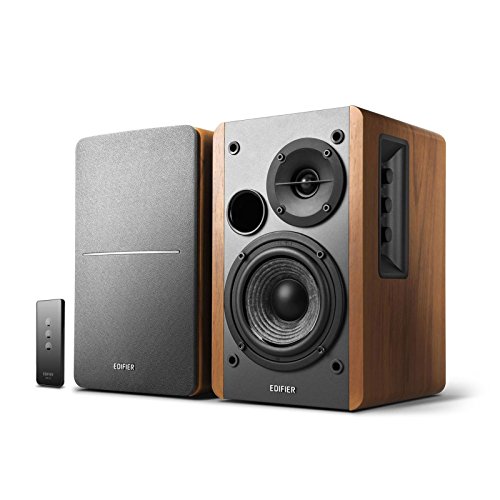
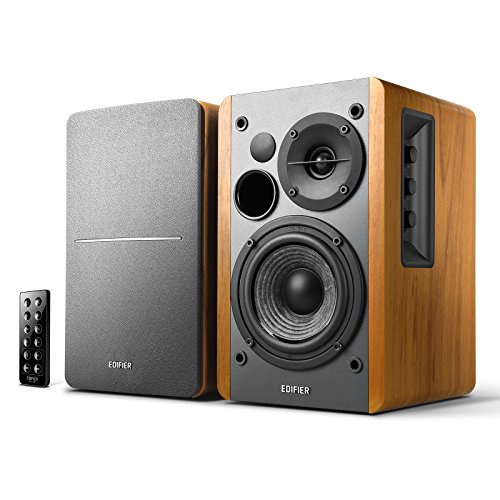
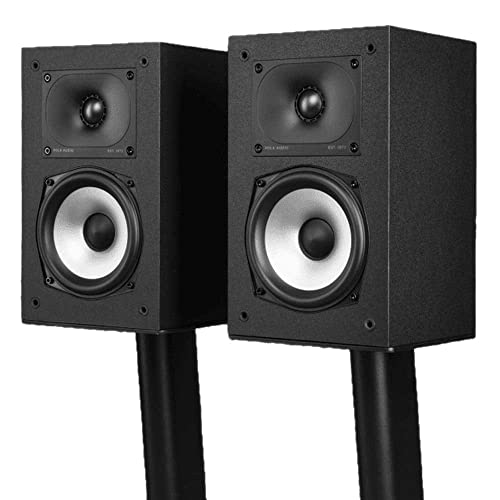
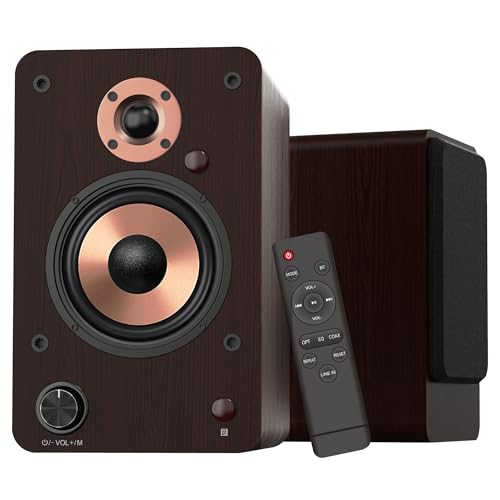
best bookshelf speakers for tv transform thin television sound into clear dialogue and fuller effects without a complex surround system. The comparison table below gives a quick overview, while this guide explains powered versus passive models, placement, and connections.
Television speakers face a hard job: small cabinets, rear or downward firing drivers, and dialogue competing with music and effects. External bookshelf speakers fix the core problem by giving dialogue a larger, forward facing driver and a cabinet with room to breathe.




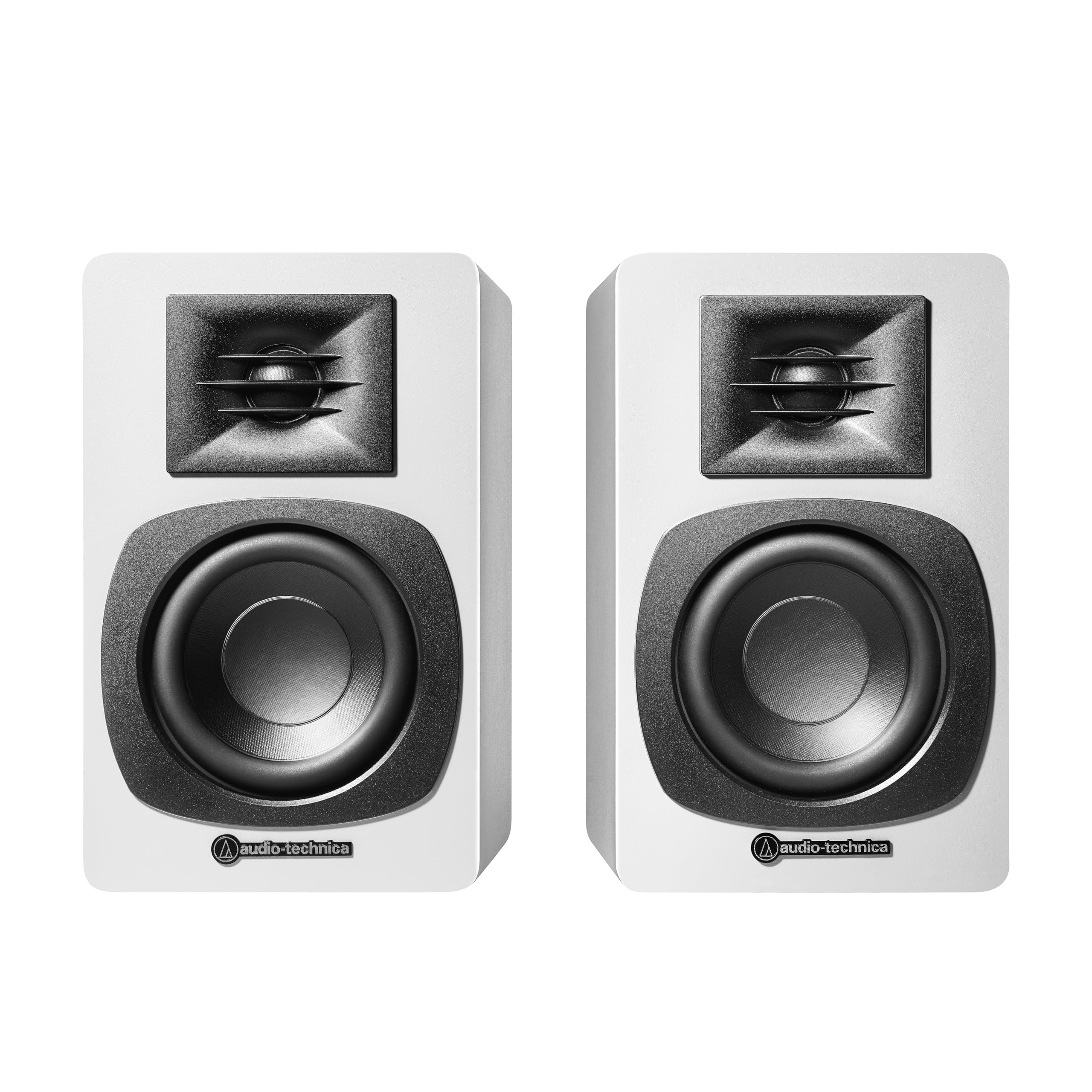
Who Should Buy TV Bookshelf Speakers
TV bookshelf speakers suit viewers who struggle to hear dialogue or want fuller sound for films and sport without a soundbar or surround system. They work well in living rooms and bedrooms where a pair of speakers fits either side of the television. If you watch films and drama regularly, the upgrade is immediately noticeable.
They are less suited to viewers who want true surround sound with rear effects, or to very small rooms where even compact speakers crowd the television stand. Soundbars suit minimal setups, while bookshelf speakers suit listeners who value stereo imaging and music playback as well as television sound.
Powered Versus Passive Speakers for TV
Powered speakers include a built in amplifier, so you connect them directly to the television without a separate amplifier. They suit simple setups and smaller rooms, and many include optical, aux, and bluetooth inputs. Check that the powered speaker includes a remote or easy volume control, because television remotes may not control speaker volume directly.
Passive speakers need an external amplifier or receiver, which adds cost and complexity but offers upgrade flexibility and often better sound for music. A receiver also adds surround expansion later if you want it. Choose powered for simplicity and passive for a growing system that also serves music listening.
Powered TV models are covered in our guide to best powered bookshelf speakers for tv, which compares inputs and remote options for television use.
Dialogue Clarity and Sound Modes
Dialogue clarity is the most important television sound quality, because muddy speech ruins drama and news regardless of bass or effects. Look for speakers with a clear midrange and adjustable treble, and avoid models tuned only for deep bass. Some televisions and amplifiers offer a dialogue enhancement mode that lifts speech frequencies, which helps in noisy rooms.
Test dialogue with a drama or news programme rather than an action film, because action scenes hide speech problems behind effects. Listen from your usual sofa position, not close to the speaker, and check that quiet dialogue stays intelligible without turning loud scenes uncomfortably high. A centre focused stereo image helps dialogue appear to come from the screen.
General television speaker options are covered in our guide to best tv speakers, including soundbars and speaker pairs for comparison.
Placement Around the Television
Place bookshelf speakers either side of the television at roughly ear height when seated, angled slightly toward the sofa. Avoid placing them inside a closed cabinet, which muffles dialogue and traps heat. If the television sits on a stand, speakers on the stand work, but stands beside the furniture often give better imaging and bass.
Keep speakers away from corners that exaggerate bass and blur dialogue. A small gap behind ported speakers helps bass stay controlled. If one speaker must sit near a wall and the other in open space, use any balance or room correction controls to even out the image. Symmetry helps, but practical rooms rarely allow perfection.
General bookshelf designs are covered in our guide to best bookshelf speakers, which explains placement principles for music and television alike.
Connections: Optical, HDMI, Aux, and Bluetooth
Optical connections give clean digital audio from most televisions and avoid analogue interference. HDMI ARC lets the television remote control speaker volume on compatible models, which simplifies daily use. Aux connections work universally but may need manual volume control and can pick up interference over long cables.
Bluetooth adds music streaming from a phone, but can introduce slight audio delay for television viewing. Use a wired connection for television and bluetooth for music to get the best of both. Check your television outputs before buying, because some models offer only optical or only HDMI ARC, which limits speaker choice.
Wireless television speaker options are covered in our guide to best wireless speakers for tv, which compares delay and connection stability for TV use.
Music Playback and Multi Use Value
Bookshelf speakers that serve television well usually serve music well too, which adds value in a living room. A pair that handles dialogue clearly and music enjoyably replaces both a soundbar and a separate music speaker. Test music playback as well as television sound before deciding, especially if the living room doubles as a listening room.
Consider household use as well. A simple setup with a remote and clear inputs helps other household members enjoy the system without a tutorial. If children or guests use the television, a powered pair with straightforward controls is more practical than a complex receiver system that only one person understands.
A Final Check Before You Order
Test dialogue clarity, volume control, and connection compatibility in your actual living room before the return window closes. Watch a drama, a news programme, and a film, and check that the television remote or speaker remote controls volume conveniently. Note any audio delay with bluetooth and switch to wired connections if dialogue lags.
The product table above can help you compare shortlisted models once you know your television outputs, room size, and whether music playback matters as much as television sound.
Living With TV Speakers Day to Day
Television speakers become part of household routine when everyone can use them without help. Teach family members the simple volume and input routine, keep the remote in a consistent place, and settle on default settings that suit news, drama, and films without constant adjustment. A system that only one person understands will frustrate others and eventually fall out of use.
Notice how different programmes stress the system over weeks of viewing. Quiet dramas test dialogue clarity, sport tests crowd atmosphere, and films test bass control at higher volumes. Adjust treble, balance, and placement based on these real programmes rather than test tones, because everyday viewing is the true measure of a television speaker system.
Small placement experiments, such as moving speakers slightly forward on the stand or adjusting toe in angle, often improve dialogue clarity more than any settings change in the television menu.
Frequently Asked Questions
Are bookshelf speakers better than a soundbar for TV?
Bookshelf speakers usually give wider stereo imaging and better music playback than a similarly priced soundbar, while soundbars suit minimal setups and tight spaces. If you value dialogue clarity and music, bookshelf speakers are often the better choice. If simplicity and a single unit matter most, a soundbar may suit you better.
Do I need an amplifier for TV bookshelf speakers?
Powered bookshelf speakers include an amplifier and connect directly to the television, while passive speakers need an external amplifier or receiver. Powered models suit simple setups, while passive models offer upgrade flexibility and often better music sound. Choose powered for simplicity and passive for a growing system, something worth checking in your own setup before you decide.
How do I connect bookshelf speakers to my television?
Use optical for clean digital audio, HDMI ARC for remote volume control on compatible models, or aux for universal compatibility. Bluetooth adds music streaming but can delay television audio slightly, so use wired connections for TV viewing. Check your television outputs before buying to ensure compatibility, especially when you test it in your real daily routine.
Where should I place bookshelf speakers for TV?
Place them either side of the television at roughly ear height when seated, angled slightly toward the sofa. Avoid closed cabinets that muffle dialogue, and keep ported speakers a small distance from walls. Symmetry helps imaging, but use balance controls if room layout forces uneven placement, a point worth confirming during the return window.
Will bookshelf speakers improve dialogue clarity?
Bookshelf speakers usually improve dialogue clarity considerably over built in television speakers, because larger forward facing drivers reproduce speech more naturally. Look for a clear midrange and test with drama or news rather than action films. Dialogue enhancement modes on televisions or amplifiers can help further in noisy rooms, something worth checking in your own setup before you decide.
Final Thoughts
Choosing best bookshelf speakers for tv means prioritising dialogue clarity, simple connections, and placement that suits your living room. Powered models offer simplicity, while passive models offer upgrade paths and music quality. The product table above can help you compare options once you know your television outputs.
Test dialogue with real programmes, check remote volume control, and use wired connections for television viewing. With the right pair, television sound becomes clear and engaging without a complex surround installation.


