
Best Bookshelf Speakers for Turntable: Matching the Right Pair to Your Records for 2026
Disclosure: We may earn a commission when you buy through links on this page, at no extra cost to you. As an Amazon Associate I earn from qualifying purchases. Learn more
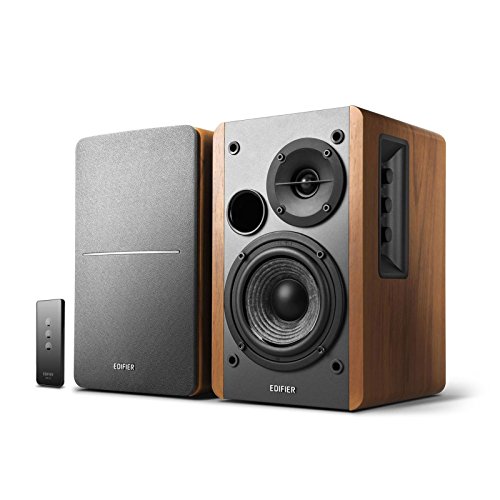
Best bookshelf speakers for turntable setups: phono stage, powered or passive pairs, and placement that keeps records steady.
A turntable sounds only as good as the speakers it feeds, and the best bookshelf speakers for turntable setups combine smooth midrange, controlled bass, and the right inputs. Records reward warm, natural tuning, so a pair that stays easy on the ears across a full album side is usually a better match than one tuned for loud, bright playback. This guide explains how to connect speakers to a turntable and which features matter most.
You will see how a phono stage fits in, when powered speakers make life easier, and how to place speakers so the turntable stays free of vibration. Use the product table to compare options, then use the sections below to narrow the list.
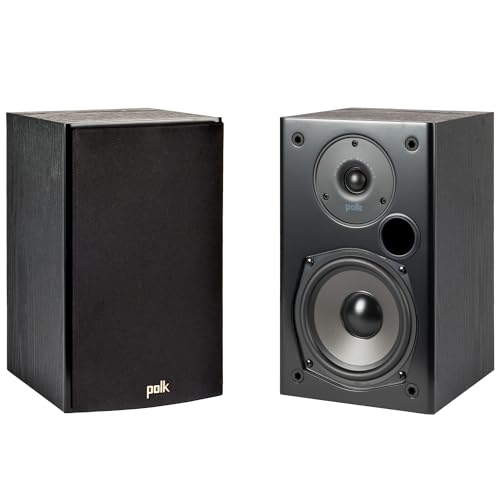

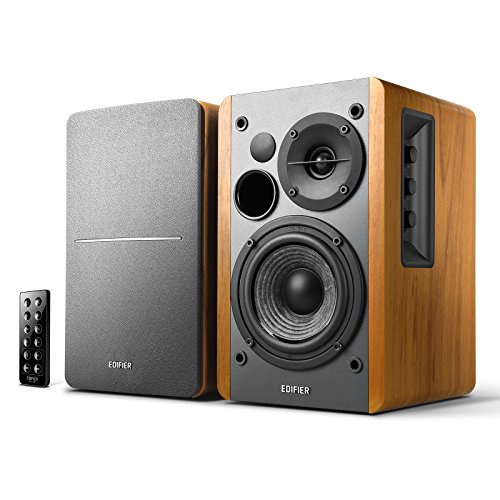

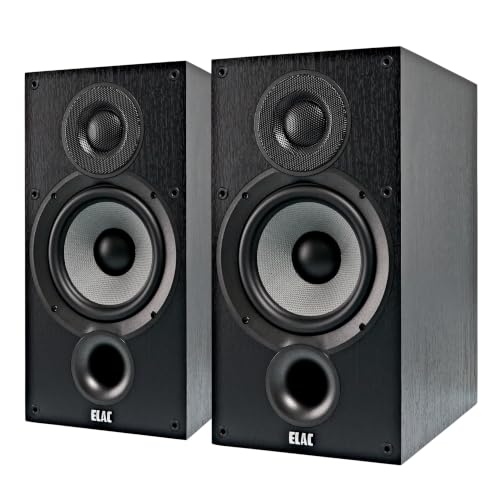


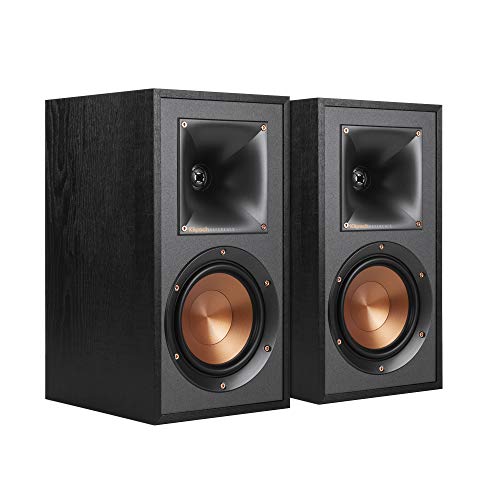
How a Turntable Connects to Speakers
A turntable produces a very weak signal that also needs equalization before it sounds right. A phono stage (also called a phono preamp) does both jobs. Some turntables include one, some amplifiers and powered speakers include one, and otherwise you add a small separate box. Without it, records sound very quiet and thin.
After the phono stage, the signal goes to an amplifier or directly into powered speakers. In a passive setup, the amplifier drives the speakers over speaker wire. In a powered setup, you connect the turntable or phono stage to the speaker's RCA or line input and plug the speakers into the wall. Check which parts of the chain you already own before you buy.
Powered or Passive Bookshelf Speakers
Powered speakers are the simplest route to records. Many models offer RCA inputs, and a few include a built in phono stage or a switch for a turntable. You save the cost of an amplifier, and the amplifier is matched to the drivers. They suit desks, small rooms, and anyone who wants a short list of components.
Passive speakers need a receiver or integrated amplifier. That adds cost and wiring, but it opens the door to upgrades one part at a time and to a wider choice of sound character. If you already own an amplifier with a phono input, passive speakers can be the better value.
Features That Matter With Records
Warm, Even Tuning
Vinyl often sounds best through speakers with a smooth midrange and gentle treble. Very bright speakers can make surface noise more noticeable, while heavily boosted bass can cover vocals. Look for a balanced pair and judge it with a record you know well.
Inputs and Phono Support
Confirm that the speakers or the amplifier accept your turntable output. A line level turntable can plug into a normal RCA input, while a standard moving magnet turntable needs a phono input or a phono stage. If you also want to stream or watch television, look for Bluetooth and optical inputs on powered models.
Size and Room Fit
A 4 to 5 inch woofer suits desks and small rooms, and a 6.5 inch woofer gives fuller bass in a living room. Match the size to the room so bass does not boom, and measure the shelf or stand before you buy.
Matching Speakers to Your Turntable
Entry turntables with a built in preamp and a line output connect to almost any powered speaker with an RCA input. Mid priced decks usually output a standard phono signal, so you need a phono input on the amplifier or a separate phono stage. Higher end decks with moving coil cartridges need a preamp that supports that cartridge type, which is worth checking in the manual before you buy anything else.
Also consider how you listen. If you play records for an evening session, comfort matters, so look for a balanced tuning that stays pleasant over many songs. If records share the system with television and streaming, pick speakers with several inputs and a remote, so switching sources does not mean crawling behind the shelf.
Everyday Use Beyond Records
Most people do not play records all day. A pair that also accepts Bluetooth, optical, or a computer input will earn its place on the other days, when you want background music, a podcast, or television sound. Powered models often include these inputs, and some passive amplifiers do as well.
Think about volume at night, too. Speakers that stay clear at low volume let you enjoy a record without disturbing the household, and a front panel volume knob is easier to reach than one on the back of a cabinet.
Placement and Vibration
Records are sensitive to vibration. Loud bass can travel through a shared shelf into the turntable and the stylus, causing a rumble or even skipping. Keep the turntable on a separate, solid surface from the speakers where possible, and use isolation feet or pads under the speakers if space is tight.
Set the speakers at ear height, angled slightly toward your seat, and a few inches from the wall behind them. Place them so the turntable sits clear of the cabinets, and keep the cables tidy so nothing rubs against the platter.
Budget Levels
Entry pairs around $100 to $200 can make records sound warm and enjoyable, especially powered models with an RCA input. In the $250 to $500 range you gain better cabinets, smoother treble, and more refined bass. Above that, passive hi-fi speakers reward a good amplifier and a good phono stage, and they suit listeners building a system to keep for years.
Remember to budget for the rest of the chain: a phono stage if you need one, an amplifier for passive speakers, stands, and a few cables. A balanced system sounds better than expensive speakers with a weak source.
Common Mistakes
- Connecting a turntable straight to a line input without a phono stage.
- Placing the turntable on the same shelf as loud speakers.
- Choosing very bright speakers that emphasize surface noise.
- Spending the whole budget on speakers and neglecting the amplifier or phono stage.
- Pushing speakers against a wall and getting boomy bass.
Related Guides
For related choices, see our guides to powered bookshelf speakers for turntable, turntable and speakers, and powered bookshelf speakers.
Frequently Asked Questions
Do I need an amplifier for bookshelf speakers and a turntable?
Passive speakers need an amplifier or receiver. Powered speakers have one built in. Either way, you also need a phono stage somewhere in the chain unless your turntable has one.
What is a phono stage?
It is a small preamp that boosts and equalizes the turntable signal. It can be built into the turntable, the amplifier, or the speakers, or sold as a separate box.
Are powered speakers better for turntables?
They are simpler, which suits most beginners. Passive speakers with an amplifier suit listeners who want to upgrade parts later.
Do turntable speakers need a subwoofer?
Many listeners enjoy bookshelf speakers alone. A subwoofer helps only if you want deeper bass for certain records, and it should be blended gently.
How do I reduce vibration from the speakers?
Put the turntable on a separate solid surface, use isolation feet under the speakers, and keep the volume sensible while you play records.
Final Thoughts
The best bookshelf speakers for turntable listening are the ones that match your signal chain, sound warm and balanced, and fit your room. Check the phono stage first, decide between powered and passive, place the speakers away from the turntable, and use the product table to compare models that suit your budget.


