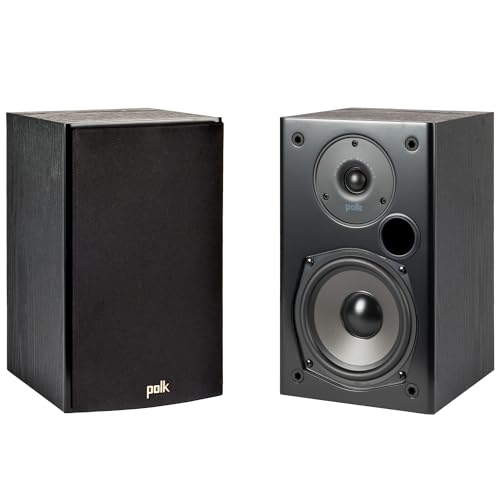
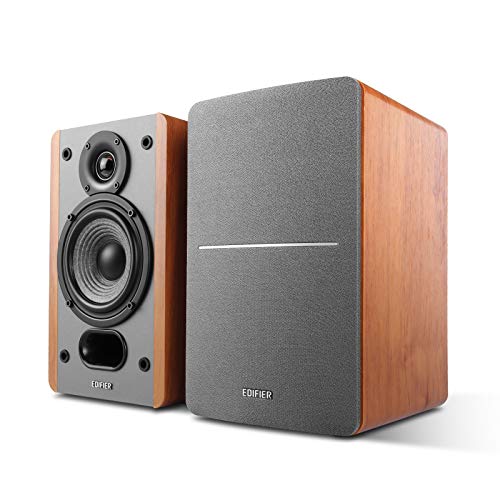
Best Bookshelf Speakers for Small Room: Which One Fits the Way You Use It for 2026
Disclosure: We may earn a commission when you buy through links on this page, at no extra cost to you. As an Amazon Associate I earn from qualifying purchases. Learn more
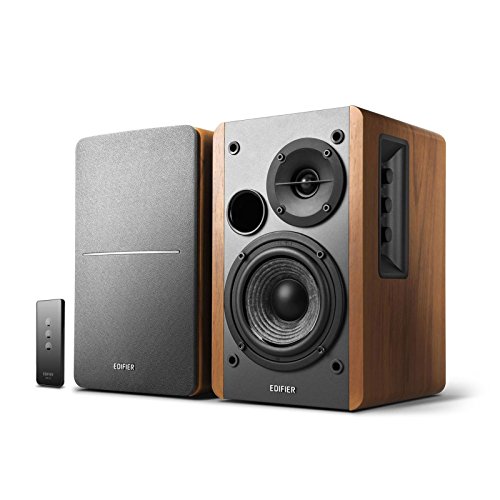
Use this buying guide to compare the best bookshelf speakers for small room setups, with sizing, placement, bass control, and connection advice.
A small room changes what good sound means. Walls sit close, bass builds up fast, and a speaker that thrills in a showroom can overwhelm a bedroom or studio apartment. There is no single model that suits every small space, because your room size, your seat position, and your main use all pull the choice in different directions. The best bookshelf speakers for small room setups are the ones sized and tuned for near walls and near seats.
This guide sorts buyers by use first, then covers the features that matter most when space is tight, including honest measuring advice. Start with the comparison table below, then check each candidate against your actual room.
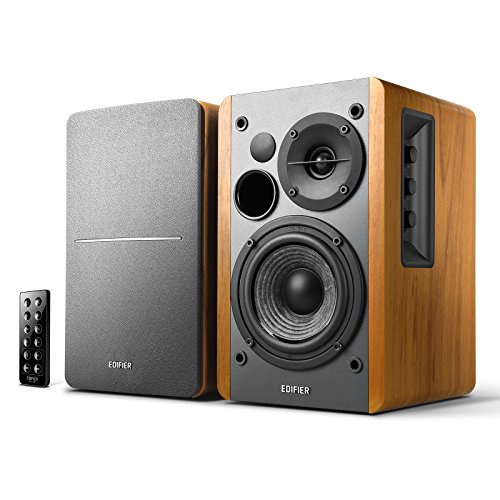


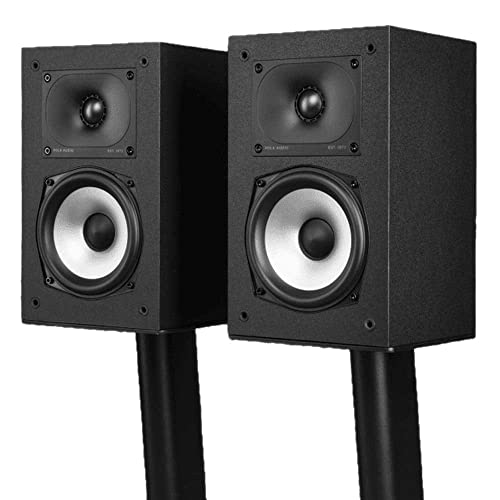
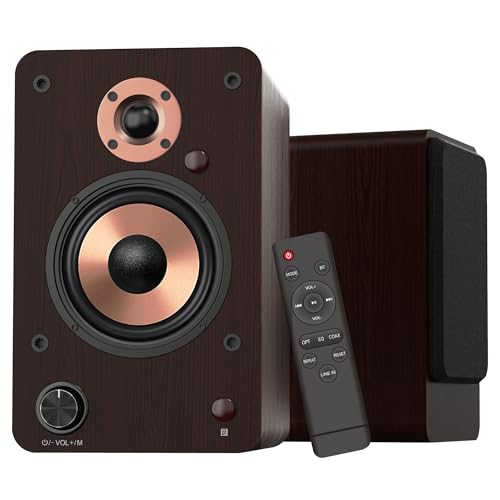


Who Should Buy Which Bookshelf Speakers?
For Gamers and Power Users
In a small gaming room or a desk corner, you sit close to the speakers, so clarity at low volume beats raw power. Choose a compact powered pair with a wired USB or optical connection to keep audio latency low and game sound locked to the picture. A headphone output helps for late sessions in a shared home. Prioritize front ported or sealed cabinets, because a desk against a wall leaves no space behind the speakers, and rear ports placed too close to that wall will boom through every match.
For Remote Workers and Creators
If your small room doubles as an office and studio, you need speakers that keep voices natural on calls and mixes honest during editing. A neutral tuning, a clean USB input, and consistent sound at the low volumes you use all day matter more than deep bass. Compact cabinets preserve desk space for monitors and notebooks. Our guide to best small bookshelf speakers digs deeper into cabinet sizes if your desk is especially tight.
For Students and Everyday Users
Students in dorms and renters in studios need sound that respects thin walls and small shelves. A modest powered pair in the budget to midrange range, roughly about $100 to $300, with Bluetooth for a phone and tone controls to trim bass, covers music, films, and calls without extra boxes. Look for a remote and a headphone jack for late night listening. Skip oversized cabinets entirely: in a small room they crowd the furniture and excite bass problems you then have to fix.
Key Features to Compare
Features That Matter for Small Room
Small rooms reward control. Walls close to the speakers boost bass, sometimes by a lot, so a model with bass adjustment or a room EQ setting earns its keep immediately. Sealed and front ported designs are easier to place near walls than rear ported ones. Modest woofer sizes around 4 to 5 inches usually balance a small space better than large drivers, and you do not need high power, since your seat is near and volume stays moderate. For room first thinking across speaker types, see our guide to the best speakers for small room listening.
Sound Quality and Tuning
Aim for smooth, even tuning rather than a bass heavy one, because the room itself will add low end weight for free. Frequency response that reaches about 55 to 65 Hz is plenty in a small room, since wall reinforcement fills in the rest and a subwoofer is often impractical anyway. Clear midrange keeps voices and acoustic instruments natural at close range. If a model offers a boundary or desk compensation switch, that small feature often improves real sound more than a larger driver would.
Ecosystem and App Features
App based EQ is unusually valuable in small rooms, where one or two careful cuts to boomy bass frequencies can transform clarity. Check that any app works with your phone platform and that firmware updates arrive through it without fuss. Streaming features such as Bluetooth and WiFi reduce cable clutter in tight spaces, which is a practical benefit beyond convenience. If you are comparing against other formats for the same room, our guide to the best tv speakers for small room setups shows how television focused options differ.
Measuring for Size and Portability
Measure before you buy, in inches, and write the numbers down. Record your shelf or desk width, depth, and the height to any shelf above, then leave at least a couple of inches around the cabinet for air and cables. Check the speaker depth plus room for rear cables, since banana plugs and power cords add length behind the box. Weight matters if you plan to move the pair between rooms; a lighter powered pair relocates easily, while heavier cabinets sound solid but discourage rearranging. Our guide to the best stereo speakers for small room listening includes more placement measurements worth borrowing.
Common Mistakes to Avoid When Buying Bookshelf Speakers
- Buying the biggest cabinet that fits. In a small room, oversized speakers overload the bass and leave no placement freedom, so one size down usually sounds better.
- Pushing rear ported speakers against the wall. The port needs space to work, and ignoring that turns clean bass into a muddy rumble.
- Ignoring bass controls. Without tone adjustment or EQ, you have no answer when the room itself boosts the low end.
- Skipping measurements. Depth and cable clearance cause more returns than sound quality does, so measure the shelf before ordering.
- Forgetting the warranty and returns. Small room acoustics vary a lot, so a fair home trial window protects you if the match is wrong.
Care and Maintenance Tips
Small rooms collect dust quickly, so wipe cabinets with a dry cloth weekly and keep grilles in place to shield the drivers. Update firmware on powered models when the maker offers it, since updates often improve Bluetooth stability and EQ behavior. Keep cables tidy and off the floor where chair wheels can crush them, a real risk in tight spaces. Recheck your speaker positions after any furniture change, because moving a bookcase or bed shifts the room balance more than most people expect. Avoid playing into obvious distortion at high volume, which small room listeners rarely need anyway.
Bookshelf Speakers: Your Questions Answered
What features matter most in bookshelf speakers for small room?
Bass control matters most, through tone controls, a boundary switch, or app EQ, because close walls boost low frequencies. Next come placement friendly design, meaning sealed or front ported cabinets, and a size matched to your shelf. Modest power is fine at close range. A model that gives you adjustment tools will outperform a larger, fixed tuning speaker in almost every small room, regardless of price.
Wired or wireless: which sounds better?
Wired connections sound slightly better and never drop out, and in a small room the cable runs are short and easy to hide. USB or optical from a computer or television gives you the cleanest result. Wireless earns its place for phone streaming and for keeping a tiny room free of cable clutter. Many small room owners wire the main source and use Bluetooth for casual listening, which is a practical balance rather than a compromise.
Final Thoughts
In a small room, the winning formula is a right sized cabinet, real bass control, and placement that respects your walls. Measure first, compare your shortlist in the product table above, and favor adjustment tools over raw size. Chosen that way, the best bookshelf speakers for small room listening will sound clear, balanced, and bigger than the space suggests. If you are weighing formats, our comparison of the best floorstanding speakers for small room use explains why compact cabinets usually win in tight quarters.