
Best Bookshelf Speakers Ever Made for 2026: Everything to Know Before Your First Purchase
Disclosure: We may earn a commission when you buy through links on this page, at no extra cost to you. As an Amazon Associate I earn from qualifying purchases. Learn more

Learn how to choose the best bookshelf speakers ever made as a first time buyer, with plain English specs, setup steps, and simple price guidance.
Buying your first serious speakers can feel like learning a new language, with talk of drivers, ohms, and frequency curves. It helps to know that the classic designs people still praise share simple traits, like solid cabinets and honest tuning. This beginner friendly guide to the best bookshelf speakers ever made explains those traits in plain English.
We will move from the basics to the specs, then to setup and the mistakes that waste money. Use the comparison table below as you read, and by the end you will know which type of pair fits your room and budget.

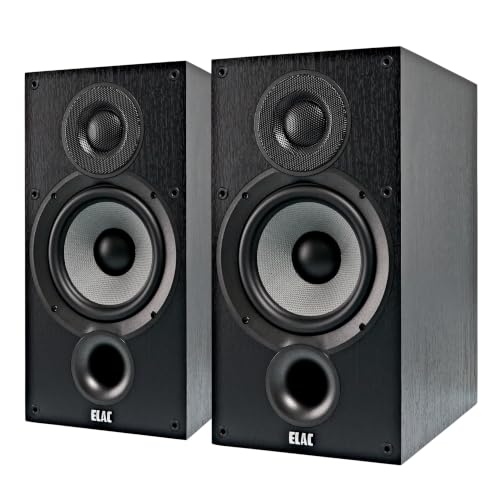

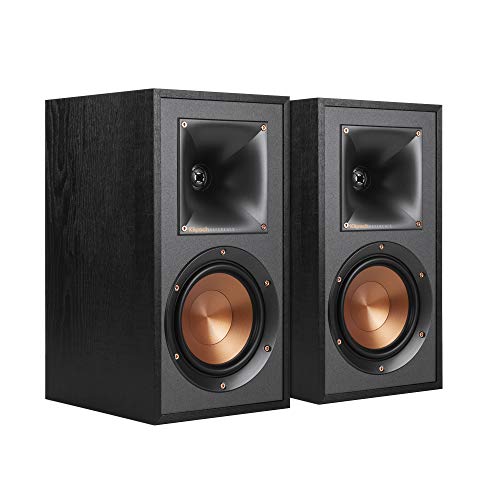


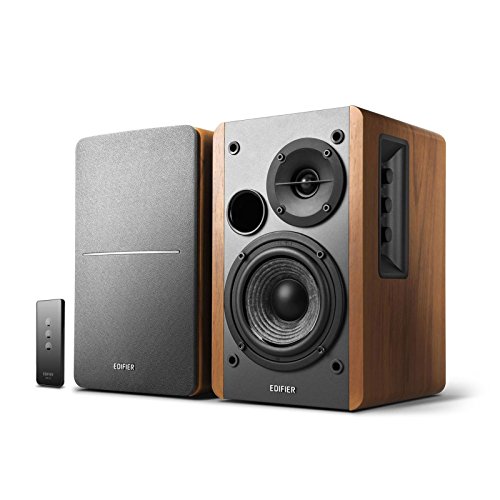
Bookshelf Speaker Basics for First Time Buyers
A bookshelf speaker is a compact box speaker made for shelves, stands, or desks in small to medium rooms. Most pairs contain a woofer for low and mid tones and a tweeter for high tones, working together so voices, instruments, and effects each have space. Despite the name, they often sound better on stands than inside a bookcase, because the cabinet needs air around it.
Pairs come in two families. Passive speakers need a separate amplifier or receiver to power them, while powered speakers have the amplifier built in and plug straight into a phone, TV, or laptop. First time buyers usually find powered pairs simpler, with fewer cables and settings.
Key Specs Explained in Plain English
Sound Quality and Tuning
Sound quality describes how clearly and evenly a speaker plays the full range of tones. Driver size gives a rough guide, with woofers around 4 to 5.25 inches suiting desks and small rooms and 6.5 inch woofers suiting larger rooms. Frequency response numbers claim the lowest and highest tones a speaker can play, but a smaller honest range beats a huge vague one. Tuning is the balance the maker chose, and neutral tuning is the safest first buy because it flatters every kind of music and speech.
Build and Longevity
The classic designs people still praise share a rigid, well braced cabinet, drivers that are matched to each other and sturdy connectors. A heavier cabinet resists vibration, which keeps bass tight and voices clean. Choose a pair from a maker that offers a warranty and replacement parts, because a speaker that can be serviced can serve for decades. Most models live in dry rooms, so keep them away from sinks, steamy bathrooms and open windows.
Powered Pairs and Optional Apps
Some powered speakers connect to an app for tone controls and input switching. That is a convenience, not a reason to buy. A pair with great drivers and a plain remote will please you longer than clever software wrapped around weak drivers.
Rookie Mistakes to Avoid
- Forgetting the amplifier. Passive speakers stay silent without one, so confirm which type you are buying before checkout.
- Trusting wattage headlines. Big watt numbers sell speakers, but driver quality and room fit decide what you hear.
- Pushing speakers against the wall. Rear ports need breathing room, or bass turns boomy and voices lose clarity.
- Mixing one old and one new speaker. A matched pair gives balanced stereo sound, while mismatched singles pull the image to one side.
- Ignoring cable length. Measure the run between your speakers and source so you are not stretching short included leads.
History can guide a first purchase too. Studying why certain designs endured teaches you which traits last beyond fashion: honest tuning, solid cabinets and drivers that can be repaired.
Getting Started: Setup and First Use
Setup takes about fifteen minutes if you work in order. Place both speakers at ear height when seated, form a triangle with your listening spot, and connect the source with the volume turned down. Power on, play a familiar song with a clear vocal, and adjust the angle so the voice sits in the center between the speakers. Keep the firmware updated on powered models through the maker app, and store any spare cables and manuals in one labeled box so future moves stay simple.
During the first week, resist constant tweaking. Listen to several kinds of content, note whether bass or treble feels off in your room, and make one small change at a time.
Bookshelf Speakers: Your Questions Answered
Wired or wireless bookshelf speakers: which sounds better for a first setup?
Wired sounds better for a first setup because it removes pairing steps and delay worries while you learn. You can add wireless later through Bluetooth on many powered models once the basics feel familiar. One new point for beginners is that a wired link also makes troubleshooting easy, since silence points to one cable or input rather than a radio link. Start simple, then add convenience features after a month of listening.
Do bookshelf speakers need a stand?
They usually sound better on stands than inside a bookcase, because the cabinet needs air around it and the tweeters should sit near ear height. A sturdy stand or a desk with some space behind the pair works well.
Should I buy powered or passive speakers first?
Powered pairs are simpler for a first purchase because the amplifier is matched and built in. Choose passive if you already own an amplifier or want to upgrade parts over time.
How much should I spend on a first pair?
Many buyers find a strong pair in the $150 to $500 range. Spend on drivers, cabinet quality and the inputs you need before paying for finishes or extras.
The Bottom Line
Choose the power type first, size the drivers to your room second, and place the pair with care third. Those three decisions shape your sound more than any logo or headline spec. With them settled, the best bookshelf speakers ever made stop being a mystery list and become a clear standard to shop against, so review the product table above and pick a matched pair you can set up today.


